.

.
marylin monroe
Showing posts with label vitamins. Show all posts

A "Question of Faith": Do Multivitamins, Antioxidants and Mineralsupplements Improve Your Quality of Life?

Image 1: Do you believe that you could solve this profound imbalance by randomly adding more people to both sides of the seesaw? No? Well, why are you taking a high-dose multivitamin then?
As the name of this website already implies, I am an outspoken believer in the usefulness of "supplements" (as in "to supplement" = to add to something, where it makes sense). There is however a particular group of "supplements", which is a real thorn in my side... Yes, I am talking about those one-size-fits-it-all-multivitamin-multimineral-multi-whatever products with "high quality ingredients" the ratios of which are based on either the "recommended dietary allowances" of the omniscient USDA (actually a way better name would be "random dietary allowances") or the even more idiotic maxime that "if some is good, then more is probably even better". These days every major supplement company has at least one of these formulas in their line-up and obvoiusly they all will claim that only their product will provide you "with all the vital nutrients you need".

Wtf!? How do those guys know which nutrients I need? 

Even if those formulas were perfectly balanced - which they certainly are not, because we simply don't know what the "perfect balance" is, yet - the chances that anyone of you, my educated, well-nourished whole-food eating readers, has a full-blown, all across the board nutrient deficiency that would be fixed by any of those products are probably one in a million. What is much more likely, though is that you have a small or (oftentimes due to "healthy supplements") profound nutrient imbalance.

Let's say you are an aspiring male fitness athlete and have been taking your ZMA religiously for years. At the same time you have heard that copper is not only bad for you, but that "we all" would get way too much copper in our diet, anyways. So you have been avoiding copper like a plague and ingesting 30mg of zinc from your ZMA everyday... now chances are that you have already set off the natural (and optimal) ratio of copper to zinc in your body. Let's say the optimal ratio was 1:12 (copper to zinc, and again - we do not even know what the optimal ratio would be). With your high zinc and low copper intake you are now at 1:20, i.e. 60% off! Now the nice guy from your local GNC convinces you that it would be prudent to add the brand new "Male Super-Power Vitamin" to you supplement regimen if you wanted to live a long and healthy life. Chances are that the guy who designed that product will also have heard that zinc is good for men and that we all get way too much copper (and even if he knew better, he will be aware that his formula won't sell if it does not follow conventional stupidity... ah, I mean wisdom). So, the product will have 200mcg of copper and 30mg of highly bioavailable zinc - I mean it's a "high quality product"! What is going to happen now? What? Right! The well-formulated product will exasperate you existing imbalance... Your multi does not do that? How come you think so?

"Ever since I take my multi, I have not become sick and feel way better!"

Right, you feel better... and you are not alone! In fact many of the 8112 participants in a well-controlled randomized, double-blind, placebo-controlled, primary human intervention trial which was conducted by a group of scientists from Paris (Briancon. 2011), also felt that the capsule with 120 mg vitamin C, 30 mg vitamin E, 6 mg beta-carotene, 100 µg selenium and 20mg zinc, they had been taking for 76 months(!) improved their overall well-being.
Warning! I suggest you don't continue reading the following paragraphs if you do feel that your vitamin product works and do not want to take the risk that it will stop working as soon as you have finished reading this blogpost ;-)
What is pretty strange, though, is that this effect did not depend on whether the subjects actually received the anti-oxidant + mineral combination, or not. Rather, the main determinant of the the results of the health-related quality of life (HRQoL) questionnaire in this sample of healthy French adults was whether the subjects, who, as it is right and proper for a "placebo-controlled" trial, obviously did not know whether they were ingesting a capsule with the active ingredients or the placebo (it had been established in a previous study that the two capsules were indistinguishable; cf. Hercberg. 1998), believed that they were in the active arm of the study (cf. figure 1, believers vs. non-believers):
Figure 1: Perceived effect on global health (VAS) in subjects who had "no idea" whether they received the active or the placebo treatment and subjects who thought they received the active ("believers") or placebo ("non-believers") treatment (data adapted from Briancon. 2011)
What is also interesting, is that women were slightly more susceptible to placebo effect than men (not to the nocebo effect though), although this difference did not reach statistical significance.

Multivitamins are like religion: Believe in it and it works!

A pros pos statistical significance, as far as the "real" markers of health and disease are concerned, the "key message" (I use the words of the scientists ;-) of the SU.VI.MAX was that "long-term supplementation with antioxidant vitamins and minerals has no effect on quality of life" - in other words, although there were not measurable improvements, the study did not provide further evidence for the hypothesis that long term supplementation with anti-oxidant supplements, selenium and vitamin E in particular, had any negative effect on objectively measurable health markers (if you want to read more about the flawed analysis of and biased media reports on the data from the SELECT trial, read my previous blogpost on this issue).
Image 2: Add a body made of animal products to this guy and you have all the nutrients you need ;-)
It should be mentioned here that in a previous analysis of other data from the same cohort, the scientists had found a small, but statistically significant decrease in cancer and all-cause mortality among the male study participants of the active arm of the SU.VI.MAX trial (Hercberg. 2004). So, while the quality of life did not improve, the miserable life of some of the male subjects was at least extended by a few years ;-) All sarcastic jokes aside, even the scientists realize that in the presence of conflicting evidence, the "major implication for public health of the present findings is that a lifelong diet rich enough in vitamins and min-erals may be preferable to supplementation that is likely not to be efficacious and has the potential to be harmful." - sound advice!
Those of you for whom this is not the first visit, here at the SuppVersity, will be aware, that, as a trained scientist, I don't content myself with the conclusions my "colleagues" (from another branch of science) draw. Therefore, I dug a little deeper into the actual data that comes with the study and - alas! - I was able to find a statistically significant (p<0.014) increase in the reported "vitality" among the women who actually received the vitamin + mineral supplement (cf. figure 2):
Figure 2: Real (difference between treatment and placebo) and perceived (difference between "believers" and "non-believers") of antioxidant + mineral supplement (data calculated based on  Briancon. 2011)
What is strange though, is that of all statistically significant differences between women who believed they received the supplement and those who did not, just this one is the least distinct. Moreover, in all the other variables, where there was a statistically significant difference between believers and non-believers, the "real" data (meaning the comparison of subjects who actually received the treatment vs. the placebo group) could not confirm the positive self-assessment of the believers. Among the male subjects, there was even a trend toward reduced quality of life measures in the real data, where the "believers" thought that it was the "supplement" they were taking that soothed their bodily pain, improved their general health or overall physical performance (physical summary scale).

So what? Am I wasting my money?

These additional observations do yet not falsify any of the three main conclusions, Serge Briacon and his five colleagues from Nancy University, the Metz University, the University Paris Descartes, the University hospital of Nancy and the French Department of Public Health draw based on their interpretation of the data:
  1. [t]here is no proof that supplementation with these vitamins and minerals is beneficial in participants whose dietary intakes are already sufficient
     
  2. [t]he perception that supplementation improves general well-being is not supported by this trial.
     
  3. [a] reverse causal pathway may even be advocated (healthier participants may have been more likely to believe they were in the supplement group).
What this means for you is that if your multivitamin "works", chances are that you are doing something right as far as your general lifestyle, your diet and your exercise regimen are concerned. If despite taking your multi religiously, you still feel miserable, you better take a closer look at what your real problems are instead of switching from one band-aid-fits-it-all "solution" to the next one.

A Fat D-Ficiency! Do You Really Need More Vitamin D or Simply More Fatty Foods? Study Shows, Even 50.000 IU of Vitamin D3 Useless, When You Ingest It Without Fat.

 Image 1: Fatty fish and organ meats aside, whole eggs and full-fat dairy are your best food choices to raise vitamin D levels - I would even venture the guess that they (combined with fish and organ meats) would make supplementation obsolete, even in the Nothern hemisphere (if you "load up" on sun in the summer).
Those of you who have been following my daily blogposts, here at the SuppVersity for more than the last couple of days will be aware that I am one of the few outspoken vitamin D (-supplementation) skeptics. I am by no means doubting the scientific data which clearly indicates that low vitamin D levels (low in medical, not in "Internet blogosphere" terms) are associated with all sorts of diseases. I do not question the hypothesis that, from a biomolecular perspective, vitamin D has more of a hormone than of a "vitamin" (=essential nutrient). And I do not challenge the use of vitamin D(3) supplements by people with low or even borderline low vitamin D levels (although this blogpost may change the way you ingest them ;-). What I do yet call into question is the hilarious idea that every Joe and Jane in the Western hemisphere could benefit from taking "at least 2.000IU of vitamin D" per day.

Re-thinking dietary (=supplemental) vitamin D

Hitherto, the only Joes and Janes who have profoundly benefited from this one-(XL-)size-fits-it-all approach are the producers of respective supplements. Convincing scientific data from controlled studies which would show that the consumption of large amounts >1.000 IU of vitamin D capsule or pill form, exert any verifiable health benefit for someone with normal (or even low-normal) vitamin D levels is absent. The (remote?) possibility that there actually is no benefit, aside, there are yet a few other possible explanations why - epidemiological data aside - scientific evidence for the benefits of vitamin D3 supplementation in a non-vitamin-D-deficient cohort is still lacking:
    Image 2: Who would buy all those toxic, but expensive drugs, if it turned out that by taking a non-patentable "vitamin" the diseases they were invented for could be prevented?
  1. Lack of financial interest from the side of the pharma companies: Vitamin D is obviously non-patentable and if it could, as many people believe, prevent diabetes, stroke, heart disease and cancer, the use of respective supplements would obviously put the pharmaceutical industry out of business.

    Note
    : The pharmaceutical industry has already been trying to come up with patentable vitamin D analogues, of which they claim that they would lack the largely non-existent negative side-effects of the real vitamin - I guess, you can you tell which way the wind is blowing?!

    Financial revenue could thusly be a major factor, as it is obviously pretty costly to set up a tightly controlled, appropriately powered randomized, placebo-controlled study on healthy people. Even large scale epidemiological studies, on the other hand, can be done by a group of graduate students, by just plugging into respective databases and doing some more or less sophisticated statistical evaluations on existing data sets.

  2. Insufficient dosing or study periods that are simply too short to yield results: I have, in the past seen studies, even I, as a avowing skeptic, would not cite to underline my argument that we do not have enough scientific evidence that supplemental vitamin D is not the savior people may make you believe. I mean, if you assign a group of say 20 people to 400IU of vitamin D for 4 weeks and see no changes in a handful of pretty random markers of health and disease, this is unquestionably not an argument against the potential usefulness of vitamin D supplementation.

  3. Adding vitamin D3 supplements to a "healthy" low fat diet: Assuming that this point has immediately caught your eye, I want to encourage you to read the rest of this blogpost, as this, i.e. the necessity of adequate amounts of dietary fat, to absorb vitamin D3 is what the rest of this post will revolve around.
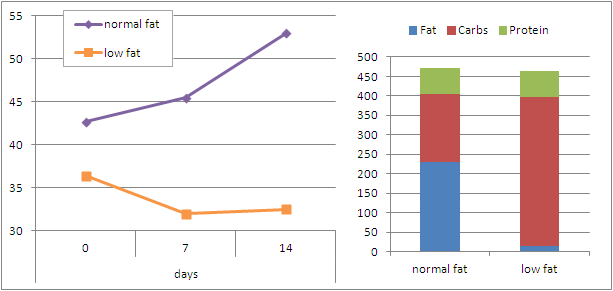
Fatty fish, eggs, organ meats, full fat organic (raw) dairy products - all those good foods which have been banned from YourPlate (at least if it contains what the US government's MyPlate suggests is healthy) are not only high in vitamin D, they are also high in fat. Against that background and in view of the fact that our ancestors did not buy their vitamin D at the local health food store, it is only reasonable to assume that our digestive tract was designed to absorb the little additional vitamin D we are supposed to get from foodstuff (you know that I am a firm believer in the power of sunlight - even beyond vitamin D) in the presence of fat. And guess what, a recent study, which was obviously not published in the Journal of the American Medical Association (cf. 1. in the previous list of possible explanations for the lack of conclusive scientific evidence on the usefulness of vitamin D supplementation), shows exactly that: without the concomitant presence of significant amounts of dietary fat, even 50.000IU of supplemental vitamin D3 have no effect on the serum levels of 25(OH)D, the active form of vitamin D (Raimundo. 2011, cf. figure 1).
Figure 1: 25(OH)D levels of 30 healthy men and women after ingestion of 50.000IU vitamin D3 supplement in conjunction with a normal or low fat breakfast (data calculated based on Raimundo. 2011)
And, as the detailed macronutrient breakdown in figure 1 (right) shows, the "high fat" breakfast the 30 young (~27y), healthy, non-obese, vitamin-d sufficient men (n=12) and women (n=18) ingested with a 50.000IU vitamin D3 capsule in the morning after an overnight fast, did not even consist of eggs and bacon. It was comprised of whole milk, white bread with bologna, and vegetable oil margarine and the whole milk aside, probably not much healthier than the skim milk, white bread with fruit jelly, and fruit salad breakfast the low-fat group had to eat. The additional 23.9g of fat did nevertheless make a huge difference, as far as the absorption and subsequent utilization of the vitamin D3 supplement is concerned.

No fat, no sun, no vitamin D - regardless of supplementation

Image 3: Get your D from the sun, if you can!
In view of the fact that the subjects were advised to "avoid sun exposure and changes in their usual eating pattern [which were probably low in dietary vitamin D] for the next two weeks", it is thusly hardly surprising that contrary to the "high fat" (I deliberately labeled it "normal fat" in figure 1 ;-) group, the subjects in the low fat breakfast group suffered a -11% decline in 25(OH)D serum levels over the 14-day follow up period, which other than the inter-group difference of 35% (!), did not reach statistical significance (mainly due to the small number of participants, where inter-subject variability renders even relatively profound differences "statistically non-significant").


And while the scientists concede that the small scale of the study, the lack of detailed recordings of the subjects' dietary vitamin D intake in the course of the 14-day follow up period and the reliance on 25(OH)D level as single surrogate for serum vitamin D levels (remember that we are actually talking about a whole host of "vitamins D") are limitations of their study, Raimondo et al. are nevertheless right to conclude that their "findings can have important implications to define the adequate dietary intake of vitamin D"... implications, which may well go beyond the mere recomendation to take your vitamin D with fat. After all, increased absorption would mean decreased need for supplementation and who knows whether you could not easily satisfy your dietary vitamin D requirements without any supplements, if you just set the "low-to-no fat, no dangerous organ meats" dietary recommendations at naught?

Are You ABCDE-Deficient? Common Nutrient Deficiencies in the US. Plus: How Food Fortification & New "Daily Values" Affect the Intakes of Vitamin A-E, Calcium Iron & Co

Nutrition labels on fresh blueberries - do we really need them?
I sill remember that I was shocked, when I bought a pack of blueberries and found a nutrition label underneath the plastic cover of my expensive 150g health-investement...

That's probably 2 months ago and the reason I do remember this event now is the publication of a paper that examines the effect a change in the "daily values" (i.e. the references), the figures in the obiquitous black and white table are based on, would have on the average US citizen's nutritional intake of the vitamins A, D, E, C, B-12 and folate, and the minerals calcium and iron.
"Daily Values" (DV), fortified foods and nutrient adequacy: Before I dig deeper into the actual study results, it's probably wise to point out that fortified foods are the link between the DV's and micro-nutrient intake of the average American. If manufacturers continue to fortify foods to the same %DV for each nutrient, the extent to which potential changes in DVs would affect nutrient intake adequacy depends on the proportion of nutrient intakes derived from fortified foods and the magnitude and direction of change in the DV.
According to the data Mary M. Murphy and her colleagues from the National Institutes of Health/Office of Dietary Supplements present in their latest paper, there is still a large gap between the current DV values, which represent the RDAs (recommended daily allowances) from 1968 and have been matched to
"the highest level of intake judged to be adequate to meet the known nutrient needs of practically all healthy persons in a specific age-gender group" (Murphy. 2013)
on the one hand, and supposedly "improved" candidates that could replace them: The population weighed and the population coverage varieties of the RDA & EAR.
  • RDA = the average daily dietary nutrient intake level that is sufficient to meet the nutrient requirements of nearly all (97–98%) healthy individuals in a particular life-stage and gender group
  • EAR = the average daily nutrient intake level that is estimated to meet the requirements of half of the healthy individuals in a particular life-stage and gender group
As you can see in Table 1 these new recommendations are not - as you may have expected -  significantly higher than the current daily values. If you look closely, you will in fact notice that some of them are significantly lower!
Table 1: Current DVs for select vitamins and minerals and potential DVs based on population-weighted and population-coverage RDAs and EARs. AT,a-tocopherol; DV, Daily Value; EAR, Estimated Average Requirement; RAE, retinol activity equivalent; RE, retinol equivalent (Murphy. 2013).
In the case of vitamin B12 and copper, for example, the difference between the "reformed" recommendations would amount to -50%. The population-coverage RDA for vitamin C, on the other hand, is 50% higher than the old "daily values" (DV) and still more than 10x lower than the 1,000mg of ascorbic acid, of which you may have read on the Internet that it was the bare minimum intake of vitamin C (more about vitamin C).
Figure 1: Percentage of U.S. population aged >4y with dietary intakes below the EAR based on current intakes and assuming
constant %DVs in fortified foods under the current, as well as two potential DV scenarios, i.e. the population-weighed EARs or the population-coverage RDAs become the revised DV values (Murphy. 2013)
Irrespective of the "low" RDA and the high number of fortified foods, ascorbic acid is yet still one of the those micro-nutrients the diets of more than 40% of the US are deficient in. And as the overview in Figure 1 goes to tell you, this would not change, if any of the new RDAs or EARs became the new DVs, so that the amounts of vitamin C in fortified food was adjusted.

Not an improvement by any means

In a more thorough sub-analysis, the scientists observed that the differences in the proportion of the total population with usual intakes less than the EAR would be <2% of 5 out of 8 nutrients (vitamins D, E, and B-12; folate; iron), regardless of whether the policy makers sued the population weighted EARs or the population-coverage RDAs as a basis for the revision of the DVs.

To put it plainy: This means that the micronutrient intake of more then 3 million individuals would still fall below the EAR in the total population (U.S. Census Bureau. 2005).

Even worse, if someone in the upper echolons was bribed.... ah, I mean convinced by the conclusive evidence we have that using the population-weighted EARs instead of the population coverage RDA would be the best thing to do, this would increase the risks of inadequate iron and folate intake in women of childbearing age. Both, iron and folate deficiency, can result in irreversible damage to the unborn child (Scholl. 2000; McArdle. 2013). The same is true for vitamin A (Wallingford. 1986) of which Murphy et al. write that it "was identified as a shortfall nutrient (although intakes are not currently in the category ‘‘of concern’’) for the U.S. population" (Murphy. 2013).
http://suppversity.blogspot.de/2012/11/standard-american-diet-has-optimal.html?spref=fb
"The Standard American Diet Has 'Optimal' Fatty Acid Ratio to Induce Diabesity." | read more
What has to be done? I hope you don't actually want me to answer this question - do you? I mean let's be honest - if people get 17–28% of total intakes of folate, iron, and vitamins A, B-12, and C and 8–12% of calcium and vitamins D and E from fortified foods (this is what Murphey et al. found) and are still deficient, you could obviously argue that we simply have to put even more vitamins and minerals into the nutrient deficient, energy dense junk the average Westerner is shoveling his piehole everyday.

But let's be honest: Wouldn't it be better to kill two birds with one stone by educating people that the stuff they eat is making them fat and sick - no matter how much artificial vitamins the "food" industry is pumping into their highly addictive, revenue-centered high-tech designer products?

References:
  • McArdle, Harry J., Lorraine Gambling, and Christine Kennedy. "Iron deficiency during pregnancy: the consequences for placental function and fetal outcome." The Proceedings of the Nutrition Society (2013): 1-7.
  • Murphy, Mary M., et al. "Revising the Daily Values May Affect Food Fortification and in Turn Nutrient Intake Adequacy." The Journal of nutrition 143.12 (2013): 1999-2006.
  • U.S. Census Bureau. 2005 Middle series data from annual projections of the resident population by age, sex, race, and Hispanic origin: lowest, middle, highest, and zero international migration series, 1999 to 2100 (NP-D1-A). Washington: Department of Commerce; 2000 [cited 2012 Jun 16]. Available from: http://www.census.gov/population/www/projections/natdet-D1A.htm 
  • Scholl, Theresa O., and William G. Johnson. "Folic acid: influence on the outcome of pregnancy." The American journal of clinical nutrition 71.5 (2000): 1295s-1303s.
  • Wallingford, J. C., and B. A. Underwood. "Vitamin A deficiency in pregnancy, lactation, and the nursing child." In: Bauernfeind JC, ed. "Vitamin A deficiency and its control." New York: Academic Press, 1986:101–52.

Ask Dr. Andro: Are Vitamin Supplements Bad For Me (1/2)? The "wrong" Vitamin E Supplements Increase Cancer Risk.

Figure 1: This is where you, my American friends (and most Europeans), should and would get your "E's" from - it's called "food" (Eitenmiller. 2004)
With the recent publication of two studies on increased all-cause mortality in older women (Bjelacovic. 2011; Mursu. 2011) who took multivitamins (+2.4%), vitamin B6 (+4.1%), folic acid (+5.9%), iron (+3.4%), magnsium (+3.6%), zinc (+3.0%), and the "killer" copper (+18%) and increased risk of prostate cancer due to selenium and/or vitamin E supplements (Klein. 2011) on a regular basis and the huge media attention these studies,
have received, I got interested in taking a closer look at what I would usually have discarded as epidemiological guesswork and scare tactics, anyway.

How can a vitamin be bad for you? It's supposed to be a vital nutrient, goddammit!  

In that, I want to start with the 2nd of the two studies, i.e. the one on Vitamin E, which also happens to be a "true" Ask Dr. Andro question. After all, Steven Acerra posted a whole bunch of related questions on my Facebook page (remember you can always send in questions you want to have answered in this column!)
Image 1: Conflicts of interest, as declared in the paper by Klein et al.
Are medical studies "objective"? Being a scientist (in a whole different area of research, though), myself, I am well aware that financing expensive cutting edge science with the meager support from national agencies is impossible, these days. Therefore, I refuse any rash prejudgements based on the openly stated potential conflicts of interest (cf. image 1), as Steven put them forward in a follow-up comment on my facebook page. If you want to blame someone, blame the influential editors of the large journals, including the JAMA, where Klein's paper was published. Their acceptance of a paper determines whether a study appears on the SuppVersity, "only", or is taken up by a journalist from a major popular scientific magazine or, as in this case, even the Health Podcast of Time Magazine.
Other than Steven suspected, the study by Klein et al. that was published in the latest issue of JAMA (the Journal of the American Medical Association which is not particularly well know for being independent of the pharma lobby, cf. red box ;-) - despite its size - actually is a "controlled" trial... Well, as controlled as a study with 34 887 men who were randomly assigned to receive selenium (n= 8752), vitamin E (n=8737), vitamin E + selenium (n=8702) or placebo (n=8696), can be. It is part of, or  I should say, the final outcome of the so called SELECT trial, a large scale intervention that was conducted in the United States, Canada, and Puerto Rico. Data acquisition started on August 22, 2001 and ended three months ago, on July 5, 2011. The fact that the study is over is good news for all participants, because, as the bold headlines would have it, all treatments increased the participants' risk to develop cancer. Yet, what mainstream media didn't tell you is that (I quote directly from the detailed results in the paper; Klein. 2011):
The rate of prostate cancer detection was greater in all treatment groups when compared with placebo* but was statistically significant only in the vitamin E alone group. After adjustment for the marginal effects of vitamin E and selenium, the interaction between vitamin E and selenium was statistically significant (P=.02), indicating no increased risk of prostate cancer when vitamin E and selenium were taken together. The risk of Gleason 7 or greater disease was higher for all 3 interventions [vitamin E + 16%; selenium +21%; combination: +23%] but did not reach statistical significance for any group.
    * I suspect this is probably about as far as most journalists read - if they even had the fulltext of the study, when they wrote their sensational and fearmongerish articles
If you compare the real findings to what you may have read in the course of the last week, it is quite obvious that half of the media reports got the results completely wrong. A quarter of the reporters obviously did not know the meaning and importance of "statistical significance" and the lousy rest does not care about information, anyway, as long as a headline could potentially increase sales or pageviews, it makes it into the magazine or onto the website.

No matter what the press says: You better know your vitamins E before taking the wrong one

Figure 2: Natural RRR alpha-tocopherol and synthetic SRR alpha tocopherol which is one of the isomers in the -50% less potent all-rac-alpha tocopherol, which is the "vitamin E" the 34,887 men in the large scale trial conducted by Klein et al. have received at a dose of 400IU per day  (figure from Traber. 2011)
This leaves us with just one "unexpected" result to be explained, i.e. a statistically significant increase in cancer risk with 400IU of supplemental "vitamin E" per day. In case you've noticed the quotation-marks before and after vitamin E, in the previous sentence, you already know where this is heading. After all, you would assume that the scientists would use the most potent weapons from their arsenal in their battle against prostate cancer - wouldn't you? Trial "S0000 Selenium and Vitamin E in Preventing Prostate Cancer" (clinical trials identifier: NCT00006392) sponsored by the Southwest Oncology Group, however, relied on the cheap all-rac-alpha-tocopheryl acetate of which Max K. Horwitt had shown back in 1980, already, that "all-rac-alpha-tocopheryl acetate may have no more than half the biological potency of d-alpha-tocopheryl acetate" (Horwitt. 1980). About, 19 years later Horwitt, then over 90 years old (!), was still fighting a fight against the medical establishment who maintained that the cheap synthetic form of vitamin E would have at least a 73.5% the activity of the naturally occurring form. In a letter to the editors of the American Journal of Clinical Nutrition he writes (Horwitt. 1999):
Now in my 90th y, I doubt whether I will ever see the proper correction made in the official values of the tocopherols. Having introduced the term equivalent as used by committees of dietary allowance, I prefer that this designation be used to describe the potency of the tocopherols. In the recommended dietary allowances, l mg RRR-a-tocopherol has a biological value of 1.0 a-tocopherol equivalents. Accordingly, in modified US Pharmacopoeia vitamin E units, RRR-a-tocopherol should have a value of 1.0, all-rac-a-tocopherol a value of 0.5, RRR-a-tocopheryl acetate a value of 0.91, and all-rac-a-tocopheryl acetate a value of 0.455.
Meanwhile, the USDA has changed their calculations in the USDA National Nutrient Database for Standard Reference, according to release #20 (USDA. 2008), the all-rac-alpha-tocopheryl acetate 
is now officially classified as -55% less potent than natural tocopherol. Now, the chance to pick the worst of the four vitamin E's was 25% and *bang* Klein et al. nailed it. Can this be coincidence - I guess if it was you could call it "bad luck".

Supplementation may offset the natural balance by exchanging natural gamma tocopherols for cheap synthetic alpha-tocopherols

"Bad luck", also because supplementation with high doses of alpha-tocopherol has been shown to hinder "normal" incorporation of gamma-tocopherols into VLDL particles, to increase hepatic clearance of gamma-tocopherols and, in the end, to deplete plasma gamma-tocopherol levels, as well (Jiang. 2011). Now, if you have a less potent type of vitamin E, you obviously have to supplement more (to achieve a potency equivalent to 400IU you obviously need +55% more all-rac than natural tocopherol!)... but does that really matter? Oh yes it does! As gamma tocopherol and not alpha-tocopherol is "the vitamin E" which inhibits cyclooxygenase activity and, thus, possess heart-healthy anti-inflammatory properties. No wonder that Jiang et al. report in a 2001 review that...
  1. plasma gamma-tocopherol concentrations are inversely associated with increased morbidity and mortality due to CVD. 
  2. serum concentrations of  gamma-tocopherol, but not of alpha-tocopherol, were lower in CVD patients than in healthy control subjects. 
  3. in a concomitant cross-sectional study of Swedish and Lithuanian middle-aged men,  plasma gamma-tocopherol concentrations were twice as high in the Swedish men, but that the Swedish men had a 25% lower incidence of CVD-related mortality. In contrast, this inverse correlation was not observed with alpha-toco-pherol. 
... and the list goes on. Now, you will probably say "But Dr. Andro, those men got cancer from vitamin E, not cardiovascular disease!" and, as always, you are right, BUT the evidence that gamma- not alpha-tocopherol (or at least a "natural" mix of both) is cancer protective is even more conclusive than the one on the CVD-protective effect of the former.
What are normal ratios of alpha- to gamma-tocopherol? While we hardly can say which ratios are optimal, we know that the "normal" ratio of serum alpha- to gamma-tocopherol levels for Americans who do not take any supplements is 5:1 (alpha:gamma). According to Chopra and Baghavan his ratio further increases to greater than 20-fold in people taking vitamin E supplements (Chopra. 1999).

High gamma-tocopherol levels reduce risk of prostate cancer by -500% [no typo!]

In 2000 Helzlsouer et al. analyzed the blood of 10 456 male residents of Washington County and found that (Helzlsouer. 2000)...
For gamma-tocopherol, men in the highest fifth of the distribution had a fivefold reduction in the risk of devel-oping prostate cancer than men in the lowest fifth (Ptrend = .002).
With p = 0.002 the chance that this was "coincidence" is exactly  125x smaller (0.2%) than Klein et al.'s chance (25%) to pick the worst alpha-tocopherol variety there is for their large scale intervention. And while this is only an epidemiological study, we have more than enough in-vitro and animal data to confirm the anti-cancer effect of gamma-tocopherol:
    Prostate cancer:
  • Jiang. 2004:  "... gammaT and mixed vitamin E forms induce cell death by interrupting the de novo sphingolipid pathway in a prostate cancer cell line"
  • Campbell. 2009: Growth arrest (40%) in PC-3 prostate cancer cells through the regulation of fatty acid metabolism and PPAR gamma mRNA and protein upregulation was achieved with gamma-tocopherol within 6 h.
  • Jiang. 2011: Sphingolipid promoting effects of gamma-tocopherol induces apoptosis and autophagy in prostate cancer cells

  • Colon cancer:
  • Campbell 2006: In-vitro study on human colon-cancer cell lines; "treatment with RRR-gamma-tocopherol resulted in significant cell death for all cancer cell lines tested, while RRR-alpha-tocopherol did not [...] RRR-gamma-tocopherol may aid chemotherapy without toxic effects to normal cells demonstrated by most chemotherapeutic agents"

  • Other cancers:
  • Yu. 2009: Mouse model (human breast cancer) + in-vitro studies > "α-tocopherol not only failed to exhibit anticancer properties but it reduced anticancer actions of γ-tocopherol in vivo and γ-tocopherol and α-TEA in vitro."; what is important to note, though is that the all-trans-variety used in the Klein study did at least inhibit proliferation and increase apoptosis (programmed cell death) in vivo.
  • Yang. 2010: "[I]nhibition of inflammation as well as of cancer formation and growth in the lung and colon in animal models" by tocopherol supplement with  57% gamma-T
  • Ju. 2010a: "In cell culture, the growth of H1299 cells [lung cancer] was inhibited by tocopherols with their effectiveness following the order of delta-T > gamma-TmT > gamma-T, whereas alpha-T was not effective."
  • Ju. 2010b: "... recent results have demonstrated that a gamma-tocopherol-rich mixture of tocopherols inhibits colon, prostate, mammary and lung tumorigenesis in animal models, suggesting that this mixture may have a high potential for applications in the prevention of human cancer"
And directly referring to the "partly negative" outcomes of studies into the potentially beneficial effects of "vitamin E" supplements (which were almost exclusively conducted with alpha-tocepherol-only products), Reiter el al. wrote in a 2009 review (Reiter. 2009):
As pointed out in this review, more and more evidence indicates that γT and other vitamin E forms than αT have unique bioactivities that may be important for maintaining and improving human health (Dietrich et al. 2006; Jiang et al. 2001). For example, γT is a stronger inhibitor of cyclooxygenase and possibly lipoxygenase than αT. Furthermore, γT traps reactive nitrogen species more efficiently than αT. Some of these in vitro effects are slowly being confirmed in vivo, but more studies are needed here. In addition, γT but not αT exhibits anti-proliferative and pro-apoptotic effects on cancer but not normal epithelial cells (Jiang et al, 2004). [...] Thus, despite the undisputed anti-inflammatory effects of α- and γT, the recent large-scale interventional studies aimed at reducing diseases associated with chronic inflammation have been disappointing, but may be explained by the complex interaction of the different vitamin E forms with inflammatory signaling, xenobiotic transformation, and as yet undefined pathways.
I think I do not have to point out that with what we know today about the necessary synergy of the vitamins E (including the tocotrienols, which I deliberately left out, in order not to overcomplicate things) and the results of a 2003 study by Huang (Huang. 2003), which showed that supplementation with 400IU of RRR-alpha-tocopheryl acetate (remember due to the fact that this is the more potent variety, the actual dose in µg was -50% lower than in the Klein study)
reduced serum gamma-tocopherol concentrations by a median change of -58% [95% CI = (51%, 66%), P < 0.0001], and reduced the number of individuals with detectable delta-tocopherol concentrations (P < 0.0001),
initiating a similar study as Klein et al. did 10 years ago, would border physical injury resulting from negligence, today. And although the use of isolated forms of vitamin E, which you will find in most of the cheap multivitamin tablets you can buy at the supermarket, could also be involved in the negative effect "certain dietary supplements" (including multivitamins) were reported to have on the health of "older women" in the 2nd study, I mentioned in the introduction, I will address this issue in an individual installment in a follow up to this post in the course of the next week. So stay tuned for more.

    Are There Pro-Oxidant, Cytotoxic and DNA-Damaging Anti-Oxidants in Your Supplements? Not all Forms of Vitamin C and Vitamin A are Equally "Harmless"!

    Image 1: The common believe that you could not satisfy your micro-nutrient requirements without the use of a daily multi-vitamin flushes >8 billion US$ into the coffers of the industry.
    I assume just one of the consumers who spent about >8 billion dollars in total for multi-vitamins each year (Balluz. 2000), aren't you? Now, tell me: Did it ever occur to you that some of those cheap vitamins, which are meant to provide you with all the vital nutrients you are supposed to be missing, because you are eating pizza, pasta and burgers instead of real food, could actually be killing your cells and damaging your DNA? In case you haven't I suggest you read on and take a look at the results of a recently published study by Therese Bergström, Jan Bergmann and Lennart Möller from the Department of Biosciences and Nutrition in Huddinge, Sweden (Bergström. 2011).

    Before we get to the details, I want you to to go and take a look at the bottle of the multivitamin (or multiple vitamin products) in your supplement stash... ok, look at the label - what does it say? I suppose somewhere on the top you will find both Vitamin A and vitamin C listed, maybe even with the adjunct "antioxidants". If you bought one of the higher quality products it will probably also say "from..." followed by the specific type of vitamin A or C used in your product - usually this is hardly legible, so you better have your magnifying glass at hand ;-) If you bought your supplement in Europe, you could find one of the following ingredients there:
    Figure 1: Compounds permitted in supplements by the European Parliament’s directives 2002/46/EC (EU. 2002)
    Strange, isn't? While most people have been indoctrinated to believe that beta-carotene was the "better", "healthier" and "safer" alternative to "real vitamin A", few know that there are three different forms of preformed, i.e. "real" vitamin A, and even fewer people are aware of the broad range of vitamins C that can be used in dietary supplements according to the European Parliament and Council’s directive 2002/46/EC.
    Image 2: Partly apoptotic HL-60 cells
    under the microscope (img.
    avemar.world-cancer.net)
    Why leukemia cells? It is certainly a valid question to ask, why the researchers used leukemia cells in this trial, although their intention was not to investigate desirable cytotoxic effects of high dose anti-oxidants on cancer cells, but to find out whether or not high doses of commonly used dietary supplements could exhibit undesirable cytotoxic, pro-oxidant and DNA-damaging side-effects. The reason is pretty simple a a typical example of how counter-intuitive science can be: Those cells are simply and easily available and highly versatile and standardized(!) model for studying the molecular events of myeloid differentiation and the effects of physiologic, pharmacologic, and virologic elements on this process. Asking "why HL-60" is thus similar to asking "why rats" - convenience and conventionalism!
    A similar ignorance exists towards the possible pro-oxidant and cytotoxic effects of those "vital" nutrients, everyone believes he would be deficient in, if he did not pop one of those high dosed vitamin preperations on a daily basis - better safe than sorry, no? According to the results of the study at hand, that largely depends on a) how high-dosed your vitamin supplement really is, and b) on which form of the antioxidants the manufacturer of your supplement has used (and you bet that you get what you pay for ;-)
    Figure 2: Cytotoxicity [in % of non-viable cells] of vitamin A compounds on the viability of HL-60 cells after 24-h exposure at a concentration of 20µM; each bar represents the average of a minimum of four independent experiments; * p<0.001 (data adapted from Bergström. 2011).
    As far as its cytotoxity is concerned retinal certainly stands out (cf. figure 2). Of the five tested vitamin A compounds, retinal was the only one with literally sure-fire cytotoxic effects (94%; p<0.001!) on HL-60 cells after 24h of incubation at 10 times the normal plasma concentration of retinol (2µM; cf. Zemplini. 2007). Unfortunately, that does not mean that the other vitamins A are "safe": Both, plain retinal and retinol at physiological concentrations of 2µM, as well as the cheap and widely used retinyl acetate at slightly super-physiological doses of 6µM did increase dG oxidation (the occurrence of 8-oxo-dG, the oxidized form of deoxyguanosine is an indicator of DNA damage) in a acetate buffer (0.03M Zn2+). Interestingly, the oxidative damage due to both retinal and retinol, but not the one caused by retinyl acetate, were significantly reduced, if, instead of the acetate buffer, a phosphate buffer was used.
    Figure 3: Cytotoxicity [in % of non-viable cells] of vitamin C compounds on the viability of HL-60 cells after 24-h exposure at a concentration of 500µM (for AA6P solubility was so low that a lower dose had to be used); each bar represents the average of a minimum of four independent experiments; ** p<0.01, * p<0.05 (data adapted from Bergström. 2011).
    As the data in figure 3 goes to show, at 10x the normal plasma concentration (50µM; cf. Duarte. 2005), which is basically what is supposed, but actually won't be achieved* (see red box below) by the mega-doses of vitamin C you see in recommended treatments for all sorts of ailments on various more or less reliable health-related websites, plain ascorbic acid (28%) and sodium ascorbate (28%) exhibit statistically significant cytotoxity. In case of the "buffered vitamin C" calcium ascorbate, even only 32 out of 100 promyelocytic leukemia cells (HL-60) survived the profoundly cytotoxic anti-oxidant bath.
    *Note: In view of the ability of your body to clear "superfluous" vitamin C from the blood and regulate serum vitamin C levels so, that they will constantly remain in the < 200µM range, it is very unlikely that oral supplementation with whatever form of vitamin C will be actually suffice to induce cytotoxic damage to your cells (thx. to majkinetor for the heads up). On the other hand, this does also mean that you are unlikely to achieve those exorbitant levels which have been associated with the often touted active (not preventive) anti-cancer effects of vitamin C. Keeping an eye on your daily intake to maintain adequate levels is thus probably a very good idea, The use of high dose supplements (>500-1,000mg) for the average human being (including athletes) however is probably unnecessary.

    My multi has one of the "toxic" vitamins in it! I will throw it away, right?

    Table 1: Overview of the tested compounds and their potentially deleterious side-effects in the petri dish (Bergström. 2011)
    All this may now easily sound like you have to flush your beloved vitamins down the toilette - at least, if you do not happen leukemia or any other form of cancer and wanted to use your A's and C's as a natural chemotherapy. In view of what you probably have read about "hormesis" and the general idea of balance and  moderation it would however be much wiser to...
    • first, evaluate how much of each of the vitamins you are already getting from your diet - chances are this is much more than you have been made to believe (at least if you stick to a whole foods diet)
    • second, select those supplements you really need and do not apply the "more helps more principle", the opposite is usually the case
    In the unlikely case that you are following a whole-foods diet and still find that you are deficient in any of those vitamins you could not get by simply adding another servings of vegetables or fruit to your diet, pick the next best low dose supplement to meet your requirements.

    Vitamin D for Athletes: 20,000 & 40,000IU / Week Bring Low Levels Back Up, Yet W/Out Measurable Performance Effect

    Jumpstart low vitamin D-levels with 2,000 - 3,000 IU/day - but don't expect that to jumpstart your performance...
    Most of you will probably remember the vitamin D news from the Short News on Saturday. And yes, I have to admit that as of now - the usefulness of known that both genetic polymorphisms and your vitamin D binding protein levels (which are incidentally higher in obese than lean individuals), are not exactly useful, when it comes to pick an appropriate dosage of supplemental vitamin D to bring your levels up into upper region of the normal range.

    In this respect, a study like the one that has been published in the latest issue of the British Journal of Sports Medicine may in fact be more useful. After all, the study was designed to investigate two doses of vitamin D supplementation (20,000 vs 40,000 IU/week vs placebo) on serum 25[OH]D concentration in club-level male athletes over 6 and 12 weeks.
    Note: If you read the Short News Update from Saturday, you will be aware that due to certain genetic polymorphisms you can be "vitamin D3 non-responder" (in the study by Nimitphong 40% of the subjects would could be considered low/no-responders due to the small scale of the study (N=20) this is yet not representative and may also be subject to inter-ethnic differences between Asians vs. Caucasians; learn more), if that's the case you may need 10,000-20,000IU à day or more - another reason to TEST not to supplement blindly!
    Boring? Well, what if I tell you that the second aim of the study was to elucidate whether this protocol or rather the respective changes in vitamin D levels would have effects on the physical performance of the 30 21-year old athletes who were all competing for university athletics clubs (mostly rugby and soccer) in the UK (=low sun exposure)? ...I see, now you're listening. 

    The research design was actually pretty straight forward: (0) Make sure none of your subjects has been popping vitamin D supplements of fish oil in the past; (1) Test the baseline performance and vitamin D levels of your study participants; (2) assign them via block randomization (to ensure there are no sign. inter-group differences in the baseline 25OHD levels) to three groups; (3) make them swallow either 20,000 or 40,000 IU vitamin D3 (cholecalciferol) or a visually identical placebo (PLB) (100 mg maltodextrin) once a week for 12 weeks; and (4) retest physical performance and vitamin D levels after 12 weeks.
    Figure 1: The non-existent effects of vitamin D supplementation on the physical performance; neither the increments nor the decrements reached statistical significance (Close. 2013)
    The study outcomes, at least as far as the performance increases are concerned could hardly be more unambigous. Despite the fact that 7/30 individuals (57%) had concentrations less than 50 nmol/l (=inadquate according to the US Institute of Medicine standards from 2011) and 6/30 (20%) were downright deficient (12-30 nmol/L) or severely deficient (<12 nmol/L) and irrespective of the fact that the subjects with the lowest D3 levels saw the most rapid increases in 25OHD levels, the research did not observe any significant improvements in the standardized performance tests. They do yet point out that
    "[t]o further ascertain whether vitamin D status does affect skeletal muscle function in young
    healthy participants, it may now be pertinent to also adopt more sensitive measurement techniques (eg, single muscle fibre measurements)." (Close. 2013)
    Although I'll leave it up to you whether you want to ascribe a higher value to the corresponding gene essays that would be used in such an "advanced" study or the real world performance gains, I personally am not really interested in this kind of follow up study. It would make more sense to assign the subjects (preferable athletes and not yet another bunch of sick people, or even rodents) to a standardized exercise regimen and re-test, whether or not there would be any benefits of vitamin D supplementation in a more controlled training scenario.

    Now that we've left the disappointing part behind, let's briefly take a closer look at the changes in v25OHD levels in figure 2. You will also realize that the higher dosage protocol produced a steeper incline in vitamin D levels, but was likewise unable to raise the vitamin D levels to the >120 nmol/ml range, where Heaney and other researchers would like to see it.
    Figure 2: 25OHD levels in nmol/ml after 3 weeks and 6 weeks of supplementation (left), regression analysis demonstrating the dependence of serum total 25[OH]D increases on baseline levels (Close. 2013).
    What's more, the way in which both supplementation regimen approach the 90-100 nmol/ml mark after 12 weeks of continuous supplementation suggests that it is probably not even feasible to bump your vitamin D levels into that region without taking even higher amounts of vitamin D on a daily basis to abrogate the natural regulation process which does not appear to favor "vitamin D council levels" in the >120 nmol/ml range. Even the Maasai and Hadzabe who live, as Luxwolda et al. put it in the "cradle of makind" have vitamin D levels that are approaching, but not surpassing the magic 120 nmol/ml margin (Luxwolda. 2012).

    To get your levels in the recommended >75 nmol/ml range it should yet suffice to take ~2,000-3,000IU per day - or, for those with really low levels who are in a hurry to get them up into the normal range twice the amount.

    Table 1: Prevalence of low(ish) vitamin D levels in athletes (based on overview in Close. 2013)
    Talking about really low levels: I have not changed my mind about the importance of getting your vitamin D levels tested before you embark on a supplementation regimen with anything more than ~1,000IU/day. And if you take a second look at the dose-response relationship in figure 2, you will notice that you would only be wasting money if you took vitamin D supplements, when your levels are already in the optimal range.

    Considering the fact that previous studies have revealed surprisingly high levels of vitamin D deficiency in athletes (see table 1), the money a bi-annual test may cost you is yet certainly well-spent. If not in terms of immediate performance increases then certainly with respect to your overall health. After all, contrary to the questionable benefits of brining your vitamin D levels into the >120 nmol/ml range, the evidence for (long-term?) detrimental effects of vitamin D deficiency is unambigous.

    References:
    • Close GL, Russell J, Cobley JN, et al. Assessment of vitamin D concentration in professional athletes and healthy adults during the winter months in the UK: implications for skeletal muscle function. J Sports Sci 2012.
    • Bescos Garcia R, Rodriguez Guisado FA. Low levels of vitamin D in professional basketball players after wintertime: relationship with dietary intake of vitamin D an calcium. Nutr Hosp 2011. 26:945–51. 
    • Ducher G, Kukuljan S, Hill B, et al. Vitamin D status and musculoskeletal health in adolescent male ballet dancers a pilot study. J Dance Med Sci 2011.15:99–107.
    • Halliday TM, Peterson NJ, Thomas JJ, et al. Vitamin D status relative to diet, lifestyle, injury, and illness in college athletes. Med Sci Sports Exerc 2011. 43:335–43.
    • Hamilton B, Grantham J, Racinais S, et al. Vitamin D deficiency is endemic in Middle Eastern sportsmen. Public Health Nutr 2010. 13:1528–34. 
    • Heaney RP. Assessing vitamin D status. Curr Opin Clin Nutr Metab Care 2011;14:440–4.
    • Lehtonen-Veromaa M, Mottonen T, Irjala K, et al. Vitamin D intake is low and hypovitaminosis D common in healthy 9- to 15-year-old Finnish girls. Eur J Clin Nutr 1999. 53:746–51.
    • Lovell G. Vitamin D status of females in an elite gymnastics program. Clin J Sport Med 2008. 18:159–61. 
    • Luxwolda MF, Kuipers RS, Kema IP, Dijck-Brouwer DA, Muskiet FA. Traditionally living populations in East Africa have a mean serum 25-hydroxyvitamin D concentration of 115 nmol/l. Br J Nutr. 2012 Nov 14;108(9):1557-61.  
    • Morton JP, Iqbal Z, Drust B, et al. Seasonal variation in vitamin D status in professional soccer players of the English Premier League. Appl Physiol Nutr Metab 2012. 37:798–802.
    • Wilson G, Fraser WD, Sharma A, et al. Markers of bone health, renal function, liver function, anthropometry and perception of mood: a comparison between Flat & National Hunt jockeys. Int J Sports Med 2012.

    Profitable Revelation! Inhabitants of the Affluent Western Hemisphere Don't Meet "Their" RDAs For Important Nutrients. "Scientists" Call to Action, I Call to Calm Down.

    Image 1: Nothing sells like FDA-approved supplements and federally supported fortified foods. And whenever you want to sell more snake oil, just pay for another study on "nutrient deficiencies"
    There are two things you can shovel truckloads of money with in the realms of dietary supplements and convenience foods. Those are dreams, such as the dream of a lean and muscular physique and FDA approved but for customers non-verifiable promises of  the absence of future ailments. And while such profane things as wanting to get big and buffed or even simply "looking good naked" is looked down upon by the majority of average Joes and Janes (I don't want to go into the underlying psychological reasons here ;-), the use of the latter is generally regarded as a useful if not necessary means that will not just help us preserve our health, but will also sooth our guilty conscious of not being able to break ourselves of our bad dietary habits. Against that background it's good that we have such great scientists and policy makers who will base their wise decisions on totally unbiased and all-encompassing scientific data from research teams such as as the one from DSM Nutritional Products Limited in Kaiseraugust, Switzerland, and Parsippany, NJ, USA (Troen. 2012).

    On average, we are all the same, right!? Our governments obviously don't think so...

    Morover, the decisions of those policy makers are not just rooted in science, they also hold another, maybe even more important good in highest esteem: Equality! And though, equality is one of the principles the Western civilization often boasts of, it seems as if when it comes to our dietary "needs", as defined by the individual dietary guidelines, you, my mostly American friends, must be somewhat different.
    Figure 1: Reference intakes for selected vitamins in Germany, UK and the Netherlands expressed relative to the US RDA (data based on overview in Troesch. 2012)
    This would at least be the logical conclusion you would have to draw based on the in parts pronounced differences between German and US RDAs (see figure 1), which would suggest that my I need ~30% more vitamin D than you do, while our friends in the UK either don't need it at all or cannot agree on a reference intake and my neighbors to the West, must assume that they get more than enough vitamin D from sunbathing at the beaches of the North Sea to get away with only 100IU of vitamin D per day; and their low recommendations for vitamin E are probably based on the rationale that they traditionally use beef fat instead of vegetable oils to fry their fries *rofl*

    You are deficient, my friend! Go get your fortified foods ans supplements, NOW!

    Now, as funny as that may seem, in the end these discrepancies only underline three fundamental problems that are rarely addressed when scientists analyze data to finally get to the (nutritional) root course of modern disease:
    Want to learn about where you stand in terms of the RDA?

    I got some help from my friends over at Highbrow Paleo, who felt the following tools are particularly helpful to estimate or calculate your daily micro- and macronutrient intakes:
    You know that I am not a big believer in logging your food intake and making calories in vs.calories out calculations. So, for your own psychological well-being try not to get addicted to these tools only to end up as yet another food neurotic on certain bulletin-boards ;-)
    1. the RDAs are more or less arbitrary - While we do know pretty certain which dosage of a certain nutrient is vitally important, when everything else, i.e. nutrition, exercise, stress, etc. is "normal" (whatever that may be), we have almost no clue how deficiencies, let alone the overabundance of one nutrient affect the need / optimal intake of another. A good example here would be calcium - one of my favorites, by the way: While we are stuffing our elderly (in particular women) with calcium supplements to "protect" their bones with little success, Dawson-Hughes et al. have shown in 2009 already that you can effectively reduce bone resorption, i.e. the leeching of calcium from the bones, by supplemental potassium bicarbonate, while just throwing more calcium and vitamin D at older men and women will at best increase renal calcium excretion, at worst lead to kidney stones and vascular calcification (Dawson-Hughes. 2009)
       
    2. the RDAs are light years are usually one or two decades behind contemporary science - Despite being an outspoken critic of the current vitamin D hysteria, the absence of a concrete RDA for vitamin D in the UK is just one of the most obvious examples of how the endless discussions of top-class experts lead to an grossly negligent gap between the latest results from scientific research (which in and out of itself often take months to be published and years or decades to be accepted) and their concrete implementation into the guidelines.
       
    3. the RDAs lack any regard of individuality or specificity - although the different RDA's in the USA, Germany, the UK and the Netherlands would suggest otherwise, you are all identical clones of an imaginary average Joe or Jane for the policy makers; and as if that was not enough, the same applies for the nutrients as well: "Vitamin A? Yeah, that's beta carotene, right?" And vitamin A vs. carotene (even alpha vs. beta caroetene) is only one of the many examples (others are folate vs. folic acid; alpha tocopherol usually equated with "vitamin E" vs. gamma-tocopherol, let alon the tocotrienols, etc.), for which we know by now that lumping them together under common names, can easily lead to imbalances with pathological consequences.
    Against that background my rationale for posting the following data on what scientists believe Mr. and Mrs. average US/UK/GER/NL citizen are missing out on and of which nutrients they may in fact get plenty is to create an incentive to take a couple of minutes and plug your own food data into one of the countless free online devices (see red box above for some references) to see where you as an individual are standing - and I bet, the majority of you will see results that are fundamentally different from those Troesch et al. summarize in their paper:
    • Vitamin D: Irrespective of whether or not you believe that it does make sense to consume the lion's share of a "vitamin" that is supposed to be produced in your skin and is thus, due to its actions on almost every cell of your body, essentially not a vitamin, but a hormone, it is somewhat alarming that even in the Netherlands, where the RDA is hilarious 100IU 5-25% of the men and 25-50% of the women fail to achieve their recommended daily allowance - 2 1/2 large egg yolks alone would provide them with more than that! With the higher RDA's in Germany and the USA, the percentage of people who do not meet their daily allowances is >75%!
    • Vitamin A: I am by no means surprised that vitamin A is not mentioned in the scientists mini-summary in the abstract. After all, it's bad for you! Right? No... freaking, no! And it's certainly likewise not good for way more 75% of the US citizens not to meet their RDAs for vitamin A and that despite the fact that the scientists lumped all "vitamins A" together! In the Netherlands and the UK, ~50% have an adequate intake and over here in Germany only 25-50% of my the average Joes and Janes are below their RDA cut-off, which could, just as the vitamin D problem by the way, readily be solved by eating a piece of liver from time to time. Some fatty fish, eggs and of course vegetables on a daily basis would yet serve the same purpose and would, which may turn out to be of even greater importance deliver a very balanced spectrum of various forms of pre-vitamin A (carotenes) and retinol.
    • Figure 2: Changes in reasoning behind supplement use in 2010 (French. 2011)
      Folic Acid and other B-vitamins: An interesting observation can be made for the B-vitamins, where the citizens of the land of both fast food and eager food-intoxi.... ah, I mean "fortification" (obviously the US) appear to be way better off than their poor fellows in Europe. Especially here in Germany, we should really wonder that we are not much sicker than you, after all, not all our products are enriched with high amounts of bio-unavailable folic acid so that we more than 75% of us do not meet our RDAs for this unquestionably important, but in its unnatural supplemental form not very controversial vitamin. In 2006, for example, Troen et al. report reduced immune function from excess folic acid build-up in the blood of post-menopausal women (Troen. 2006) and Halsted reports in a more recent paper that the "widespread use of supplemental multivitamins" in conjunction with the "fortification of the US diet with folic acid has resulted in high serum ... "[...] folate levels in much of the population" (Halsted. 2008)
      high folate levels that have been associated with increased risk of cognitive decline in aging people with low vitamin B12 status, decreased natural killer T-cell immune function and increased risk of recurrent advanced precancerous colorectal adenomas and breast cancer" (Halsted. 2008)
      Against this background it should be allowed to ask, whether the "average American" with his "adequate" (>95%!) folic acid intake really is better off than the "average German" who is unlikely to get his RDA of folic acid (>75%). 
    For the scientists who (surprise!) happen to work for DSM Nutritional Products Ltd., the observations they present in form of stylized "traffic lights", with all those yellow and red "lights" signifying impeding danger and the need to take action, suffice to conclude that there is not just a gap "between vitamin intakes and requirements for a significant proportion of the population even in the most affluent countries", but that the latter would also be "a call to action 100 years after the term 'vitamine' [sic!] was coined" (Troesch. 2012)
    If this post got you interested in an in-depth look at nutrient fortification its uses, abuses, benefits and downsides, I suggest you check Paul Jaminet's article on the issue at his "Perfect Health Diet Blog" (Jaminet. 2012). It would be pointless for me to repeat what Paul has already laid out in his concise and - as us physicists like it - well-referenced summary ;-)
    And while Mrs Troesch and her co-authors do not state that explicitly, it should be obvious what this "call to action" will amount to... !? Right! More nutrient "fortified" foods and more randomly assembled multi-vitamin products, instead of less junk and more health (=real) food in everyone's diet.

    References:
    1. Dawson-Hughes B, Harris SS, Palermo NJ, Castaneda-Sceppa C, Rasmussen HM, Dallal GE. Treatment with potassium bicarbonate lowers calcium excretion and bone resorption in older men and women. J Clin Endocrinol Metab. 2009 Jan;94(1):96-102.
    2. Halsted CH. Perspectives on obesity and sweeteners, folic acid fortification and vitamin D requirements. Fam Pract. 2008 Dec;25 Suppl 1:i44-9. Epub 2008 Sep 30. Review. 
    3. Jaminet, Paul. Food Fortification: A Risky Experiment? PerfectHealthDiet.com. March 23, 2012 < http://perfecthealthdiet.com/2012/03/food-fortification-a-risky-experiment/ > retrieved on June 18, 2012.
    4. French S. Natural Marketing Institute. The US Botanical Market: Latest Consumer Insights. Natural Marketing Institute. March 2011.
    5. Troen AM, Mitchell B, Sorensen B, Wener MH, Johnston A, Wood B, Selhub J, McTiernan A, Yasui Y, Oral E, Potter JD, Ulrich CM. Unmetabolized folic acid in plasma is associated with reduced natural killer cell cytotoxicity among postmenopausal women. J Nutr. 2006 Jan;136(1):189-94.
    6. Troesch B, Hoeft B, McBurney M, Eggersdorfer M, Weber P. Dietary surveys indicate vitamin intakes below recommendations are common in representative Western countries. Br J Nutr. 2012 Jun 13:1-7.