.

.
marylin monroe
Showing posts with label vitamin D3. Show all posts

A Fat D-Ficiency! Do You Really Need More Vitamin D or Simply More Fatty Foods? Study Shows, Even 50.000 IU of Vitamin D3 Useless, When You Ingest It Without Fat.

 Image 1: Fatty fish and organ meats aside, whole eggs and full-fat dairy are your best food choices to raise vitamin D levels - I would even venture the guess that they (combined with fish and organ meats) would make supplementation obsolete, even in the Nothern hemisphere (if you "load up" on sun in the summer).
Those of you who have been following my daily blogposts, here at the SuppVersity for more than the last couple of days will be aware that I am one of the few outspoken vitamin D (-supplementation) skeptics. I am by no means doubting the scientific data which clearly indicates that low vitamin D levels (low in medical, not in "Internet blogosphere" terms) are associated with all sorts of diseases. I do not question the hypothesis that, from a biomolecular perspective, vitamin D has more of a hormone than of a "vitamin" (=essential nutrient). And I do not challenge the use of vitamin D(3) supplements by people with low or even borderline low vitamin D levels (although this blogpost may change the way you ingest them ;-). What I do yet call into question is the hilarious idea that every Joe and Jane in the Western hemisphere could benefit from taking "at least 2.000IU of vitamin D" per day.

Re-thinking dietary (=supplemental) vitamin D

Hitherto, the only Joes and Janes who have profoundly benefited from this one-(XL-)size-fits-it-all approach are the producers of respective supplements. Convincing scientific data from controlled studies which would show that the consumption of large amounts >1.000 IU of vitamin D capsule or pill form, exert any verifiable health benefit for someone with normal (or even low-normal) vitamin D levels is absent. The (remote?) possibility that there actually is no benefit, aside, there are yet a few other possible explanations why - epidemiological data aside - scientific evidence for the benefits of vitamin D3 supplementation in a non-vitamin-D-deficient cohort is still lacking:
    Image 2: Who would buy all those toxic, but expensive drugs, if it turned out that by taking a non-patentable "vitamin" the diseases they were invented for could be prevented?
  1. Lack of financial interest from the side of the pharma companies: Vitamin D is obviously non-patentable and if it could, as many people believe, prevent diabetes, stroke, heart disease and cancer, the use of respective supplements would obviously put the pharmaceutical industry out of business.

    Note
    : The pharmaceutical industry has already been trying to come up with patentable vitamin D analogues, of which they claim that they would lack the largely non-existent negative side-effects of the real vitamin - I guess, you can you tell which way the wind is blowing?!

    Financial revenue could thusly be a major factor, as it is obviously pretty costly to set up a tightly controlled, appropriately powered randomized, placebo-controlled study on healthy people. Even large scale epidemiological studies, on the other hand, can be done by a group of graduate students, by just plugging into respective databases and doing some more or less sophisticated statistical evaluations on existing data sets.

  2. Insufficient dosing or study periods that are simply too short to yield results: I have, in the past seen studies, even I, as a avowing skeptic, would not cite to underline my argument that we do not have enough scientific evidence that supplemental vitamin D is not the savior people may make you believe. I mean, if you assign a group of say 20 people to 400IU of vitamin D for 4 weeks and see no changes in a handful of pretty random markers of health and disease, this is unquestionably not an argument against the potential usefulness of vitamin D supplementation.

  3. Adding vitamin D3 supplements to a "healthy" low fat diet: Assuming that this point has immediately caught your eye, I want to encourage you to read the rest of this blogpost, as this, i.e. the necessity of adequate amounts of dietary fat, to absorb vitamin D3 is what the rest of this post will revolve around.
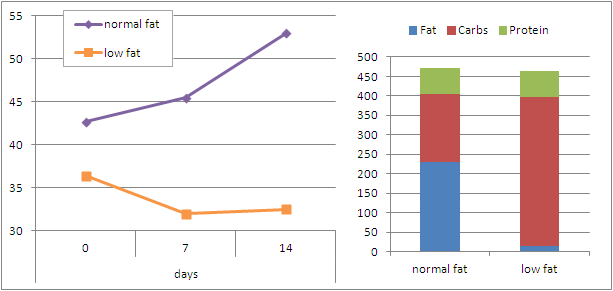
Fatty fish, eggs, organ meats, full fat organic (raw) dairy products - all those good foods which have been banned from YourPlate (at least if it contains what the US government's MyPlate suggests is healthy) are not only high in vitamin D, they are also high in fat. Against that background and in view of the fact that our ancestors did not buy their vitamin D at the local health food store, it is only reasonable to assume that our digestive tract was designed to absorb the little additional vitamin D we are supposed to get from foodstuff (you know that I am a firm believer in the power of sunlight - even beyond vitamin D) in the presence of fat. And guess what, a recent study, which was obviously not published in the Journal of the American Medical Association (cf. 1. in the previous list of possible explanations for the lack of conclusive scientific evidence on the usefulness of vitamin D supplementation), shows exactly that: without the concomitant presence of significant amounts of dietary fat, even 50.000IU of supplemental vitamin D3 have no effect on the serum levels of 25(OH)D, the active form of vitamin D (Raimundo. 2011, cf. figure 1).
Figure 1: 25(OH)D levels of 30 healthy men and women after ingestion of 50.000IU vitamin D3 supplement in conjunction with a normal or low fat breakfast (data calculated based on Raimundo. 2011)
And, as the detailed macronutrient breakdown in figure 1 (right) shows, the "high fat" breakfast the 30 young (~27y), healthy, non-obese, vitamin-d sufficient men (n=12) and women (n=18) ingested with a 50.000IU vitamin D3 capsule in the morning after an overnight fast, did not even consist of eggs and bacon. It was comprised of whole milk, white bread with bologna, and vegetable oil margarine and the whole milk aside, probably not much healthier than the skim milk, white bread with fruit jelly, and fruit salad breakfast the low-fat group had to eat. The additional 23.9g of fat did nevertheless make a huge difference, as far as the absorption and subsequent utilization of the vitamin D3 supplement is concerned.

No fat, no sun, no vitamin D - regardless of supplementation

Image 3: Get your D from the sun, if you can!
In view of the fact that the subjects were advised to "avoid sun exposure and changes in their usual eating pattern [which were probably low in dietary vitamin D] for the next two weeks", it is thusly hardly surprising that contrary to the "high fat" (I deliberately labeled it "normal fat" in figure 1 ;-) group, the subjects in the low fat breakfast group suffered a -11% decline in 25(OH)D serum levels over the 14-day follow up period, which other than the inter-group difference of 35% (!), did not reach statistical significance (mainly due to the small number of participants, where inter-subject variability renders even relatively profound differences "statistically non-significant").


And while the scientists concede that the small scale of the study, the lack of detailed recordings of the subjects' dietary vitamin D intake in the course of the 14-day follow up period and the reliance on 25(OH)D level as single surrogate for serum vitamin D levels (remember that we are actually talking about a whole host of "vitamins D") are limitations of their study, Raimondo et al. are nevertheless right to conclude that their "findings can have important implications to define the adequate dietary intake of vitamin D"... implications, which may well go beyond the mere recomendation to take your vitamin D with fat. After all, increased absorption would mean decreased need for supplementation and who knows whether you could not easily satisfy your dietary vitamin D requirements without any supplements, if you just set the "low-to-no fat, no dangerous organ meats" dietary recommendations at naught?

Leucine, Insulin & Vitamin D*: A Hypertrophy Boosting Triplet That Does Not Make It From the Dish to the Gym? Evidence & Counter-Evidence from Human Trials

If you could simulate a workout at the beach in the petri dish, its beneficial health effect would be all the rage ;-)
I am pretty sure all of you still remember the recent post about the literal muscle building effect of vitamin D, right (see "Vitamin D Builds Muscle")? Me too, and so I was almost tricked to believe I was looking at the Girgis study, when I scanned the contents of the latest issue of Molecular Nutrition & Food Research, in which you'll with the telling title: "1,25(OH)2-vitamin D3 enhances the stimulating effect of leucine and insulin on protein synthesis rate through Akt/PKB and mTOR mediated pathways in murine C2C12 skeletal myotubes". Ah, ok, I see that's not exactly easy to understand. Well, in plain English this means as much as...

Calcitriol boosts the anabolic effect of leucine & insulin

If your read the "Vitamin D Builds Muscle" article, you should actually remember the dichotomous nature of the effects vitamin D had on muscle cell hypertrophy (which goes up) and proliferation (which goes down). This was after all the most intriguing result of the Girgis study (go back). The new data from the paper at hand, which is likewise dealing with in-vitro effects of vitamin D, does now provide us with some additional information on the underlying mechanisms of the hypertrophy effects.
Figure 1: Protein synthesis, insulin receptor expression and the levels of p-AKT, p-mTOR, and p-70S6K, all regulators of skeletal muscle protein synthesis in muscle cells with and without additional 1,25(OH)2D3 in a leucine + insulin filled Petri dish (Salles. 2013)
If we go by the data in Figure 1 it's obvious that the latter is driven by a direct amplifying effect of 1,25(OH)2D3, the active form of vitamin D, aka calcitriol, on the leucine and insulin induced increase in muscle protein synthesis. Unfortunately, this does not tell us a word about the potential consequences of the anti-proliferative effects of vitamin D on long-term increases in muscle size and the repair of damaged muscle fibers.
Vitamin D and health - What the latest systematic review says: As long as you look at things at the population level or sit in your well-climatized lab next to the Petri dishes, vitamin D is king. When you look at the real world, of which I still believe that it is populated by individuals, the excitement appears to be unwarranted. The most recent systematic review that has been published today in the (most) prestigious medical journal The Lancet says: "The discrepancy between observational and intervention studies suggests that low 25(OH)D is a marker of ill health. Inflammatory processes involved in disease occurrence and clinical course would reduce 25(OH)D, which would explain why low vitamin D status is reported in a wide range of disorders." (Autier. 2013) -- in other words: Being sick will lead to reduction ins 25(OH)D and not vice versa.
It is nevertheless intriguing to see, how the myotubes that had been cultured in 1,25(OH)2D3 solutions at 0, 1, or 10 nM for 72 h reacted to the leucine and insulin challenges. 14–16% increases in fractional protein synthesis rates (FSR) and an increased expression of insulin receptors, of which we can hope that it would also translate into increased glucose uptake into the cells. Assuming that similar effects occur in vivo and in a normal vs. high vitamin D environment, these benefits would be more than just statistically significant.

Ok, that's an in vitro study, so why do you discuss it at all?

If the above is what you've just been thinking, you know me quite well by now. I would indeed not have wasted a whole SuppVersity article on this vitamin D paper, if it would not contradict the real-world results of a recent randomized, double-blind, placebo-controlled study from the University of Oslo so "nicely".  In this paper, a group of Swedish researchers probed the effects of provision of 1,000IU and 400IU of vitamin D3 per day on 251 healthy adult men and women (age 18-50 years; Knutsen. 2013). 

Despite the fact that the vitamin D levels of the subjects almost doubled, none of the strength and performance parameters, i.e. jump height, handgrip strength and the chair-rising test, showed pre vs. post differences that differed from those in the control group.
Figure 2: Relative pre vs. post changes in jump height, grip strength and the time it took the subjects to complete the chair test; no statistically significant inter-group differences were observed (Knutsen. 2013) vs. relative increase in strength (no inter-group differences) in obese, vit D deficient resistance trained individuals (Carillo. 2013)
This in turn raises the question, whether all our new enthusiasm about 'vitamin D' (in the broad sense, i.e. D3, 25(OH)D3 and 1,25(OH)2D3) was misplaced. That's unquestionably a tricky question and if those "enthusiasm" was triggered by the idea that vitamin D would have independent anabolic or ergogenic effects, the answer is probably "Yes". If we are yet talking about the general role of vitamin D in the complex concert of muscular health, the answer must be "No!" There are, after all exceptions to the "vitamin D does not build muscle rule" that applies so nicely to the Knutsen study - there aren't many, but they are there.

The study Carillo et al., for example (Figure 2, right). If you take a look at the results , it's easy to see that for the twenty-three overweight and obese (age: 26.1±4.7 y; BMI: 31.3±3.2 kg/m², body fat: 43%) subjects with insufficient vitamin D levels (25-hydroxyvitamin D: 19.3±7.2 ng/ml) the researchers from the Purdue University recruited for their experiment the 4000IU of supplemental vitamin D each of them received on a daily basis had the expected effect on the resistance training induced increase in peak power and reduction in waist-to-hip ratio (not shown). The effect size is however is pathetic and the only thing that was "significant" - imho statistically, only - was the peak power in the vitamin D group.
A brief note on 25(OH)D vs. 1,25(OD)2D3: I know that it may sound as if it sucks that taking D3 supplements won't increase the amount of calcitriol in your veins, but if it did, I know more than a handful of people whose trust in some gurus would already have cost them a kidney or even their lives. There is a good reason that calcitriol is a prescription drug, because a dysregulation of the 1,25(OH)2D3 levels in the blood will increase the calcium deposition in the organs and vasculature (Bas. 2006) and would thus have the opposite effects most people expect from their high dose vitamin D3 supplementation regimen.
Bottom line: On paper, the real world-evidence from vitamin D deficient obese individuals in Carillo's recent study does supports the notion that vitamin D is an important facilitator of skeletal muscle protein synthesis, what it does not do, though is provide the missing conclusive evidence that being in the upper tertile of the physiological range (not restoring deficiencies as in Ceglia. 2013, for example) has beneficial real-world effects on muscle strength or size.

If you take another look at the doses the vitamin D enthusiasts from the Girgis study bathed their cells in, that the Swedes used active vitamin D, i.e. 1,25(OH)2D3 and that there is no direct relation between vitamin D3 intake, the serum levels of 25(OH)D3 and the amount of calcitriol (1,25(OH)2D3) your cells are exposed to, it's actually not surprising that the muscle building effects don't translate from Jérôme Salles' calcitriol saturated Petri dishes into the real world of the 251 participants of the Knutsen and the majority of the other vitamin D3 supplementation studies, is it?
References:
  • Autier, P. et al. (2013) Vitamin D status and ill health: a systematic review. The Lancet Diabetes & Endocrinolog, Available online 6 Decembee
  • Bas, A., Lopez, I., Perez, J., Rodriguez, M., & Aguilera‐Tejero, E. (2006). Reversibility of Calcitriol‐Induced Medial Artery Calcification in Rats With Intact Renal Function. Journal of Bone and Mineral Research, 21(3), 484-490.
  • Ceglia, L., Niramitmahapanya, S., Morais, M. D. S., Rivas, D. A., Harris, S. S., Bischoff-Ferrari, H., ... & Dawson-Hughes, B. (2013). A randomized study on the effect of vitamin D3 supplementation on skeletal muscle morphology and vitamin D receptor concentration in older women. Journal of Clinical Endocrinology & Metabolism, jc-2013.
  • Knutsen, K. V., Madar, A. A., Lagerløv, P., Brekke, M., Raastad, T., Stene, L. C., & Meyer, H. E. (2013). Does Vitamin D Improve Muscle Strength in Adults? A Randomized, Double-blind, Placebo-controlled Trial Among Ethnic Minorities in Norway. Journal of Clinical Endocrinology & Metabolism, jc-2013.
  • Salles, J., Chanet, A., Giraudet, C., Patrac, V., Pierre, P., Jourdan, M., ... & Walrand, S. (2013). 1, 25 (OH) 2‐vitamin D3 enhances the stimulating effect of leucine and insulin on protein synthesis rate through Akt/PKB and mTOR mediated pathways in murine C2C12 skeletal myotubes. Molecular nutrition & food research.

Vitamin D3 Supplementation for Older Men & Women Done Right: Dietary Fat Can Increase the Bioavailability by 30%

Taking vitamin D pills on their own may be less effective than taking them with a meal containing 30% of the calories from fat - at least for older men & women and high doses of vitamin D3
This is science. Only 6 months ago, I wrote in an article about the effects of fat on the absorption and bioavailability of fat soluble vitamins that vitamin D would be the fat soluble vitamin with the lowest dependence on the co-administration of fat. Rather than the amount, it appeared as if the change in plasma 25OHD (nanograms per milliliter) during vitamin D supplementation was rather associated with the types of fat, i.e. MUFA = increased absorption vs. PUFA = decreased absorption (Niramitmahapanya. 2011).

Now, half a year later, it appears as if another, previously overlooked variables would force me to reformulate previous recommendations: Age and dosage!
There are many ways to get your vitamin D learn more the SuppVersity

How Much To Take?

Leucine, Insulin & Vitamin D

Vit. D Speeds Up Recovery

Overlooked D-Sources

Vitamin D For Athletes!

Vitamin D Helps Store Fat
In contrast to previous studies, Bess Dawson- Hughes and colleagues investigated the influence of fat on the absorption of vitamin D3 in older, not young men and women. In that, inclusion criteria for the study were
  • no use of not more than 400 IU vitamin D or 1,000 mg calcium per day,
  • serum 25(OH)D level in the range 20 to 29.5 ng/mL (49.9 to 73.6 nmol/L),and
  • a body mass index in the range 20 to 29.5 (normal weight)
Subjects with kidney problems, hypercalcemia, general issues with malabsorption, Crohn’s disease, disorders of bone metabolism, kidney stones, cancer and those who were using proton pump in hibitors, lipid-lowering medications, fish oil, or flaxseed oil, hormones, osteoporosis medications, or high-dose thiazide diuretic therapy were equally excluded as those subjects who attended tanning salons, regularly.
It's important that the subjects were lean, because (a) the serum vitamin D response may be attenuated by D-storage in the fat tissue and (b) previous studies show that "[o]besity-associated vitamin D insufficiency is likely due to the decreased bioavailability of vitamin D3 from cutaneous and dietary sources because of its deposition in body fat compartments" (Wortsman. 2000).
This was yet not the only difference. Next to the subjects age, the amount of vitamin D3 in the capsules the subjects received differed, as well. While previous studies that reported little to no effect of fat on the absorption of vitamin D3 used small(er) amounts of vitamin D, like 1,000, 2,000 or 5,000 IU per serving, Dawson-Hughes et al. used a single serving of 50,000 IU(!) and thus more than 10x higher dosages than previous studies.
Figure 1: Composition of the test breakfast, lunch, and dinner meals, expressed as % of total energy the 50 healthy older adults consumed in the study at hand (Dawson-Hughes. 2014)
Alongside said vitamin D3 super-dose all 50 subjects ingested one out of three randomly selected meals that were either fat free or contained 30% of the total calories in form of dietary fat - albeit at two different PUFA:MUFA ratios (see Figure 1)
"[The m]eals were provided by the metabolic kitchen and consisted of real food. For example, breakfast consisted of egg whites flavored with small amounts of onion and tomato, fruit, toast, and cranberry juice. The groups were balanced for energy by adjusting the amount of sugar in the cranberry juice (diet or regular juice or a mixture of the two). Protein and fiber were balanced across all groups. MUFA:PUFA was manipulated by adding varying amounts of MUFA (olive oil) and PUFA (corn oil) to achieve a ratio of 1:4 in the low and 4:1 in the high MUFA:PUFA diets. The boxed lunch and the dinner provided to the study subjects on the test day had fat/protein/carbohydrate content similar to that of the test breakfast meals.
Importantly, the subjects were required to (a) eat all of the food provided and (b) refrain from pigging out on anything that was not on the menu for the study day.
Figure 2: Serum vitamin D3 levels in subjects after consuming fat-free or -containing meals (Dawson-Hughes. 2014)
What the scientists found, when they analyzed the vitamin D response of the subjects depending on (a) the fat content and (b) the type of the fat, Dawson-Hughes et al. found:
  • In analyses of vitamin D absorption at baseline and the three follow-up time points, there was a significant interaction of fat-free vs fat-containing meal group with time (P < 0.001). As shown in [figure 2], there was no significant difference in plasma vitamin D-3 levels at baseline, but the fat-containing meal group had significantly higher plasma vitamin D-3 concentrations than the fat-free meal group at each time point thereafter.

    At 12 hours, the fat-containing vs fat-free meal mean difference in plasma D-3 concentration was 26.9 ng/mL (95% CI 9.6 to 44.1 ng/mL) (69.9 nmol/L). Differences at the other time points were for 10 hours, 30.5 ng/mL (95% CI 14.4 to 46.7 ng/mL) (79.3 nmol/L) and for 14 hours, 21.3 ng/mL (95% CI 4.6 to 37.9 ng/mL) (55.4 nmol/L).
Keep in mind: Actually, we don't really care about the amount of vitamin D3 in the blood that was measured in the study at hand. What we care about is the impact on the 25-OHD levels and the latter were not tested in the study at hand. Previous studies suggest that using large boluses of vitamin D3 are suboptimal to achieve this goal. Against that background the study design of the study at hand, was not really optimal and didn't access the practically most relevant outcome.
  • Vitamin D-3 levels at 12 hours after the dose were 116.0 3 ng/mL (301.5 nmol/L) in the low MUFA:PUFA group and 104.2 ng/mL (270.8 nmol/L) in the high MUFA: PUFA group.

    Potential covariates, body mass index, total body fat mass, and screening plasma 25(OH)D level were not associated with vitamin D absorption and neither modified the effect of fat on vitamin D absorption.
As the researchers point out, "[t]here were no serious adverse events during the study" and "[c]ompliance with the vitamin D supplement was 100%" (Dawson-Hughes. 2014). So, non of these obvious, but undesirable confounding factors could explain the observed differences between (a) the non-fat vs. fat-meals and (b) the influence of the PUFA:MUFA ratio.
Read more about the influence of dietary fat on the bioavailability of vitamin A, D, E & K in "Vitamin A, D, E & K - How Much and What Type of Fat Do You Need to Absorb These Fat Soluble Vitamins?" more
Bottom line: Since both, age and dosage may be the confounding factors that explain the obvious difference to previous studies, I suspect that the amount of vitamin D3 is the major culprit, here. With lower doses of vitamin D3 being administered chronically, the results may well have been different - specifically with respect to their effect on serum 25OHD levels, which were unfortunately not assessed in the study at hand | Comment on Facebook!

Furthermore, the previously conducted studies used low not, no-fat meals. Against that background it appears prudent to consume your vitamin D supplements with your meals... and, you are not still eating "no-fat meals", are you?
References:
  • Dawson-Hughes, Bess, et al. "Dietary Fat Increases Vitamin D-3 Absorption." Journal of the Academy of Nutrition and Dietetics (2014).
  • Niramitmahapanya, Sathit, Susan S. Harris, and Bess Dawson-Hughes. "Type of dietary fat is associated with the 25-hydroxyvitamin D3 increment in response to vitamin D supplementation." The Journal of Clinical Endocrinology & Metabolism 96.10 (2011): 3170-3174. 
  • Wortsman, Jacobo, et al. "Decreased bioavailability of vitamin D in obesity." The American journal of clinical nutrition 72.3 (2000): 690-693.

Health & Exercise Quickie: Vitamin D Deficiency, Taurine & Glycine. Multiple Sclerosis & Epstein-Barr. Paracetamol & Muscle Gains. Gender & Fatigue from Workouts. HIIT, LISS & Appetite. Plus: Scientists Debate: Light vs. Heavy Weights

While there is a positive trend in the percentage of US adults who meet the 2008 federal physical activity guidelines according to which they have to "devote at least 150 minutes/week to moderate, or 75 minutes/week to vigorous intensity exercise, or an equivalent combination", the number of people who have gotten the message that a combination of both strength and aerobic training (red line) is much more efficient than doing just aerobics (blue line) remains the same (CDC. 2012)
48%! That's the SuppVersity figure of the week and the percentage of US adults aged 18 and over who met the 2008 federal physical activity guidelines for aerobic activity in 2012 - that's 5% more than in 1997. It would be better to see it up in the 75%+ region, but it's nice to see that more and more people are devoting at least 150min/week to moderate intensity exercise, or 75 minutes/week to vigorous intensity exercise, or an equivalent combination.

What's not so nice is that people are still way too focused on aerobics and the number of US citizens that's combining resistance and aerobic training to reach their exercise goals is stagnating below 20%. Moreover, best-agers and baby boomers, who would probably benefit even more from some weight lifting than the 36% of the young men (age 18-24) who make up the lion's share of the 'real' physical culturists who know about the importance of both, 'weights' and 'cardio', are - if they work out at all - still sticking to the tried and disproven LISS only regimen.

On Short Notice, today: A Health & Exercise Quickie

Apropos "LISS" as the headline of today's On Short Notice news quickie already gave away, light intensity steady state aerobic training aka LISS is one of the exercise related topics today. We will however start out with the health related news... and don't wonder that the first post is about polar bear health. I promise you will be intrigued, when you've read it ;-)
  • 'Westernized' polar bears' bones look as if they would need vitamin D supplements, in reality all they are probably missing is sufficient taurine in their diet. I don't know but maybe you've asked yourself before: "How on earth can a white bear survive in the Arctic, when his nose is the only part of his skin that's exposed to the sun and would thus be able to produce vitamin?" (Please mind that this is not a serious question ;-) He eats his vitamin D!

    Scientists speculate: Their cousins in captivity suffer from rickets and fractures due to secondary vitamin D deficiency in consequence of insufficient taurine intake.
    Ok, first question first answer, but what about question #2: "How come that the clubs of his brethren and cousins in captivity get rickets and fractures as if they were vitamin D deficient, although they get the exact same amount of vitamin D from mother's milk and their later diet (sometimes the latter is even supplemented) as their wild counterparts?" Answer? No idea? Well, if you ask the researchers from the The University of Tennessee Health Science Center the answer is (Cheesney. 2009): A lack of taurine in the diet.

    Taurine plays a fundamentally important role in the conjugation of ursodeoxycholic acid to TUDCA and facilitates the uptake of fatty acids and fat soluble vitamins. With insufficient taurine in the diet polar beers (and human beings) can probably drink as much vitamin D in olive oil or whatever other fat base they deem more appropriate then dry tabs without any effects on their 25-OHD => calcitonin levels and consequently bone health (suggested read "Fat D-Ficiency! Study Shows, Even 50.000 IU of Vitamin D3 Useless, When You Ingest It Without Fat").

    Moreover, a recent guinea pig study from Department of Internal Medicine at the Medical College of the National Cheng Kung University suggests that glycine could be another 'pro vitamin D amino acid' due to its beneficial effect on the liver and subsequent protection of disturbances in vitamin D metabolism and low 25-OHD levels (Chen. 2008) - now, what if any of these, i.e. taurine or glycine, or simply insufficient bile acid, which incidentally depends on the consumption of the "bad, bad" cholesterol (cf. Kern. 1994), is the actual reason of the rampant vitamin D deficiency in our meat-, fat- and cholesterol-o-phobic societies?
  • "Low vitamin D and remote EBV infection may be associated with clinical MS breakthrough within 2-3 years." (Décard. 2012) Usually I don't simply copy the study titles, but this one says it all. Even before the first symptoms of multiple sclerosis occur, i.e. in the so-called pre-CIS (=clinically isolated syndrome) interval, patients with quiescent multiple sclerosis have 50% lower 25OHD levels than their healthy peers and - what could actually be the causal factor, here - three times higher Epstein-Barr specific IgG levels (EBNA1). Can these observations a group of scientists from the Department of Neurology at the St. Josef-Hospital of the Ruhr-University Bochum in Bochum, German, really be mere coincidence?

    Figure 1: While it would be best never to be infected with Epstein-Barr your risk of EP-related MS is more than twice as high if you are exposed late (Ascherio. 2010)
    At least as far as the Epstein-Barr relation goes the answer of a 2010 review of the literature would be 'no, probably no coincidence' (Ascherio. 2010). It appears to be established that Epstein-Barr (EB) plays a pivotal role in the etiology of MS. Based on the observation that people without EB are virtually MS free, and the fact that their own previous research has clearly shown that late infections with EP increase your risk to develop MS by more than 2x (compared to people who have been exposed in childhood; see figure 1), Ascherio et al. argue that it is very unlikely that EP is not at least the trigger, if not the ultimate cause of MS.

    The scientists also refer to the hygiene hypothesis which has been advanced by other authors before, unfortunately, however, getting rid of the 'cleanliness' and exposing your immune system to the training it needs by exposing yourself to the virus at an earlier age, is of little use, if not totally stupid. After all it would only reduce your risk to develop MS to a level that's still more than 1,000% higher than in people who have never been exposed to the virus in the first place (see figure 1).

    Due to the inconclusive data on the long and short term effects of Epstein-Barr infections on the B-cell and T lymphocyte response, the Ascherio et al. are not yet sure about the exact mechanism by which EP stimulates, triggers or drives the development of MS. All that can be said with relative certainty is that Epstein-Bar infections contribute to the increase in multiple sclerosis. Aside from the previously mentioned correlations the mere fact that those regions of the world where Epstein-Barr is quasi non-existent are virtually MS free is probably the best evidence of its involvement in autoimmune attacks on your brain. So if you want to protect yourself you better make sure you don't get infected!  Since EP is part of the herpes family and transmitted via saliva this is unfortunately not exactly easy...
  • Figure 2: Overall there is no statistical significant downside to chronic paracetamol supplementation, but there is a slight advantage for the NSAID free group in term of increases in lower body strength - the time course (not shown) of the strength gains was by the way identical for both groups, as well (Jankowski. 2012)
    Paracetamol does not interfere with muscle gains in elderly men. The issue whether or not NSAIDs will interfere with resistance training induced gains in skeletal muscle is certainly relevant for everyone. If there is one group of people for whom it could be of paramount importance, though, this would be the men and women in their best ages (>50 years) who have finally realized that muscle is not just metabolic currency, but a true life insurance.

    Against that background the most recent results from the College of Nursing at the University of Colorado Anschutz Medical Campus may be important news (Jankowski. 2012). I mean, if the use of N-acetyl-4-amniphenol (ACET) aka paracetamol would hamper or even forestall muscle gains, the training efforts of the men and women who take ACET would be to no avail.

    Now the good news is that the chronic use of paracetamol at a daily dose of 1,000mg did not reduce the lean mass gains in the 17 men (age >50y) who actually participated (instead of giving up) in all of the 3-5 days A/B resistance training sessions
    • workout A: R three sets of lateral pull down, bench ress, hip abduction and adduction, biceps curls, seated row, and ssisted chin ups
    • workout B: overhead press, leg press, triceps xtension, knee extension and flexion, heel raise, and shoulder external rotation
    • warm up / cool down: 10 min warm-up on the treadmill, a stair climing intermezzo after the first warm up sets and another 10 min cool down
    that were performed with at 80% of the 1-RM and with at least 1 day off in-between over a period of 16 weeks.

    The chronic ingestion of paracetamol is not advisable regardless of its negligible detrimental effects on skeletal muscle gain. Only recently, Kane et al. have shown that older people in are particularly prone to the hepatoxic effects of this (imho falsely OTC available) NSAID (Kane. 2012). If there is no way around it, because you cannot stand the pain, a safer (at least for the liver) and more effective medical approach could be the combination of tramadol (75 mg), a weak opioid analgesic, with low dose of paracetamol (325-650mg, max!; cf. Pergollizzi. 2012).
    In as much as the nonexistent negative effects are good news, they are likewise strange news, because according to the expression of proteins involved in the protein synthetic response to exercise, it should actually have hampered the gains:
    "[...] in the ACET group that the expressions of the anabolic gene p70S6K and the catabolic gene MAFbx were significantly reduced at week 16 of PRT. Given that the increases in FFM in response to PRT were not significantly different between the groups, it is possible that the suppression of catabolic signaling was sufficient to offset reductions in anabolic signaling in the ACET group." (Jankowski. 2012)
    As the authors point out future studies will have to elucidate the exact mechanism this at first sight contradictory results.

    In the mean time Jankowski et al. do yet speculate that the loss of prostaglandin signalling and supsequent increases in p70S6K, the protein that's responsible for muscle protein synthesis may be countered by the normalizing effects paracetamol exerts on the expression of Akt, the ameliorative effect on the overexpression of nitric oxide synthase (iNOS) and the reduction of the age-relatedly increased myocyte apoptosis.
  • Compared to Hope Solo or Serena Williams Olympian Brian Lochte, is probably a weakling - of course only as far as the fatigabilty of his skeletal muscle is concerned - as far as the risk do develop the Athlete's Triad is concerned, this may yet be advantage.
    Men and women tire differently - men (once more ;-) the weaker sex Let's face it guys,  we are weaklings. At least this is what Beth W. Glace and her colleagues from the Nicholas Institute of Sports Medicine and Athletic Trauma at the Lenox Hill Hospital in New York report in their latest paper. Other than the quadriceps muscles of our significant others, our muscles fatigue after 2h of cycling with intermittent one minute sprints every 20 minutes.

    In women, in this particular case just like their male counterparts trained cyclists or triathletes with a training load of at least 100km per week, on the other hand, it's solely the central nervous system fatigue that will keep them from cycling 'forever'. Unfair, right? Us men have to battle both, central as well as local muscular (=peripheral) fatigue.

    Now what seems nothing but advantageous can however turn against you. In a way the low fatigability of female muscle is also part of the reason why are way more susceptible to the athlete's triad (click here to learn more) than men: They are simply able to work their CNS into the ground, because their peripheral musculature is less prone to exhaustion.
  • Recent study puts question mark behind assumed appetite reducing benefit of HIIT sprints vs. classic aerobics - but does that mean that aerobics is the way to go? Not yet in press, but already intriguing are the results of a recent study by  Kevin Deighton et al. from the School of Sport at the Loughborough University who say that they found that ...
    "[a]n acute bout of endurance exercise resulted in lower appetite perceptions in the hours after exercise than sprint interval exercise and induced a greater 24 h energy deficit due to higher energy expenditure during exercise" (Deighton. 2012)
    Figure 3: Intentionally or not, based on the conclusion of the abstract you would probably not have expected to see these results (data adapted from Deighton. 2012)
    Now this sentence from the abstract certainly suggests that sprinting would have nothing but negative effects. The actual data you see in figure 3 does yet tell you something different. The sprinters may have had increased ghrelin and lower PYY levels with the expected downstream effects on perceived hunger, but this did not translate into significant differences in food intake. In other words, even longish sprint exercises like the ones in the study at hand won't put you at danger of overeating - despite transient increases in ghrelin levels.

    In fact, the increased ghrelin amplitude can actually be an advantage (see August 04, 2012) and the calories in vs. out calculation the scientists do is so irrelevant to the real world health and body composition effects of exercise that I refuse to repeat it here ("No, you cannot eat that extra piece of layer cake because you ran on the treadmill earlier today" ;-)

    In the end, comparisons like this always suggest you had to choose between doing one or another mode of "cardio", when a combination of both, i.e. cycling HIIT and LISS, yet not both in one session, would be the most productive way to go. And no, Mr. Taubes, none of them is "just going to make you hungry" (see "Every Dog Has His Day: Dr. Oz Was Right, Exercise Does Not "Just Make You Hungry", But Reduces Energy Intake!")
  • Researchers debate the "low vs. high weight" conundrum. In the editorial to the next issue of the Journal of Applied Physiology Mark D. Schuenke, Jennifer Herman, and Robert S. Staron reject the criticism they received from Nicolas Burd et al. for the pro heavy weights arguments they put forward in their recently published study on the effects of high vs. low weight training (Schuenke. 2012a; covered on the SuppVersity on October 01, 2012). Now while this back and forth between the two groups does not deliver any new data, I believe that it is still interesting and highly educative to see how science is actually a matter of negotiated not set truths. So, let's see how Schuenke et al. respond to Burd's assertion that ...
    Figure 4: Changes in body composition (left) and changes in muscle fiber cross-sectional area in response do different training regimen (Schuenke. 2012a; this study was discussed here on the SuppVersity on October 01, 2012)
    "[t]he authors’ views continue to contribute to a resistance training doctrine that is incorrect, most notably the belief that heavier weights are better concept. This conclusion is likely due to the relative dearth of quality studies assessing the hypertrophy potential of lower load resistance training paradigms, in contrast to the large number of studies employing ‘traditional’ resistance training intensities (*70 % of maximal strength).
    Clearly, evidence exists to support the concept that light(er) loads can support training-induced muscle hypertrophy both independently and by comparison to heavy loads. We would propose that so long as the stimulus is an overload, performed with high effort (fatigue), and progressive then even the most seasoned lifters would see progression,  at the very least no regression, in strength or muscle mass." (Burd. 2012)
    I will briefly summarize the most important points the researchers from the University of New England College of Osteopathic bring forward to defend their "go heavy or go home" argumentation:
    • The list of previous studies which confirm the the efficacy of training with high(er) weight for "optimal" gains in hypertrophy and strength is extensive.
    • Low load training is not as Burd et al. suggest "simply a milder form of low-load blood flow restrictive exercise", of which the researchers state that it is "interesting".
    • Schuenke et al. specifically refer to a Y2k study by Takadara et al. which shows that without the cuffs light loads don't build anything (Takadara. 2000).
    • The researchers point out that the claim by Burd et al. that "maximal muscle fiber activation can be achieved in any circumstance as long as the effort is to failure is unwarranted and unsubstantiated".
    • The study by Mitchel et al. Bird et al. cite to prove their hypothesis may not report significant differences between knee extensions performed at 30 % of 1RM for 3 sets, 80 % of 1RM for 1 set, or 80 % of 1RM for 3 sets as far as the isometric strength and hypertrophy between the three types of training are concerned, but
      "[t]his result is not surprising considering the following: (1) no control group was used, (2) each subject trained each limb using a different protocol (cross-over effect), (3) only one single-joint exercise was used (low volume versus a much higher volume of training used, for example, in Schuenke et al.: 3 sets each of leg press, squat, and knee extension), and (4) only fiber types I and II were delineated (severely limiting interpretation of the results).
      In that the last parentheses is obviously another direct criticism of what Schuenke would probably call "cherry picking" studies and specific results to support an unwarranted hypothesis.
    Based on this line of argumentation, Schuenke et al. conclude their deliberations on the note:
    One should not forget that it's not only about light vs. heavy, but in as much about appropriate and inappropriate weights. If you go by the quantity of the evidence there is however no debating that those weights are too light - probably even for a Lady in her best years.
    "Low-load training appears to have some merit. How-ever, our data support the use of high-load, high-intensity resistance training to maximize fiber hypertrophy and strength. In addition, heavy loading of the muscle has an impact on bone and other connective tissues which are minimized/lacking using low-load training. Finally, Burd et al. appear to oversimplify the field of exercise physiol-ogy. To claim that any training load (light or heavy) con-fers the same physiological adaptations as long as the end point is volitional failure is shortsighted and similar to claiming that running for any distance or time will elicit the same effects as long as fatigue is reached." (Schuenke. 2012)
    If you asked me, both are right. While I personally tend to agree with Schuenke, the main reason that I do is that the heavy weights approach is tried and proven, while - just as Burd says - the sceintific evidence pertaining to low weights is scarce and ambiguous and the anecdotal evidence from 'big guys' is non-existent. I am still curious about the next move(s) on both sides of this divide. And by the way, conflicts like these have always been among the driving forces of scientific progress, so I am pretty sure that we as trainees can only benefit from this debate as well as potential follow-up studies, both groups will feel inclined to conduct in order to 'prove' their point.
That's all for today! I hope you enjoyed the stay, all have electricity and an intact water supply ... I mean it's nice if you have a fully charged iPhone to get your daily dose of SuppVersity news, but even I have to concede that some other things in live are way more elementary.

    References
    • Ascherio A, Munger KL. Epstein-barr virus infection and multiple sclerosis: a review. J Neuroimmune Pharmacol. 2010 Sep;5(3):271-7.
    • Burd NA, Moore DR, Mitchell CJ, Phillips SM. Big claims for big weights but with little evidence. Eur J Appl Physiol. 2012 Oct 20. 
    • CDC. Early Release of Selected Estimates Based on Data From the January–March 2012 National Health Interview Survey. September 2012
    • Chen CY, Wang BT, Wu ZC, Yu WT, Lin PJ, Tsai WL, Shiesh SC. Glycine ameliorates liver injury and vitamin D deficiency induced by bile duct ligation. Clin Chim Acta. 2012 Oct 23-
    • Chesney RW, Hedberg GE, Rogers QR, Dierenfeld ES, Hollis BE, Derocher A, Andersen M. Does taurine deficiency cause metabolic bone disease and rickets in polar bear cubs raised in captivity? Adv Exp Med Biol. 2009;643:325-31.
    • Deighton K, Barry R, Connon CE, Stensel DJ. Appetite, gut hormone and energy intake responses to low volume sprint interval and traditional endurance exercise. Eur J Appl Physiol. 2012 Oct 31.
    • Décard BF, von Ahsen N, Grunwald T, Streit F, Stroet A, Niggemeier P, Schottstedt V, Riggert J, Gold R, Chan A. Low vitamin D and elevated immunoreactivity against Epstein-Barr virus before first clinical manifestation of multiple sclerosis. J Neurol Neurosurg Psychiatry. 2012 Aug 11.
    • Kane A, Mitchell SJ, Carroll PR, Matthews S, Hilmer SN. Characteristics of older and younger patients with suspected paracetamol toxicity. Australas J Ageing. 2012 Sep;31(3):190-3.
    • Kern F Jr. Effects of dietary cholesterol on cholesterol and bile acid homeostasis in patients with cholesterol gallstones. J Clin Invest. 1994 Mar;93(3):1186-94.
    • Kappenstein O, Vieth B, Luch A, Pfaff K. Toxicologically relevant phthalates in food. EXS. 2012;101:87-106.
    • Pergolizzi JV Jr, van de Laar M, Langford R, Mellinghoff HU, Merchante IM, Nalamachu S, O'Brien J, Perrot S, Raffa RB. Tramadol/paracetamol fixed-dose combination in the treatment of moderate to severe pain. J Pain Res. 2012;5:327-46.
    • Schuenke MD, Herman JR, Gliders RM, Hagerman FC, Hikida RS, Rana SR, Ragg KE, Staron RS. Early-phase muscular adaptations in response to slow-speed versus traditional resistance-training regimens. Eur J Appl Physiol. 2012a Oct;112(10):3585-95.
    • Schuenke MD, Herman J, Staron RS. Preponderance of evidence proves "big" weights optimize hypertrophic and strength adaptations. Eur J Appl Physiol. 2012b Oct 25.
    • Sioen I, Fierens T, Van Holderbeke M, Geerts L, Bellemans M, De Maeyer M, Servaes K, Vanermen G, Boon PE, De Henauw S. Phthalates dietary exposure and food sources for Belgian preschool children and adults. Environ Int. 2012 Nov 1;48:102-8.
    • Takarada Y, Takazawa H, Sato Y, Takebayashi S, Tanaka Y, Ishii N. Effects of resistance exercise combined with moderate vascular occlusion on muscular function in humans. J Appl Physiol. 2000; 88:2097–2106.

    Vitamin D3 a "Fat Synthesizer"!? Rodent Study Shows +33% Increased Fat Deposition in Vitamin D3 Supplemented Mice.

    Illustration 1: Experts will recognize from looking at these Oil Red O-stained longissimus dorsi slices of mice on a normal and a vitamin D3 supplemented diet that supplemental (! not vitamin D from the sun !) "vitamin D3 can be used a s a fat synthesizer and meat tenderizer in meat-producing animals". (img in illustraton from Choi. 2011)
    I have been railing against the current vitamin D hype for months now. In that, I have at no point in time implied that "backfilling" depleted vitamin D levels via supplementation could not be beneficial (or at least not harmful), nor have I at any time excluded that vitamin D3 supplementation (even if you are in the "normal" range) could have its merit (cf. vitamin D3 + HMB). What I have done though, was to point at the lack of controlled studies that would support any of the benefits supplemental vitamin D3 is currently hailed for all over the Internet. This amazes me, because the very same "gurus" who are all over the vitamin D bandwagon have lately (just like me) discarded the data from the Iowa Women's Health Study as "unrealiable" and "non-significant" epidemiological bullshit (which is exactly, what I think, as well). When it comes to vitamin D, however, they throw all their concerns on the validity of epidemiological data over board and worship their vitamin D3 pills like a golden calf.

    But let's get to the facts, before I get tarred and feathered, again... In the latest issue of the Journal of the Science of Food and Agriculture Hyuck, Choi and Kyuho Myung published a paper that investigated the use of vitamin D3 supplements to fatten animals (Choi. 2011). Now, you may think "How stupid is that, everyone knows that vitamin D will make you lean out!", but as I've pointed out several times within the last weeks, high vitamin D levels may correlate with a lean body composition; however, studies that would show that supplementation of the latter would induce respective changes in body composition in the absence of prior deficiency (and we are talking about the standard reference range with a lower limit of 10ng/mL, here) simply do not exist... but I am digressing again.
    Figure 1: Composition of the diet (large figure) and respective vitamin D3 content (small figure) of the diets of the control and the supplement group in the study.
    As you can see in figure 1 both groups (2x N=10) of 6 weeks-old male C57BL/6 mice were fed identical chows (AIN93G; cf. figure 1, large), varying only in their vitamin D3 content (1IU in the control group, 10IU in the supplemented group). In human terms this would be like switching from your common western low vitamin D diet with roughly 800IU to taking a 8.000 IU supplement, each day - something I suppose many of you may have done lately!?
    Figure 2: Body fat (in g; large figure) and respective serum 1α,25-(OH)2 -vitamin D3 levels (in µg/mL; small figure) after 3 weeks on control or vitamin D3 supplemented diet (data calculated based on Choi. 2011)
    As figure 2 shows, this 10-fold increase in dietary vitamin D would only be advisable if you were a "sumo mouse" who has to make weight for the next competition. A plus of +33% in total, +29% in unaesthetic subcutaneous and +25% in unhealthy visceral fat (all statistically significant with p<0.022, p<0.032 and p<0.043) is not what you would expect of the "greatest vitamin of all time" - would you? And while the vitamin D3 mice also gained some more body weight, those changes were statistically non-significant, so that - as the scientists state - vitamin D3 turned out to be an ideal "fat synthesizer and meat tenderizer".
    Figure 3: Cytokines, UCP-2 and PPAR-gamma expression in mice after 3 weeks on control or vitamin D3 supplemented diet (based on Choi. 2011)
    In that, vitamin D3 works it "fat synthesizing" magic by increasing the inflammatory cytokines TNF-alpha and IL-6 and decreasing the muscle anabolic (Busquets. 2005) and fat catabolic cytokine IL-15 (Carbo. 2001; Alvarez. 2002), as well as the uncoupling protein UCP-2 while ramping up fat storage via increase PPAR-gamma expression (cf. figure 3).

    Now obviously, this is just another rodent study and we cannot say how and if the results will translate to humans, but it is a controlled study and it investigates the effects of supplemental vitamin D3 which is something you cannot say of the "scientific backbone" of the current vitamin D3 craze... and now tar and feather me like a child who has just been bereaved of his favorite toy, if you will ;-)

    Stronger & Leaner or Fatter & Less Muscular W/ 4,000IU Vitamin D3 - What if Abstract and Data Tell Different Stories?

    Image 1: The gap between the purported and the real world effects of vitamin D3 supplementation remains about as wide as the Grand Canyon - if not wider... and it takes a lot of ignorance towards your own study results to fill this divide up :-o
    It is astonishing how fast things can change, only last Thursday I said on the SuppVersity Science Roundup on SHR, that hitherto trial after trial with supplemental vitamin D in the form of cholecalciferol (vitamin D3) failed to produce the desired results. And what do I have to tell you today? A group of researchers from the Purdue University and the College of Charleston have just published a study that appears to make it necessary for me, to at least rectify the previous assessment by stating: "With the exception of a recent trial from the Purdue University ..." Upon having a closer look at the actual data, it did yet turn out that the gap between what the abstract, on the one hand, and the real data, on the other hand, is about as wide as the still existent divide between the purported benefits from vitamin D supplementation and the real-world outcomes of respective trials.

    It sounds as if Carillo et al. had finally done, what no one else has done before them, ...

    Figure 1: Rel. odds ratio you make it to 100, 90-99, 80-89 yrs instead of dying before your 80th birthday - the results are based on a 44-year prospective study investigating the relation between midlife muscle strength and human longevity and found that "centenarians belonged 2.5 times  more often to the highest third of grip strength in midlife" (Rantanen. 2012)
    ... i.e. it sounds as if they had observed at least parts of the beneficial effects that are constantly being ascribed to vitamin D supplementation in 23 overweight and obese young men and women (age: 26.1 ± 4.7 y; BMI: 31.3 ± 3.2 kg/m²) with low, but not (officially) deficient 25-hydroxyvitamin D (25OHD) levels of 19.3 ± 7.2 (the official normal rage is between 9-80ng/ml):
    "Vitamin D supplementation in overweight and obese adults during resistance training induced an early improvement in peak power, and elevated vitamin D status was associated with reduced waist-to-hip ratio." (Carillo. 2012)
    So, according to the conclusion both strength and body composition improved n the course of the 12-week training intervention, which consisted of a 5min warm-up + light stretching (see also "Stretching Before Workouts Makes You Weak!"), followed by 8 machine-based (Kaiser Equipment) resistance exercises, namely
    • leg extensions, leg flexions, leg presses, 
    • hip adductions & hip abductions, 
    • chest presses, seated rows & lat pull downs,
    at a progressively increasing intensity, starting with 70%RM in the first weeks and 80% of the 1RM for three sets of 8 repetitions (or "momentary muscular failure"), right? Sounds like that, I should say!

    Serious training + serious nutrition = serious gains... but what about vitamin D?

    Moreover, with the additional protein shake (360 kcal; 8 g fat, 54 g carbohydrate, 20 g milk protein isolate, 100IU vitamin D and 300mg of calcium) every participant had to consume during the hour following the exercise sessions, the scientists rightfully call their experimental protocol "anabolic". It is thus no wonder that aside from ostensible weight loss and strength gain, both of which you would expect in formerly sedentary subjects, the subjects in both groups did also increase their lean mass (see figure 2, right) .
    Figure 2: The hushed up truth Part I => "Gain less muscle and more fat with vitamin D" (right) and have a statistical significant, but real world highly questionable correlation between 25OHD and waist-to-hip ratio of R²=0.205, yet not vitamin D3 supplementation (small, insert; all data based on Carillo. 2012)
    What the scientist didn't tell you in the afore-cited conclusion to their abstract, though, is that the group which received an additional 4000 IU vitamin D3 instead of the microcrystalline placebo, did gain less lean mass and more fat mass than their peers. And while the inter-group difference for each of these parameters is statistically not significant, I would bet that their ratio, i.e. the ratio of lean mass to fat mass gains, in this case 5.6 kg muscle per 1kg fat in the placebo vs. 1.8kg muscle per 1kg fat in the vitamin D3 group, were! A difference, by the way, which is not simply a result from the greater increase in energy intake in the vitamin D3 group (see figure 2, left), as the latter should have increased both, lean and fat mass gains. What it effectively did, however was exactly the same as a vitamin D supplement in a rodent study it worked as a "fat-synthesizer" (see "Vitamin D3 a "Fat Synthesizer"!? Rodent Study Shows +33% Increased Fat Deposition in Vitamin D3 Supplemented Mice.")

    "Something is rotten is rotten, here, and I can tell you Horatio heaven did not direct it"* 
    * I hope you like Shakespeare ;-)
    Figure 3: If you want lower PTH vitamin D may be worth it, if not, you get only a non-significant worsening of your glucose metabolism; in addition to increases in body fat and lower lean mass gains (cf. figure 2) obviously (Carillo. 2012)!
    The fact that we see only increased fat but not muscle gains, however, only adds to a whole list of observations which show that irrespective of how cleverly the abstract tries to make this look like the "break-through study" about the benefits of vitamin D supplementation, we are yet dealing with nothing more but another confirmation of the futility of vitamin D3 supplements. After all, the 4,000 IU of D3 were not even able to increase the levels of 25OHD to a statistically significant (inter-group differences!) degree (see figure 2). If you also take into consideration that
    • contrary to the actual vitamin D levels shown in figure 2 (small insert), the provision of 4,000IU/day of D3 did not (!) correlate with a reduction in waist-to-hip ratio,
    • the vitamin D3 supplement did not increase serum calcium (see figure 3, top), and
    • the participants who received the active supplement, exhibit an allegedly non significant, but still existent worsening of their glucose metabolism (cf figure 3, bottom) 
    it must be allowed to ask whether the -34% reduction in PTH, which is the only blood parameter that exhibited a statistically significant inter-group difference, is reason enough to take an otherwise at best ineffective supplement.

    "But it does make you stronger!" - Nope, that's another trick!

    The latter is all the more true, because the participants in the vitamin D arm of the study may have increased their peak power faster (see figure 3), but the did not increase their overall strength on any of the exercises to a greater extend than the men and women in the placebo arm of the study.
    Figure 4: Relative (left) and absolute strength gains (middle) as well as time course of peak power changes
    (calculations based on Carillo. 2012)
    The notion that this was the case, is simply a consequence of selective reporting (or in this case "highlighting") of study outcomes (cf. Chan. 2004); or, in other words, we are (mis-)lead by the overemphasis Carrillo et al. put on the early (first 4-weeks) increase in peak power, and their corresponding nonchalant surreptitious reference to the fact that "[n]o other improvements were observed with supplementation" (Carillo. 2012). In short, there is a ballyhooed increase in "peak strength" in the early weeks, but this does not change the fact that the participants in the vitamin D3 arm of the study ended up gained more fat and less muscle, and were - at the end of the trial - neither stronger nor leaner (neither in terms of their body fat %, nor in terms of their waist-to-hip ratio, which was not associated with supplementation!)

    From a mere statistical perspective, you could even argue that nothing happened. And let's be honest does that vindicate vitamin D supplementation? I don't think so! If you want to make a change, get big and buffed or strong and sexy, get your lazy ass off the couch and out in the sun, work out regularly, prepare your own nutritious food and drop all useless supplements (see "Three Simple Rules of Smart Supplementation") ... but you know all that, already, right?
    Image 2: Does "doing science" come down to presenting only those facts that are in line with the orig. research hypothesis, these days? (img. geekology.com)
    Some more general remarks: Now, I could hardly care less that this is yet another study showing that vitamin D3 is a supplemental non-starter., but there is one thing that really drives me up the walls and this is the fact that you as an intelligent and critical SuppVersity reader who is determined and willing to question what he reads on the Internet, but in 99% of the cases won't have access to full-texts of papers like this, are being mislead by abstracts, which are written for the sole purpose to tailor to the original research hypothesis
    "[...] that vitamin D supplementation during resistance training would result in greater gains in muscle mass and function as well as improved glucose tolerance compared to exercise training alone." (Carillo. 2012)
    and that irrespective of the fact that the actual data disproves this hypothesis!

    References
    • Carillo AE, Flynn MG, Pinkston, C, Markofki MM, Jian Y, Donkin SS, Teegarden D. Impact of vitamin D supplementation during a resistance training intervention on body composition, muscle function, and glucose tolerance in overweight and obese adults. Clinical nutrition (Edinburgh, Scotland) 3 September 2012.
    • Chan AW, Hróbjartsson A, Haahr MT, Gøtzsche PC, Altman DG. Empirical evidence for selective reporting of outcomes in randomized trials: comparison of protocols to published articles. JAMA. 2004 May 26;291(20):2457-65
    • Rantanen T, Masaki K, He Q, Ross GW, Willcox BJ, White L. Midlife muscle strength and human longevity up to age 100 years: a 44-year prospective study among a decedent cohort. Age (Dordr). 2012 Jun;34(3):563-70. Epub 2011 May 4.

    Based on the Latest Evidence, Who Would Benefit From Even more Vitamin D? Plus: How Much Vitamin D Do I Need To Achieve Optimal Levels & Keep Them Steady?

    Injecting large doses of vitamin D is unnecessary to get into the normal range and everything way above 35ng/ml could be doing more harm than good.
    It's not as hot as it's use to be, but the token "vitamin" will still produce mostly studies dealing with "vitamin D", when you type it into the search field of PubMed or any other medical database search. Against that background, it's almost pathetic that "information regarding the associations between vitamin D and inflammatory markers in the general population is sparse" (Hannemann. 2014) - we know the non-classical effects of vitamin D on the innate and adaptive immunity for 30 years and still, at least for Germany only few studies assessed the relation between vitamin D and chronic inflammation in a way that would allow us to answer the question I posed in the title of today's SuppVersity article.
    You can learn more about vitamin D at the SuppVersity

    Vitamin D Builds Muscle

    Leucine, Insulin & Vitamin D

    Vit. D Speeds Up Recovery

    Overlooked D-Sources

    Vitamin D For Athletes!

    Vitamin D Helps Store Fat
    In their latest paper in the peer-revied scientific journal Metabolism, Liesa Mellenthin, Henri Wallaschofski, Anne Grotevendt, Henry Völzke, Matthias Nauck, and Anke Hannemann from the University of Greifwald present the corresponding data. Data from 2723 men and women aged 25-88
    years who were part of the first follow-up of the Study of Health in Pomerania.
    Figure 1: Vitamin D status of the 2723 men and women in the Study of Health in Pomerania (Mellenthin. 2014)
    As you can see in Figure 1 the number of Germans with low vitamin D levels is significant. The number of subjects in the target range of >30ng/ml 25OHD, on the other hand, was comparatively low.

    The selected few are at a disadvantage

    Interestingly, those "selected few" who are "in the zone", were  not the ones with the lowest levels of hs-CRP, the contemporary standard marker of whole body inflammation.
    Vitamin D statusHs-CRPFibrinogenWhite blood cell count

    SmokerNon-smoker
    Deficiency (n = 322)1.40 (0.88-2.22)ReferenceReferenceReference
    Insufficiency (n = 1301)1.27 (0.91-1.78)0.75 (0.51-1.09)0.92 (0.52-1.61)0.69 (0.39-1.22)
    Sufficiency (n = 744)Reference0.69 (0.44-1.06)0.59 (0.29-1.17)0.79 (0.43-1.45)
    Target Range (n = 356)1.18 (0.72-1.95)0.50 (0.28-0.91)0.57 (0.24-1.35)0.51 (0.24-1.11)
    Table 1: Odds ratios (OR) and 95% confidence intervals (CI) from multivariable logistic regression models for the association between vitamin D status with increased inflammatory biomarker concentrations (≥90 th percentile)
    Whether the lower white blood cell counts above the target range are desirable may depend on whether you're suffering from an auto-immune disease. In general, they are yet another reason to keep the in mind that Mellenthin et al. are not the first to observe a non-linear, U-shaped dose-response relationship for the beneficial health effects of vitamin D.
    There are exceptions to all "rules" - except from one: Testing makes sense, because low levels of 24OHD are far worse than high ones! Whether or not 25OHD levels way beyond the sufficiency range of 30ng/ml (75mmol/l) will promote or impair your health will depend on many factors. Autoimmune diseases, as mentioned before, may be one. In view of the fact that most 99% of the reported benefits were observed in subjects with insufficient, if not deficient pre- (at the beginning of the experiment) vitamin D levels, even these alleged benefits are in no way certain. I mean, look at the data in Figure 2 (right). Even in otherwise healthy people it's way better to have slightly high D levels than extremely low ones. In the end, the best way to make sure you are doing fine is to test: As long as you hover in the 28-40ng/ml range yearlong, there is nothing to freak out about.
    In this case this was a reduction in overall inflammation. In previous studies similar U-shaped, non-linear dose-response relationships were observed for
    • Did you know? Seasonal variation in serum 25(OH)D is between 10 and 20 nmol/L. Sunscreen use decreases, but does not abolish, vitamin D production in the skin. A high dietary calcium intake has a vitamin D-sparing effect, because it increases the half-life of 25(OH)D. A combination of sunlight exposure, nutrition, food fortification, and supplements is desirable to obtain sufficient vitamin D status in the population of most countries throughout the year (Lips. 2014).
      pre-hospital vitamin D status and mortality in a recent paper in the Journal of Clinical Endocrinology & Metabolism (Amerin. 2014),
    • serum 25‐Hydroxyvitamin D and fracture risk in older men in the Prospective Population Based CHAMP Study (Bleicher. 2014),
    • the maternal and newborn vitamin D status and its impact on food allergy development in the German LINA cohort study (Weisse. 2013)
    • the population-wide cancer risk (White. 2013)
    • the duration of hospital stays after cardiac surgery (Zittermann. 2013), 
    • the association between vitamin D & mortality and morbidity based on data for 1 282 822 Clalit Health Services members aged >45 between July 2007 and December 2011 (Dror. 2013)
    I could extent this list endlessly, but I honestly have better things to do, so let's stick to that and say: The notion that "more vitamin D" equals better health is obviously more than questionable. 
    Figure 2: 25OHD levels and survival (left) and calculated risk for (right) of increased mortality in 1 282 822 Clalit Health Services members aged >45 between July 2007 and December 2011 (Dror. 2013)
    Needless to say you are better off in the high 25OHD region (Figure 2, right >28-32), but if your goal is to avoid dying within the next 60 months, the previously cited study by Dror is only one of many references that would suggest that you are better of in the happy medium.
    Studies like Close et al. (2013) leave little doubt that it does not take tons of vitamin D to get lowish levels back into the normal range - in fact, taking too much, in this case 40,000 IU per week, will take you into a 25OHD range, where the benefits are starting to diminish. Still, even here you're better off than you'd be with "officially low" 25OHD levels of <25ng/ml.
    Bottom line: Vitamin D does not break the "more is not more"-rule of medical sciences. Instead of thriving to bring your vitamin D levels up into the hilarious D-council levels, you'd do yourself or rather your overall health a favor if you  hovered around in the normal zone.
    This does not mean that you should try to avoid being deficient at all costs. So, how much do you need? Well, assuming that most of you are young(er) and active, you can follow the same protocol as the young healthy men in a 6-week trial by Close et al. whose previously low levels jumped up to >30 ng/ml was only 20 000 IU per week (for older subjects and/or subjects with (pre-)diabetes / other chronic disease with inflammatory component, twice the dosage may be necessary; cf.  Davidson. 2014).
    A means to ensure sufficiency for the misers who are to cheap to test, would thus be taking 5,000IU every day for 1 month and a maintenance dose of 1,000IU/day or 10,000IU once per week to maintain optimal levels (Is it better to take your D and other fat soluble vitamins w/ fat? learn more) .
    Reference:
    • Amrein, Karin, et al. "Evidence for a U-shaped relationship between pre-hospital vitamin D status and mortality: a cohort study." The Journal of Clinical Endocrinology & Metabolism (2014).
    • Bleicher, Kerrin, et al. "U‐Shaped Association Between Serum 25‐Hydroxyvitamin D and Fracture Risk in Older Men: Results from the Prospective Population Based CHAMP Study." Journal of Bone and Mineral Research (2014).
    • Close, Graeme L., et al. "The effects of vitamin D3 supplementation on serum total 25 [OH] D concentration and physical performance: a randomised dose–response study." British journal of sports medicine 47.11 (2013): 692-696. 
    • Davidson, Mayer B., et al. "High-dose vitamin D supplementation in people with prediabetes and hypovitaminosis D." Diabetes Care 36.2 (2013): 260-266.
    • Dror, Yosef, et al. "Vitamin D levels for preventing acute coronary syndrome and mortality: evidence of a nonlinear association." The Journal of Clinical Endocrinology & Metabolism 98.5 (2013): 2160-2167.
    • Mellenthin, Liesa, et al. "Association Between Serum Vitamin D Concentrations and Inflammatory Markers in the General Adult Population." Metabolism (2014).
    • Lips P, van Schoor NM, de Jongh RT. "Diet, sun, and lifestyle as determinants of vitamin D status." Ann N Y Acad Sci. (2014).
    • Weisse, K., et al. "Maternal and newborn vitamin D status and its impact on food allergy development in the German LINA cohort study." Allergy 68.2 (2013): 220-228.
    • White, John H. "Vitamin D and human health: more than just bone." Nature Reviews Endocrinology 9.10 (2013): 623-623.
    • Zittermann, Armin, et al. "Vitamin D status and the risk of major adverse cardiac and cerebrovascular events in cardiac surgery." European heart journal 34.18 (2013): 1358-1364.