.

.
marylin monroe
Showing posts with label energy drinks. Show all posts

Sleepless Nights: Are Pre-Workouts and A Huge Cup of Coffee Messing With Your Sleep? Plus: 5h Half-Life & 15h Clearance Time Caffeine Stays

This couple probably didn't have a two huge cups of high-caffeine coffee with 400mg caffeine, each, before bed ;-)
The recent publications of a paper by Drake, Roehrs, Shambroom and Roth in the Journal of Clinical Sleep Medicine woke my interest in the quantitative and qualitative significance of the potential negative effects coffee / caffeine can or will have on sleep (Drake.2013).

In the experiment, Drake et al. describe in their latest paper, the researchers made (much to my surprise) a first attempt "to investigate the relative effects of a given dose of caffeine administered at different times of day on subsequent sleep." (Drake. 2013)

Fixed dose (400mg) + varied times

To do so, Drake and his colleagues from the Sleep Disorders & Research Center at the Henry Ford Hospital and the Department of Psychiatry and Behavioral Neurosciences at the Wayne State College of Medicine, in Detroit, as well as a scientist who worked for Zeo Inc in Newton, compared the potential sleep disruptive effects of a fixed dose of caffeine (400 mg) that was administered at 0, 3, and 6 hours prior to habitual bedtime.
Figure 1: Subjectively determined sleep latency (time it takes to fall asleep in min), total sleep (hrs) and wake time during sleep (min), sleep efficacy (%) and sleep quality (% of placebo) in 12 healthy men and women after the ingestion of a placebo or 400mg caffeine 0h, 3h or 6h before bed (Drake. 2013).
The study was blinded and the sleep duration and quality was assessed by questionnaires and data from the Zeo device all participants had to use (basically the Zeo is a device that measures your brain activity - unfortunately Zeo has gone out of business; cf. Orlin. 2013).
Figure 2: Objectively measured sleep latency (min), total sleep (hrs), wake time (min), sleep efficacy (%), stage 1 & stage 2 sleep (% of total sleep), slow wave and REM sleep times in minutes (Drake. 2013)
Based on this combination of subjective (Figure 1) and objective (Figure 2) data the researchers were able to confirm their hypothesis that 400mg of caffeine will provoke significant (p < 0.05 for all) sleep disturbances, regardless of whether the perfectly healthy subjects (n = 12; 50% women; mean age: 30y, BMI 25kg/m², 94.5% baseline sleep efficacy) consumed it at bedtime, 3 hours prior to bedtime, or 6 hours prior to bedtime. As Drake et al. point out, ...
"[t]he magnitude of reduction in total sleep time suggests that caffeine taken 6 hours before bedtime has important disruptive effects on sleep and provides empirical support for sleep hygiene recommendations to refrain from substantial caffeine use for a minimum of 6 hours prior to bedtime." (Drake. 2013)
For the PM-trainees and pre-workout fanatics among the SuppVersity readers this probably sounds scary. Stimulant-laden preworkout products are yet not the only offenders that could compromise your sleep hygiene.
"1kg Body Fat in 4 Weeks From < 2x Energy Drinks per Day!" | more
Young, sleepless and on caffeine: Recent scientific data appears to confirm that the increasing popularity of sugary, fattening (see link to the left), caffeinated energy drinks, and the high caffeine content of premium coffee are at least partly responsible for the surge in chronic sleep problems among young people (McCusker. 2003; Roberts. 2010; Carskadon. 2011). No wonder if >37% of them drink their first caffeine-containing beverage at 5 pm or later (Bryant Ludden. 2010).
With up to 500mg of caffeine in commercially available 16 oz servings of brewed coffee (McCusker. 2003), even an innocent (large) cup of coffee in the afternoon could have significant negative effects on the quality of the sleep you'll get, when you go to bed relatively early; and you wouldn't be the only one with that problem: Penalazzi et al. found that it is something 90% of the 18-58 year olds enjoy on an almost daily basis (Penalazzi. 2012).

"This must be a mistake. The must be an 'on the other hand' attached!"

You are right, the news are in fact so "bad" that I decided it may be worth digging a little further to see, if I, an outspoken coffee concessionaire, can't find a glitch in this or a conflict to another study that would put a relieving "?" behind the results of the study at hand:
  • Statistical significance vs. real-world effects - While it is not a real glitch, it's certainly questionable how great real-world health consequences of the bordeline significant decrease in sleep efficacy and the significant 32% reduction in slow wave sleep actually are.
    With respect to the generic quantity "sleep quality", we could probably say that we give a damn. The loss of 15-22 minutes of slow wave sleep, of which scientists say that it is the time, when we consolidate new memories and our brain recovers from the daily activities, the 32% reduction in slow wave sleep does begin to sound scary. If we also take into account that Tasali et al. observed that ...
    "[...] all-night selective suppression of SWS, without any change in total sleep time, results in marked decreases in insulin sensitivity without adequate compensatory increase in insulin release, leading to reduced glucose tolerance and increased diabetes risk" (Tasali. 2013)
    in young, perfectly healthy subjects, I am not quite sure, if the overall beneficial metabolic and cognitive effects still outweigh the potential detriments that arise from the consumption of high amounts of caffeine shortly before going to bed.
  • Figure 3: According to Blanchard et al. it can take up to 15h to get rid of 5mg/kg body weight caffeine.
    The "outlier hypothesis" - Unfortunately, the study at hand is not "just an outlier", the sleep disruptive effects of caffeine administration at bedtime are well documented and have even used to model insomnia (Bonnet. 1992).
    Previous dose-response studies, demonstrate that increasing doses of caffeine administered at or near bedtime are associated with significant sleep disturbance (Karacan. 1976; Lasagna. 1977; Yanik. 1987) and the recommendations to avoid caffeine close to bedtime is in every list of sleep hygiene practices. However, evidence is less clear regarding the consumption of caffeine at earlier time. 
  • The "Ah, I am used to it hypothesis" - Being "used" as you may have gotten to the sleep disruptive effects of caffeine does not equate being "immune" to them. That's at least what the 36 healthy male and female habitual caffeine consumers in a 1998 study by Jack E. James had to realize, when they skipped on their beloved caffein for just one day and their sleep duration and quality increased significantly ().
Unlike the evidence for the sleep-disrupting effects of late-pm caffeine ingestion, the effects of coffee you drink earlier in the day are less conclusive. The underlying reason for these difference is probably the significant inter-individual difference in elimination half-lives of caffeine in healthy adults.

Coffee only in the AM!?

The time our bodies need to get rid of 50% of the caffeine we've consumed at T = 0 ranges from 2.7-9.9 hours (Blanchard. 1983a,b). According to Blanchard et al. 'the average' 22-year old needs ~15h to get rid of all the caffeine that made it into his / her bloodstream after the consumption of ca. 400mg caffeine. If you wanted to make perfectly sure that your coffee consumption does not compromise your sleep, it would thus appear advisable to drink your 3-4 cups of coffee in the morning.

In the absence of studies that have compared the sleep disruptive effects of caffeine given at different times before bed it does however remain unclear it remains unclear when exactly the 'coffee curfew' should begin.
Learn to abUSE caffeine to modulate your circadian rhythm.
Bottom line: As unbearable as as it may sound for some of you, the currently available scientific evidence appears to suggest that (late) PM coffee consumption is a no-go for anyone for whom optimal sleep quality is more important than the rejuvenating pleasure of a huge cup of strong coffee.

On the other hand, a simple extrapolation from the data of the Blanchard study (see Figure 3)would  suggest that a small cup of coffee with only 100mg of caffeine at 4 o'clock pm is probably not so much of a problem - as long as you keep it 4h+ away from going to bed, your blood should be decaffeinated, when you hit the pillows ;-)

References:
  • Bonnet MH, Arand DL. Caffeine use as a model of acute and chronic insomnia. Sleep.
    1992;15:526-36
  • Blanchard J, Sawers SJ. Comparative pharmacokinetics of caffeine in young and elderly
    men. J Pharmacokinet Biopharm. 1983a; 11:109-26. 
  • Blanchard J, Sawers SJ. The absolute bioavailability of caffeine in man. Eur J Clin
    Pharmacol. 1983b; 24:93-8.
  • Bryant Ludden A, Wolfson AR. Understanding adolescent caffeine use: connecting use
    patterns with expectancies, reasons, and sleep. Health Educ Behav. 2010; 37:330-42.
  • Carskadon MA Sleep in adolescents: the perfect storm. Pediatr Clin North Am. 2011;58:637-47. 
  • Drake C, Roehrs T, Shambroom J, Roth T. Caffeine effects on sleep taken 0, 3, or 6 hours before going to bed. J Clin Sleep Med 2013;9(11):1195-1200.
  • James JE. Acute and chronic effects of caffeine on performance, mood, headache, and sleep. Neuropsychobiology. 1998;38(1):32-41.
  • Karacan I, Thornby JI, Anch M, Booth GH, Williams RL, Salis PJ. Dose-related sleep
    disturbances induced by coffee and caffeine. Clin Pharmacol Ther. 1976; 20:682-9.
  • Lasagna L. Dose-related sleep disturbances induced by coffee and caffeine. Clin
    Pharmacol Ther. 1977; 21:244. 
  • McCusker RR, Goldberger BA, Cone EJ. Caffeine content of specialty coffees. J Anal
    Toxicol. 2003; 27:520-2. 
  • Orlin, J. Sleep Tracking Startup Zeo Says Goodnight. theCrunch.com. May 22, 2013 < http://techcrunch.com/2013/05/22/sleep-tracking-startup-zeo-says-goodnight/ >
  • Penolazzi B, Natale V, Leone L, Russo PM. Individual differences affecting caffeine
    intake. Analysis of consumption behaviours for different times of day and caffeine
    sources. Appetite. 2012; 58:971-7.  
  • Roberts RE, Roberts CR, Xing Y. Restricted Sleep Among Adolescents: Prevalence,
    Incidence, Persistence, and Associated Factors. Behavioral Sleep Medicine. 2010; 9:18-30. 
  • Tasali E, Leproult R, Ehrmann DA, Van Cauter E. Slow-wave sleep and the risk of type 2 diabetes in humans. Proc Natl Acad Sci U S A. 2008 Jan 22;105(3):1044-9.
  • Yanik G, Glaum S, Radulovacki M. The dose-response effects of caffeine on sleep in rats.
    Brain Res. 1987;403:177-80. 

Fat Content Per Energy Drink 0g, Body Fat Gain Per Energy Drink 18g! Human Trial Confirms: +1kg of Body Fat in 4 Weeks From Less than 2x Energy Drinks per Day!

Image 1 (NYC Dept. of Health & Mental Hygiene): The words on this poster from a 2009 campaign in the NY subway must be taken literally!
There is a reason for me to always begin my "dietary advice" with the statement "there is NO WAY that you ever again drink any soft, energy drinks or fruit juices on a daily basis". And though I would not have needed a study to confirm skipping, lemonade, coke & co is one of the simplest, for many people yet not easiest steps to a healthier and leaner physique, I must admit that I was pretty surprised how rapid both your health and body composition deteriorate, once you reintroduce this junk into your diet. +1kg of pure body fat in 4 weeks, that was the amount of weight the 11 healthy men and women in a recently published study by scientists from the UK, Italy and the US gained within just 4 weeks in the course of which they drank on average two more or less tasty Lucozade Energy drinks per day (Sartor. 2012).

Fat content of energy drink 0g, body fat gain per energy drink 18g!

Figure 1 (gsk): Nutritional information of the energy drink the subjects drank during the 4-week study period
Sartor et al. about whose study on the "habituation effects" of sweet beverage you may already have read in one of the installments of the Insulin Resistance Saga (cf. "Where Has All the Sweetness Gone? Plus: Bullied to Eat Twinkies") had recruited 11 healthy young men (n=5) and women (n=6) with a mean age of 26 years, who were handed a month's supply of GlaxoSmith Kline's yummy Lucozade Energy of which they had to drink ~2 bottles per day (2x 380ml; in fact the average intake was only 760ml and was matched to deliver 2g carbohydrates per kg body weight; for detailed "nutritional" information based see figure 1) - just to make that clear, I suspect the results would not have been much different if this had not been Lucozade, but plain Coke, if the daily consumption (1.2l) had delivered the same amount of sugary carbs.

Apropos effects, if you take a look at the actual data in figure 2 it is quite obvious that the increase in body fat did not occur in the absence of the rise of other characteristic features of the metabolic syndrome, i.e. changes in blood glucose and lipid metabolism.
Figure 2: Changes in body composition, HOMA markers of insulin resistance, sensitivity and pancreatic function, as well as blood lipids after 4 weeks of sugar-sweetened beverage consumption (based on Sartor. 2012)
A particular reason of concern - at least in my humble opinion - are the rapid (remember these deteriorations occurred within only 4 weeks!) reductions in HOMA measure insulin sensitivity / increases in HOMA based insulin resistance measures. Which would only exponentiate the detrimental effects of the daily glucose overload.

High blood glucose, high RER, high insulin, but no increase in energy intake

Together with the significantly increased fasting glucose (+6%) and fasting insulin levels (+25%) and the accompanying reversal of the fat-to-carbohydrate oxidation rates from 2:1 to 1:3 in the fasted state this does already suggest that this is once more not solely an effect of an increase in energy intake as conventional wisdom would have it!
Figure 3: Changes in macronutrient composition and non-existent changes in total caloric intake over the course of the 4 weeks of sugar-sweetened beverage consumption (based on Sartor. 2012)
If you take a closer look at the data in figure 3 you can even drop the "solely" from the previous sentence and state: "the obesogenic effect of sugary beverages has no relation whatsoever to an increase in overall energy intake!"

Its not so much about how much, its about what and which!

It stands to reason that this increasingly accepted "violation" of the rules of thermodynamics *rofl* did not go unnoticed by Sartor et al., who had also analyzed the expression of several genes in samples of the skeletal muscle tissue of their subjects and found that there were statistically significant
  • increases in glyceraldehyde-3-phosphate dehydrogenase (GAPH), acetyl-CoA carboxylase alpha (ACC) and MonodA mRNA expression, which are indicative of increased glycolysis, decreased fatty acid oxidation and an increased cellular awareness of blood sugar abundance, respectively, as well as a significant
  • decrease in peroxisome proliferator-activated receptor-gamma coactivator 1alpha (PGC-1a), of which you have read in relation to Irisin in "If a High Fat Diet was a Pill, the Lay Press Would Celebrate it as Exercise in a Pill!" that it is responsible for increases in mitochondrial firepower and fatty oxidation capacity
Much more so than the 1kg of body fat, which should be relatively easy to shed by simply pouring energy-, soft-drinks & co down the sink, instead of downing them with a gulp, these transcriptional (epigenetic) changes and the previously reported deteriorations in taste perception in response to the consumption of sugar (not fructose!) sweetened beverages (Sartor. 2011), are the real alarming results of this 4-week trial. After all, they are the ones that predispose to future fat gain, diabetes and hyperlipidemia!

So, what can be done?

Image 2: OTC solution to the problem? Water + Workout
Luckily there is a tried and proven non-pharmacological solution to this problem, an OTC double-whammy, if you will that is not just free, but will actually save you truckloads of money! Initially for all the energy drinks and soft-drinks you are not buying anymore and for all the medication the medical bill's and the XXL coffin for your funeral in the weeks, months, years and decades to come. What? You want to know what this OTC double-whammy is? Plain water and regular exercise! While the former is equally if not more thirst-quenching than the differently colored sugar waters, the latter will help to gradually reverse the epigenitic changes and restore a healthy glucose and fatty acid metabolism.

References:
  1. GlaxoSmithKline (gsk). Lucozade Official Shop. Lucozade Energy - Original. 2012 < http://www.lucozadeshop.com/lucozadeenergy/lucozadeenergyoriginal > Received on June 30, 2012.
  2. Sartor F, Donaldson LF, Markland DA, Loveday H, Jackson MJ, Kubis HP. Taste perception and implicit attitude toward sweet related to body mass index and soft drink supplementation. Appetite. 2011 Aug;57(1):237-46. 
  3. Sartor F, Jackson MJ, Squillace C, Shepherd A, Moore JP, Ayer DE, Kubis HP. Adaptive metabolic response to 4 weeks of sugar-sweetened beverage consumption in healthy, lightly active individuals and chronic high glucose availability in primary human myotubes. Eur J Nutr. 2012 Jun 26.

High Dose Caffeine + Non-Alcoholic Fatty Liver Disease = 355% Increased Very Low Density Lipoprotein (VLDL)

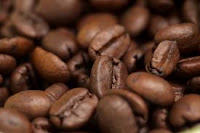
Image 1: Already in "pill form" - Coffee beans
Caffeine, the world's #1 drug certainly is a remarkable substance. It does not only have myriads of well-established physiological effects, already, but it seems that - if you wanted to - you could identify another one everyday. It is thus not really surprising that a recently published study by Abd El-Ghany, M.A., Rasha, M. Nagib and Hagar, M. El-Saiyed from the Mansoura University in Egypt casts yet another, in this case, however, pretty scary light on the lifeblood of the average Starbucks junkie (El-Ghany. 2012).

Caffeine prevents weight gain - whohooo! Or not?

The scientists set out to investigate the differential effects the oral administration of 10mg/day of pure caffeine, or dose-equivalents from coffee, (black) tea, cacao and Nescafe (note: this is my understanding of the somewhat sloppy English translation of the methods) would have on the lipid levels of rats who had been pretreated with a lard-based high fat diet and CCl4 for three months. This treatment had elucidated the expected inflammatory response and fatty acid deposition in the livers of the animals that were then randomly assigned to either one of the 5 treatment or a non-treated control group.
Figure 1: Weight gain (relative to initial weight) and food intake in non-treated, caffeine, cacao, Nescafe, coffee, or black tea treated rodent model of NAFLD (data adapted from El-Ghany. 2012)
And when you peak at the study outcome in figure 1 I would bet that your first reaction is: "Hey, cool! I must ramp up my caffeine intake even more, then!" We are in fact so conditioned to believe that weight loss, or the absence of weight gain is a "good thing" that I made the same stupid mistake, when I first looked at the (in the study) tabular data of the El-Ghany study. Then, I began to wonder: "How come that coffee and cacoa, of which I have repeatedly read that they help with weight loss, did increase the weight gain to levels that were higher than those in the non-treated control group." Finally, it dawned on me: What we are dealing with, here, is not weight loss or ameliorated weight gain, what we are seeing in all the groups is more of a special form of "failure to thrive"! After all, the non-CCL4 treated 'real' control group (data not shown in figure 1) did gain 45% of their initial body weight and thus still 15% more than the coffee group, of which I was mislead to believe that they "performed" worst.

High dose caffeine is for NAFLD sufferers not!

Looking at the rest of the data it became increasingly clear, the whopping dose of 10mg of caffeine per rodent per day, a dose, by the way, which happens to translates into a human equivalent dose of 10mg/kg (i.e. 800mg for an 80kg adult), did a pretty decent job in liberating fatty acids from the adipose tissue. So "decent", in fact, that the already compromised weight gain in those sick creatures was further attenuated.
Figure 2. Lipid levels in the treatment groups expressed relative to non-treated NAFLD rodents (left); selected liver slices (right; based on El-Ghany. 2012)
But it gets even worse, the sudden influx of fatty acids from the adipose tissue was so overwhelming that the already damaged livers of the NAFLD rodents started to spill out copious amounts of very low density lipoprotein (VLDL) - those nasty little cholesterol molecules of which researchers believe that they are the cause of cardiovascular disease. And despite the fact that we do not have any tissue images of the heart, the congested vein in the liver slice from one of the caffeine guzzling rodents appears to confirm the causal relationship of VLDL and clogging of the blood vessels; an effect, by the way, which could neither be countered by the -71% reduction in triglyceride levels, nor the -44% reduction in total lipids (compared to non-treated NAFLD control). 
Figure 3: Total cholesterol (CHO) and LDLc to HDL-c ratios in the non-treated, as well as the treated groups expressed relative to non-NAFLD control (data calculated based on El-Ghany. 2012)
In a 1985 letter to the editor of the Journal of the American Medical Association (Jama) William and Simpson explain the sudden occurrence of enormous amounts of VDLD in response to the lipolytic (=fat liberating) effects of caffeine as follows:
Upon liberation from the adipocyte, fatty acids are transported to the liver, where they are reesterified and the resultant triglycerides packaged for release in very-low-density lipoprotein (VLDL), which also contains apolipoprotein B.
If we assume that this hypothesis is correct, coffee, cacao and even Nescafe must obviously contain substances which help the liver to cope with the additional influx of fatty acids, as the animals in the respective groups do not only have significantly lower VLDL levels than the poor critters in the caffeine group, but also exhibit the most beneficial total cholesterol-to-HDL and LDL-to-HDL ratios (cf. figure 3) of all groups.

Say no to stims, energy drinks and coke and chose natural caffeine sources

In view of the ameliorative effects all the caffeine containing preparations had on the pathological features of NAFLD (cf. figure 2, right), and based on the results from previous studies and the assumption that the VLDL increase in the tea group was similarly well-handled in the rest of the body as it was in the liver, which did not present any of the congested veins that were so characteristic of the livers of the animals in the caffeine only group, the take home message of this study is one every SuppVersity student should be familiar with, by now: Nature knows best!
Image 2: I don't have to tell you that the study at hand suggests that those sugary caffeine bombs people call "energy drink" could give many of their livers their quietus.
Note: If you live in Dallas County, it does take no more than three attempts to identify a neighbor, friend, someone from your family or simply a pedestrian being in the early stages of NAFLD. And given the fact that the 33.6% NAFD rate in Dallas County was measure in 2005 already (Szczepaniak. 2005), it is almost certain that your neighbors' liver, which may still have been comparably healthy in 2005 has caught meanwhile. The results of this study could thus have greater implications on public health than you may initially have thought and it clearly suggest that the use of high dose "fat burners" and / or pre-workout supplements, as well the regular consumption of caffeine and sugar laden "energy drinks" or even coke is absolutely contra-indicated; and that not just in the obese, but also in the insulin resistant normal weight, whose liver is often similarly clogged with fat as the one of his 200lbs heavier comrade in crime.
If the caffeine is ingested in the absence of its natural adjuvants bad things happen. If they remain where they belong, however, the same whopping dose of caffeine that makes things worse could actually turn into a decent "liver fat burner".

While Coffee, tea and cacao drinkers can thus breathe a sigh of relieve, the average stim junkie who is already squirreling caffeine laden, geranium (DMAA) intoxicated pre-workout supplements and fat burners for the days after the DMAA ban, should better watch his liver health. Otherwise it may well be that he or she will end as a "case study" in the library of the FDA - filed under "death by fulminant liver failure induced by geranium + caffeine containing pre-workout supplement" - btw. isn't it strange that the FEDs don't have such a case study for one of the commercially available energy drinks, or even plain Coke, already?

Energy Drinks Before Workout Make You Thirsty. Single HIIT Session Every 14 Days Maintains Fitness in the Off-Season. Postprandial Walk Decreases HbA1c by 5%. Cardio Before Weights Increases pAKT +87% Over Weights Alone

You simply cannot start "working out" too early - even if it's just child's play.
"Three for one!" No, I am not trying to sell you three bottles of "uberpotent" test-boosters for the rat of one. Three for one that's the SuppVersity Figure of the Week and it is the ratio of the decrease in breast cancer risk in women and the hours of physical activity per week during their adolescence.

According to a 2004 review by Lagerros, Hsieh and Hsieh, each additional* hour of weekly physical activity is associated with a -3% risk of developing breast cancer later in life (Lagerros. 2004)

Needless to say that the "additional" hours are in addition to the low physical activity in the laziest of the study participants, who had a 20% higher risk of developing breast cancer than their most active peers.

So what else do we have today? With this primer on the importance of physical activity esp. in the critical periods of your / your children's and grand-children's lives, let's delve right into a "special edition" of the Saturdaily "Short News" with a focus on a selection of very recent results from exercise-related studies.
  • Energy drink before a workout make you thirsty. don't enhance performance (Tanskanen. 2013) While the mantra of the "intra-workout" beverage producer that you need at least a small amount of carbohydrates to optimally absorb the added salts, a recent study from the University of Jyväskylä in Finland showed that the ingestion of both high- and low-carb (33g vs. 10g) caffeine-containing energy drinks before the workout resulted in a temporary increase in thirst compared to to both caffeinated (106mg, just as the two energy drinks) an non-caffeinated water.

    With +1kg Fat in 4 Weeks from less than 2 energy drinks/day, thirst may be the least problem you will have if you guzzle "energy drinks" (learn more).
    The fact that the increase in thirst was only transient, and decreased in the course of the 60min cycling exercise (60% VO2max) the healthy young adults had to perform, as well as the non-existent differences in hydration status between the groups do yet show that these effects were practically irrelevant. Incidentally, the latter has to be said for the promised / expected performance enhancing effects of energy drinks - with the relatively low amount of caffeine in the drinks, there were no significant differences between the the time the 10 participants cycled on an incremental test to exhaustion that followed the "steady-state-cardio" during each and every of the four testing days of this randomized, crossover study.
    Putting things into perspective: The fact that previous trials yielded different results, esp. wrt to the performance enhancing effects of caffeine, is probably attributable to a the low dosage of caffeine. Another very recent study by Ranchordas & Kenzie, for example has just confirmed that a compbination of 32g of carbs and 300mg of caffeine can "enhance some aspects of soccer-related fitness including acceleration, maximal velocity, 20-m sprint speed, speed-endurance, and lower RPE during repetitive sprints compared with CHO-only and PLA beverages." (Ranchordas. 2013)
 
  • Remember the "Iranian HIIT Solution" - 9% body fat in 12 weeks? Perfect evidence: HIIT is not for athletes, only.
    It does not take much to stay fit, a single every other week HIIT session is enough (Rønnestad. 2013) Right from the former Olympia "Metropolis" *rofl* Lillehammer comes a study which shows that trained athletes like semiprofessional soccer players can maintain their baseline fitness levels in the off-season by no more than a single HIIT session, which consisted of five bouts of 4 min running at 87–97% of age-predicted maximum heart rate, every other week.

    The overall loss in the distance the subjects covered during the 20-m shuttle run did obviously decline (-8% ± 6%), but the difference to the control group that performed the same HIIT sessions on a weekly basis was non-significantly different from the every-other-week group.Moreover, both groups maintain their VOmax over the whole six week study period.
    Bottom line: A little of HIIT can go a long way ... wait, this is almost the title of a previous SuppVersity post, i.e. "Some HIIT For Life & Less LISS For More! How to Burn 27,300 Kcal Extra W/out Losing a Single Extra Pound of Fat!", of which I would really suggest you read it now, in case you are still not convinced that a reasonably dosed amount of HIIT makes a valuable addition to almost every trainees regimen.
 
  • Hit the weights! If you want to do more than just increase your daily activity levels to lower your HbA1c, don't waste your time on the treadmill. Increase your daily activity level and lift weights! Three supervised resistance training sessions per week for 10 weeks have been shown in a 2009 study by Bweir to be significantly more effective in lowering the Hb1Ac levels than in adults with type II diabetes than an isoenergetic (=spending the same energy during the workout) treadmill exercise (Bweir. 2009).
    The postprandial stroll in the bark is an effective means to lower your HbA1c (Nygaard. 2013) While the former post on the conservation of the conditioning of a trained athletes by HIIT does confirm the notion that "aerobic exercise" in the original sense of the meaning, which would imply that you increase your body's exercise capacity (as evidenced by VO2max), another recently published study shows that metabolic benefits of exercise can be achieved with much lower intensities.

    At least in the in the South Asian immigrants with high risk of type 2 diabetes who participated in a recently conducted 12-week intervention, it took nothing but the figurative "walk in the park" (30min+ of physical activity of any sort) after a meal, to reduce their HbA1c levels - a marker of long(er) term glucose levels - by allegely relatively unimpressive, but statistically highly significant ~3% (p = 0.012). That the intervention in the course of which the average subject increased his / her daily activity by 40min compared to the control group did not yield any significant changes in body composition should yet be as evident as the fact that it was 100% side-effect free.
    Bottom line: It really depends on where you are and if you are a sedentary slob, even 40min of extra (light) activity a day can make a difference. After all, previous studies have shown that each 1% increase in HbA1c is associated with a 1% increase in cancer risk (data fro 25,476 patients with type 2 diabetes registered in the Swedish National Diabetes Register; cf. Miao Jonasson. 2012). 

  • Rodent study says: Cardio does not hamper anabolic signalling (Souza. 2013) While the comprehensive review by Wilson et al. you've read about here at the SuppVersity several times (e.g. April 2012, January 2013, etc.) found that there is a
    "significant negative relationships between frequency (-0.26 to -0.35) and duration (-0.29 to -0.75) of endurance training for hypertrophy, strength, and power." (Wilson. 2012)
    a very recent study from the Universidade de Sao Paulo would suggest that the negative influence of endurance training on the anabolic stimulus of restistance training is either
    1. species specific and occurs only in humans, but not in rodents,
    2. occurs only with chronic high volume trainging, or
    3. is at least not related to changes in the AMPK, TSC2, mTOR, or p70S6K1 ratios
    Now while each of the former is certainly possible, my best bet would be that the training volume, i.e. 5 sets of 10 reps on a "rodent leg trainer" and a 60min endurance workout on the treadmill, and the fact that the protocol was performed only once are the main reasons that the AMPK, TSC2, mTOR, or p70S6K1 ratios were identical.
    Doing cardio before strength workouts results in a higher testosterone:cortisol ratio after the workout (learn more)
    One thing is remarkable, however: The scientists observed a pretty remarkable +87% increase in Akt phosphorylated/total ratio that occurred 2h post only in those rodents who performed a 60min bouts of treadmill running before their leg workout. What? Yeah, that's actually what Carl and I have been talking about in the past - "pre-workout glycogen depleting cardio as intensity technique" (learn more)


So what's left to do now? Ah, yes of course. The best wishes for the weekend and a brief link-list for those of you who can't be without SuppVersity news for another 24h.
  • "Going Nuts On Berries: Ellagic Acid in Rasp- and Blueberries, Pecans, Walnut & Co Protects Against Visceral Obesity" - I hope you are not one of the guys who spits the tiny seeds of the raspberries out. That is not just disgusting, you would also spit away ~90% of their ellagic acid content (learn more).
    Do you stand right? Scientists investigate the influence of dynamic vs. static posture on leg stiffness and future risk of fall (read more)
  • Anabolic steroid use has distinct effects on tendons. Scientists speculate that the increased stiffness and higher modulus contribute to the frequent ruptures in chemical athletes (read more)
  • Oldie but goldie: Do you cook the creatine out of your steaks? A mid 20th century paper shows that cooking degrades creatine to creatinine (read more)
  • More walnut lovin' Despite the fact that you have to be careful with what you say about the health effects of walnuts, these days a group of reseachers does not fear the repressions from the FDA and says: "We found two novel mechanism that explain why walnuts are good for your heart!" (read more)
These and other news are already waiting for you on Facebook and you can bet that there will be at least half a dozen additional ones posted before the next official SuppVersity article will see the light of the day, tomorrow.

References:
  • Bweir S, Al-Jarrah M, Almalty AM, Maayah M, Smirnova IV, Novikova L, Stehno-Bittel L. Resistance exercise training lowers HbA1c more than aerobic training in adults with type 2 diabetes. Diabetol Metab Syndr. 2009 Dec 10;1:27. doi: 10.1186/1758-5996-1-27.
  • Miao Jonasson J, Cederholm J, Eliasson B, Zethelius B, Eeg-Olofsson K, Gudbjörnsdottir S. HbA1C and cancer risk in patients with type 2 diabetes--a nationwide population-based prospective cohort study in Sweden. PLoS One. 2012;7(6):e38784.
  • Nygaard H, Grindaker E, Rønnestad B, Holmboe-Ottesen G, Høstmark AT. Long-term effects of daily postmeal physical activity - Preliminary results.International Journal of Sport Nutrition and Exercise Metabolism,2013, 23, S1 -S15.
  • Ranchordas M, Kenzie J.Effect of carbohydrate only and carbohydrate plus caffeine co-ingestion on a battery of reliable soccer-specific tests. International Journal of Sport Nutrition and Exercise Metabolism,2013, 23, S1 -S15.
  • Rønnestad BR, Slettaløkken G. High-intensity interval training every second week maintains VO2max in soccer players. International Journal of Sport Nutrition and Exercise Metabolism,2013, 23, S1-S15.
  • Souza EO, Tricoli V, Bueno Junior C, Pereira MG, Brum PC, Oliveira EM, Roschel H, Aoki MS, Urginowitsch C. The acute effects of strength, endurance and concurrent exercises on the Akt/mTOR/p70S6K1 and AMPK signaling pathway responses in rat skeletal muscle. Braz J Med Biol Res. 2013 Apr 19:0.
  • Tanskanen M, Heikkinen T, Linnamo V. Effects of caffeine drinks on endurance performance, fluid balance, and subjective feelings. International Journal of Sport Nutrition and Exercise Metabolism,2013, 23, S1 -S15.
  • Wilson JM, Marin PJ, Rhea MR, Wilson SM, Loenneke JP, Anderson JC. Concurrent training: a meta-analysis examining interference of aerobic and resistance exercises. J Strength Cond Res. 2012 Aug;26(8):2293-307.