.

.
marylin monroe
Showing posts with label cancer. Show all posts

A "Question of Faith": Do Multivitamins, Antioxidants and Mineralsupplements Improve Your Quality of Life?

Image 1: Do you believe that you could solve this profound imbalance by randomly adding more people to both sides of the seesaw? No? Well, why are you taking a high-dose multivitamin then?
As the name of this website already implies, I am an outspoken believer in the usefulness of "supplements" (as in "to supplement" = to add to something, where it makes sense). There is however a particular group of "supplements", which is a real thorn in my side... Yes, I am talking about those one-size-fits-it-all-multivitamin-multimineral-multi-whatever products with "high quality ingredients" the ratios of which are based on either the "recommended dietary allowances" of the omniscient USDA (actually a way better name would be "random dietary allowances") or the even more idiotic maxime that "if some is good, then more is probably even better". These days every major supplement company has at least one of these formulas in their line-up and obvoiusly they all will claim that only their product will provide you "with all the vital nutrients you need".

Wtf!? How do those guys know which nutrients I need? 

Even if those formulas were perfectly balanced - which they certainly are not, because we simply don't know what the "perfect balance" is, yet - the chances that anyone of you, my educated, well-nourished whole-food eating readers, has a full-blown, all across the board nutrient deficiency that would be fixed by any of those products are probably one in a million. What is much more likely, though is that you have a small or (oftentimes due to "healthy supplements") profound nutrient imbalance.

Let's say you are an aspiring male fitness athlete and have been taking your ZMA religiously for years. At the same time you have heard that copper is not only bad for you, but that "we all" would get way too much copper in our diet, anyways. So you have been avoiding copper like a plague and ingesting 30mg of zinc from your ZMA everyday... now chances are that you have already set off the natural (and optimal) ratio of copper to zinc in your body. Let's say the optimal ratio was 1:12 (copper to zinc, and again - we do not even know what the optimal ratio would be). With your high zinc and low copper intake you are now at 1:20, i.e. 60% off! Now the nice guy from your local GNC convinces you that it would be prudent to add the brand new "Male Super-Power Vitamin" to you supplement regimen if you wanted to live a long and healthy life. Chances are that the guy who designed that product will also have heard that zinc is good for men and that we all get way too much copper (and even if he knew better, he will be aware that his formula won't sell if it does not follow conventional stupidity... ah, I mean wisdom). So, the product will have 200mcg of copper and 30mg of highly bioavailable zinc - I mean it's a "high quality product"! What is going to happen now? What? Right! The well-formulated product will exasperate you existing imbalance... Your multi does not do that? How come you think so?

"Ever since I take my multi, I have not become sick and feel way better!"

Right, you feel better... and you are not alone! In fact many of the 8112 participants in a well-controlled randomized, double-blind, placebo-controlled, primary human intervention trial which was conducted by a group of scientists from Paris (Briancon. 2011), also felt that the capsule with 120 mg vitamin C, 30 mg vitamin E, 6 mg beta-carotene, 100 µg selenium and 20mg zinc, they had been taking for 76 months(!) improved their overall well-being.
Warning! I suggest you don't continue reading the following paragraphs if you do feel that your vitamin product works and do not want to take the risk that it will stop working as soon as you have finished reading this blogpost ;-)
What is pretty strange, though, is that this effect did not depend on whether the subjects actually received the anti-oxidant + mineral combination, or not. Rather, the main determinant of the the results of the health-related quality of life (HRQoL) questionnaire in this sample of healthy French adults was whether the subjects, who, as it is right and proper for a "placebo-controlled" trial, obviously did not know whether they were ingesting a capsule with the active ingredients or the placebo (it had been established in a previous study that the two capsules were indistinguishable; cf. Hercberg. 1998), believed that they were in the active arm of the study (cf. figure 1, believers vs. non-believers):
Figure 1: Perceived effect on global health (VAS) in subjects who had "no idea" whether they received the active or the placebo treatment and subjects who thought they received the active ("believers") or placebo ("non-believers") treatment (data adapted from Briancon. 2011)
What is also interesting, is that women were slightly more susceptible to placebo effect than men (not to the nocebo effect though), although this difference did not reach statistical significance.

Multivitamins are like religion: Believe in it and it works!

A pros pos statistical significance, as far as the "real" markers of health and disease are concerned, the "key message" (I use the words of the scientists ;-) of the SU.VI.MAX was that "long-term supplementation with antioxidant vitamins and minerals has no effect on quality of life" - in other words, although there were not measurable improvements, the study did not provide further evidence for the hypothesis that long term supplementation with anti-oxidant supplements, selenium and vitamin E in particular, had any negative effect on objectively measurable health markers (if you want to read more about the flawed analysis of and biased media reports on the data from the SELECT trial, read my previous blogpost on this issue).
Image 2: Add a body made of animal products to this guy and you have all the nutrients you need ;-)
It should be mentioned here that in a previous analysis of other data from the same cohort, the scientists had found a small, but statistically significant decrease in cancer and all-cause mortality among the male study participants of the active arm of the SU.VI.MAX trial (Hercberg. 2004). So, while the quality of life did not improve, the miserable life of some of the male subjects was at least extended by a few years ;-) All sarcastic jokes aside, even the scientists realize that in the presence of conflicting evidence, the "major implication for public health of the present findings is that a lifelong diet rich enough in vitamins and min-erals may be preferable to supplementation that is likely not to be efficacious and has the potential to be harmful." - sound advice!
Those of you for whom this is not the first visit, here at the SuppVersity, will be aware, that, as a trained scientist, I don't content myself with the conclusions my "colleagues" (from another branch of science) draw. Therefore, I dug a little deeper into the actual data that comes with the study and - alas! - I was able to find a statistically significant (p<0.014) increase in the reported "vitality" among the women who actually received the vitamin + mineral supplement (cf. figure 2):
Figure 2: Real (difference between treatment and placebo) and perceived (difference between "believers" and "non-believers") of antioxidant + mineral supplement (data calculated based on  Briancon. 2011)
What is strange though, is that of all statistically significant differences between women who believed they received the supplement and those who did not, just this one is the least distinct. Moreover, in all the other variables, where there was a statistically significant difference between believers and non-believers, the "real" data (meaning the comparison of subjects who actually received the treatment vs. the placebo group) could not confirm the positive self-assessment of the believers. Among the male subjects, there was even a trend toward reduced quality of life measures in the real data, where the "believers" thought that it was the "supplement" they were taking that soothed their bodily pain, improved their general health or overall physical performance (physical summary scale).

So what? Am I wasting my money?

These additional observations do yet not falsify any of the three main conclusions, Serge Briacon and his five colleagues from Nancy University, the Metz University, the University Paris Descartes, the University hospital of Nancy and the French Department of Public Health draw based on their interpretation of the data:
  1. [t]here is no proof that supplementation with these vitamins and minerals is beneficial in participants whose dietary intakes are already sufficient
     
  2. [t]he perception that supplementation improves general well-being is not supported by this trial.
     
  3. [a] reverse causal pathway may even be advocated (healthier participants may have been more likely to believe they were in the supplement group).
What this means for you is that if your multivitamin "works", chances are that you are doing something right as far as your general lifestyle, your diet and your exercise regimen are concerned. If despite taking your multi religiously, you still feel miserable, you better take a closer look at what your real problems are instead of switching from one band-aid-fits-it-all "solution" to the next one.

Forskolin: Friend or Foe? Stories and Studies About Fat Loss, Lean Gains, Topical Cellulite Treatment, Testosterone, Cancer, Hepatotoxicity, Drug Interactions & More

There is a single human study that would suggest that forskolin would make you get closer to this classic physique w/out tons of salad (who said that's necessary anyway?).
Since Maxim asked in one of his more recent comments about the usefulness and/or downsides of forskolin, I dediced to dedicate this Sunday (finally again?) to answering a user question and am going to briefly sum up some older and the few novel findings on forskolin I am aware of.

For those of you who find that boring: Don't blame Maxim alone, another reason for this decision was that I have seen discussions on forskolin resurface elsewhere on the Internet. By the way, I write re-surfaced, because forskolin has once been hailed as a testbooster and fat loss adjuvant, but as the prices increased and people came out with faked or low-quality products that did not yield results, the market collapsed.

What is forskolin and where does it originate from?

As usually there is more than a single answer to this question. The most straight forward general ones are probably (a) it is a white to white with yellow cast powder, or (b) a labdane diterpenoid with antihypertensive, positive inotropic, platelet aggregation inhibitory and adenylate cyclase activating properties. Moreover, forskolin is able to activate the adenylate cyclase and thus increase the intracellular cyclic AMP levels in most tissues and cells. And hat  it's called forskolin, because it is derived from the Indiant plan Coleus forskohlii is probably something 99% of you knew already.

The reason I suppose that Maxim got interested in it, is that it is commonly used in cell studies to raise the levels of cyclic AMP (cAMP; cf. Alasbahi. 2012) and did a pretty impressive job in the recently discussed PGC-1a study. On the other hand, it did also increase the expression of the aromatase enzyme in the Yang study mentioned in the "Natural Sildenafil & Testosterone Alternative" post on which Maxim replied with the initially mentioned comment.

"Wait, wasn't it supposed to be a testbooster and now it also inhibits myostatin and increases estrogen? What does this stuff not do?" - Well, forskolin is, above all, a cAMP modulator

Forskolins chemical structure. Sometimes it's also referred to as Colforsin; 7-beta-acetoxy-8, 13-epoxy-1-alpha, 6-beta, 9-alpha-trihydroxylabd-14-en-11-one; or Coleonol (img. from Sigma-Aldrich's product database)
I know that sounds confusing, but in essence forskolin does nothing but increasing cAMP levels in almost all types of cells. cAMP a breakdown product of ATP (=> cAMP => AMP) in turn is one of those molecules which exert most their effects as intracellular signal transducer. In that, it is involved in the activation of protein kinases and regulates the effects of adrenaline and glucagon. It also modulates the calcium channels and contributes to growth hormone release; unfortunately, cAMP has also been implicated in the proliferation of not very beneficial cell growth aka cancer. The same ion-flux mediation has recently been implicated in the etiology of ADHD, as well (Arnsten. 2012).

Still, it's not all about c-AMP. Probably cAMP unrelated downsides of coleus forkohlii are for example:
  • forskolin induces hepatic CYP2C enzymes and coleus forskohlii extract and thus attenuates the anticoagulant action of warfarin. (Yokotan. 2012) 
  • even more than isolated forskolin, coleus forskohlii  messes with the hepatic enzyme cascade (P450) and has even been shown to be hepatoxic in a study published in the July issue of the Journal of Toxicology (Virgona. 2012)
On the other hand there are a handful of benefits, e.g.
  • Figure 1: Effects of 12 weeks on 2x250mg (10%) forskolin on testosterone (free and total) and lean & fat mass (Godard. 2005)
    In a 2005 study (Godard. 2005), which caused quite a stir in the health and fitness community back then, Godard et al. observed profound beneficial effects of testosterone and body composition (cf. figure 1) after the ingestion of 2x250mg of a 10% standardized forskolin (Forslean).

    Now, the unfortunate truth is that the15 subjects (average age, BMI, and body fat percent were 24.4 +/- 5.9 years, 32.5 +/- 4.1 kg/m2 , and 35.2 +/- 8.3%) who had been randomized to the active arm of the study, and the 15 participants in the placebo arm (28.7 +/- 8.6 years, 32.6 +/- 3.8 kg/m2 , and 35.0 +/- 7.3%) were non-active sedentary overweight/obese (BMI 26 kg/m2 or more) individuals. Add the funding by Sabinsa (Forslean producer) to the equation and decide for yourself how relevant you think the results are going to be for you...
  • In several in-vitro studies, forskolin has been used as a positive control to compare the effects of other compounds on the testosterone release in leydig cells. Lin et al. for example used it in 2001 as a comparison for lactate and found a ~3x increase in testosterone release in incubated leydig cells (Lin. 2001). A similar study by Yu et al. showed that the addition of green tea catechins lead to an additional stimulation of forskolin induced testosterone production in cell cultures (Yu. 2010).
  • Figure 2: Results of 12-week intervention w/ forskolin containing topical cream (Roure. 2011)
    As part of a topical cosmetic slimming product combining tetrahydroxypropyl ethylenediamine, caffeine, carnitine, retinol and, obviously, forskolin it has shown some promise as a topical anti-cellulite and toning agent (Roure. 2011). The clinical study was however financed by Johnson & Johnson and I am not sure how much of the effects were actually brought about by forskolin (the placebo was a basic gel with the same texture containing mainly water, gelifying and preservative systems). So take the data in figure 2 with a grain of salt, ladies - I bet 12 weeks on this product are not going to be exactly inexpensive.
    • The administration of forskolin in conjunction with rutin (the glycoside between the flavonol quercetin and the disaccharide rutinose), vitamin B1 & B2 in a 2010 study by Pescosolido et. al. lead to a significant reduction in intra-ocular pressure in 15 glaucoma patients after 40 days (Pescosolido. 2010). Similar results were observed in a 2012 study for forskolin and rutin alone (Vetrugno. 2012)
    • An in-vitro study by Cristobal et al. provides first evidence for the ability of forskolin to restore PPA2 in acute myeloid leukemia. That would make it a potential candidate for the treatment of this type of cancer, but to my knowledge there is as of yet not even a rodent study that would support these in-vitro results. Moreover, previous studies have suggested that Forskolin may even favor the proliferation of other types of leukemia (Kobayashi. 1994)
        Time to weigh the "established" benefits and downsides

        Figure 3: Effect of different doses of forskolin with and w/out epinephrine on FFA release from rat adipocytes - watch out this is from yet another in-vitro study with rodent cells (Litosch. 1982)
         In view of the fact that the aforementioned study by Godard is the only human study is only backed up by in-vitro data from rodent studies (Litosch. 1982, cf. figure 3), the fat loss benefits are as  Jeukendrup et al. point out in their 2011 review of purported fat burners...
        "[...] promising, there is [yet] only one study at the present time and more work is required before forskolin can be recommended as a fat metabolism-enhancing substance." (Jeukendrup. 2011)
        If you add to this the host of wanted and unwanted, known and unknown side effects that occur in response to the coleus foskohlii induced cytochrome P450 modulation (e.g. the mice in the aforementioned study by Virgona lost some visceral fat, but the costs were increased fat deposition in the liver and elevated transaminase levels).

        With the questionable "fat loss" benefits (remember stress is also a powerful lypolitic and the problem is not to get the fat out of the cell, but rather to burn it), and the almost non-existant human data on the purported testosterone boosting effects, this should be reason enough not to buy more than one bottle for a test-run. After which I highly suggest to do some lab work to see if whatever good or bad you believe you are feeling is an actual boost in T (check T-levels) or hepatic side effects (check ALT, AST & ALP).

        Note (update in response to comments): As far as the hepatoxicity is concerned the suggested dosage of 2x 250mg coleus forskholii most supplements come with may be higher than the medium dose in the study by Virgona, but is still probably "liver save" if you double dose on that, you are however landing in the no-man's land (=not tested for) gray zone between the medium dosage and the "danger zone" of  ~49mg/kg per day (human dose equivalent) that was tested in the study. Don't freak out, if you did that in the past, the levels return to normal afterwards and temporarily elevated ALT + AST or ALP levels do not necessarily mean that your liver is whacked forever ;-)

        References:
        • Alasbahi RH, Melzig MF. Forskolin and derivatives as tools for studying the role of cAMP. Pharmazie. 2012 Jan;67(1):5-13.
        • Arnsten AF, Jin LE. Guanfacine for the treatment of cognitive disorders: a century of discoveries at Yale. Yale J Biol Med. 2012 Mar;85(1):45-58. Epub 2012 Mar 29.
        • Godard MP, Johnson BA, Richmond SR. Body composition and hormonal adaptations associated with forskolin consumption in overweight and obese men. Obes Res. 2005 Aug;13(8):1335-43. 
        • Jeukendrup AE, Randell R. Fat burners: nutrition supplements that increase fat metabolism. Obes Rev. 2011 Oct;12(10):841-51. 
        • Kobayashi K, Nishikawa M, Omay SB, Toyoda H, Deguchi K, Shirakawa S. Forskolin potentiates G-CSF-induced proliferation of a murine myeloblastic leukemia cell line. Leuk Res. 1994 Feb;18(2):111-7.
        • Lin H, Wang SW, Wang RY, Wang PS. Stimulatory effect of lactate on testosterone production by rat Leydig cells. J Cell Biochem. 2001 Jun 26-Jul 25;83(1):147-54.
        • Pescosolido N, Librando A. Oral administration of an association of forskolin, rutin and vitamins B1 and B2 potentiates the hypotonising effects of pharmacological treatments in POAG patients. Clin Ter. 2010;161(3):e81-5. 
        • Roure R, Oddos T, Rossi A, Vial F, Bertin C. Evaluation of the efficacy of a topical cosmetic slimming product combining tetrahydroxypropyl ethylenediamine, caffeine, carnitine, forskolin and retinol, In vitro, ex vivo and in vivo studies. Int J Cosmet Sci. 2011 Dec;33(6):519-26.
        • Vetrugno M, Uva MG, Russo V, Iester M, Ciancaglini M, Brusini P, Centofanti M, Rossetti LM. Oral administration of forskolin and rutin contributes to intraocular pressure control in primary open angle glaucoma patients under maximum tolerated medical therapy. J Ocul Pharmacol Ther. 2012 Oct;28(5):536-41.
        • Virgona N, Taki Y, Yamada S, Umegaki K. Dietary Coleus forskohlii extract generates dose-related hepatotoxicity in mice. J Appl Toxicol. 2012 Jun 22.
        • Yokotani K, Chiba T, Sato Y, Taki Y, Yamada S, Shinozuka K, Murata M, Umegaki K. Hepatic cytochrome P450 mediates interaction between warfarin and Coleus forskohlii extract in vivo and in vitro. J Pharm Pharmacol. 2012 Dec;64(12):1793-801.
        • Yu PL, Pu HF, Chen SY, Wang SW, Wang PS. Effects of catechin, epicatechin and epigallocatechin gallate on testosterone production in rat leydig cells. J Cell Biochem. 2010 May 15;110(2):333-42.

        Leucine, Citrulline or a Non-Essential Amino Acid Mix - Which Amino Acid(s) are Most Effective in Preventing Muscle Loss During an 18h (Intermittent) Fast?

        Image 1: If Chris, "the Techician", Aceto's usually well-informed sources are right and the former Mr Olympia Jay Cutler is currently trying to lose muscle (I heard him say that on Heavy Muscle Radio), Cutler would be ill advised if he ingested ~20g of non-essential amino acids during and / or in-between extended fasts and hours of arduous low-intensity cardio sessions (img  MuscleTech)
        Those of you who followed the "Amino Acids for Super Humans" series I did earlier this year on Carl Lanore's Super Human Radio may remember the arginine < > citrulline < > ornitine cycle and how I tried to explain that, from a physiological perspective, arginine's role in ammonia detox is probably as, if not more important than its role in the production of nitric oxide. What most of you will probably have overheard, or, in the respective shownotes, over-read, was my reference to a 2006 study from the University of Paris, which was - at least to my knowledge - the first study to show that citrulline (much like leucine) increases protein synthesis and thusly reduces the loss of muscle protein in old malnourished rats (Osowska. 2006). As it is often the case with isolated study results like that, these observations have not gotten much attention within the research community, so that it is not very surprising that the latest information on citrulline's putative role in whole body protein homeostasis come from the same laboratory at the Sorbonne, as the previously cited ones.

        Citrulline vs. Leucine, and non-essential aminos as a control!?

        What is particularly interesting about these results, the scientists from the Département Biologie Expérimentale, Métabolique et Clinique at the Pharmaceutical Faculty of the venerable Université Paris Descartes published in the (btw. highly recommendable) Journal Amino Acids, is that they allow for a direct comparison of the magnitude and the mechanism the ingestion of citrulline, leucine or a mix of other non-essential amino acids has on the fractional protein synthesis in skeletal muscle tissue (Tibialis anterior) in a fasted state (18h food deprivation).
        Figure 1: Fractional protein synthesis (in %/h) in tibialis anterior muscle of fasted rats 50 minutes after administration of leucine, l-citrulline or isonitrogenous (to leucine) non-essential amino acids (data adapted from Plenier. 2011)
        To my own surprise the winner of the battle of the "protein anabolic amino acids" is neither the usual (leucine), nor the unusual suspect (citrulline), but rather the non-essential amino acid combo which consisted of 1.35g/kg of alanine, glycine, proline, histidine, asparagine and serine.

        Alanine, glycine, proline, histidine, asparagine, serine - Non-essential high potentials?

        Let's briefly put this surprising result into (a human) perspective: If we assume that you are on an extended intermittent fast, traveling or had - for whatever other reason - no access to food for 18h, then the ingestion of 0.22g/kg of a non-essential amino acid mixture (if you weigh 80kg that would be 17.5g), would induce a 9.37% greater increase in muscle protein synthesis than the same amount of leucine and a 16.67% greater increase than 23g of l-citrulline.
        Figure 1: Phosphorylation of Akt, s6K, 4EBP1 (left) and AMPK (right) 60min after administration of leucine, l-citrulline or isonitrogenous (to leucine) non-essential amino acids (data adapted from Plenier. 2011)
        If we combine the previous calculations with the data from the Western blot analyses of the PI3K/Akt, mTORC1, ERK1/2/MAPK pathways and AMP kinase component, it becomes even more obvious that this study provides further evidence against the current over-emphasis of l-leucine which is so prevalaent especially among the bodybuilding-oriented physical culturists. As I have pointed out in previous posts, here at the SuppVersity, pushing the "protein-anabolic gas-pedal" through the floor (=ingesting huge amounts of leucine on its own) makes no sense if your car has long run out of fuel (=there are no amino acids to synthesize).

        Against that background it is actually not very surprising that the protein synthesis in the fasted leucine group was reduced, although the phosphorylation of  p70S6K was identical and the one of 4EBP1 even greater (both indicate that the protein synthetic machinery was set into gear) than in the fed control. What is surprising, though, is the fact that the actual protein synthetic response in the leucine group fell 10% short of the one that was observed in the tibialis muscle of the rodents which receive an isonutrogenous amount of non-essential amino acids. After all, previous studies have suggested that the induction of measurable increases in protein synthesis was an exclusive property only branched chain (BCAA) or essential (EAA) amino acid mixtures would posses. Methodological differences in the design of respective studies aside, Servane Lé Plenier and his colleagues suggest the following two possible explanations for the surprising effects the alanine, glycine, proline, histidin, asparagine and serine combo exhibited on skeletal muscle protein synthesis in the fasted state:
        [firstly,] in the fasted state, NEAA homeostasis is maintained by catabolism of essential amino acids (EAA) - alanine, for example, is produced in muscle from LEU and pyruvate - and limited EAA availability affects MPS since it is well known that a deficiency in one amino acids may be a limiting step for protein synthesis. Hence, in the fasted state, NEAA administration could spare EAA utilization and thereby preserve MPS.

        [secondly,] one or more amino acids in the NEAA mixture could display specific anabolic properties. For example, alanine has been shown to stimulate liver protein synthesis in starved rats (Perez-Sala. 1987), but to the best of our knowledge this effect has not been shown in muscle. Similarly, proline and glycine may possess pharmacological properties that could indirectly modulate protein synthesis.
        Personally, I don't believe that any of the non-essential amino acids (NE-AA) in the NE-AA formula actually had an individual effect on protein synthesis beyond its ability to spare essential amino acids and its availability as a substrate for inter-organ amino acid transfer (especially for alanine and asparagine, which are transaminated in the liver, this could be an important factor). So that the practical implications of this study should be clear: if you want to minimize muscle loss during a(n) (intermittent) fast, you better have some non-essential amino acids with your leucine!

        One question answered, 999 new ones raised

        Image 2: If you have read all Intermittent Thoughts articles which dealt with the AMPK/mTOR Metabolic Seesaw and the respective follow-ups, you will probably already have noticed that the ingestion of non-essential amino acids had the least impact on the fasting-induced increase in AMPK-phosphorylation of all three treatments. And I guess I don't have to tell you that this is good news for all intermittent fasters out there - spare the muscle, improve your health and burn the fat, what more can you as for?
        Unfortunately, this study leaves us with way more questions than answers. I personally, for example would venture the guess that the ingestion of a complete EAA product would result in an even more profound amelioration of the fasting induced reduction in fractional protein synthesis. That being said, the latter could also compromise another advantage of the non-essential amino acids, I have not even mentioned, yet: their almost non-existent effect on intra-muscular AMPK-expression (cf. figure 2, right). If you read all Intermittent Thoughts articles which dealt with the AMPK/mTOR Metabolic Seesaw and the respective follow-ups, you will be familiar with notion that the fasting-induced phosphorylation of intra-muscular AMPK is responsible for the majority of the health, as well as the closely related fat-burning effects of (intermittent) fasting. Now, if the ingestion of a ~20g bolus of alanine, glycine, proline, histidine, asparagine and serine could increase your skeletal muscle protein synthesis back to almost normal levels (NE-AA -12.5% vs. leucine-only -20%), while keeping the AMPK-alpha levels maxed out (cf. figure 2, right), it would at least warrant an experiment before we totally discard the possibility that, under certain circumstances, such as the fasting window of an intermittent fast, the oftentimes disregarded "non-essential amino acids" could perhaps be more than just a band-aid when you have run out of essential ones.

        Whether there will be a place for citrulline in particular is questionable, though. With the least effect on protein synthesis and the greatest impact on AMPK, it would de facto be a "band-aid" solution, for everyone who fasts, deliberately. In other contexts, however, l-citrulline supplementation could well have its merits. In cancer patients it could for example be used to ameliorate muscle loss without triggering the pro-carcinogenic (Garcia-Maceira. 2009), but I guess this would be the topic of another study and another blogpost, here at the SuppVersity ;-)

        Physical & Cognitive Exercise Are Similarly Effective DNA Protectors & Antioxidant Boosters in Elderly Men & Women

        Brain builders and muscle builders are similarly effective DNA protectors in the elderly.
        As a SuppVersity reader you won't be surprised to hear that Bernhard Franzke and his colleagues from the University of Vienna were able to confirm that resistance training can improve the resistance of human DNA to H2O2 damage in institutionalised elderly. What may be news to you, though, is that very similar effects can be achieved by cognitive training in form of coordinative or cognitive tasks that were performed only two times per week by the 105 institutionalised elderly women and men (aged 65–98 years) the scientists recruited from five different senior residences in the area of Vienna (Franzke. 2014).
        DNA damage is obviously important, maintaining optimal lean mass levels is important, too

        Tri- or Multi-Set Training for Body Recomp.?

        Alternating Squat & Blood Pressure - Productive?

        Pre-Exhaustion Exhausts Your Growth Potential

        Full ROM ➯ Full Gains - Form Counts!

        Battle the Rope to Get Ripped & Strong

        Study Indicates Cut the Volume Make the Gains!
        In the recent Austrian study, the subjects had been randomized to three groups. The previously described cognitive training group, which also served as a "control", as well as two resistance training groups.
        "The RT groups (RT and RTS) performed two sessions of RT per week, supervised by a sport scientist, conducted on two non-consecutive days. Training attendance was recorded every session. The only equipment used was exercise bands and a chair. [...] The main part consisted of 10 exercises for the main muscle groups (legs, back, abdomen, chest, shoulder and arms). One training session started with 10 min of warm-up, continued with 30–40 min of strength training and ended with a 10-min cool-down. To keep the training stimulus high enough, the exercise program was adjusted to the participants’ individual needs, by either adapting the resistance of the elastic band (shorter or stronger band) or by modifying the exercise, by means of performing a more diffiult version. In the initial phase (4 weeks) one set of 15 repetitions was performed in order to learn the correct form of each exercise. From the fifth week on, the intensity and volume were progressively increased from two sets of light exercises to two sets of heavy resistance. If the participants could easily perform two sets of 15 repetitions they were told either to take more resistance or to perform a more difficult version of the exercise" (Franzke. 2014).
        In contrast to the RT group, which did "nothing", but the previously described resistance training regimen, the subjects in the RTS group consumed a multi-ingredient supplement every morning, as well as directly after each training session. Said supplement consisted of 20.7g protein [56 energy (En) %, 19.7g whey protein, 3 g leucine, >10 g essential amino acids], 9.3 g carbohydrates (25 En%, 0.8 BE); 3.0 g fat (18 En%), 1.2 g roughage (2 En%), 800 IU (20 μg) of vitamin D, 250 mg calcium, vitamins C, E, B6 and B12, folic acid and magnesium (one portion FortiFit, Nutricia with a total energy content per drink of only 150 kcal).
        Figure 1: Changes in parameters of DNA damage and antioxidant enzyme expression (Franzke. 2014).
        In spite of the fact that the intake of the nutritional supplement was controlled at breakfast as well as after the training sessions, it did not provide significant additional benefits on top of the regular resistance training protocol.

        We should keep in mind, though, that (a) non-significant benefits were visible for the formamidopyrimidine DNA glycosylase (FPG) and the expression of superoxide dismutase and that (b) the actual benefits of protein supplements would have become visible only if the scientists had accessed the changes in body composition, as well.
        Maximal protein synthesis - How much protein do the elderly need? Find out in a previous SV article.
        Bottom line: If you don't have a present for your grandpa or grandma, yet, I suggest you craft a voucher for 2 weekly resistance training and cognitive training sessions with yourself as a trainer and buy a tub of protein to round your present off...

        All Christmas jokes aside, the study at hand simply confirms what the proverb "a rolling stone gathers no moss" implies. Exercise, no matter whether it's cognitive or physical exercise, protects aging men and women from pro-cancerous DNA damage and ensures that can maintain "a sound mind in a sane body" | Comment on Facebook!
        References:
        • Franzke, B. et al. "The impact of six months strength training, nutritional supplementation or cognitive training on DNA damage in institutionalised elderly." Mutagenesis (2015):147–153.

        Artificial Sweeteners & Liver Cancer - Is There a Link? 6% Increased Risk of Hepatocellular Carcinoma per 330ml of Artificially Sweetened Soft Drink in Human Study

        Are we "pouring liver cancer", when we consume soft drinks regularly? Recent data from the EPIC study appears to suggest just that - specifically if the soft drinks are artificially sweetened.
        I certainly don't belong to the anti-sweetener faction on the Internet, but the results scientists from the International Agency for Research on Cancer, the University Paris Sud, the Institut Gustave Roussy and the Centre for Research in Epidemiology and Population Health (CESP) in France, the Winship Cancer Institute in Atlanta, the Hellenic Health Foundation and the University of Athens Medical School in Greece, the Harvard School of Public Health in Boston, Aarhus University and the Danish Cancer Society Research Center in Denmark and the Cancer Council Victoria and the University of Melbourne in Australia in the latest issue of the European Journal of Nutrition are serious enough to not to discard them as another unwarranted horror-story of the anti-sweetener lobby (Stepien. 2014).
        You can learn more about sweeteners at the SuppVersity

        Unsatiating Truth About Artif. Sweeteners?

        Will Artificial Sweeteners Spike Insulin?

        Sweeteners & the Gut Microbiome Each is Diff.

        Sweeter Than Your Tongue Allows!

        Stevia, the Healthy Sweetener?

        Sweeteners In- crease Sweet- ness Threshold
        The aim of the study was to assess associations between intake of combined soft drinks (sugar sweetened and artifiially sweetened) and fruit and vegetable juices and the risk of hepatocellular carcinoma (HCC), intrahepatic bile duct (IHBC) and biliary tract cancers (GBTC) using data from the European Prospective Investigation into Cancer and Nutrition cohort of 477,206 participants from 10 European countries.

        After 11.4 years of follow-up, 191 HCC, 66 IHBC and 236 GBTC cases were identified. Hazard ratios and 95 % confidence intervals (HR; 95 % CI) were estimated with Cox regression models with multivariable adjustment (baseline total energy intake, alcohol consumption and intake pattern, body mass index, physical activity level of educational attainment and self-reported diabetes status).
        Don't be fooled by the size and name of the EPIC cohort! For the laypress the large cohort size will make this study appear as if the results must be God given. Personally, I am yet not impressed by scientists handing food frequency questionnaires out to almost half a million people (65%-68% correlation with what the people actually eat | Streppel. 2013), but it obviously blurs the errors. Personally, I still wouldn't take this as a complementary ticket for the exuberant consumption of artificially sweetened soft drinks.
        As the researchers rightly point out, this makes the study at hand one of the few to study the possible link between soft drink consumption and cancers of the liver and biliary tract, which could - "[g]iven the rising consumption of sweetened non-alcoholic beverages and their likely link to several metabolic disorders that play a role in the development of these cancers" (Stepien. 2014) - be a major contributor to the ever-increasing number of liver carcinoma.
        Figure 1: HR (95 % CI) for HCC by categories of soft drink and juice consumption compared to non-consumers in the EPIC cohort | % above the bar indicate risk increase / decrease - all trends are significant, but only the risk increase in the highest consumption group reaches individual significance (Stepien. 2014).
        As you can see in Figure 1 (risk increase in % is sign. only for the high consumption), the scientist found a general link between soft drink consumption and hepatocellular carcinoma risk: +83% risk increase for those who consume soft drinks habitually (= more than 6 drinks per week) and +38% for the "juicers" (people who consume fruit and vegetable juices on a daily basis) - those are quite impressive numbers, even if there was no link to any of the other forms of cancer the scientists investigated.
        A 6% risk increase does not equate a risk of 6%! I just realized on Facebook that people are still misinterpreting risk increases as absolute risks. If you have a risk increase of 6% of a crude baseline risk of 101/476968 [number of cancer patients / number of subjects] = 0.021%, a 6% risk increase will bring you up to a risk of 0.024% which means that 2.24 people out of 10,000 are at risk of developing hepatocellular cancer. This is not an exact calculation, obviously, because I don't have all the data to do it properly, but it gives you an estimate of the absolute risk, which is minimal!
        In view of the previously cited way in which the consumption of these drinks contributes to the metabolic disorders that "play a role in the development of these cancers" (Stepien. 2014 | I would even say they trigger them), it is yet not half as surprising as the results of the scientists' sub-group analysis. In spite of that, the data Stepien et al. generated suggests that it's not the consumption of the "bad" + obesogenic sugary version of the drinks which shows an incremental risk increase of +6% for heaptocellular carcinoma on a per serving base, but its artificially sweetened cousins!
        Figure 2: Spline regression models for the intake of soft drinks (left) and juices (right) in relation hepatocellular carcinoma risk. Reference 0 mL/ week. Knots correspond to 10th, 25th, 50th, 75th and 90th percentile of intake. The maximum corresponds to the 99th percentile. Solid lines- HR, dashed lines- 95 % CI (Stepien. 2014).
        While the data from the spline regression models in Figure 2 clearly indicates that every 330ml serving of soft drinks (+21% in the crude and +22% in the fully adjusted model), and for every 200ml of juices (+3% in the crude model, but no association in the fully adjusted model) was associated with a significant increase in hepatocellular carcinoma risk in this cohort, the difference between artificially sweetened and sugar sweetened soft-drinks surfaced only in a subsequent sub-group analysis:
        "In additional analyses by the type of drinks (sugar-sweet ened vs. artificially sweetened), each additional serving of artificially sweetened soft drink was positively associated with HCC risk (HR 1.06, 95 % CI 1.03–1.09, n_cases = 101), while for sugar-sweetened soft drinks, this association was null (HR 1.00, 95 % CI 0.95–1.06, n_cases = 127). The difference between both estimates was borderline significant (p_heterogeneity = 0.07)." (Stepien. 2014)
        No such difference was observed for sex, BMI category, alcohol intake pattern, nor the categories of juices (i.e. apple or other fruit juices were not worse than vegetable juice).
        Before you panic, you should take into consideration that as large as the total cohort may have been the number of cases of hepatocellular carcinoma in the regular and artificially sweetened soft drink drinkers was N=127 and N=101, respectively. That's not just not half as impressive as the total number of participants (N = 477,206); it also raises the question how reliable the results actually is.

        This is particularly true in view of the fact that Previously reported findings from the EPIC cohort have shown that high sugar intakes are positively significantly associated with HCC risk. A result which contradicts the link non-existing link between sugar sweetened beverage (SSB) intake and hepatocelular carcinoma in the study at hand and put another question-mark behind the results of the subgroup analysis.

        I wrote only recently about the results of a rodent study by Suez et al. which may trace the increased HCC risk with artificial sweetener consumption back to unwanted changes in the gut microbime | read more
        They stand in line, however, with the results presented by Schlesinger et al. (2013) and Romaguera et al. (2013) who found an association between artificially sweetened soft drinks and diabetes risk in their analysis of the EPIC data from France and, in this case more importantly, the results Suez et al. published in Nature recently (Suez. 2014). In said study, about which I also wrote about on the SuppVersity (read more), the researchers found that the consumption of non-caloric artificial sweeteners affects the intestinal microbiota composition in a way that leads to the development of glucose intolerance and could eventually also be responsible for the observations Stepien et al. made when they correlated the intake of artificially sweetened beverages of the 101 HCC patients in their with the intake of the 476978 "healthy" (=HCC-free) study participants.

        Overall, I would still say that more research has to be done before we can safely say that the consumption of high amounts of artificially sweetened soft drinks, let alone the consumption of artificial sweeteners, in general, will put you at a significantly increased risk of developing hepatocellular cancer. An absolute risk, by the way, of which my elaborations in the 2nd red box tell you that it is still far below 0.03% | Comment of Facebook!
        References: 
        • Romaguera, D., et al. "Consumption of sweet beverages and type 2 diabetes incidence in European adults: results from EPIC-InterAct." Diabetologia 56.7 (2013): 1520-1530.
        • Schlesinger, S., et al. "Diabetes mellitus, insulin treatment, diabetes duration, and risk of biliary tract cancer and hepatocellular carcinoma in a European cohort." Annals of oncology 24.9 (2013): 2449-2455.
        • Stepien, et al. "Consumption of soft drinks and juices and risk of liver and biliary tract cancers in a European cohort." Eur J Nutr (2014). Ahead of print. 
        • Streppel, Martinette T., et al. "Relative validity of the food frequency questionnaire used to assess dietary intake in the Leiden Longevity Study." Nutr J 12 (2013): 75. 
        • Suez, Jotham, et al. "Artificial sweeteners induce glucose intolerance by altering the gut microbiota." Nature 514.7521 (2014): 181-186.

        CLnA, the "Omega-3 Variety" of CLA from Pomegranate & Co, Has Potent Anti-Obesity Effects and the Potential to Become More Than Just Another Anti-Diabetes Drug.

        Image 1: Pomegranate - I loved to eat them even before I realized that their seeds are the #1 dietary source (83%) of punic acid.
        While more and more people are beginning to grasp the notion that with (naturally occurring) fats - as with everything else in life - there is no simple "good" and "bad", no clearcut "black" and "white" and no definite "beneficial" and "detrimental". The number of different fatty acids and their respective effects on the human metabolism is so vast that it is pretty hard to keep track of all those varieties of saturated and unsaturated carboxylic acids. I would thusly not be surprised if you simply assumed that the "n" in the headline of this blogpost was a type that had slipped in because poor Dr.Andro is chronically stressed from Christmas shopping... well, while the latter is actually correct, the former is not: CLnA is actually the omega-3 variety of the famous conjugated linoic acid (CLA), which in and out of itself is not a single but a group of 28 different trans- and cis-isomers that occur in our diet mainly in the shape of high and full-fat meat and dairy products.

        CLnA - Conjugated Linolenic Acid is not a typo ;-)

        Within the last couple of years even the medical establishment has come to realize that the chronic omega-6 (n6: linolic acid) overload in our diet is killing us. The "heart-healthy" PUFAs have now become the more and less heart-healthy PUFAs with the totally healthy *rofl* omega-3s and the not just as healthy omega-6s - both, of course, still totally "essential" and WAY better than saturated fats,... (attention: the afore statements are full or irony! Saturated fats are of course NOT the bad guys. Sorry, David if that lead to confusion)... but I am getting derailed, here. So let's get to the point. What every reasonable person appears to agree on, these days, is that we have to lower the ratio of n6:n3 fatty acids in our diets. Now, I am asking you: Has it ever occured to you that CLA essentially is an omega-6 fatty acid? I mean its conjugated linoleic acid - "linoleic" as in omega 6 = linoleic acid! Probably not, right? The reason for that is yet (hopefully ;-) not that you are dump, but simply that the existence of an omega-3 "variety of CLA", namely conjugated linolenic acid, or short, CLnA, is something about which you will only hear, when you read blogs (such as the SuppVersity ;-), which do not stick to copying, pasting and commenting the stuff the authors have read on one of the major news-portals.
        Table 1: CLnA isomer content in natural sources (data adapted from Hennesey. 2011)
        From a molecular perspective,  CLnA isomers combine the conjugated double bond system of the classic conjugated linolic acid, you know, with the octadecatrienoic fatty acid (C18:3) structure of omega-3s, i.e. linolenic acid. Interestingly, this make-up confers these fatty acids with a high bio-active potential. Now, while this may sound like one of the frankenfood test-tube results of the gene-technology laboratories of Monsanto, we know at least 10 CLnA isomers which occur naturally in foodstuff or as byproduct of fermention processes (cf. table 1).

        Adiposity, hyperlipidemia, cancer - CLnAs could help with all!

        Image 2: Even if CLnAs would just prevent obesity, this illustration I borrowed from multiplemyelomalifeexpectancy.tk, shows that not being / getting obese alone would prevent a plethora of related maladies. Such as kidney failure, arthritis, gallbladder disease, infertility, asthma, fatty liver disease, sleep apnoea, depression, heart disease, hyperlipidemia, diabetes,... basically every major ailment the increasingly obese convenience society of the Western hemisphere is suffering from.
        Due to their anti-adipogenic (meaning preventing the accumulation of body fat) effects CLnA fatty acids have been investigated as potential candidates for the treatment of the obesity epidemic for quite some time, now (Hennesey. 2011). In a 2002 article that was published in the Journal of Applied Biochemistry and Biotechnology, Nishimura et al. report that CLnA isomers exert apoptotic effects on mouse preadipocyte 3T3-L1 cell - or, in plain English, incubation with CLnA did not only hinder the "pubertal" fat cells from becoming mature adipocytes, it actually killed them. In vivo studies with rodents, such as Arao et al. (2004), where the administration of a diet that was enriched with 1% pomegrenate seed oil lead to a 27% reductin in omental white adipose tissue, were able to confirm the "rodent-real world signficance" of these test-tube results.

        Other studies showed a normalization of hyperlipidemia in rodent models of the metabolic syndrome and a hand full of studies have explored the usage of CLnA isomers as cytotoxins in the treatment of cancer. In their concise review of the literature, Hennesey, et al. thusly rightly conclude that with their "potent inflammatory and immune modulating properties", their ability to "reduce the risk of obesity, improve cardiovascular health, and mediate strong anti-carcinogenic activity", the use of CLnA isomers or dietary enrichments could offer treatment strategies for pathologies, which "represent some of the greatest mortality risks to humans in the Western world and have been inextricably linked with diet" (Hennesey. 2011).

        Adding diabetes to the list of potential targets for CLnA

        For today, we are however going to focus on the most recent result from the research front: The effects of CLnAs on diabetes, or, to be precise, the increases in blood glucose, and decreases in anti-oxidant capacity that go hand in hand with the latter. In a recently published study (Saha. 2011), Siddhartha S. Saha and Mahua Ghosh from the Department of Chemical Technology at the University College of Science and Technology of the University of Calcutta (I don't have to tell you that this is in India, do I?) injected male albino lab rats with 60mg/kg streptozotocin (STZ) - this is a common and well-established method to induce a metabolic state that serves as a model of type II diabetes - and fed them diets that contained either no, or 0.5% of the total fat in the form of alpha-eleostearic acid (from bitter gourd, cf. table 1) or punic acid (which was in this case taken from snake gourd oil, but could as well have been extracted from the eponymous pomegrenate, cf. table 1).
        Figure 1: Relative blood glucose levels vs. non-STZ injected control in streptozotocin injected rats over the course of the dietary intervention (data calculated based on Saha. 2011)
        As you can see in figure 1, this 100% natural "food additive" had a more than pronounced effect on the +300% (vs. non STZ-injected control) elevated blood glucose levels of the "type-2 diabetic" rodents.
        Figure 2: Relative level of lipid peroxidation (left) and total antioxidant capacity (right) levels vs. non-STZ injected control in streptozotocin injected rats after the 28-day dietary intervention (data calculated based on Saha. 2011)
        And while the glucose levels were still 150% above those of the healthy control levels, the streptozotocin-induced lipid peroxidation in plasma, pancreas and erythrocytes of the lab animals was ameliorated by the snake gourd oil treatment (remember that is the stuff from pomegranate) and even reversed by the bitter gourd diet. Judged by the standardized FRAP assay, the "diabetic animals" that were fed a diet that contained 0.1% alpha-eleostearic acid (of the total diet, which had 20% fat) even exhibited a 10% greater total antioxidant capacity than the totally healthy control!
        Figure 3: Relative expression of inflammatory cytokines, TNF-alpha and interleukin 6 in plasma capacity (right) levels vs. non-STZ injected control in streptozotocin injected rats after the 28-day dietary intervention (data calculated based on Saha. 2011)
        Snake gourd oil, on the other hand, exhibited more profound effects on the elevated TNF-alpha, interleukin-6 and NF-kappaB levels of the STZ-treated rodents (cf. figure 2) and thus, at least this is my humble opinion, render punic acid the overall more promising agent with respect to the treatment of all sorts of inflammatory (or related diseases). After all, disturbances in the regulation of the nuclear factor kappa-light-chain-enhancer of activated B cells  (NF-kappaB) and the downstream over-expression of TNF-alpha and IL-6 are hallmark features of allmost all the aforementioned ailments of the increasingly obese western convenience society. This is also why I am quite certain that we are going to hear much more about the CLnAs in the month to come... and I guess, I don't have to tell you that right here, at the SuppVersity, is where you will read about respective studies first!

        A Fat D-Ficiency! Do You Really Need More Vitamin D or Simply More Fatty Foods? Study Shows, Even 50.000 IU of Vitamin D3 Useless, When You Ingest It Without Fat.

         Image 1: Fatty fish and organ meats aside, whole eggs and full-fat dairy are your best food choices to raise vitamin D levels - I would even venture the guess that they (combined with fish and organ meats) would make supplementation obsolete, even in the Nothern hemisphere (if you "load up" on sun in the summer).
        Those of you who have been following my daily blogposts, here at the SuppVersity for more than the last couple of days will be aware that I am one of the few outspoken vitamin D (-supplementation) skeptics. I am by no means doubting the scientific data which clearly indicates that low vitamin D levels (low in medical, not in "Internet blogosphere" terms) are associated with all sorts of diseases. I do not question the hypothesis that, from a biomolecular perspective, vitamin D has more of a hormone than of a "vitamin" (=essential nutrient). And I do not challenge the use of vitamin D(3) supplements by people with low or even borderline low vitamin D levels (although this blogpost may change the way you ingest them ;-). What I do yet call into question is the hilarious idea that every Joe and Jane in the Western hemisphere could benefit from taking "at least 2.000IU of vitamin D" per day.

        Re-thinking dietary (=supplemental) vitamin D

        Hitherto, the only Joes and Janes who have profoundly benefited from this one-(XL-)size-fits-it-all approach are the producers of respective supplements. Convincing scientific data from controlled studies which would show that the consumption of large amounts >1.000 IU of vitamin D capsule or pill form, exert any verifiable health benefit for someone with normal (or even low-normal) vitamin D levels is absent. The (remote?) possibility that there actually is no benefit, aside, there are yet a few other possible explanations why - epidemiological data aside - scientific evidence for the benefits of vitamin D3 supplementation in a non-vitamin-D-deficient cohort is still lacking:
          Image 2: Who would buy all those toxic, but expensive drugs, if it turned out that by taking a non-patentable "vitamin" the diseases they were invented for could be prevented?
        1. Lack of financial interest from the side of the pharma companies: Vitamin D is obviously non-patentable and if it could, as many people believe, prevent diabetes, stroke, heart disease and cancer, the use of respective supplements would obviously put the pharmaceutical industry out of business.

          Note
          : The pharmaceutical industry has already been trying to come up with patentable vitamin D analogues, of which they claim that they would lack the largely non-existent negative side-effects of the real vitamin - I guess, you can you tell which way the wind is blowing?!

          Financial revenue could thusly be a major factor, as it is obviously pretty costly to set up a tightly controlled, appropriately powered randomized, placebo-controlled study on healthy people. Even large scale epidemiological studies, on the other hand, can be done by a group of graduate students, by just plugging into respective databases and doing some more or less sophisticated statistical evaluations on existing data sets.

        2. Insufficient dosing or study periods that are simply too short to yield results: I have, in the past seen studies, even I, as a avowing skeptic, would not cite to underline my argument that we do not have enough scientific evidence that supplemental vitamin D is not the savior people may make you believe. I mean, if you assign a group of say 20 people to 400IU of vitamin D for 4 weeks and see no changes in a handful of pretty random markers of health and disease, this is unquestionably not an argument against the potential usefulness of vitamin D supplementation.

        3. Adding vitamin D3 supplements to a "healthy" low fat diet: Assuming that this point has immediately caught your eye, I want to encourage you to read the rest of this blogpost, as this, i.e. the necessity of adequate amounts of dietary fat, to absorb vitamin D3 is what the rest of this post will revolve around.
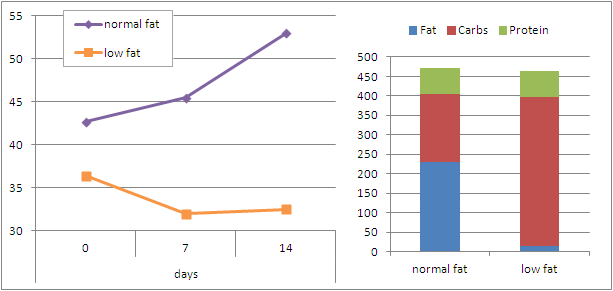
        Fatty fish, eggs, organ meats, full fat organic (raw) dairy products - all those good foods which have been banned from YourPlate (at least if it contains what the US government's MyPlate suggests is healthy) are not only high in vitamin D, they are also high in fat. Against that background and in view of the fact that our ancestors did not buy their vitamin D at the local health food store, it is only reasonable to assume that our digestive tract was designed to absorb the little additional vitamin D we are supposed to get from foodstuff (you know that I am a firm believer in the power of sunlight - even beyond vitamin D) in the presence of fat. And guess what, a recent study, which was obviously not published in the Journal of the American Medical Association (cf. 1. in the previous list of possible explanations for the lack of conclusive scientific evidence on the usefulness of vitamin D supplementation), shows exactly that: without the concomitant presence of significant amounts of dietary fat, even 50.000IU of supplemental vitamin D3 have no effect on the serum levels of 25(OH)D, the active form of vitamin D (Raimundo. 2011, cf. figure 1).
        Figure 1: 25(OH)D levels of 30 healthy men and women after ingestion of 50.000IU vitamin D3 supplement in conjunction with a normal or low fat breakfast (data calculated based on Raimundo. 2011)
        And, as the detailed macronutrient breakdown in figure 1 (right) shows, the "high fat" breakfast the 30 young (~27y), healthy, non-obese, vitamin-d sufficient men (n=12) and women (n=18) ingested with a 50.000IU vitamin D3 capsule in the morning after an overnight fast, did not even consist of eggs and bacon. It was comprised of whole milk, white bread with bologna, and vegetable oil margarine and the whole milk aside, probably not much healthier than the skim milk, white bread with fruit jelly, and fruit salad breakfast the low-fat group had to eat. The additional 23.9g of fat did nevertheless make a huge difference, as far as the absorption and subsequent utilization of the vitamin D3 supplement is concerned.

        No fat, no sun, no vitamin D - regardless of supplementation

        Image 3: Get your D from the sun, if you can!
        In view of the fact that the subjects were advised to "avoid sun exposure and changes in their usual eating pattern [which were probably low in dietary vitamin D] for the next two weeks", it is thusly hardly surprising that contrary to the "high fat" (I deliberately labeled it "normal fat" in figure 1 ;-) group, the subjects in the low fat breakfast group suffered a -11% decline in 25(OH)D serum levels over the 14-day follow up period, which other than the inter-group difference of 35% (!), did not reach statistical significance (mainly due to the small number of participants, where inter-subject variability renders even relatively profound differences "statistically non-significant").


        And while the scientists concede that the small scale of the study, the lack of detailed recordings of the subjects' dietary vitamin D intake in the course of the 14-day follow up period and the reliance on 25(OH)D level as single surrogate for serum vitamin D levels (remember that we are actually talking about a whole host of "vitamins D") are limitations of their study, Raimondo et al. are nevertheless right to conclude that their "findings can have important implications to define the adequate dietary intake of vitamin D"... implications, which may well go beyond the mere recomendation to take your vitamin D with fat. After all, increased absorption would mean decreased need for supplementation and who knows whether you could not easily satisfy your dietary vitamin D requirements without any supplements, if you just set the "low-to-no fat, no dangerous organ meats" dietary recommendations at naught?

        Sucralose, Carcinogen or Sweet Relief? Part III: DNA Breaks + Drug & Hormone Interactions | Sucralose, White Death?

        Fearmongering fake, or true biohazard. This is the life-or-death- question this last installment of the sucralose trilogy will have to answer.
        It's time for the third and last installment of the SuppVersity sucralose review trilogy. Looking back at the list of issues in the first installment of this series, it appears as if the one thing that was still left to discuss are the mutagenic, pro-carcinogenic and tissue damaging effects of sucralose and its potentially endocrine disrupting metabolic / thermic byproducts. It goes without saying that the previously discussed and largely rebutted effects on blood glucose management, body weight gain and even the balance of your gut microbiome would be hardly significant, if today's analysis confirms that the use of Splenda© & Co was linked to direct mutagenic, carcinogenic or general toxic effects.

        Put your hazard suits on, folks!

        It's obvious that I got carried away by my imagination, when I wrote this subheading, but if the same wasn't true for the author of the repeatedly cited press release, many of us are about to suffer the consequences of the potential unsafety of the hitherto unknown sucralose metabolites in our guts, pretty soon.
        This is part III of a multi-part series:

        Sucralose, insulin, glucose, GLP-1

        Appetite, Obesity & Gut Health

        Cancer, Drug & Hormone Interact.
        I know that Mark Sisson likes to says this, but this website is not written by a machine, but by a man who has the same "short" 24h days you have... basically, what I am trying to say is that I had to split this review of the review into a "trilogy" - and be honest, you wouldn't want an article thrice as long as this one, would you?
        In fact, you don't even have to go searching the databases for hours to find evidence that would support the claim that some of these metabolits that supposedly arise, while sucralose passes through our digestive tract (hitherto we have only highly debated evidence from rodent studies that there are any metabolits at all, by the way) could be pretty nasty bastards. In their 2008 paper, Abou-Donia et al. (2008), whose rodent study is still the only one to support the claim that the consumption of sucralose (HED 42mg/day or more over 3 months) will lead to a "reduction in the number and balance of beneficial bacteria in the gastrointestinal tract" (quote from press release; learn more), cite a study, for example, in which Sasaki et al. (2002) confirmed that sucralose exerts genotoxic effects. This does not mean that the DNA breaks / changes the researchers observed lead to the development of cancer, but the in vivo comet essay the researchers used, is generally considered a very reliable indicator of the genotoxicity of the tested compound in a particular body part (Brendler-Schwaab. 2005).
        Believe it or not, but aspartame is one out of three sweeteners Sasaki et al. tested that are not genotoxic | more about aspartame
        It's not just sucralose: I guess it's only fair, if I point out that Sasaki's study showed that sodium cyclamate, saccharin, sodium saccharin, likewise artificial sweeteners, caused DNA damage to various organs, as well. The dosage that was necessary to trigger these effects was yet unrealistically high: 2000mg/kg for sucralose and sodium cyclamate, 1000mg/kg for saccharin and sodium saccharin - for humans that would be 26g and 13g of pure sweetener every day! Ah, before I forget to mention that: Acesulfame-K, aspartame and stevia were also tested and found to be benign.
        The absence of direct evidence of real-world negative effects, the insignificance of the long-demonstrated weak muatgenicity in the mouse lymphoma mutation assay, both, the WHO and the FDA have confirm ed in independent reports (WHO, 1989; U.S. FDA, 1998), is thus probably the reason the compound has still been approved as a food additive in 1991 - initially in Canada and Australia, then in the rest of the federally regulated world (Canada & Australia, 1993; New Zealand, 1996; US, 1998; EU, 2004). Today, the sales in sucralose alone account for 27.9% of the $1.146 billion global highpotency sweetener market (Leatherhead Food Research, 2011). No wonder, after all, sucralose is utilized in thousands of food, beverage, and pharmaceutical products in North America, Latin America, Europe, the Middle East, and the Asia-Pacific region (Schiffman. 2013).

        So what does the (almost) "real-world" evidence say?

        It's unquestionably debatable whether this was a good idea or a tragic mistake, but without corresponding "real-world" assays from longer-term rodent studies, the damage that occurs in response to the DNA breaks that have been observed in in-vitro studies may well be so small that the DNA repair machinery that operates in our bodies 24/7 can fix it easily. In this case, our coroners would probably find a similar increase in non-neoplastic findings (=non-cancerous, often minimal tissue growth, where it does not belong), as they were reported by Mann et al. (see list below the red box) in a combined chronic toxicity/carcinogenicity study of sucralose in Sprague–Dawley rats and a carcinogenicity study of sucralose in mice (Mann. 2000a, 2000b). Direct evidence for the development of cancer and/or the potential epigenetic changes is yet, as Schiffman & Rother have to concede, simply not available.
        Don't bake your arginine-containing anti-diabetes cookies with sucralose
        Sucralose + heat - a potentially hazardous combination: Contrary to often cited claims by Barnd & Jackson (1990) or Miller, et al. (1999), there is more recent evidence that suggest sucralose is not heat stable (Jahn & Yaylayan. 2010; Schiffman. 2012; Schiffman and Abou-Donia. 2012). According to these more recent papers ther are a whole host of thermal degradation products in cookies. Whether these byproducts pose a health risk is however not know for most of them. Only the chloropropanols that form when the reaction occurs in the presence of gylcerol (Rahn. 2010), are well-known genotoxic, carcinogenic, and tumorigenic compounds (Biles. 1983; Cho. 2008; Tritscher. 2004; SCF. 2001; WHO, 2002).
        Quite the contrary, if you look at the literature as a whole, there is plenty of data that would support the decision of the Australian, US and EU to approve sucralose as a food additive, e.g.:
        • No toxic effects even with 3% of total dietary intake in Sprague–Dawley rats; all non-neoplastic findings that occurred were of no toxicological significance and are part of the regular aging process of this strain of rats (Mann. 2000a)
        • No positive results in in vivo chromosome aberration test in rats and two separate micronucleus tests in mice with doses of up to 2,000mg/kg for 5 days (Brusick. 2010)
        • No effect on organ and general development, when fed to pregnant rats and rabbits in HEDs of up to 26g (rats) and 9g, respectively (Kille. 2000)
        I don't want to discard the existing evidence Schiffman et al. cite in favor of their "sucralose is the devil" hypothesis, but results of the vast majority of these studies can hardly be considered relevant with respect to the question whether the comparatively small amount of sucralose that may be present in your foods, supplements or whatever you may be sweetening with sucralose is going to harm you or your DNA:
        • The death of one out of 10 mice in a study by Finn and Lord that occured in response to the ingestion of the human equivalent of 1g/day of sucralse can hardly be considered conclusive evidence in favor of the "sucralose is poison hypothesis (Finn. 2000).
        • The effects Mann et al. describe in a study where 3%-5% of the chow was pure sucralose is devoid of any relevance for our question (Mann. 2000a; Goldsmith. 2000). The same goes for the numerous studies where the lab animals received sucralose in amounts of >500mg/kg body weight (e.g. Finn. 2000; Kille. 2000). For a human being that would be more than 6.5g/day - and that's only if the lab animal was a rodent. For larger animals it would be even more.
          Now, you can always argue that the negative studies just weren't long enough to elicit similar effects at lower dosages or, if you prefer that, work yourself up into a lather about the fact that (conspiracy-)theoretical, all the benficial studies could have been openly funded or secretly supported by people / companies with a vested monetary interest in positive safety data. In fact, the existence of a review of the safety of Splenda the lead author of which works for McNeil Nutritionals, LLC, who market Splenda for Johnson & Johnson (Grotz. 2009), or a "expert panel" review you will read about later in this article actually support that this may be the case, the same can unfortunately be said of almost every food additive - including stevia, by the way.

          Let's get on to potential endocrine effects

          In view of the fact that it is pointless to speculate about the validity of the data from the positive studies in the foregoing list, I want to turn to another, the final and as we are going to see not necessarily more "productive" topic of this third and last installment of my sucralose review trilogy: The endocrine effects.
          Due to sucralose not just vegans (more) may be at risk of low B12
          Sucralose + Vitamin B12: This is not exactly an endocrine effect, but in the end it could become one, when large enough quantities of cobalamine, aka "vitamin B12" react with sucralose in the liver, vitamin B12 deficiency could be a potential side effect. Aside from the in-vitro evidence Motwani et al. present in their 2011 paper in Food and Chemical Toxicology, there is yet no evidence that would suggest that this is actually happening, let alone to an extent that would leave you B12 deficient like a vegan ;-)
          In that, I am using the word "endocrine" in its most general sense, which denotes anything that is produced or directly triggered by an organ and has influence on other organs / tissues or the whole body. The sucralose induced changes in the expression of enzymes from the P450 cytochrome cascade that are responsible for the interconversion / metabolism of all sorts of molecules, including hormones and medications would be one example for such effects.

          To this ends we have to go back to the previously cited study by Abou-Donia et al. (2008), of which I did not tell you in the last installment of this series that it has (obviously) been under heavy attack by toxicology experts who do not necessarily doubt the validity of the study data Abou-Donia et al. present, but claim that their interpretation was irresponsible.
          A brief note on the criticism of the Abou-Donia study: As you'd expect it's no coincidence that  the corresponding paper carries the phrase "expert panel" in it's title. It was after all written and published on request of McNeil Nutritionals, a marketer of retail products that contain the non-nutritive sweetener, sucralose, who paid the "panel of experts" to do a "independent and rigorous review of the 2008 study by Abou-Donia et al." (Brusick. 2009)
          I won't discuss all the objections the "expert panel" proffers. Not because I think that their general objections against hasty conclusions with respect to unwanted negative health effects weren't justified, but rather because I want to get back to Schiffner's & Rother's review, where you'll find the following comment about the CYP-modifiying effects Abou-Donia et al. observed and Brusick et al.'s criticism:
          "The results in Table 1 [identical copy on the right] indicate that the magnitude of elevation for both CYP3A and CYP2D expression increased in a linear, dose-dependent manner as the dosage of sucralose increased from 3.3 to 5.5 to 11 mg/kg/d.

          This finding of significant and parallel increases in expression of two different CYP enzymes does not support the claim made by Brusick et al. (2009) that increases in CYP from sucralose ingestion were only normal biological variations."(Schiffman. 2013)
          In other words: Coincidental increases in CYP activity would not 'coincidentally' be dose-dependent, as well. If we also remind ourselves of the fact that the human equivalent doses of said 3.3, 5.5 and 11mg/kg sucralose would be (only) 43mg, 71mg and 143mg it is self-evident that we cannot simply ignore the acute and persistent increases in intestinal P-gp, CYP3A, and CYP2D (in humans this is CYP2D6; cf. Laurenzana. 1995) in the jejunum and ileum of About-Donia's hairy subjects.

          The obvious question, now, is: Does this even matter?

          I mean, changes in the expression of some cryptic enzymes in the gut - who cares? After taking a look a the list of substrates that are enzymatically processed by CYP3A, alone, even the small 44% increase that occured in response to the rodent equivalent of 43mg appears relevant.

          Figure 1: Important supplement drug interactions | learn more
          On this list are some immunosuppressants, many chemotherapeutics including tamoxifen and anastrazole, which are popular with athletes who use PEDs. There are SSRIs, like citalopram, norfluoxetine, sertraline, other anti-depressants like mirtazapine, or buspirone, the whole list of anti-psychotics, opoids and many analgesics, benzodiazepines, statins like atorvastatin, lovostatin and simvastatin, calcium channel blockers, anti-histamins and even viagra and Co (PDE-5 inhibitors). And even our good old caffeine is on the list of CYP3A4 substrates, on which you'll also find estrogen, testosterone, progesterone, finasteride and torimifene. It's thus not just that your chemotherapy may fail, your depression may return, you may run havoc, hurt all over, increase your cholesterol levels, get high blood pressure, have life-threatening allergic reactions, because your meds are not working properly no (!), even worse caffeine may stop working ;-)

          Unlike the increase in CYP2D6 that simply adds to the sucralose ↔ drug interactions, the corresponding increase in P-gp activity and thus the transport of chemicals from gut cells (enterocytes), back into the intestinal lumen could affect the absorption of an even wider range of both wanted and unwanted chemicals / xenobiotics with a hydrophobic and amphiphilic structure.

          The net result of the increases in CYP and pGP activity is thus a significant decrease in the concentration of a xenobiotic compound on its way from the gastro-intestinal tract to the liver. Whether this amplified "first pass effect" would actually have physiologically relevant consequences in human beings is yet something we cannot tell without somebody paying for the costly research.

          To complicate things, we must not ignore the possibility that "[...t]he rise in CYP expression reported by Abou-Donia et al. (2008) may result from 'autoinduction', by which sucralose enhances it own metabolism." It would thus be a second St. John’s wort, which will also increase its own metabolism by the activation of P-gp and CYP. For Hypericum perforatum extracts, which are often used as mild anti-depressants, we do already know that it affects the metabolism of an endless list of drugs and herbal supplements, and can reduce the levels of 5-alpha reduced androgens like DHT (estrogen and testosterone appear not to be influenced, though; cf. Donovan. 2005).
          So what about toxicity and endocrine disruption? If we discard the potential interference with drugs and consequent "St. John's Wort"-esque side effects, I would say that the dosages that are necessary to actively induce more or less insignificant DNA damage in rodent studies, as well as the absence of any evidence of toxic effects from one of the historical single-dose or short-term sucralose studies in humans (Mezitis. 1996; Baird. 2000) make it appear very improbable that the habitual, but reasonable use of sucralose could have toxic or carcinogenic effects.

          Remember the Science Round-Up from March? The safety of  stevia, is not beyond doubt either | more
          The "benefit of the doubt" is yet no acquittal, it is only my assessment of the reasoning Schiffman & Rother provide in their paper, the relevant parts of which are all based on mere hypothesis, e.g. the "IBD ↔ sucralose"-hypothesis by Qin et al. (2011, 2012), or the "there may arise different more toxic sucralose metabolites in the human vs. rat digestion tract"-hypothesis by Goldsmith (2000) and Mann (2000a) and/or rely on data from the highly disputed Abou-Donia study, the most significant result of which are (imho) still the pronounced changes in the gut microbiome (read more in the last episode of this three part series).

          At the moment, it does yet still look as if you were on the "safer" side if you prefer stevia sweetened products, although I honestly have my doubts that we wouldn't observe similar effects in mice, rats and all sorts lab critters, if 5%+ of their diet was pure stevia. The dosage makes the poison, you better remember that.
          References:
          • Abou-Donia, M. B., El-Masry, E. M., Abdel-Rahman, A. A., McLendon, R. E., & Schiffman, S. S. (2008). Splenda alters gut microflora and increases intestinal p-glycoprotein and cytochrome p-450 in male rats. Journal of Toxicology and Environmental Health, Part A, 71(21), 1415-1429.
          • Brendler-Schwaab, S., Hartmann, A., Pfuhler, S., & Speit, G. (2005). The in vivo comet assay: use and status in genotoxicity testing. Mutagenesis, 20(4), 245-254.
          • Brusick, D., Grotz, V. L., Slesinski, R., Kruger, C. L., & Hayes, A. W. (2010). The absence of genotoxicity of sucralose. Food and Chemical Toxicology, 48(11), 3067-3072. 
          • Brusick, D., Borzelleca, J. F., Gallo, M., Williams, G., Kille, J., Wallace Hayes, A., ... & Burks, W. (2009). Expert panel report on a study of Splenda in male rats. Regulatory Toxicology and Pharmacology, 55(1), 6-12.
          • Biles, R. W., & Piper, C. E. (1983). Mutagenicity of chloropropanol in a genetic screening battery. Fundamental and Applied Toxicology, 3(1), 27-33.
          • Cho, W. S., Han, B. S., Lee, H., Kim, C., Nam, K. T., Park, K., ... & Jang, D. D. (2008). Subchronic toxicity study of 3-monochloropropane-1, 2-diol administered by drinking water to B6C3F1 mice. Food and Chemical Toxicology, 46(5), 1666-1673.
          • Finn, J. P., & Lord, G. H. (2000). Neurotoxicity studies on sucralose and its hydrolysis products with special reference to histopathologic and ultrastructural changes. Food and chemical toxicology, 38, 7-17.
          • Goldsmith, L. A. (2000). Acute and subchronic toxicity of sucralose. Food and chemical toxicology, 38, 53-69.
          • Grotz, V. L., & Munro, I. C. (2009). An overview of the safety of sucralose. Regulatory toxicology and pharmacology, 55(1), 1-5.
          • Motwani, H. V., Qiu, S., Golding, B. T., Kylin, H., & Törnqvist, M. (2011). Cob (I) alamin reacts with sucralose to afford an alkylcobalamin: Relevance to in vivo cobalamin and sucralose interaction. Food and Chemical Toxicology, 49(4), 750-757.
          • Kille, J. W., Tesh, J. M., McAnulty, P. A., Ross, F. W., Willoughby, C. R., Bailey, G. P., ... & Tesh, S. A. (2000). Sucralose: assessment of teratogenic potential in the rat and the rabbit. Food and chemical toxicology, 38, 43-52.
          • Laurenzana, E. M., Sorrels, S. L., & Owens, S. M. (1995). Antipeptide antibodies targeted against specific regions of rat CYP2D1 and human CYP2D6. Drug metabolism and disposition, 23(2), 271-278.
          • Leatherhead Food Research. (2011). The global food additives market, 5th ed., September.
            Leatherhead, Surrey, UK: Leatherhead.
          • Mann, S. W., Yuschak, M. M., Amyes, S. J. G., Aughton, P., & Finn, J. P. (2000a). A combined chronic toxicity/carcinogenicity study of sucralose in Sprague–Dawley rats. Food and chemical toxicology, 38, 71-89.
          • Mann, S. W., Yuschak, M. M., Amyes, S. J. G., Aughton, P., & Finn, J. P. (2000b). A carcinogenicity study of sucralose in the CD-1 mouse. Food and chemical toxicology, 38, 91-97.
          • Rahn, A., & Yaylayan, V. A. (2010). Thermal degradation of sucralose and its potential in generating chloropropanols in the presence of glycerol. Food Chemistry, 118(1), 56-61.
          • Sasaki, Y. F., Kawaguchi, S., Kamaya, A., Ohshita, M., Kabasawa, K., Iwama, K., ... & Tsuda, S. (2002). The comet assay with 8 mouse organs: results with 39 currently used food additives. Mutation Research/Genetic Toxicology and Environmental Mutagenesis, 519(1), 103-119. 
          • Scientific Committee on Food. (2001). Opinion of the Scientific Committee on Food
            on 3-monochloro-propane-1,2-diol (3-MCPD). European Commission, Health and
            Consumer Protection Directorate-General. http://ec.europa.eu/food/fs/sc/scf/out91_en.
            pdf (accessed December 14, 2013)
          • Tritscher, A. M. (2004). Human health risk assessment of processing-related compounds in food. Toxicology letters, 149(1), 177-186.
          • World Health Organization. (2002). 3-Chloro-1,2-propanediol. In Safety evaluation of certain food additives and contaminants. WHO Food Additives Series 48. http:// www.inchem.org/documents/jecfa/jecmono/ v48je18.htm (accessed December 14, 2013).