.

.
marylin monroe
Showing posts with label potassium. Show all posts

Fighting Body Fat W/ Green Tomatoes; Fasting, Exercise & Cognitive Performance; Potassium Citrate & Coconut Oil Strengthen the Bone; 25mg Clomid Double Testosterone

Image of the week: Golf-ball sized tumors from GMO corn and a >100% increase in mortality in female rodents are the results of the (at least in Europe) much debated study by Gilles-Eric Séralini et al. (Séralini. 2012)
I must admit that I got somewhat bored with writing the same, or at least very similar introductions time and again. So I decided to start each and every installment of On Short Notice with either a picture or a figure that impressed, amused, enraged or, as in this case, shocked me, when I hit on it. The image you see on the right shows the rodents from the French GMO corn study that made the news earlier this week. Females, to be precise. With golf-ball sized mammary gland tumors. Nasty and the result of a life on a 22% GMO or 22% GMO + Round-Up diet ... yeah, you read me right: 22% was enough. In fact, "the rate of mortality [...] reach[ed] a threshold at the lowest (11%) or intermediate (22%) amounts of GM maize" (Séralini. 2012), already, and that irrespective of whether the corn was or wasn't treated with round-up.

Quite a difference to the previous 13 week rodent study, which was obviously enough for the officials to allow the Frankenfood to be sold as "save for human consumption". But enough of those nasty tumors and pre-mature deaths and on to a short collection of recent science news from the world of health, nutrition, supplementation and medication (exercise news will follow in a couple of days, don't worry ;-)


Red Tomatoes Are Good, But Green Ones Could Be Even Better - For weight Loss, At Least That's the simple message the results from a soon-to-be-published study on the AMPK- and PPAR-gamma mediated anti-obesity effects of 20 g/kg diet of red vs. green tomato water extracts (extraction took place at room temperature for 1h; Choi. 2012).

Figure 1: Significant benefits on weight gain, epididimal (=visceral) and liver fat were observed only with the dehydrotomatine, α-tomatine, trigonelline rich green tomato extract (based on Choi. 2012).
While both, the red (RTE) and green tomato extracts (GTE) did ameliorate the weight gain and fat accumulation of male C57BL/6 mice who received the RTE and GTE enriched chow after they had been pre-fattened on a "high fat diet" for 4-weeks, only the green tomato extract with its higher dehydrotomatine, α-tomatine and trigonelline extract had statistically significant effects on total body weight and visceral fat gain (see figure 1).

If you take a closer look at the photos of the rodents (small picture in figure 1), you will probably agree that judged by their physique the mice in the HFD + GTE appear to be the leanest. Now, it given the fact that "high" amounts of dietary fat and fatty livers are not exactly conducive to rodent health, the image may be misleading; and still, the fact that the purported "high fat" diet, had 4g more protein, 17g more fat and 23g less carbs per 100g, than the regular chow and thus a macronutrient composition of 24g / 41g / 24g makes me wonder if the control mice on the "healthy" low fat rodent chow would not have seen similar benefits from a few mg of GTE per day ;-)

As far as the underlying mechanisms are concerned the additional in-vitro experiments, Choi et al. conducted revealed that the anti-obesity effects were probably the result of concomitant increases of p-AMPK (to normal = control levels) and a profound suppression of the pro-adipogenic (=fat storage promoting) proteins PPAR-gamma, C/EBP-alpha and perillipin in the adipose tissue of the GTE treated animals. And with tomatine turning out to be the most potent (-80%) inhibitor of fat accumulation (vs. -10% for trigonelline), we eill probably soon see the first stanardized green tomato extracts being sold as dietary supplement. I mean, you all know how it works these days: If there is a single rodent study showing benefits, people will be willing to pay for it and since demand determines supply, it won't take long until you see the first 2xGTE based "fat burner" (featuring GTE as in green tea extract and GTE as in green tomato extract ;-) hit the shelves.


Regardless of whether you are low-carbing or not, eggs could literally give you a head-start in the morning (click here to learn more about the good "bad" eggs)
Breakfast Counters Mental Fatique, Exercise curbs appetite - Regardless of Whether You "Break the Fast" or Not! That's what a group of researchers from Korea found, when they analyzed the effects of consuming or omitting breakfast on the physical and mental fatique, as well as the cognitive task performance, mood and appetite ratings of twelve healthy male participants during and after four different test conditions:
  • no breakfast and rest, 
  • breakfast and rest, 
  • no breakfast and exercise and
  • breakfast and exercise
On each of the four test days the participants went through the 'same' routine that consisted of "breakfast (or continued fast), a 2 h rest, an exercise (treadmill run at 60% VO2max to expend ~710 kcal) or an equivalent rest period, a liquid snack, a 90 min rest period and finally an ad libitum lunch" (Veasey. 2012).

As I already mentioned in the title of this item, the mental fatigue ratings were significantly higher during the fasted compare to the fed trials. Correspondingly consuming breakfast prior to resting increased speed on a Rapid Visual Information Processing task (RVIP) - an effect that was not observed, when the breakfast was supplied after the exercise. The treadmill exercise lead to a significant reduction in hunger ratings during and even temporarily after the exercise, irrespective of whether or not the subjects had had breakfast. The effect was however more pronounced in the fed condition.

Recent UK study says: Children learn better w/ breakfast The findings of a study that used an online questionnaire + test system to establish a connection between breakfast consumption and cognitive performance in 1386 children aged between 6 and 16 years, from schools throughout the UK, appears to confirm previous laboratory studies, suggesting that breakfast can help maintain attention and memory during the morning (Wesnes. 2012).
Now, though all this clearly suggests that skipping breakfast was a very bad idea, I would like to remind you of the "priming" or "programming" effect I have outlined in my recent post on "breaking the fast". Against that background, the scientists' conclusion that "consuming breakfast before exercise decreased mental fatigue ratings following cognitive task completion and exercise reversed the detrimental effects of breakfast consumption on RVIP reaction time" would have to be confirmed in a group of habitual "non-breakfast eaters", whose circadian rhythm is adapted to running on stored fuel in the morning, before we ascribe general validity to it.


Potassium Citrate: Could the "Best Calcium Supplement" Contain No Calcium, At All? Usually the reason doctors will prescribe or tell people to take calcium supplements is that they are afraid their patients would otherwise pee out their bones - literally! Unfortunately, that does not reduce but will often rather exasperate the urinary excretion of calcium and thus belongs to the realms of counterproductive or at least incomplete text-book knowledge, which stands in contrast to a handful of studies of which the average physician usually has not heard, before (Harrington. 2003; Karp. 2009; Marangella. 2004, Sakhaee 2005; Taylor. 2010).

Figure 2: Changes in urinary calcium and calcium balance (mg/day), as well as serum parathyroid levels (PHT in pg/dl) after 6 months on 650mg calcium citrate (placebo) with or without 60 or 90mmol potassium citrate
The latter probably won't change with the soon-to-be-published paper that deals with the effects of potassium citrate supplementation on calcium balance in older men and women. And that despite the fact that the results could be of relevance for anyone following a high protein, high fat or SAD diet, as well - especially if he is like Adelfo's client Mr. C and "does not like his vegetables" ;-) After all, the main mechanism by which the administration of 60 or 90 mmol of potassium citrate improved the calcium balance of the subjects who had a low baseline calcium intake and a high phosporus load (556/1338 in the female and 618 / 1410 in the male subject) and a potassium intake 10-15% below the RDA of 3,500mg was the "complete neutraliz[ation]" of the dietary acid load, which can be a serious problem with far-reaching metabolic ramifications not just for the elderly (Mosele. 2012).

In the study at hand, the alkalizing effect of the potassium supplement went hand in hand with increases in urinary potassium (42.0 in the low and  67.3 mmol/day in the high dose arm) and profound decreases in urinary calcium loss. In conjunction with the elevated calcium intake from 630mg of supplemental calcium citrate, all subjects (placebo included) received, this induced a shift from a negative into a positive calcium balance and corresponding decreases in PTH, the hormone that will not just leach calcium out of the bones to keep your serum calcium levels steady (see figure 2), but has also been found to be associated with increased body fat levels (interestingly specifically fat and not other anthropometric markers like body weight!) and metabolic syndrome (Snider. 2005; Hjelmesaeth. 2009)

Is the dosage used in the study already dangerously high? No. 90mmol K-citrate are usually tolerated without problems (this assumes that you have healthy kidneys!), but must be spread across the day and are best ingested with food.
In view of what you've learned about the role of phosphorus in calcium and vitamin D metabolism ("Phosphor, Calcium and Vitamin D"), as well as the potential pitfalls of becoming overtly acidic (scroll down to figure 3) and what you can do to stay on the alkaline side of things, it is probably not necessary I remind you of the fact that you can avoid running into problems in the first place by simply eating a balanced whole foods diet without tons of grainy junk (whole or not) and convenience "foods". If you do that, the use of supplements should be unnecessary and could, if consumed in excess, have serious side effects, which range from gastrointestinal distress over low blood pressure, muscular warkness and dehydration (due to a low sodium : potassium ratio), up to cardiac arrhythmias and - in the worst case - sudden cardiac arrest.


25mg Clomiphene Citrate Still a Good Choice For Non Testosterone Based TRT (or Restart) ... and as if that was not already enough, it will also maintain your bone health, when your testosterone can't do the job for you, or help you and your significant other if you have problems conceiving (see box "Clomiphene citrate?", below; Da Ros. 2012)

Clomiphene citrate? For those of you who have no idea, what clomiphene citrate aka "clomid" is: It's a SERM = selective estrogen receptor modulator - basically a molecule that looks and behaves similar to estrogen, but has only insignificant estrogenic effects, when it binds to the estrogen receptor. Originally developed for the treatment of breast cancer, SERMs have caught some attention within the bodybuilding community as the goto drug to "restart" the HPTA after the use of androgens. This works simply because estrogen, the last hormone in the steroid cascade has the most pronounced suppressive effect on steroid production. As soon as the respective receptors in the brain are blocked and the brain tricked to believe that there is almost no estrogen floating around it will ramp up the hormonal production again and the sex hormone levels will rise. Obviously, this does not work for former performance enhancing drug users, only, but also for men in whom the HPTA or testosterone production is suppressed for other reasons. And as if that was not astonishing enough, clomid has also been used with some success as a fertility drug for women (Zadehmodares. 2012).
In a prospective study the results of which have been published in the International Brazilian Journal of Urology Carlos Teodósio Da Ros and Márcio Augosto Averbeck were able to show that the (in bodybuilding circles probably laughed at) dosage of 25mg/day clomiphene citrate increased the testosterone levels of 125 men with hypogonadism and low libido (mean age was 62 years) from Serum T levels ranged from 309 ng/dL at baseline to 642 ng/dL within no more than 3 months.

What about the side effects? Well, the only ones the scientists observed were improvements in the
post-treatment Quality of Life (QoL) scores
. Total cholesterol, HDL-cholesterol, triglycerides, fasting plasma glucose and prolactin did, if anything, improve (!) - statistically significant was yet only the -5% reduction in total cholesterol.

No serious adverse events were recorded. And if it were not for the absence of statistically significant improvements in sexual performance in the 26 men who had already passed the 71y age mark - you could probably say: "It worked like a charm" ;-)


Curried Carrot Soup w/ coconut oil (DrAxe.com) - I doubt the chef who came up with this recipe was aware of a recent study by Conlon et al. which showed that coconut oil can increase carotenoid accumulation in tissue & serum of gerbils by up to 900%(!) over safflower control
Virgin Coconut Oil For Everything - Including Bone Strength! Sounds hilarious, but is true: Researchers from the Pharmacology Department at the Faculty of Medicine of the Universiti Kebangsaan Malaysia in Lumpur, Malaysia, have found that the addition of 8g /100g virgin coconut oil (VCO) to the diets of the ovariectomized rats (this is the standard rodent model of menopause), was more effective than calcium supplements in preventing the menopausal bone loss.

While calcium only prevented the reduction in trabecular separation but failed to increase the bone volume and trabecular number, the rodents in the VCO group had a significantly greater bone volume and trabecular number than the ovariectomized non-supplemented controls, as well.

The scientists speculate that the beneficial effects the coconut oil had on the bone-structure of the estrogen deficient rodents was most likely due its high amount of saturated fats, particularly the medium chain triglycerides (MCTs). At least in my humble opinion the the additional biologically active components like vitamins and polyphenols, probably played an almost as important role. At least, that's what their antiallergenic, antiatherogenic, anti-inflammatory, antimicrobial, antithrombotic, cardioprotective, and vasodilatory effects would suggest - I mean, why don't we simply add antiosteoperotic to that list ;-)

Hungry for more news? Visit the SuppVersity on Facebook!
That's it for today, but there will be more in the days to come... more short news and an article I have promised to write looooong ago. So stay tuned and don't forget to check out the SuppVersity Facebook page for a couple of even shorter news-items on the bone-obesity connection, the potential downsides to chronic high dose glutamine supplementation, why total LDL cholesterol number and even LDL particle size could be less important than we have thought and much, much more ;-)

References:
  • Choi KM, Lee YS, Shin DM, Lee S, Yoo KS, Lee MK, Lee JH, Kim SY, Lee YM, Hong JT, Yun YP, Yoo HS. Green tomato extract attenuates high-fat-diet-induced obesity through activation of the AMPK pathway in C57BL/6 mice. J Nutr Biochem. 2012 Sep 10. pii: S0955-2863(12)00184-2.
  • Conlon LE, King RD, Moran NE, Erdman JW Jr. Coconut Oil Enhances Tomato Carotenoid Tissue Accumulation Compared to Safflower Oil in the Mongolian Gerbil ( Meriones unguiculatus ). J Agric Food Chem. 2012 Aug 16.
  • Da Ros CT, Averbeck MA. Twenty-five milligrams of clomiphene citrate presents positive effect on treatment of male testosterone deficiency - a prospective study. Int Braz J Urol. 2012 Jul;38(4):512-8.
  • Harrington M, Cashman KD. High salt intake appears to increase bone resorption in postmenopausal women but high potassium intake ameliorates this adverse effect. Nutr Rev. 2003 May;61(5 Pt 1):179-83. 
  • Hayatullina Z, Muhammad N, Mohamed N, Soelaiman IN. Virgin Coconut Oil Supplementation Prevents Bone Loss in Osteoporosis Rat Model. Evidence-Based Complementary and Alternative Medicine. 2012; 237236: 8 pages.
  • Hjelmesaeth J, Hofsø D, Aasheim ET, Jenssen T, Moan J, Hager H, Røislien J, Bollerslev J. Parathyroid hormone, but not vitamin D, is associated with the metabolic syndrome in morbidly obese women and men: a cross-sectional study. Cardiovasc Diabetol. 2009 Feb 3;8:7.
  • Karp HJ, Ketola ME, Lamberg-Allardt CJ. Acute effects of calcium carbonate, calcium citrate and potassium citrate on markers of calcium and bone metabolism in young women. Br J Nutr. 2009 Nov;102(9):1341-7. 
  • Marangella M, Di Stefano M, Casalis S, Berutti S, D'Amelio P, Isaia GC. Effects of potassium citrate supplementation on bone metabolism. Calcif Tissue Int. 2004 Apr;74(4):330-5.
  • Moseley K, Weaver C, Appel L, Sebastian A, Sellmeyer DE. Potassium citrate supplementation results in sustained improvement in calcium balance in older men and women. J Bone Miner Res. 2012 Sep 18.
  • Sakhaee K, Maalouf NM, Abrams SA, Pak CY. Effects of potassium alkali and calcium supplementation on bone turnover in postmenopausal women. J Clin Endocrinol Metab. 2005 Jun;90(6):3528-33. 
  • Séralini GE, Clair E, Mesnage R, Gress S, Defarge N, Malatestab M, Hennequin D, de Vendômois JS. Long term toxicity of a Roundup herbicide and a Roundup-tolerant genetically modified maize. Food and Chemical Toxicology. 2012. Ahead of print.
  • Snijder MB, van Dam RM, Visser M, Deeg DJ, Dekker JM, Bouter LM, Seidell JC, Lips P. Adiposity in relation to vitamin D status and parathyroid hormone levels: a population-based study in older men and women. J Clin Endocrinol Metab. 2005 Jul;90(7):4119-23.
  • Taylor EN, Stampfer MJ, Mount DB, Curhan GC. DASH-style diet and 24-hour urine composition. Clin J Am Soc Nephrol. 2010 Dec;5(12):2315-22. 
  • Veaseay RC, Gonazalez JT, Kennedy DO, Haskell CF, Stevenson CS. Breakfast consumption and exercise interact to affect appetite, cognitive performance and mood later in the day. Appetite 59 (2012) 618–638.
  • Wesnes KA, Pincock C, Scholey A. Breakfast is associated with enhanced cognitive function in schoolchildren. An internet based study. Appetite. 2012 Aug 15;59(3):646-649.
  • Zadehmodares S, Niyakan M, Sharafy SA, Yazdi MH, Jahed F. Comparison of treatment outcomes of infertile women by clomiphene citrate and letrozole with gonadotropins underwent intrauterine insemination. Acta Med Iran. 2012;50(1):18-20.

The Ergogenic Effect of Nonalcoholic Beer Front- & Back Loading + 15 Beerish Health Facts Everyone Should Know

Image 1: Erdinger Weißbräu Alkoholfrei your first choice for peri workout isotonic carbohydrate supplementation!?
Where else, if not from Germany, "The Land of Beer and Weißwurst" as it is falsely perceived by the average foreign Oktoberfest visitor, could the data for a study on the ergogenic effects of nonalcoholic beer originate from? In their recently published paper Johannes Scherr and his colleageas from the Department of Prevention and Sports Medicine at the Klinikum rechts der Isar of the Univerisity of Munich report that a 'forntload + post-supplementation' strategy (3 weeks before, 2 weeks after) with 1-1.5l/day of Erdinger Weißbräu Alkoholfrei led to statistically significant reductions in post-race total blood leukocyte counts (-9%) and interleukin-6 (-24%) and 66% lower incidence of upper-respiratory tract infections in the 58 beer-drinking subjects (age: 36-51y), when compared to their 63 peers(age:35-49y) who received an isocaloric control beverage, which differed from the beer only in terms of its polyphenol content (Scherr. 2012).

It's not all about Erdinger Alkoholfrei  - 15 Beerish Health Facts You Should Know

In fact, the ergogenic effects Scherr et al. observed in their most recent study are probably nothing but one of the manifold downstream effects of the nutrient dense non-alcoholic fraction of 'amber nectar', which consists of a whole host of bioactive ingredients with at least as many, mostly beneficial health effects (the following is in part based on Sohrabvandi. 2010; where other references were used, additional references are provided):
How exactly is nonalcoholic beer produced?
  • Fermentation-free brewing and dilution procedures won't produce results European or US costumers will be happy with, therefore it is mostly used in Islamic countries
  • Alcohol removal by vacuum destillation, adsorptive alcohol removal, dialysis, reverse osmosis, or osmotic distillation
  • Restricted alcohol fermentation uses yeast that can only partially ferment the wort or represses or interrupts fermentation by applying different compositional and/or process procedures (interrupted fermentation technique)
  • Fermenting with GMO bacteria which lack the alcohol dehydrogenase (ADH) enzyme and produce no or minimal amonts of alcohol.
  • Reducing fermentable fractions / glucose content in wort by adjusting the concentration of sugar in the primary formulation so that no considerable sugar residue remains after the restricted fermentation period.
  • Heating or pressurizing the wort to inactivate yeast cells and inhibit the subsequent alcoholic fermentation, as soon as the desired flavor profile of the wort was achieved
Note: The beer in the study at hand was brewed under tightly controlled temperature (the exact method is apparently a company secret, though).
  • has potentially blood pressure lowering effect due to high potassium to sodium ratio (typically 4:1) 
  • is relatively rich in magnesium and to less extent in phosphorous
  • contains glutathione precursors and co-factors zinc, copper, selenium and amino acids
  • features physiologically active immuno-modulatory peptides and proteins
  • has 35+ phenolic compounds (about 80–90% from malt and 10–20% from hops)
  • may prevent and improve obesity and type-2 diabetes, improve lipid metabolism, and suppress atherosclerosis due to beneficial health effects of the bitter substances in hops (Kondo. 2004)
  • has been shown to improve sleep and lactation in women; probably due to bioactive molecules from hops (Koletzko. 2000; Franco. 2012)
  • contains folate and glycine betaine which exert antimutagenic effects and reduce homocysteine
  • has up to 6.2g fiber per liter
  • its β-pseudouridine content may protect against radiation damage (Monobe. 2003)
  • contains silicic acid which increases renal excretion of aluminum (Aluminum has been associated with age related diseases and neurodegeneration; cf. Krewski. 2007)
  • is associated with higher hip mineral density in older men who drink 2 regular beers/day; probably due to its silicon content (Tucker. 2009)
  • provides more antioxidants per day than wine to the U.S. diet (Vinson. 2003)
  • exerts anti-oxidative effects on lipoproteins (=cholesterol) which are superior to that of its vitamin & antioxidants, alone (Vinson. 2003)
  • unfortunately, allegedly gluten-free barley based beers contain significant amounts of hordein (=gluten) and are not suitabe for patients with celiac disease (Colgrave. 2012)
Now compare that to your average energy drink, which - as you should by now be aware of - may deliver zero fat calories and will still add 18g /day of body fat right to your frame, when consumed on a daily basis (cf. "Fat Content Per Energy Drink 0g, Body Fat Gain Per Energy Drink 18g!")
Image 2 (FOX): Homer always knew what Schütze et al. confirmed in 2009: "Beer consumption leads to [waist circumference] gain [...] closely related to overall weight gain. This study does not support the common belief of a site-specific effect of beer on the abdomen."
Implications: In view of the fact that carbohydrate supplementation is still common practice among endurance athletes, I don't see why a refreshing nonalcoholic beer (1.5l of Erdinger Weißbreu Alkoholfrei contain 375kcal and ~75g of carbohydrates)  that has been brewed according to the German purity law should not be at least as good as one of those sugar-laden electrolyte drinks or gels with artificial colorings and what not.

Moreover, the relatively high phenolic content of the beer (~400 mg of gallic acid equivalents per day), of which Scherr et al. speculate that it was the underyling reason for the observed benefits, could render the use of other polyphenolic supplements obsolete, save you money and keep you healthy and sane, as only few people are like me don't like the taste of beer and can thus sit in the Biergarten with nothing but plain water, while their friends hoist brew after brew... although, when I come to think about it: Maybe I should order some Erdinger later today? *rofl*

Note: The study was financed from a fund that was established by the Erdinger Weissbraeu, Werner Brombach GmbH. Contrary to some other researchers Scherr et al. do yet openly disclose the funding and state that "the funders had nodirect role in the study’s design, conduct, analysis, interpretation of data, and reporting" - and before you start lamenting, now, think about who finances and conducts the studies on pharmaceuticals...
References:
  • Colgrave ML, Goswami H, Howitt CA, Tanner GJ. What is in a beer? Proteomic characterization and relative quantification of hordein (gluten) in beer. J Proteome Res. 2012 Jan 1;11(1):386-96.
  • Franco L, Sánchez C, Bravo R, Rodríguez AB, Barriga C, Romero E, Cubero J. The sedative effect of non-alcoholic beer in healthy female nurses. PLoS One. 2012;7(7):e37290. Epub 2012 Jul 18.
  • Koletzko B, Lehner F. Beer and breastfeeding. Adv Exp Med Biol. 2000;478:23-8. Review.
  • Kondo K. Beer and health: preventive effects of beer components on lifestyle-related diseases. Biofactors. 2004;22(1-4):303-10.
  • Krewski D, Yokel RA, Nieboer E, Borchelt D, Cohen J, Harry J, Kacew S, Lindsay J, Mahfouz AM, Rondeau V. Human health risk assessment for aluminium, aluminium oxide, and aluminium hydroxide. J Toxicol Environ Health B Crit Rev. 2007;10 Suppl 1:1-269.
  • Monobe M, Arimoto-Kobayashi S, Ando K. Beta-pseudouridine, a beer component, reduces radiation-induced chromosome aberrations in human lymphocytes. Mutat Res. 2003 Jul 8;538(1-2):93-9.
  • Scherr J, Nieman DC, Schuster T, Habermann J, Rank M, Braun S, Pressler A, Wolfarth B, Halle M. Nonalcoholic beer reduces inflammation and incidence of respiratory tract illness. Med Sci Sports Exerc. 2012 Jan;44(1):18-26.
  • Schütze M, Schulz M, Steffen A, Bergmann MM, Kroke A, Lissner L, Boeing H. Beer consumption and the 'beer belly': scientific basis or common belief? Eur J Clin Nutr. 2009 Sep;63(9):1143-9. Epub 2009 Jun 24.
  • Sohrabvandi S, Mousavi SM, Razavi SH, Mortazavian AM, Rezaei K. Alcohol-free Beer: Methods of Production, Sensorial Defects, and Healthful Effects, Food Reviews International. 2010;26:4, 335-352
  • Tucker KL, Jugdaohsingh R, Powell JJ, Qiao N, Hannan MT, Sripanyakorn S, Cupples LA, Kiel DP. Effects of beer, wine, and liquor intakes on bone mineral density in older men and women. Am J Clin Nutr. 2009 Apr;89(4):1188-96.
  • Vinson JA, Mandarano M, Hirst M, Trevithick JR, Bose P. Phenol antioxidant quantity and quality in foods: beers and the effect of two types of beer on an animal model of atherosclerosis. J Agric Food Chem. 2003 Aug 27;51(18):5528-33.

11% Increase in Type I Fiber Cross Sectional Area During 12 Weeks of KHCO3 Supplementation: Are Alkali Supplements Fiber-Type Specific Anabolics W/ Add. Metabolic Benefits?

Muscle toning with bicarbonate? Without weight gain? For some women probably a dream come true ;-)
I guess, you will be hard-pressed to find another website with a similar amount of information the effects of alakali (mostly sodium bicarbonate) supplementation on exercise performance and metabolism as the SuppVersity. Irrespective of the previous posts on "baking soda" or the recent elaborations on the importance of a well-controlled acid base ratio (learn more), I am quite sure that the results of a recently published study from the Tufts Medical Center and the Bone Metabolism Laboratory, Jean Mayer USDA Human Nutrition Research Center on Aging at Tufts University will come as a surprise even for the most regular visitors among you - to be honest, I was and am still surprised myself ;-)

So what's the surprise?

In their 12-week rodent study that was devised to elucidate whether the addition of a neutralizing amount of potassium bicarbonate (KHCO3) to purified diet designed to match the standard acid forming Western way of eating would ameliorate the urinary nitrogen loss and affect the muscle fiber size and number, as well as the levels of circulating and muscle-specific IGF-1 in thirty-six vitamin D sufficient or deficient, 20-month-old, Fischer rats, Lisa Ceglia and her colleagues did not only observe (relative changes in brackets are expressed for vitamin D sufficient / insufficient animals)...
  • higher urinary pH (33% / 34%, after only 6 weeks),
  • lower urinary nitrogen losses (-28% / -42%) and
  • increased circulating 25OHD levels (3% and 15%);
they also observed significant increases in the cross-sectional area of the soleus muscles of the animals that did not depend on the vitamin D status of the animals.
Figure 1: Vitamin D levels, 24h urinary Nitrogen / Creatine ratio, cross sectional area of soleus (type I fibers; CSA1) and extensor digitorum longus (EDL; type II fibers, CSA2) after 12 weeks in rodents on KHCO3 supplemented diets with / without adequate vitamin D, data expressed relative to unsupplemented control (Ceglia. 2013)
As the data in figure 1 goes to show you, this effect was fiber-type specific and was not observed in the extensor digitorum longus (EDL), which is - contrary to the soleus - type II (fast twitch, glycolytic; learn more) fiber dominant. What is surprising though is the fact that the researchers did not observe corresponding increases in muscle weights (p > 0.05).

Unfortunately, the scientists don't address the "growth vs. weight" discrepancy in the discussion of the results, so that we are left to come up with our own hypotheses to explain why this may have been the case. We know that it cannot be the mere result of decreased food intakes or total body weight - both were virtually identical in all groups (just a note: the muscle weight per total body weight did not differ either). Moreover, the scientists explicitly state that "the lower UNi/Cr could be considered an indicator of reduced muscle proteolysis" - so that common sense would dictate an increase in muscle size and mass as it was in fact observed in previous human studies from the same laboratory:
"In a 6-week study in 19 healthy adults (average age 62 years), KHCO3 supplementation attenuated a protein-induced rise in UNi/Cr excretion by over 50 % compared to placebo (Ceglia. 2009). A larger study in 162 adults (average age 62 years) given a lower bicarbonate supplement dose or no bicarbonate, also demonstrated a 6 % decline in UNi/Cr excretion (Dawson-Hughes. 2009)." (Ceglia. 2013)
In fact, the provision of the bicarbonate supplement in the latter of the two studies did also increase the lower extremity power of the healthy older women who participated in the study by 13%; an observation that speaks in favor of the practical relevance of bicarbonate supplements - at least in the context of a normal / low vegetable and correspondingly low dietary alkali intake and that irrespective of the presence / absence of increases in skeletal muscle mass.

So what's the general mechanism here?

What about the muscle fiber specificity? The scientists speculate that the difference may simply be mediated by the "size difference of type II fiber subtypes (IIa, IIb, IIx) in rat EDL muscle and an inadequate [study] duration to detect a significant fiber size effect." This alone would, warrant a "larger and longer-term" at the end of which it may be possible to "fully characterize effects of this dietary
intervention on muscle morphology." (Ceglia. 2013)
If we simply discard the (as of now inexplicable) absence of increases in muscle weight and focus on the increases in muscle cross-sectional area it would in fact appear as if the alkali-induced improvements in nitrogen retention are the primary cause for the "muscle building" effects, the New Yorker researchers observed.

The latter appears all the more likely, in view of the fact that neither the provision of vitamin D nor the addition of bicarbonate (or a combination of both) resulted in significant reductions in the catabolic signaling molecules E3 ubiquitin ligases, MURF1 and MAFbx. Still, if we don't assume that the rodents expended much more energy and simply burned off the extra protein it must have gone somewhere, so that the most likely explanation for the inconsistencies would actually be the time-point at which the signaling molecules were measured. After all, a pre- vs. post comparison doesn't tell us what happened during the 12-week supplementation period. Neither do we know whether the acid-base balance does not target a completely different set of anabolic molecules than exercise or protein nutrition so that the scientists may simply have missed measuring the "correct" markers of anabolism / catabolism to be able to fully explain their observations.


Bottom line: There is still much to be learned about the effects and detailed mechanisms of alkali supplementation. So much, in fact, that the addition of large boluses of potassium bicarbonate to a whole foods diet that includes large amounts of net alkalizing vegetables and fruits (funny how difficult it was to write that this way around and not "fruits and vegetables" ;-) as a means to increase your gains appears to be unwarranted or at least unnecessary at the moment.

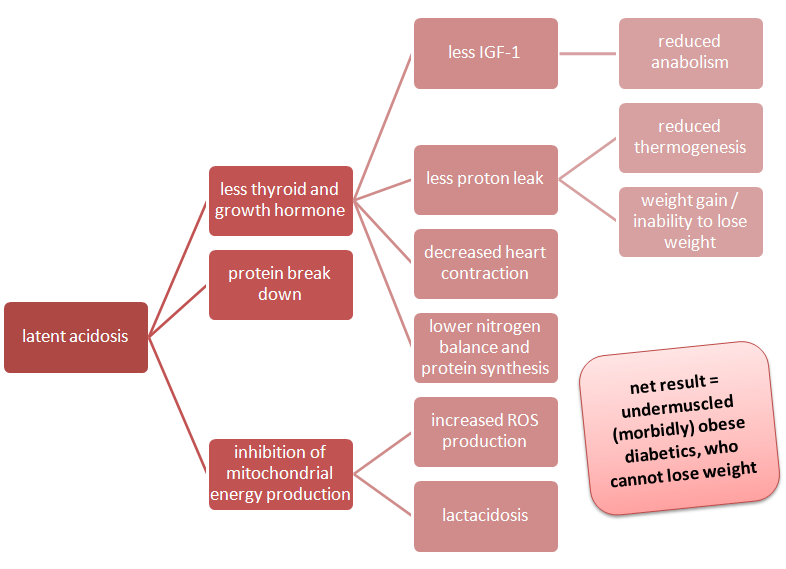
Latent acidoses can set you up to become obese (learn more)
For someone following a typical Western and or high meat + fat / high grain or otherwise acid forming diet without adequate "vegetable buffer" a medium dose alkali supplement providing ~67.5 mmol of bicarbonate (~647mg of KHCO3 or 800mg NaHCO3/baking soda, which was the dose that has been used in the previously mentioned human study by Dawson-Hughes et al.) ingested twice a day, could yield all sorts of metabolic benefits, of which you have learned in previous posts on sodium bicarbonate and the acid base balance here at the SuppVersity that they go way beyond increases in muscle strength and cross-sectional area and reach into the realms of metabolic disease and even cancer.

Suggested reads:
  • Calcium, Magnesium, Potassium & Co in Food, Water & Supps - Getting Enough is Easy, Knowing How Much Is Not! (read more)
  • SuppVersity Science Round-Up on Sodium, Potassium, Alkalinity & Co (listen now)
  • Science Round-Up Seconds: The Macro-Mineral Alphabet & the Potential Health Hazards of Diet-Induced Latent Acidosis (read more)
  • Previous SuppVersity posts on sodium bicarbonate (browse all)

References:
  • Bailey JL, Zheng B, Hu Z, Price SR, Mitch WE. Chronic kidney disease causes defects in signaling through the insulin receptor substrate/phosphatidylinositol 3-kinase/Akt pathway: implications for muscle atrophy. J Am Soc Nephrol. 2006 May;17(5):1388-94. Epub 2006 Apr 12.
  • Ceglia L, Harris SS, Abrams SA, Rasmussen HM, Dallal GE, Dawson-Hughes B. Potassium bicarbonate attenuates the urinary nitrogen excretion that accompanies an increase in dietary protein and may promote calcium absorption. J Clin Endocrinol Metab. 2009 Feb;94(2):645-53. 
  • Ceglia L, Rivas DA, Pojednic RM, Price LL, Harris SS, Smith D, Fielding RA, Dawson-Hughes B. Effects of alkali supplementation and vitamin D insufficiency on rat skeletal muscle. Endocrine. 2013 May 11. 
  • Dawson-Hughes B, Castaneda-Sceppa C, Harris SS, Palermo NJ, Cloutier G, Ceglia L, Dallal GE. Impact of supplementation with bicarbonate on lower-extremity muscle performance in older men and women. Osteoporos Int. 2010 Jul;21(7):1171-9.

Science Round-Up Seconds: The Macro-Mineral Alphabet & the Potential Health Hazards of Diet-Induced Latent Acidosis

You lose 600x more sodium than magnesium during a workout. The RDA is yet only ~3-4x higher (Montane. 2007).
If you already listened to the podcast of yesterday's installment of the SuppVersity Science Round Up (if you have not already done so, you can dowload the podcast, here), you may have noticed that I confused the minimal potassium (K) to sodium ratio (Na), which is probably ~1:1, and the "original" K:Na ratio in the "paleo diet".

According to Sebastian et al. (2002) the latter is ~8-9:1 in other words: 8-9 mols of potassium per mol of sodium. That's miles apart from the 1:2-3 ratio the average Westerner (the exact ratio varies depending on which study you refer to) uses as a springboard to hypertension ;-)

The (un-)definite mineral synergism / antagonism chart

Another thing you may have noticed with yesterday's show is the fact that the show was pretty "topic centered". My personal feeling is that it has a much better flow this way and that not despite, but because Carl and I did not cover such a broad range of topics. I cherish the hopefully non-futile hope that you feel the same, but am obviously open for any constructive criticism from your side

The SuppVersity macromineral chart provides a general overview of the complex interactions that exist between calcium, phosphorus, magnesium, sodium, chloride and potassium (compiled based on various sources)
. This, by the way, does also apply to the corresponding installment of the Seconds, of which you will soon realize that it is not a non-related add-on, but will expand, explain and summarize interesting aspects we've covered in the live show (note: from next week on the Science Round-Up will air at 12PM EST, same URL as usual).

On that note, let's start with an "expansion" I already promised to deliver towards the end of the show: some information on the synergism and antagonism of the macrominerals. It's a pretty complex matter and the following illustration is based on generalizations. Some of them, like the low-level exception to the antagonism between calcium and magnesium, of which I believe that it is important to know are explicitly mentioned, others are not.

A very good example of the former, i.e. the important second order interactions is the influence sodium has on the antagonism between potassium and magnesium. The latter disappears, when sodium levels are high and magnesium is needed as a sodium antagonist. Similarly, the often-touted antagonism between magnesium and calcium is actually a co-factor relation, where any "antagonism" is only the result of imbalances between the two.

The good, the bad and the ugly: Just a question of the "wrong" perspective

One thing that should actually be obvious, but is often ignored in all the hoopla about the "good" and "bad" guys among the macro-minerals is that "antagonisms" do not contradict the essential nature of all of the electrolytes, which are - antagonistic or not - in the end all actors in the same metabolic play.
Figure 1: Average ratio of mineral content (new:old) of 20 vegetables and 20 fruit: data based on comparison of  UK Government’s Composition of Foodsdata at two time points separated by approximately 50 years (Mayer. 1997)
I mean, take calcium and phosphorus as an example, they are both essential for the structural integrity of your bone and the fact that calcium has a reputation of being the "good guy", while phosphorus is the "bad guy" is just a necessary consequence of the overabundance of the latter, i.e. phosphorus from grains, soft drinks, dairy products, meats, fish, seeds, nuts, eggs and due to the change in mineral ratios (cf. figure 1) even most fruits and vegetables in the food chain of Mr. Joe Average, these days.

According to a 2009 paper by Dana Cordell et al. this may well change in the not all too distant future, after all "the quality of remaining phosphate rock is decreasing and production costs are increasing" (Cordell. 2009). With estimates saying that the demand for phosphorus is going to double within the next 40 years, it stands to reason that the decried overabundance of phosphorus, which is, among other things, also responsible for lowering the zinc content of the produce (cf. Peck. 1980) may be partly reversed within the next decades... I mean, we all know that nothing is as "convincing" as with financial interests, right?

The strong ion difference determines your pH levels

What's the difference between macro-minerals and their "little brothers" the trace minerals? Calcium, sodium, potassium, phosphorus, magnesium, chloride and sulfur are macro-minerals, because you need them in amounts that are greater than 100mg per day. Of the trace minerals, on the other hand you need less (in most cases much less) than 100mg per day. That does not mean though that Iron, zinc, copper, chroium, flouride, manganese, iodine, molybdenum and selenium were less important - it's merely a quantitative distinction.
While it stands to reason that there is a reason, calcium, sodium, magnesium and potassium are also called "electrolytes", astonishingly few people can actually give an ad hoc explanation why this is the case - and that despite the fact that their lives depend... no, not on the answer, but on the existence and physiological function of electrolytes ;-)

If you have listened closely to your physics teacher, you will yet probably be aware that an "elecrolyte" (electro- ~ charge, -lyte ~ carrier) is a positively or negatively charged molecule (ion) and nothing out of the ordinary in nature.

In your body electrolytes are used to establish ionically charged gradients, similar to the gradient that exists between the positive and negative pole of a battery. These gradients are situated on the cell embranes in excitable tissues, such as muscle and verve, where they facilitate or hinder the influx / efflux of other charged particles.

One of these gradients, in fact probably the physiologically most significant one, by the way, is established by positive sodium (Na+) and potassium (K+) ions and their negative counterpart chloride (Cl-) - exactly those electrolytes you've heard about in yesterday's show (remember: whenever you hear "salt" it actually means Na + Cl).

The electrolytes are not the only charged particles ...

From your chemistry lessons you may remember that there are are not just ionic atoms, but also ionic molecules and that the electron configuration of these particles will determine how they bind, interact and react. But I guess, we have had more than enough complicated theory for today, so if you want to know how the anions and how the strong ion difference (SID) is calculated, check out this brief overview over at acid-base.com.

Rather than going into the details of the mechanism, I decided that it would probably of greater value to wrap the Seconds up with a brief overwiev of the downstream effects of a metabolic state, of which Pizzorno, Frassetto and Katzinger point out that it is not necessarily characterized by acidemia, i.e. pH levels below the "magic" (if we were honest, we'd you'd have to write arbitrary, here) cut-off limit of pH 7.35:
High intensity exercise can also lower your blood pH, an effect you can counter with sodium bicarbonate
"Acidosis only becomes acidaemia when compensatory measures to correct it fail. To illustrate the difference between acidosis and acidaemia, take the following example: two processes occurring simultaneously in the same individual, such as a respiratory acidosis combined with a metabolic alkalosis. In this case, if the respiratory trend toward acidosis is greater than the metabolic trend, a pH of less than 7·35 may be reached, and would be considered acidaemia, despite the presence of a metabolic alkalosis. The intensity of each ‘process’ will determine the pH, but the terms themselves (acidosis, alkalosis) do not indicate a certain pH." (Pizzorno. 2009)
In other words, you don't have to suffer from diabetic or otherwise pathogenic "acidosis", to suffer from one of the following ill health-consequences:
  • Hip fracture incidence per 100,000 study participants; aggregated data from cohorts from 33 countries (Frassetto. 2001)
    Calcium loss, bone loss, osteoporosis - Unfortunately, this is not only the best known side effect of "being too acidic", it's also the only one people take serious. In that, scientists and laypress alike have zoned in on the high intake of animal proteins as the main confounding factor. But despite the fact that the high sulfur content (methionine, cysteine & co) does certainly contribute to the problem, the data in the figure at the right should make it quite clear that the stuff we eat and don't eat with our meats is at least as much to blame for the misery. In view of the fact that
    "[...] cereal grains themselves are net acid-producing and alone accounted for 38% of the acid load yielded by the combined net acid-producing food groups in the contemporary diet" (Sebastian. 2002)
    the average (processed) grain addicted US citizen with his/her quasi non-existent vegetable intake would end up way on the left side of the x-axis of the graph on the right hand side, even if he ate not a single gram of animal protein - we would just have to relable the axis to "vegetable / acid forming food intake (including grains!)".
  • Increased renal nitrogen excretion and hampered protein synthesis - One of the less known effects of an increased acid/base ratio is an increase in nitrogen excretion that will obviously not simply hamper your gains, but can also set you up to sarcopenia (age-induced muscle loss).

    Correcting a diet-induced low grade metabolic acidosis with K-bicarbonate reduces the nitrogen loss of 750mg - 1000mg per day (per 60kg BW) in post- menopausal women (Frassetto. 1997)
    In the end, the excretion of nitrogen is nothing, but an adaptive mechanism and a consequence of the catabolism of tissue protein. It is, if you will, a basic necessity for your body to rob your muscle and other tissue of glutamine and all other amino acids, that can be convert to glutamine in the liver, from where it is delivered to the kidney where it's used to synthesize ammonia and excrete the potentially toxic acid load. This will obviously mitigate the severity of the acidosis, it does yet also entail a net loss in muscle and organ protein that cannot be compensated for by an increase in acid forming protein in your diet.

    As the data in the figure to the right goes to show you this is a process that's regulated on a day to day basis and the relief in nitrogen loss (data in mg/day/60kg) provided by bicarbonate supplementation (days 0-18) is transient and disappears as soon as you return to your regular low-base, high acid diet (days 19-30).
  • Impairments of the growth hormone / IGF-1 axes - Brunnger et al. tested in 1997 whether experimental acidosis would have an effect on the growth hormone / IGF-1 axis and observed a "significant decrease in serum IGF-1 concentration without a demonstrable effect on IGF binding protein 3", which points towards an acid induced "primary defect in the growth hormone/IGF-1 axis" that occurs "via an impaired IGF-1 response to circulating growth hormone with consequent diminution of normal negative feedback inhibition of IGF-1 on growth hormone" (Brunger. 1997). Interestingly, Mahlbacher et al. were able to show that the administration of IGF-1 can in turn ameliorate acidosis and thus correct the previously discussed nitrogen wasting (Mahlbacher. 1999).

    Learn more about the effects of GH, IGF1 and it's splice variants MGF & co and their influence on skeletal muscle hypertrophy in the respective part of the Intermittent Thoughts on Building Muscle (go to the overview).
    In fact, potential physiological effects of the acid-induced impairment of the GH / IGF-1 axes had been observed much earlier, already. McSherry et al. for example report in a 1978 article in the Journal of Clinical Investigations that children with short stature and classic renal tubular acidosis developed normally, when they were treated with adequate amounts of alkalizing agents.

    That similar negative effects can be observed even in the presence of "low-grade 'tonic' background metabolic acidosis" was confirmed by Frassetto et al. who observed statistically significant increases (+11%) in 24-hour mean growth hormone secretion in post-menopausal women with diet-induced low-grade metabolic acidosis, when their dietary acid load was neutralized with adequate amounts of potassium bicarbonate (Frassetto. 1997).

    In a subsequently published study the scientists argue that the concomitantly observed increases in osteocalcin and bone metabolism would confirm the physiological significance of these changes (Frassetto. 2001). The effects on bone add to the well-known beneficial metabolic effects of growth hormone ( and line up with the recently reported association between low growth hormone levels and memory impairments (Wass. 2010).

    In view of the bad press GH and IGF1 are getting, it is important to point out that we are talking about a normalization of the GH/IGF-1 axis, here. It is therefore unlikely that the restoration of a normal acid-base balance will have any of the anti-longevity and pro-cancerous (see next bulletin point) effects of growth hormone and IGF-1 you may have read about in the pertinent literature.
  • Potential protective / anti-cancer effects - While conclusive scientific evidence for the involvement of low-grade acidemia in the etiology of cancer is still missing, it has long been speculated that the genetic and epigenetic perturbations, which will turn normal cells into cancer cells may be triggered (among other factors) by disturbances in the acid-base equilibrium. As Ian Forrest Robey points out in his 2012 review of the literature, a diet induced
    "[a]cid-base disequilibrium has has been shown to modulate molecular activity including adrenal glucocorticoid, insulin growth factor (IGF-1), and adipocyte cytokine signaling, dysregulated cellular metabolism, and osteoclast activation, which may serve as intermediary or downstream effectors of carcinogenesis or tumor promotion." (Robey. 2012)
    If you want to learn more about the "state of the art research" on the potential link between latent dietary acidosis and the development of cancer, I suggest you simply read the free fulltext of the paper on PubMed
I guess, now that you've learned about some of the intricacies of adequate mineral intakes and balances, the acid / base balance, nitrogen and bone loss, growth hormone and cancer, and listened to the interactions of sodium blood pressure, blood glucose and insulin on yesterday's show, it's about time to come back to the simple things that work - the bottom line, so to say...


      "What was that about the nutrient sufficiency of the vegetarian / vegan diet, you said on the air?" The above figure shows the % of omnivores, vegans and vegetarians who meet the RDAs  for protein and fiber and selected vitamins and minerals (DiMarino. 2013)
      Bottom line: A whole foods convenient-"food" free with the right balance of vegetables, protein, and a reasonable amount of complex largely unprocessed carbohydrates, fats and fruits - call it "ancestral" or "paleo", if you will - is going to provide you with all the minerals you need, it will contain them in the right ratios and supply your body with all the co-factors it needs to use them. It will stabilize your pH levels, normalize your growth hormone / IGF-1 axis and is beyond any doubt the most effective way to get and stay in shape, to reduce your cancer risk, ward off diabetes and lead a life that's not simply long, but also worth living

      If you adhere to these simple rules, there is no reason to be worried about "not getting your minerals" and other essential nutrients. After all, this is what distinguishes you from the "average" western omnivore, vegetarian or vegan who fails to meet most of his or her nutrient requirements (see figure to the right).

      References:
      • Brungger M, Hulter HN, Krapf R. Effect of chronic metabolic acidosis on the growth hormone/IGF-1 endocrine axis: new cause of growth hormone in sensitivity in humans. Kidney Int. 1997; 51:216–221
      • Cordell D, Drangert J-, White S. The story of phosphorus: Global food security and food for thought. Global Environ Change. 2009;19(2):292-305.  
      • DiMarino A. A Comparison Of Vegetarian Diets And The Standard Westernized Diet In Nutrient Adequacy And Weight Status. The Ohio State University. A Thesis Presented in Partial Fulfillment of the Requirements for Graduation with Distinction from the School of Health and Rehabilitation Sciences of The Ohio State University. 2013. 
      • Frassetto L, Morris RC, Jr., Sebastian A. Potassium bicarbonate reduces urinary nitrogen excretion in post-menopausal women. J Clin Endocrinol Metab. 1997: 82:254–259.
      • Frassetto L, Morris RC Jr, Sellmeyer DE, Todd K, Sebastian A. Diet, evolution and aging--the pathophysiologic effects of the post-agricultural inversion of the potassium-to-sodium and base-to-chloride ratios in the human diet. Eur J Nutr. 2001 Oct;40(5):200-13.
      • Mahlbacher K, Sicuro A, Gerber H, Hulter HN, Krapf R. Growth hormone corrects acidosis-induced renal nitrogen wasting and renal phosphate depletion and attenuates renal magnesium wasting in humans. Metabolism. 1999; 48:763–770
      • May RC, Kelly RA, Mitch WE. Metabolic acidosis stimulates protein degradation in rat muscle by a glucocorticoid-dependent mechanism. J Clin Invest. 1986. 77:614–621.
      • Mayer AM. Historical changes in the mineral content of fruits and vegetables. British Food Journal. 1997; 99(6):207 - 211
      • McSherry E, Morris RC, Jr. At tainment and maintenance of normal stature with alkali therapy in infants and children with classic renal tubular acidosis. J Clin Invest. 1978; 61:509–527. 
      • Montain SJ, Cheuvront SN, Lukaski HC. Sweat mineral-element responses during 7 h of exercise-heat stress. Int J Sport Nutr Exerc Metab. 2007 Dec;17(6):574-82.
      • Peck NH, Grunes DL, Welch RM, MacDonald GE. Nutritional Quality of Vegetable Crops as Affected by Phosphorus and Zinc Fertilizers Agron. J. 1980; 72: 528–534.
      • Pizzorno J, Frassetto LA, Katzinger J. Diet-induced acidosis: is it real and clinically relevant? Br J Nutr. 2010 Apr;103(8):1185-94.
      • Sebastian A, Frassetto LA, Sellmeyer DE, Merriam RL, Morris RC Jr. Estimation of the net acid load of the diet of ancestral preagricultural Homo sapiens and their hominid ancestors. Am J Clin Nutr. 2002 Dec;76(6):1308-16.
      • Wass JA, Reddy R. Growth hormone and memory. J Endocrinol. 2010 Nov;207(2):125-6.
      • Williams B, Layward E, Walls J. Skeletal muscle degradation and nitrogen wasting in rats with chronic metabolic acidosis. Clin Sci. 1991; 80:457–462

      Common Nutrient Deficiencies, Their Health Consequences and How You Can Fix Them - Part 1: Potassium Deficiency, Bone & Protein Loss, Stroke, Heart Disease & High Mortality

      The fact that many Americans don't get enough of the "non-salt" electrolytes (calcium, magnesium, potassium) is also due to the fact that mineral water is still an exotic beverage in the US.
      A recent paper by scientists from the Council for Responsible Nutrition in Washington (Wallace. 2014) says: Large portions of the population had total usual intakes below the estimated average requirement for vitamin A (35%), vitamin C (31%), vitamin D (74%), vitamin E (67%), choline (92%) and vitamin K (67%), as well as potassium (100%), calcium (39%) and, of course, magnesium (46%) - and that despite the fact that more than 50% of the US citizens consume a multivitamin and -mineral supplement of which probably 90% believe that it would balance their dietary shortcomings.

      Reason enough to take another look at the possible health consequences and ways to fix these deficiencies by increasing the intake of certain foods or supplements.
      There are more articles to come in this series, but you can use these to sugar the wait:

      Pasta "Al Dente" = Anti-Diabetic

      Vinegar & Gums for Weight Loss

      Teflon Pans Will Kill You!

      Yohimbine Burns Stubborn Fat

      You Can Wash Pesticides Away

      Milk = Poisonous Hormone Cocktail
      Instead of tackling them in an alphabetical order, I would like to start with the two in my humble opinion most critical deficiencies - "critical", not necessarily because they entail the worst health consequences, but "critical", because no one appears to care about them:

      You will probably think I am exaggerating (and in fact, I am), but if we are talking about America's Heart Disease Burden (CDC), i.e.
      US "Heart Disease Map" (CDC)
      • about 600,000 deaths due to heart disease in the United States every year – that’s 1 in every 4 deaths,
      • heart disease being the leading cause of death for both men and women in the US,
      • 720,000 heart attacks with 515,000 "first timers" and 205,000 people who had at least one heart attack before, and 
      • a financial burden of $108.9 billion each year for heart disease and its consequences, alone, 
      we cannot do so without talking about the insufficient potassium and choline intakes of the average American. Why? Well, because these constantly overlooked nutrients are at least as important for your heart as any of the overrated vitamins and the publicly transfigured alleged "supermineral" magnesium.
      Today's episode will be about potassium - potassium and nothing but potassium! But don't worry we will deal with choline in the next episode and tackle all the non-significant rest in later episodes. Obviously I am exaggerating, but as mentioned before: I truly believe that choline and potassium are the most overlooked, yet crucially important nutrient deficiencies the average Westerner will have.
      Table 1: Paleolithic nutriton according to Eaton (2000) - /1/ based on 3000 kcal/d, 35 % animal: 65 % plant subsistence; /2/ average of US men and women according to the Food and Nutrition Board (1989)
      If you look at the Mediterranean diet, the DASH diet and, of course, the Paleo diet, you will find that there is more to it than olive oil, higher protein intakes and no grains. Let's take the Paleo diet, I mean, the half-science based version and not the strange amalgam of all sorts of dietary trends you will find in the blogosphere, as an example (see Table 1).

      It is of course higher in calcium, in magnesium folate, B1, B2, vitamin A and vitamin E than the current US diet, but those are nutrients everyone thinks about. Copper (10x higher!) and not even in the list Wallace et al. present in their recent paper in the Journal of the American College of Nutrition (Wallace. 2014), potassium (4.2x higher) and manganese (3.8x higher) are micronutrients no one ever talks about.
      Urinary potassium excretion vs. food logs: In subjects who are not on diuretics or other medications that would influence the urinary potassium excretion, the urinary potassium excretion is not necessarily a more accurate, but certainly a more reliable and objective measure of an individual's total potassium intake.
      The FDA in their infinite wisdom even limits the maximal amount of potassium in dietary supplements to 99mg - i.e. ~2% of their own recommended daily allowance and the prescribed potassium intake on the DASH diet (4,700mg/day for adults (18y+, breastfeeding women "may" consume an extra 500mg/day). If we take the potassium intake of the average Cretan iteration of the Mediterranean (according to Kafatos. 2000) diet or the Paleo diet (according to Eaton. 2000) as a reference it would be as a reference that's 1.8% and 0.8%, respectively. That's unquestionably much less than you would need to double the pathetic 2500mg/day of potassium the average American gobbles down with a 3,000kcal/day diet (Eaton. 2000) - bad news, in view of the fact that insufficient potassium intakes are associated with...
      • 29% higher all-cause mortality risk in the 1,448 randomly selected healthy subjects in the Rotterdam Study (Geleijnse. 2007)
      • 20% increased higher all-cause-mortality risk in the 12,267 participants of the Third National Health and Nutrition Examination Survey Linked Mortality File (1988-2006), a prospective cohort study of a nationally representative sample (Yang. 2011) 
      • 36% increased CVD risk (stroke, myocardial infarction, coronary revascularization, or CVD mortality) for the subjects with the lowest (vs. highest) urinary potassium excretion in 2,275 adults with prehypertension aged 30 to 54 year (Cook. 2009)
      Table 2:  Estimated Usual Intakes of Sodium, Potassium, and Calories and Sodium-Potassium Ratio at Baseline by Sex, NHANES IIII Linked Mortality Filea (Yang. 2011)
      Even exercise won't save your ass, if you don't get enough potassium! That's at least what the results of Yang's analysis of the data from the shows. The increased mortality risk did after all not differ significantly by sex, race/ethnicity, body mass index, hypertension status, education levels, or physical activity (Yang. 2011).
      Furthermore, the difference in all-cause mortality risk between participants with low (Q1) intakes and those who approached "paleo" or at least "Mediterranean" potassium intakes was even large: 39% even after full adjustment!
      • 38% increased total stroke and ischemic stroke in among 43,738 US men, 40 to 75 years old, without diagnosed cardiovascular diseases or diabetes, who completed a semi-quantitative food frequency questionnaire in 1986 (Ascherio. 1998) 
      • Figure 1: Potassium intake and adjusted risk of stroke among 43,738 US men aged 40 to 75 years followed for eight years. Risk was adjusted for age, total energy intake, smoking, alcohol consumption, history of hypertension, history of hypercholesterolaemia, parental history of myocardial infarction before age 65 years, profession, and quintiles of body mass index and physical activity (He. 2001)
        28% increased ischemic stroke risk in the 85,764 women in the Nurses’ Health Study cohort, aged 34 to 59 years and free of diagnosed cardiovascular disease and cancer who completed the dietary questionnaires of scientists from the Brigham and Women’s Hospital and Harvard Medical School in 1980 (Iso. 1999)
      • 50% increased total stroke risk in the 5,600 men and women older than 65 years and free of stroke at enrollment in The Cardiovascular Health Study (Green. 2002)
      • 28% increased total stroke risk according to a 2001 (re-)analysis of data from 9805 US men and women who participated in the first National Health and Nutrition Examination Survey (NHANES I) Epidemiologic Follow-Up Study (Bazzano. 2001) 
      • significantly lower bone mineral density (BMD) in elderly men and women with per unit differences that were significantly higher than for magnesium (~30%) and total fruit and vegetable intake alone (+400%; cf. Tucker. 1999)
      • higher protein loss due to low-grade acidity; just like the bone loss (Dawson-Hughes. 2000) the loss of nitrogen can be countered by potassium bicarbonate supplements (~4-6g per day lead to a 86.4% reduction in urinary nitrogen excretion in postmenopausal women; cf. Frassetto. 1997 | learn more)
      Sociodemographic and -economic studies show that older men and women and people from lower socioeconomic groups are at particularly  high risk of low potassium (and high sodium) intakes (Loftfield. 2013).
      Figure 2: Graphs showing age-adjusted death rates in the US from cerebrovascular accidents, 1968 through 1988, by socioeconomic quintiles, i.e. median income and high school completeion (Modan. 1992)
      No wonder that their risk of hypertension-related diseases is significantly higher than that of their better-off peers. Needless to say, as well, that a low potassium and high sodium intake are inevitable consequences of the standard American convenience diet with lot's of high salt, low potassium processed foods and few minimally / unprocessed low salt, high potassium foods.
      Figure 3: Low carb, low fat, vegetarian, vegan, low glycemic, Mediterranean, balanced and palolithic diets, they may be based on different premises, but the food recommendations are the same (Katz. 2014).
      A pattern of which the diet overview in Katz' and Meller's recent paper "Can We Say What Diet Is Best for Health?" indicates that it one of the few criteria all the en-vogue diets from low-carb to paleo have in common.

      Being based on a limited amount of refined starches, added sugars, processed foods; limited intake of certain fats and emphasizing whole plant foods, with or without lean meats, fish, poultry, seafood. They are all well capable of providing the RDA 4,700mg/day of potassium so few of the modern convenient food buyers are consuming on a daily basis.
      Potassium: Why and from where?
      • Increasing potassium intake lowers blood pressure in both hypertensive and normotensive people. 
      • Increasing potassium intake and reducing sodium intake are additive in lowering blood pressure High potassium intake reduces the risk of stroke and prevents renal vascular, glomerular, and tubular damage
      • Increasing potassium intake reduces urinary calcium excretion, which reduces the risk of kidney stones and helps prevent bone demineralisation.
      • Increasing serum potassium concentrations reduces the risk of ventricular arrhythmias in patients with ischaemic heart disease, heart failure, and left ventricular hypertrophy.
      The best way to increase potassium intake is to eat more fresh fruit and vegetables and the list on the left gives you an idea which of them contain particularly high amounts of this essential electrolyte. On a whole foods diet supplements shouldn't be necessary.
      In the end, things could be so easy: Whether you are consuming high carb, low carb, no carb, high protein, low protein, or even vegetarian diet - there is no reason any of you would have to be taking potassium supplements.

      So don't fret about the FDAs unquestionably inexplicable conclusion to prohibit the inclusion of more than 99mg of potassium in dietary supplements, but make sure that you get add at least one of the fruit and vegetable items from the following list of high potassium foods in each of your meals
      Fruits ★★★
      Apricots
      Avocados
      Bananas
      Dates
      Figs
      Kiwi
      Mangos
      Melons
      Nectarines
      Oranges
      Papayas
      Peaches, fresh
      Pears, fresh
      Prunes
      Vegetables ★★★
      Artichokes
      Beans: kidney, lima, pinto, red, white, etc.
      Greens: beet, chard,
      collard, kale, mustard,
      spinach, turnip
      Parsnips
      Potatoes: sweet, white
      French fries, chips, etc.
      Pumpkins
      Tomatoes: fresh, canned, paste, etc.
      Winter squash
      Yams
      Zucchini
      Other ★★
      Chocolate
      Cocoa
      Custard
      Lentils
      Milk
      Milk drinks
      Milkshakes
      Nut butters
      Nuts
      Peanut butter
      Peanuts
      Pudding
      Salt Substitutes
      Yogurt
      And what about hyperkalemia? Potassium balance is normally maintained by precise physiological mechanisms that match potassium excretion to intake, mainly through the kidney but also through the gastrointestinal tract. Large loads of potassium are excreted rapidly with only a minimal increase in plasma potassium concentration (He. 2001). A high food and even oral suppplement intake is thus not an issue for people with healthy kidneys who don't have to take potassium sparing diuretics or similar meds.
      References:
      • Ascherio, A., et al. "Intake of potassium, magnesium, calcium, and fiber and risk of stroke among US men." Circulation 98.12 (1998): 1198-1204.
      • Bazzano, Lydia A., et al. "Dietary potassium intake and risk of stroke in US men and women National Health and Nutrition Examination Survey I Epidemiologic Follow-Up Study." Stroke 32.7 (2001): 1473-1480.
      • CDC. Heart Disease Fact Sheet. < www.cdc.gov/dhdsp/data_statistics/fact_sheets/fs_heart_disease.htm > visited on March 20, 2014.
      • Cook, Nancy R., et al. "Joint effects of sodium and potassium intake on subsequent cardiovascular disease: the Trials of Hypertension Prevention follow-up study." Archives of internal medicine 169.1 (2009): 32-40. 
      • Dawson-Hughes, Bess, et al. "Treatment with potassium bicarbonate lowers calcium excretion and bone resorption in older men and women." Journal of Clinical Endocrinology & Metabolism 94.1 (2009): 96-102.
      • Geleijnse, Johanna M., et al. "Sodium and potassium intake and risk of cardiovascular events and all-cause mortality: the Rotterdam Study." European journal of epidemiology 22.11 (2007): 763-770.
      • Green, D. M., et al. "Serum potassium level and dietary potassium intake as risk factors for stroke." Neurology 59.3 (2002): 314-320.
      • He, Feng J., and Graham A. MacGregor. "Fortnightly review: beneficial effects of potassium." BMJ: British Medical Journal 323.7311 (2001): 497.
      • Iso, Hiroyasu, et al. "Prospective study of calcium, potassium, and magnesium intake and risk of stroke in women." Stroke 30.9 (1999): 1772-1779.
      • Kafatos, Anthony, et al. "Mediterranean diet of Crete: foods and nutrient content." Journal of the American Dietetic Association 100.12 (2000): 1487-1493. 
      • Katz, D. L., and S. Meller. "Can We Say What Diet Is Best for Health?." Annual Review of Public Health 35.1 (2014).
      • Loftfield, Erikka, et al. "Potassium and fruit and vegetable intakes in relation to social determinants and access to produce in New York City." The American journal of clinical nutrition 98.5 (2013): 1282-1288. 
      • Modan, Baruch, and Diane K. Wagener. "Some epidemiological aspects of stroke: mortality/morbidity trends, age, sex, race, socioeconomic status." Stroke 23.9 (1992): 1230-1236. 
      • Wallace, Taylor C., Michael McBurney, and Victor L. Fulgoni III. "Multivitamin/Mineral Supplement Contribution to Micronutrient Intakes in the United States, 2007–2010." Journal of the American College of Nutrition 33.2 (2014): 94-102.
      • Yang, Quanhe, et al. "Sodium and potassium intake and mortality among US adults: prospective data from the Third National Health and Nutrition Examination Survey." Archives of internal medicine 171.13 (2011): 1183-1191.