.

.
marylin monroe
Showing posts with label supplementation. Show all posts

A Fat D-Ficiency! Do You Really Need More Vitamin D or Simply More Fatty Foods? Study Shows, Even 50.000 IU of Vitamin D3 Useless, When You Ingest It Without Fat.

 Image 1: Fatty fish and organ meats aside, whole eggs and full-fat dairy are your best food choices to raise vitamin D levels - I would even venture the guess that they (combined with fish and organ meats) would make supplementation obsolete, even in the Nothern hemisphere (if you "load up" on sun in the summer).
Those of you who have been following my daily blogposts, here at the SuppVersity for more than the last couple of days will be aware that I am one of the few outspoken vitamin D (-supplementation) skeptics. I am by no means doubting the scientific data which clearly indicates that low vitamin D levels (low in medical, not in "Internet blogosphere" terms) are associated with all sorts of diseases. I do not question the hypothesis that, from a biomolecular perspective, vitamin D has more of a hormone than of a "vitamin" (=essential nutrient). And I do not challenge the use of vitamin D(3) supplements by people with low or even borderline low vitamin D levels (although this blogpost may change the way you ingest them ;-). What I do yet call into question is the hilarious idea that every Joe and Jane in the Western hemisphere could benefit from taking "at least 2.000IU of vitamin D" per day.

Re-thinking dietary (=supplemental) vitamin D

Hitherto, the only Joes and Janes who have profoundly benefited from this one-(XL-)size-fits-it-all approach are the producers of respective supplements. Convincing scientific data from controlled studies which would show that the consumption of large amounts >1.000 IU of vitamin D capsule or pill form, exert any verifiable health benefit for someone with normal (or even low-normal) vitamin D levels is absent. The (remote?) possibility that there actually is no benefit, aside, there are yet a few other possible explanations why - epidemiological data aside - scientific evidence for the benefits of vitamin D3 supplementation in a non-vitamin-D-deficient cohort is still lacking:
    Image 2: Who would buy all those toxic, but expensive drugs, if it turned out that by taking a non-patentable "vitamin" the diseases they were invented for could be prevented?
  1. Lack of financial interest from the side of the pharma companies: Vitamin D is obviously non-patentable and if it could, as many people believe, prevent diabetes, stroke, heart disease and cancer, the use of respective supplements would obviously put the pharmaceutical industry out of business.

    Note
    : The pharmaceutical industry has already been trying to come up with patentable vitamin D analogues, of which they claim that they would lack the largely non-existent negative side-effects of the real vitamin - I guess, you can you tell which way the wind is blowing?!

    Financial revenue could thusly be a major factor, as it is obviously pretty costly to set up a tightly controlled, appropriately powered randomized, placebo-controlled study on healthy people. Even large scale epidemiological studies, on the other hand, can be done by a group of graduate students, by just plugging into respective databases and doing some more or less sophisticated statistical evaluations on existing data sets.

  2. Insufficient dosing or study periods that are simply too short to yield results: I have, in the past seen studies, even I, as a avowing skeptic, would not cite to underline my argument that we do not have enough scientific evidence that supplemental vitamin D is not the savior people may make you believe. I mean, if you assign a group of say 20 people to 400IU of vitamin D for 4 weeks and see no changes in a handful of pretty random markers of health and disease, this is unquestionably not an argument against the potential usefulness of vitamin D supplementation.

  3. Adding vitamin D3 supplements to a "healthy" low fat diet: Assuming that this point has immediately caught your eye, I want to encourage you to read the rest of this blogpost, as this, i.e. the necessity of adequate amounts of dietary fat, to absorb vitamin D3 is what the rest of this post will revolve around.
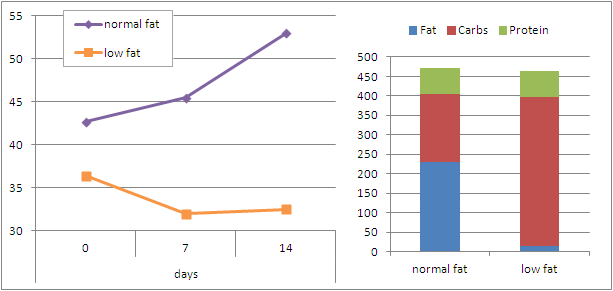
Fatty fish, eggs, organ meats, full fat organic (raw) dairy products - all those good foods which have been banned from YourPlate (at least if it contains what the US government's MyPlate suggests is healthy) are not only high in vitamin D, they are also high in fat. Against that background and in view of the fact that our ancestors did not buy their vitamin D at the local health food store, it is only reasonable to assume that our digestive tract was designed to absorb the little additional vitamin D we are supposed to get from foodstuff (you know that I am a firm believer in the power of sunlight - even beyond vitamin D) in the presence of fat. And guess what, a recent study, which was obviously not published in the Journal of the American Medical Association (cf. 1. in the previous list of possible explanations for the lack of conclusive scientific evidence on the usefulness of vitamin D supplementation), shows exactly that: without the concomitant presence of significant amounts of dietary fat, even 50.000IU of supplemental vitamin D3 have no effect on the serum levels of 25(OH)D, the active form of vitamin D (Raimundo. 2011, cf. figure 1).
Figure 1: 25(OH)D levels of 30 healthy men and women after ingestion of 50.000IU vitamin D3 supplement in conjunction with a normal or low fat breakfast (data calculated based on Raimundo. 2011)
And, as the detailed macronutrient breakdown in figure 1 (right) shows, the "high fat" breakfast the 30 young (~27y), healthy, non-obese, vitamin-d sufficient men (n=12) and women (n=18) ingested with a 50.000IU vitamin D3 capsule in the morning after an overnight fast, did not even consist of eggs and bacon. It was comprised of whole milk, white bread with bologna, and vegetable oil margarine and the whole milk aside, probably not much healthier than the skim milk, white bread with fruit jelly, and fruit salad breakfast the low-fat group had to eat. The additional 23.9g of fat did nevertheless make a huge difference, as far as the absorption and subsequent utilization of the vitamin D3 supplement is concerned.

No fat, no sun, no vitamin D - regardless of supplementation

Image 3: Get your D from the sun, if you can!
In view of the fact that the subjects were advised to "avoid sun exposure and changes in their usual eating pattern [which were probably low in dietary vitamin D] for the next two weeks", it is thusly hardly surprising that contrary to the "high fat" (I deliberately labeled it "normal fat" in figure 1 ;-) group, the subjects in the low fat breakfast group suffered a -11% decline in 25(OH)D serum levels over the 14-day follow up period, which other than the inter-group difference of 35% (!), did not reach statistical significance (mainly due to the small number of participants, where inter-subject variability renders even relatively profound differences "statistically non-significant").


And while the scientists concede that the small scale of the study, the lack of detailed recordings of the subjects' dietary vitamin D intake in the course of the 14-day follow up period and the reliance on 25(OH)D level as single surrogate for serum vitamin D levels (remember that we are actually talking about a whole host of "vitamins D") are limitations of their study, Raimondo et al. are nevertheless right to conclude that their "findings can have important implications to define the adequate dietary intake of vitamin D"... implications, which may well go beyond the mere recomendation to take your vitamin D with fat. After all, increased absorption would mean decreased need for supplementation and who knows whether you could not easily satisfy your dietary vitamin D requirements without any supplements, if you just set the "low-to-no fat, no dangerous organ meats" dietary recommendations at naught?

On Short Notice: Nucleotide Supplementation Increases Performance & Fortifies Immune Response. Plus: Oleic Acid Increases, SFA Lowers E2, Testosterone & DHT Binding

Are nucleotides a useful supplements for intensity maniacs and can olive oil reduce your free testosterone levels?
If you have been visiting the SuppVersity for a while now, you were probably surprised to see that the "Short News" (aka "On Short Notice") are back. The reason, I changed my mind and reintroduced this assembly of short news items is that I realized that there is an intemediate category of news and infos between the very short Facebook news that (a) disappear in the oblivion of the SuppVersity Facebook Wall, (b) don't allow me to post graphics that would illustrate the study results and (c) still take some time to write and the detailed analysis in the "original" SuppVersity articles.

So, if you disagree and can give me a good reason why I should not post news compilations like the one at hand more regularly, speak now or forever hold your peace ;-)

Nucliotide supplementation counters immune suppressive effects of exercise

(Ostojic. 2013) - I think I mentioned a similar study a couple of weeks ago in the SuppVersity Facebook News, but since this most recent investigation into the ergogenic effects of the small organic nitrogen-based combinations of a five-carbon sugar and a phosphate group that
  • form the building blocks of nucleic acids, such as DNA and RNA, and 
  • participate in cellular signaling and metabolism
deals with in young, healthy, fit men and their response to the provision of a supplement that looks similar to something you are probably goint to see on the market pretty soon, I thought it may be interesting enough to make it into this "news" article-format.
Figure 1: Illustration of the molecular structure of nuleotides (Sadava. 2000)
The supplement we are talking about is a combination of different nucleotides, i.e. cytidine 5′-monophosphate, uridine 5′-monophosphate, guanosine 5′-mono-phosphate and adenosine 5′-mono-phosphate from partially purified (90%) germinated barley seeds extracted during sporulation and the reason it's worth knowing what was in it, because it was able to ...
  • Want a quick performance fix? Use sodium bicarbonate | learn more
    significantly increase time to exhaustion (+7%)
  • ramp up serum levels of immunoglobulin A and
  • elevate the NKC cytotoxic activity
in the blood of the 14 recreationally active participants (age 22; BMI 24kg/m²; body fat 11%) who participated in a standardized incremental exercise test on the treadmill ("Run till you drop") after taking 50mg/day of this product for 2 weeks.

Oleic Acid Increases E2, Testosterone & DHT Binding

Not from Greece, the land of olive oil and eve's cheese, but from Spain comes a study that links Oleic acid, the mono-unsaturated fat from Olive oil to increases in SHBG. The researchers from the Universitat Autònoma de Barcelona analyzed the lab reports and nutrition data of a total of 315 men and observed that
"SHBG serum levels were significantly higher in subjects using olive oil for cooking in comparison with subjects using sunflower oil. The SHBG levels correlated positively with MUFA (p < 0.001) and negatively with saturated fatty acids (p = 0.003)." (Sáez-López. 2013)
Based on multiple regression analysis of the data, the scientists calculated that the amount of MUFA in the subjects' diets accounted for 20.4% of SHBG variance. Despite the fact that this means that your MUFA intake determines "only" 20% your SHBG levels, the data in Figure 1 (left), clearly indicates that these 20% show pretty significant correlations with important health markers.
Figure 2: Correlation between SHBG levels and BMI, MUFA intake (in % total fat) and fasting blood glucose - left; correlation between phospholipid MUFA and SFA content and SHBG - right (Sáez-López. 2013)
In order to elucidate the underlying mechanisms, the scientists conduced an additional in-vitro study, in the course of which Sáez-López were able to confirm that oleoyl-CoA, a metabolite that's produced, when oleic acid is metabolized, downregulates PPAR-γ in the liver (HepG2 cells).

As a SuppVersity veteran, you'll know that any reduction in PPAR-gamma in the adipose tissue will result in a decreased propensity of fat storage (read up on it). In the liver, PPAR-gamma is  responsible for the production of SHBG, as well. In view of the fact that SHBG binds and deactivates* androgens and estrogens (*this is not essentially correct for all tissues!), your MUFA intake could thus be one of the set-screws that determine the level of unbound sex-steroids in your blood.
With 60-80% olive oil is one of the best sources of oleic acid and this is not a reason to stop consuming it - irrespective of T-binding (read more)
Bottom Line: Based on the currently available evidence it appears as if nucleotide supplements could have a future as immune and performance booster for intense training athletes.

Despite the fact that it is unlikely that there will be any side effects, (a) the increased immune activity, which could be a problem for people with auto-immune disease and (b) the non-existence of scientific evidence to support their long-time efficacy (and safety), I would wait and see how things develop before investing significant amounts of money in supplemental RNA / DNA precursor.

Something very similar is true for results of the Sáez-López study that investigated the "SHBG raising" effects of oleic acid. In view of the negative association between SHBG levels BMI and fasting blood glucose, which have, by the way, been observed in previous studies: Phillips & Gerald, for example, observed a significant negative correlation between SHBG and the waist / hip ratio in 55 obese men aged 21 to 70 (Philips. 1993). And while SHBG binds testosterone the small change will not render all your testosterone useless, so that you don't have to be afraid of sudden olive oil induced anti-virility effects ;-)

References:
  • Ostojic, Sergej M., Kemal Idrizovic, and Marko D. Stojanovic. "Sublingual Nucleotides Prolong Run Time to Exhaustion in Young Physically Active Men." Nutrients 5.11 (2013): 4776-4785.
  • Phillips, Gerald B. "Relationship between serum sex hormones and the glucose-insulin-lipid defect in men with obesity." Metabolism 42.1 (1993): 116-120.
  • Sadava, D. et al. Life: The Science of Biology, 9th ed. 2009
  • Sáez‐López, Cristina, et al. "Oleic acid increases hepatic sex hormone binding globulin production in men." Molecular nutrition & food research (2013).

Leucine Only Tops Ergogenic Effects of BCAAs: Increased Alanine Cycle Activity Spares Muscle Glycogen, Boosts Endurance Performance - BCAAs Have Opposite Effect

Alanine is the liver's favorite gluconeogenic amino acid and leucine appears to increase its usage.
Being among the first to learn about the "Glucose-Repartitioning Effect of Iso-Leucine" in February 2013 (read up on it), you, as SuppVersity reader, belong to the selected few who know that valine and isoleucine may be more than unnecessary props in the leucine-powered BCAA show. With the recent publication of a rodent study from the University of Sao Paulo in Brazil (Campos-Ferraz. 2013), however, it looks as if you had to revise your perspective on the purportedly auxiliary BCAAs - at least, with respect to their ability to reduce fatigue, and muscle and liver-glycogen degradation, in trained rats and possibly (!) humans.

So what did the Brazilian researchers do?

Basically, the idea Campos-Ferraz et al. had in mind, when they came up with their 8 week exercise + 2 week supplementation protocol (see Table 1) was to ...
Table 1: Exercise progression; suppl. was initiated in w7 after lactate test
"evaluate effects of the use of supplementation with leucine or a mixture of BCAAs in trained rats submitted to an exercise-induced protocol of glycogen depletion.

Furthermore, we attempted to investigate muscle and liver biochemical parameters that were not performed in the previous study in order to elucidate the role of BCAAs in glycogen depletion. " (Campos-Ferraz. 2013)
In other words: The researchers wanted to find out whether or not leucine would exert identical, less or more pronounced effects on muscle glycogen use and endurance performance in rodents that the full spectrum of branch-chained amino acids, i.e. leucine, valine and isoleucine.

Contrary to what bro-science and the shiny ads of the supplement industry are suggesting, the scientists' fundamental hypothesis was that the BCAAs supplementation would impair the rodents endurance capacity, because the branched-chain amino acids would be used in muscle to yield acetyl-CoA. This, in turn could reduce the activity of the glucose-alanine cycle, by which the muscles are supplied with alanine-derived glucose from the liver and (once the BCAAs got burne) result in an earlier onset of fatigue.

BCAAs are "glycogen depleters"?!

If you take a look at the data Campos Ferraz et al. gathered in the testing sessions at the end of the supplementation period, in the course of which the rats received an oral gavage of 166mg/kg per day (in human terms this would be ca. 3-3.5g per day) of BCAAs or leucine, it is quite obvious that the  the leucine group had a significantly lower muscle and liver glycogen degradation ratios than the BCAA group.
Figure 1: Liver & mucle glycogen degradation and time to exhaustion (expressed relative to placebo); muscle TCA intermediate content and enzyme activity / concentration (Campos-Ferraz. 2013)
Compared to the placebo group, only the ratios were different.  While the placebo group had the lowest liver glycogen use and a high muscle glycogen use, the supplemental leucine induced a shifted from muscle to liver glycogen and did thus exert muscle specific glycogen sparing effects.

As the researchers point out, these observations stand in line with their original hypothesis: Leucine can spare a significant amount of muscle and liver glycogen and thus produce a highly significant increase in resistance to exhaustion compared to the mixture of BCAAs (P<0.001).
This is not the first study to cast a bad light on BCAA supplementation. As a SuppVersity veteran, you will remember my November 2012 article "Chronic High Dose BCAA Supplementation Reduces Endurance Performance by 43%" | read more, as well as the more recent investigation into the  "Neurotransmitter Depleting Effects of Branched Chain Amino Acids (BCAAs) and Their Potential Ergolytic, Anxiogenic & Depressive Downstream Effects" | read more.
If we compare the endurance performance of the leucine rodents to that of the placebo group, this does yet cast a slight shadow on the overall image of the glorious ergogenic, and, even more so, the purported performance enhancing effects of BCAAs. Despite measurable differences in the time to exhaustion, the actual endurance increase in response to the leucine supplement is relatively small.
 
If you take another look at the data in Figure 1 you will probably notice the significant increase in TCA cycle intermediates (citrate and malate) in the BCAA group. These changes provide further evidence that the provision of all three branch-chain amino acid emphasized the use of glucose as a main substrate to sustain the endurance activity.

"Mouse vs. man": Can we ignore the differences in BCAA metabolism?


At this point, it may however be about time to point out that the activity of the BCAA catabolizing enzyme branched-chain keto acids dehydrogenase complex (BCKD) in humans is quite different from that in rats.
"In the latter [the rat], liver BCKD is almost completely unphosphorylated (activated) in basal state, making it possible to metabolize more rapidly BCKA from the portal blood; in humans, BCKD in liver is normally phosphorylated (inactivated) in order to spare BCAAs for protein synthesis." (Campos-Ferraz. 2013)
In other words: While rodents use BCAAs mostly as an energy source, the human body spares them as a potential protein anabolic.

In view of the fact that the BCAAs are not used to the same degree as an alternative substrate in the human vs. the rodent liver, it is actually not very surprising that the results of the study at hand appear to conflict with data from a previous study by the same laboratory (Gualano. 2011). In the corresponding experiment, Gualano et al observed measurable increases in exercise capacity and lipid oxidation in human subjects during endurance exercise after muscle glycogen depletion in response to the provision of 300mg/kg BCAAs per day.
So, the study is totally irrelevant, right? Not really, no. The fact that we are not able to use BCAAs as a readily available energy source like rodents does after all not mean that they must necessarily have the opposite effects on us. In fact, you all know that the vast majority of studies investigating the beneficial effects of BCAAs on endurance performance in humans yielded a null-result (!) - despite the fact fact that generations of researchers have been convinced that the inhibition of tryptophan uptake must blunt the exercise induced onset of fatigue (learn more in the articles cited in the red box).

Don't forget the endurance reducing increase in glucose usage that appears to be caused by isoleucine (and maybe valine) can also be beneficial: "The Glucose Repartioning Effects of Isoleucine" | read more.
The actual new information this study brings to the table is thus not that BCAAs are not ergogenic. It's rather the previously overlooked leucine induced acceleration of the glucose alanine cycle in liver. It is the activation of this (catabolic!) powerhouse by the means of which leucine "might have an interesting use in physical performance in prolonged or submaximal exercise, where muscle glycogen stores are more likely to be depleted" (Campos-Ferraz. 2013). It should be noted, though, that these effects are probably only observed after the glycogen levels are fully depleted - after an intense workout, towards the end of a race or after an fasted training - in those situations, the performance benefits may even be more more significant than in the study at hand.

Reference:
  • Campos-Ferraz PL, Bozza T, Nicastro H, Lancha AH Jr. Distinct effects of leucine or a mixture of the branched-chain amino acids (leucine, isoleucine, and valine) supplementation on resistance to fatigue, and muscle and liver-glycogen degradation, in trained rats. Nutrition. 2013 Nov-Dec;29(11-12):1388-94.
  • Gualano AB, Bozza T, Lopes De Campos P, Roschel H, Dos Santos Costa A, Luiz Marquezi M, et al. Branched-chain amino acids supplementation enhances exercise capacity and lipid oxidation during endurance exercise after muscle glycogen depletion. J Sports Med Phys Fitness 2011;51:82–8

23g of Dairy Protein + 5g of Leucine Turn Cardio Sessions Into Muscle Building Workouts - More Protein + Extra Leucine = Higher mTOR, But Minimally Improved FSR

No matter how much you supplement, running will probably never be the "most anabolic" sport of all. On the other hand, it's certainly less catabolic than broscienctific horror stories of muscle loss and weakness would tell.
Researchers from the Massey University Wellington claim: "Ingesting 23 g of protein with 5 g added leucine achieved near-maximal FSR after endurance exercise." (Rowlands. 2014; my emphasis). If you think "near-maximal" fractional protein synthesis after endurance exercises sounds incredible, I would like to invite you to join me and take a look at the design and results of this recent study from the School of Sport and Exercise.

As the authors point out, "the purpose of this study was to determine if a reduced dose of protein and leucine ingested following endurance exercise resulted in a similar anabolic signal impulse for the stimulation of skeletal muscle myofibrillar protein FSR, relative to the higher protein-leucine dose associated previously with improved recovery of performance." (Rowlands. 2014)
You can learn more about protein intake at the SuppVersity

Are You Protein Wheysting?

5x More Than the FDA Allows!

Protein requ. of athletes

High EAA protein for fat loss

Fast vs. slow protein

Less Fat, More Muscle!
In addition Rowlands and colleagues examined the phosphorylation (as a surrogate marker of activity)of signaling proteins within the mammalian target of rapamycin complex 1 (mTORC1) pathway to study the associations between plasma amino acids, translational signaling and myofibrillar FSR. The scientists' hypothesis was that the lower ingested quantity of protein (23 g) plus leucine (5g) would be sufficient to stimulate myofibrillar FSR to an equivalent magnitude to a 3-fold higher amount.

If the latter was possible, Rowland et al. assumed that the mTORC1 pathway phosphorylation between the two protein-leucine would be identical, as well.
The subjects were 12 endurance-trained male cyclists with mean age 30 y, stature 179 cm, and weight 78.1 kg (7.8) completed the study. Mean VO 2 max was 60.4 mL/kg /min with a corresponding Wmax of 323 W.
Figure 1: Graphical overview of the experimental procedure (Rowlands. 2014)
"The research design was a randomized single-blind triple crossover. Details of one of the three 7-d experimental blocks and the experimental testing protocol are provided in Figure 1. Two weeks prior to the first experimental block, participants completed a standard test on a Velotron ergometer (Racer Mate, Seattle, USA) to determine VO2 max and Wmax. The next day participants completed a familiarization of the testing procedure (100-min cycle, see below) (Figure 1A).

Physical activity and diet were standardized for 4.5-d prior to a 2-d period of control prior toeach experimental testing day. Standardization was prescribed by way of verbal and writing instructions and record in training and dietary recall diaries; participants were asked to replicate on days -6 to -2 (outcomes not recorded). Control of exercise on protocol day -2 (Figure 1A) comprised a 90-min ride with a warm up of 10 min at 30% (Wmax), 8 min at 40%, 2 min at 50%, then intervals (4 x 5 min at 70%) interspersed with three blocks of 3 x 2-min intervals at 85%, 80%, and 75%, respectively, interspersed with 2-min periods at 50%, followed by 5 min at 40%."
Following this ride and for the remainder of day and day following (Figure 1B), participants performed no training and were provided with a preweighed diet providing sufficient energy to balanceindividual caloric requirements based on the Harris-Benedict equation for activity factor of 1.6.
Don't be fooled by the amino acid additions: While there is plenty of evidence that "optimized amino acid blends" or "enhancements" are great for supplement producers to justify why they're selling you cheap whey protein / bullshit amino acid products at a crazy price, there is no evidence that they are superior to plain whey protein (see "Are You Still Wasting Money on Amino Acid Products?" | read more)... What? Oh, you want to know why Rowlands et al. do it in the study at hand? Well, because they work for Nestec Ltd. aka Nestlé - I guess that's also why there was no 30g of pure whey isolate control ;-)
The 100 min of cycling comprised a warm-up (as above), intervals (%Wmax) of 8 x 2-min (90%), 2 x 5 min (70%), 2 x 2 min (80%) and 3 x 1 min (100%), interspersed with recovery 2-min (50%); and 8 min cool-down (40%). During exercise, participants consumed 800 ml /h of artificially sweetened electrolyte solution to maintain hydration and were fan cooled.

The supplementation regimen

Following exercise, participants showered, and then ingested the first nutrition serving 10-min after cessation of exercise and subsequently every 30 min over the first 90 min of the 240-min assessed recovery (Figure 1B).
Figure 2: Nutrient composition of the test drinks, which contained a whey + milk mixture that was enriched with leucine and spiked with maltodextrine, fructose and canola oil (Rowlands. 2014)
"The experimental beverages consisted of milk-based drinks containing milk protein concentrat and whey protein isolate (2:1 w/w), L-leucine, maltodextrin and fructose (1:1 w/w), and freeze dried canola oil. Four equal servings of 300 ml of the beverages were consumed during the recovery period for a total volume of 1200 ml.[...] The 15LEU supplement was compared to one-third of the protein-leucine quantity (23.3/5/180/30 g, 5LEU) - an intake hypothesised to yield a bioequivalent similar myofibrillar FSR, and to a nonnitrogenous, isocaloric control (0/0/274/30 g, CON). All beverages also contained 1.4 g NaCl, 14.4 g vanilla essence, and 3.6 g of emulsifier (Paalsgard 0096, Paalsgard A/S, Denmark) per 1200 mL."
As the data in Figure 3 shows, even the "small" shake was potent enough to achieve (almost) maximal fractional 0.95%/h protein synthesis rates.
Figure 3: mTOR (C1+C2) response to protein ingestion (left) corresponding mean fractional protein synthesis (%/h; right) in the 12 healthy male subjects (Rowlands. 2014)
Although the 15LEU = high protein drink achieved minimally higher protein synthesis rates, the discrepancy between the extremely elevated mTOR levels early post ingestion and the effective differences in FSR clearly suggest that we are approaching a physiological maximum with at FSR rates of 0.11% /h... or as Rowland et al. put it:
"The current myofibrillar FSR appeared to be limited by an undefined intramuscular mechanism since only a small and bioequivalent increase in FSR occurred with 15LEU despite sustained 1.4- to 1.9-fold higher plasma leucine and amino-acid concentrations and higher p70S6K-rpS6 phosphorylation." (Rowlands. 2014)
With reference to previous research by Atherton et al., Rowlands et. al. speculate that they may have encountered a "muscle full" effect (Atherton. 2010) to explain the discordance between human muscle protein synthesis and mtorc1 signaling.
Figure 4: Fractional protein synthesis in response to resistance training + whey protein ingestion (Tang. 2009)
Bottom line: Whether we are seeing a "muscle full" effect is something that's difficult to tell. What appears to be certain, though, is that resistance training allows for a greater uptake of protein synthesis (Tang. 2009; 0.15% /h in response to resistance training + whey protein). Although the supplements were somewhat different, I am thus inclined to believe that the absence of resistance training and the corresponding mTOR-C2 activation in response to aerobic ( (mTORC1 by supplementation, only) vs. resistance training (mTORC1 by supplementation, mTORC2 by contraction) is the limiting factor, here (Drummond. 2009).

The latter would imply that the results are not applicable to resistance training directly. Even if corresponding studies clearly suggest that there is a limit to the benefits of "evermore" protein with resistance training, as well, the "limit" may be higher than "just" 23g of mixed dairy protein + 5g of leucine.
Reference:
  • Atherton, Philip J., et al. "Muscle full effect after oral protein: time-dependent concordance and discordance between human muscle protein synthesis and mTORC1 signaling." The American journal of clinical nutrition 92.5 (2010): 1080-1088.
  • Drummond, Micah J., et al. "Rapamycin administration in humans blocks the contraction-induced increase in skeletal muscle protein synthesis." The Journal of physiology 587.7 (2009): 1535-1546.
  • Rowlands, David S., et al. "Protein-Leucine Fed Dose Effects on Muscle Protein Synthesis After Endurance Exercise." Medicine & Science in Sports & Exercise (2014).
  • Tang, Jason E., et al. "Ingestion of whey hydrolysate, casein, or soy protein isolate: effects on mixed muscle protein synthesis at rest and following resistance exercise in young men." Journal of Applied Physiology 107.3 (2009): 987-992.

Surprisingly Pronounced Benefits From Glutamine Supplementation in Type II Diabetics - Human Study Shows: 3x30g/day Markedly Improved Cardiovascular Risk Factors & Body Comp in 6 Weeks

Can glutamine keep the T2D-related weight gain in check? Yes it can!
Like so many supplements, glutamine has once been all the rage and on everybody's "Must Have Supplement List" and now... well, the latest evidence from controlled human trials with athletes appears to confirm what most people believe: It's useless. Useless, unless you have increased glutamine requirements your regular diet cannot cover; and exactly this is what probably made the difference in a recent study from the Tehran University of Medical Sciences in the course of which sixty-six type 2 diabetic subjects who were 18-65 years old, were randomized to receive glutamine (30g/d) or placebo three times a day, in a double-blinded, placebo-controlled trial during 6-week treatment period.
I suppose 3x30g whole protein would have worked even better SuppVersity

Are You Protein Wheysting?

Cod protein for recovery

Protein requ. of athletes

High EAA protein for fat loss

Fast vs. slow protein

5x More Than FDA Allows
Now that's plenty of glutamine, you're right and in fact, aside from an increased baseline requirement, the mere amount of glutamine (other studies use 10-30g once, not thrice per day) is an alterative explanation for the indisputably surprising effects the provision of this conditionally essential amino acids had on the overweight, but not obese subjects.
Figure 1: Rel. changes in body composition in response to 6 weeks on 3x30g/day glutamine (Mansour. 2014)
If you take a look at the data in Figure 1 you will see that significant difference were observed for body fat mass (P=0.01), percentage of body fat (P=0.008), and the waist circumference (not shown; P<0.001) between the groups. Unfortunately, this does not mean that the subjects in the glutamine group lost weight. What it does mean, though, is that the provision of plenty of extra glutamine stopped the continuous fat gain and muscle loss that's so characteristic of type II diabetes. Moreover, the "enhancement in body fat free mass was mainly attributed to [the] trunk (P= 0.03)". In other words, the fat loss occurred right, where you want to have it if you are suffering from metabolic syndrome and intend no to end up under the ground before your time.

As it was to be expected, the reduction in trunk fat went hand in hand with a downward trend in systolic, but not diastolic blood pressure (P= 0.005), fasting blood glucose (mmol/L) concentration (P=0.04) and mean HbA1c was significantly different between the groups at week 6 (P=0.04).
The benefits were not brought about a reduction in energy intake!
Bottom line: In view of the fact that the subjects were as lazy as before and against the background that both, the glutamine and the placebo group (voluntarily) consumed less food than they were used to over the course of the six-week study period, the results Mansour et al. present in their soon-to-be-published paper in the peer-reviewed scientific journal Nutrition are more intriguing that the absence of actual weight loss may suggest. So intriguing, in fact that you got to ask yourselves why it's always the Iranians that discover / confirm those powerful effects of non-prescription, non-patentable agents like glutamine...  well, I guess, I'll leave it up to you to come up with a political correct answer to this question ;-)

What I can tell you right away, though, is that I am convinced that 3x30g of whey protein would have yielded even more intriguing results - and if you asked me: If you follow the 30g+ of protein per meal advice I have repeatedly given here at the SuppVersity you are almost certainly not going to be as glutamine deficient as the subjects in the study at hand.
Reference:
  • Mansour, Asieh, et al. "Effect of glutamine supplementation on cardiovascular risk factors in patients with type 2 diabetes." Nutrition (2014).

Combination Therapy With Calcium and Vitamin D - A Way Lose Fat Cells Once and For All? HED of 10.000 IU Vitamin D3 + 200mg Calcium Increase Adipose Tissue Apoptosis

Two reasons this may work for Batman, even if it does not work for you: (1) He's probably D-ficient, (2) Bats are closer related to rodents than men ;-)
If someone speaks of "apoptosis" that's a funky way of telling you that the cell he is talking about has bitten the dust. If I am telling you that the HED, i.e. the human equivalent dosage of ~10.000 IU vitamin D3 (10x more than officially suggested) and a diet containing 120% of the rodent equivalent of the recommended 800-1,000mg of calcium per day led to an increase in adipocyte apoptosis, this is thus only a funky way to tell you that vitamin D and calcium in conjunction can do what diets usually don't to: They can kill, not just empty, fat cells.

Usually, when you're losing weight, the fat cells shrink, but they remain in place. If adding some extra "D" and "Ca" on top of your energy reduced diet could make sure that the fat cells actually vanish, this would thus be extremely good news!
You can learn more about vitamin D at the SuppVersity

How Much To Take?

Leucine, Insulin & Vitamin D

Vit. D Speeds Up Recovery

Overlooked D-Sources

Vitamin D For Athletes!

Vitamin D Helps Store Fat
The increased propensity to assimilate triglycerides of previously emptied fat cells that is after thought to be one of the reasons a dieter's weight jojos back up in not time.

Aside from the fact that not all things that work beautifully in rodents are going to work in humans, as well, there are certain additional caveats that make me doubt that it's just their own stupidity that the ten-thousands of people who are already taking vitamin D and calcium at 10,000IU and 800-1,000mg per day, respectively, are not yet ripped to the shreds.
  • Firstly, we cannot be sure whether the simple human equivalent dose (HED) calculations apply in this context (learn how to calculate HEDs).
  • Secondly, the whole "fat cell apoptosis" thing would be useless if it would occur only in concert with an overall increase in obesity, which is what the scientists in the study at hand have necessarily been observing in their diet-induced obese mice on high fat diets.
I guess now that you are all aware of my the fact that you cannot expect to get ripped overnight by taking a couple vitamin and mineral pills, we can take a closer look at the study outcomes - without the risk that someone starts to poison him-/herself with tons of vitamin D and calcium by tomorrow.
Figure 1: Effects of supplementation regimen on diet-induced blood glucose excursions & body fat levels (Sergeev. 2014)
Even if it worked, as you can see in Figure 1, the mice were still fat - not as fat as the mice on the high fat diet without either calcium or vitamin D, but still significantly fatter than those on the control diet. Against that background, the significant improvements in glucose control may eventually be the more important result of the study at hand. If those, at least, could be observed in human studies that would be awesome!
Vitamin D does not help w/ glucose control in non-deficient individuals
Improved glucose metabolism in vitamin D sufficient individuals? Awesome, but unrealistic! As a diligent SuppVersity Reader you will know it. Unless you're deficient, the provision of extra vitamin D in the diet is not going to affect your glucose metabolism at all (see "Non-Carbohydrate Nutrients And Their Effects On Blood Glucose Management ➲ Vitamin D - The Sunshine Vitamin" | read article) and for calcium things don't look much different (read more).
As I've explained in the red box above, we can be almost sure this is not going to happen, though. So let's be honest: How realistic is it to assume that the Ca 2+ -mediated apoptosis in adipose tissue the scientists from the South Dakota State University observed in their rodent study will not just occur in normal human beings, but also be significant enough to acitvate the Ca 2+ /calpain/caspase-dependent pathway of cellular apoptosis in fat cells to a degree that would produce similarly pronounced decreases in weight gain... ah, and yeah - who on earth wants to "gain less weight"?

The goal should obviously be to stay or get down to a normal weight, not to ameliorate the damage you're doing to yourselves on a daily basis by eating what some people call a "diet", in the "standard American" fashion (don't get me wrong, the SGD, i.e. Standard German Diet, does not only look pretty much like the US one, it's also about as sickening unhealthy).
Will calcium help stabilize your blood sugar levels? Learn more in a previous SuppVersity article!
Bottom line: For the above reasons I am highly skeptical of the scientists conclusion that targeting Ca 2+ /calpain/caspase-dependent pathway of cellular apoptosis vitamin D and calcium supplementation "can represent an effective and affordable approach to the prevention and treatment of obesity". How many post-menopausal women got obese on (albeit usually lower-dosed) vitamin D + calcium regimen? How many people do you know who have been taking 10,000IU/day of D3, when the vitamin D hype climaxed while getting plenty of calcium from their diet who lost body fat? None?

Well, me neither and that's why I think the most important think to remember about this study is that you'd better be skeptical when someone else cites it to convince you that vitamin D3 and calcium were "slimming aids", "fat burners" or whatnot.
References:
  • Sergeev, Igor N., and Qingming Song. "High vitamin D and calcium intakes reduce diet‐induced obesity in mice by increasing adipose tissue apoptosis." Molecular nutrition & food research (2014).

Ketogenic Dieting and Vitamin & Mineral Imbalances!? Differential Effects of Classical Ketogenic and Medium Chain Triglyceride Ketogenic Diet on Vitamin and Mineral Status in Children

"Keto diets are unhealthy! You simply do not get enough quality nutrients if you do not eat your healthy pasta, bread and other starchy carbs." I suppose many of you - just like me - cannot tolerate the black-and-white thinking of either of the two, the high or the low/no carb camp and are thus as interested in the recently published results from a 12 month dietary intervention using either a classical ketogenic diet (Christodoulides. 2011), which uses long chain triglycerides as its primary source of fatty acids, or a medium chain triglyceride ketogenic diet, where the majority of fatty acids came from MCT oils [unfortunately the scientists used Liquigen or MCT oil (both SHS International) instead of a natural source of MCTs, like coconut oil] on vitamin and mineral status of 49 children (age 2-16 years).

Although the results are somewhat skewed due to the extensive use of supplements - apart from the MCT oil in the MCT group, all children received an additional mulit vitamin [either Forceval Junior capsules (Unigreg, Morden, UK) or Phlexy-vits powder sachets (SHS International)], the results (cf. figure 1) suggest that, after all, ketogenic dieting cannot be that detrimental to you vitamin and mineral status as one might expect.
Figure 1: Effects of 12 month on classical or MCT based ketogenic diet on vitamin and mineral status in 49 children.
(data adapted from Christodoulides. 2011)

It is particularly interesting that while vitamin E increased dramatically in the long-chain fatty acid fed "classical keto" group (no wonder in view of the amount of vitamin E present in most long-chain seed oils), the vitamin A level in that group dropped similarly dramatically.

In comparison, the changes in Zinc, Selenium and Magnesium appear to be negligible. In the case of magnesium the observation that
the pairwise comparison with baseline in children who provided data at both time points showed a significant decrease at 3 and 6 months and a highly significant decrease [of magnesium levels] at 12 months
especially in the classical diet is a cause of concern for "those using the diet to treat children with intractable epilepsy", where low(er) magnesium levels appear to correlate with seizures and magnesium supplementation is used as part of the common treatment strategy.

I leave it up to you to decide, whether your think that either a classical or, let alone, a MCT based (with MCTs from supplements instead of whole food sources) diet can be more than a temporary intervention or treatment strategy. Despite the positive evidence that you won't die from mineral insufficiencies or vitamin deficiencies within 12 month of vitamin and mineral supplemented (I assume every keto dieter will take a good multi vitamin anyway) ketogenic dieting, I am still not even remotely considering this to be an option for me.

Based on the Latest Evidence, Who Would Benefit From Even more Vitamin D? Plus: How Much Vitamin D Do I Need To Achieve Optimal Levels & Keep Them Steady?

Injecting large doses of vitamin D is unnecessary to get into the normal range and everything way above 35ng/ml could be doing more harm than good.
It's not as hot as it's use to be, but the token "vitamin" will still produce mostly studies dealing with "vitamin D", when you type it into the search field of PubMed or any other medical database search. Against that background, it's almost pathetic that "information regarding the associations between vitamin D and inflammatory markers in the general population is sparse" (Hannemann. 2014) - we know the non-classical effects of vitamin D on the innate and adaptive immunity for 30 years and still, at least for Germany only few studies assessed the relation between vitamin D and chronic inflammation in a way that would allow us to answer the question I posed in the title of today's SuppVersity article.
You can learn more about vitamin D at the SuppVersity

Vitamin D Builds Muscle

Leucine, Insulin & Vitamin D

Vit. D Speeds Up Recovery

Overlooked D-Sources

Vitamin D For Athletes!

Vitamin D Helps Store Fat
In their latest paper in the peer-revied scientific journal Metabolism, Liesa Mellenthin, Henri Wallaschofski, Anne Grotevendt, Henry Völzke, Matthias Nauck, and Anke Hannemann from the University of Greifwald present the corresponding data. Data from 2723 men and women aged 25-88
years who were part of the first follow-up of the Study of Health in Pomerania.
Figure 1: Vitamin D status of the 2723 men and women in the Study of Health in Pomerania (Mellenthin. 2014)
As you can see in Figure 1 the number of Germans with low vitamin D levels is significant. The number of subjects in the target range of >30ng/ml 25OHD, on the other hand, was comparatively low.

The selected few are at a disadvantage

Interestingly, those "selected few" who are "in the zone", were  not the ones with the lowest levels of hs-CRP, the contemporary standard marker of whole body inflammation.
Vitamin D statusHs-CRPFibrinogenWhite blood cell count

SmokerNon-smoker
Deficiency (n = 322)1.40 (0.88-2.22)ReferenceReferenceReference
Insufficiency (n = 1301)1.27 (0.91-1.78)0.75 (0.51-1.09)0.92 (0.52-1.61)0.69 (0.39-1.22)
Sufficiency (n = 744)Reference0.69 (0.44-1.06)0.59 (0.29-1.17)0.79 (0.43-1.45)
Target Range (n = 356)1.18 (0.72-1.95)0.50 (0.28-0.91)0.57 (0.24-1.35)0.51 (0.24-1.11)
Table 1: Odds ratios (OR) and 95% confidence intervals (CI) from multivariable logistic regression models for the association between vitamin D status with increased inflammatory biomarker concentrations (≥90 th percentile)
Whether the lower white blood cell counts above the target range are desirable may depend on whether you're suffering from an auto-immune disease. In general, they are yet another reason to keep the in mind that Mellenthin et al. are not the first to observe a non-linear, U-shaped dose-response relationship for the beneficial health effects of vitamin D.
There are exceptions to all "rules" - except from one: Testing makes sense, because low levels of 24OHD are far worse than high ones! Whether or not 25OHD levels way beyond the sufficiency range of 30ng/ml (75mmol/l) will promote or impair your health will depend on many factors. Autoimmune diseases, as mentioned before, may be one. In view of the fact that most 99% of the reported benefits were observed in subjects with insufficient, if not deficient pre- (at the beginning of the experiment) vitamin D levels, even these alleged benefits are in no way certain. I mean, look at the data in Figure 2 (right). Even in otherwise healthy people it's way better to have slightly high D levels than extremely low ones. In the end, the best way to make sure you are doing fine is to test: As long as you hover in the 28-40ng/ml range yearlong, there is nothing to freak out about.
In this case this was a reduction in overall inflammation. In previous studies similar U-shaped, non-linear dose-response relationships were observed for
  • Did you know? Seasonal variation in serum 25(OH)D is between 10 and 20 nmol/L. Sunscreen use decreases, but does not abolish, vitamin D production in the skin. A high dietary calcium intake has a vitamin D-sparing effect, because it increases the half-life of 25(OH)D. A combination of sunlight exposure, nutrition, food fortification, and supplements is desirable to obtain sufficient vitamin D status in the population of most countries throughout the year (Lips. 2014).
    pre-hospital vitamin D status and mortality in a recent paper in the Journal of Clinical Endocrinology & Metabolism (Amerin. 2014),
  • serum 25‐Hydroxyvitamin D and fracture risk in older men in the Prospective Population Based CHAMP Study (Bleicher. 2014),
  • the maternal and newborn vitamin D status and its impact on food allergy development in the German LINA cohort study (Weisse. 2013)
  • the population-wide cancer risk (White. 2013)
  • the duration of hospital stays after cardiac surgery (Zittermann. 2013), 
  • the association between vitamin D & mortality and morbidity based on data for 1 282 822 Clalit Health Services members aged >45 between July 2007 and December 2011 (Dror. 2013)
I could extent this list endlessly, but I honestly have better things to do, so let's stick to that and say: The notion that "more vitamin D" equals better health is obviously more than questionable. 
Figure 2: 25OHD levels and survival (left) and calculated risk for (right) of increased mortality in 1 282 822 Clalit Health Services members aged >45 between July 2007 and December 2011 (Dror. 2013)
Needless to say you are better off in the high 25OHD region (Figure 2, right >28-32), but if your goal is to avoid dying within the next 60 months, the previously cited study by Dror is only one of many references that would suggest that you are better of in the happy medium.
Studies like Close et al. (2013) leave little doubt that it does not take tons of vitamin D to get lowish levels back into the normal range - in fact, taking too much, in this case 40,000 IU per week, will take you into a 25OHD range, where the benefits are starting to diminish. Still, even here you're better off than you'd be with "officially low" 25OHD levels of <25ng/ml.
Bottom line: Vitamin D does not break the "more is not more"-rule of medical sciences. Instead of thriving to bring your vitamin D levels up into the hilarious D-council levels, you'd do yourself or rather your overall health a favor if you  hovered around in the normal zone.
This does not mean that you should try to avoid being deficient at all costs. So, how much do you need? Well, assuming that most of you are young(er) and active, you can follow the same protocol as the young healthy men in a 6-week trial by Close et al. whose previously low levels jumped up to >30 ng/ml was only 20 000 IU per week (for older subjects and/or subjects with (pre-)diabetes / other chronic disease with inflammatory component, twice the dosage may be necessary; cf.  Davidson. 2014).
A means to ensure sufficiency for the misers who are to cheap to test, would thus be taking 5,000IU every day for 1 month and a maintenance dose of 1,000IU/day or 10,000IU once per week to maintain optimal levels (Is it better to take your D and other fat soluble vitamins w/ fat? learn more) .
Reference:
  • Amrein, Karin, et al. "Evidence for a U-shaped relationship between pre-hospital vitamin D status and mortality: a cohort study." The Journal of Clinical Endocrinology & Metabolism (2014).
  • Bleicher, Kerrin, et al. "U‐Shaped Association Between Serum 25‐Hydroxyvitamin D and Fracture Risk in Older Men: Results from the Prospective Population Based CHAMP Study." Journal of Bone and Mineral Research (2014).
  • Close, Graeme L., et al. "The effects of vitamin D3 supplementation on serum total 25 [OH] D concentration and physical performance: a randomised dose–response study." British journal of sports medicine 47.11 (2013): 692-696. 
  • Davidson, Mayer B., et al. "High-dose vitamin D supplementation in people with prediabetes and hypovitaminosis D." Diabetes Care 36.2 (2013): 260-266.
  • Dror, Yosef, et al. "Vitamin D levels for preventing acute coronary syndrome and mortality: evidence of a nonlinear association." The Journal of Clinical Endocrinology & Metabolism 98.5 (2013): 2160-2167.
  • Mellenthin, Liesa, et al. "Association Between Serum Vitamin D Concentrations and Inflammatory Markers in the General Adult Population." Metabolism (2014).
  • Lips P, van Schoor NM, de Jongh RT. "Diet, sun, and lifestyle as determinants of vitamin D status." Ann N Y Acad Sci. (2014).
  • Weisse, K., et al. "Maternal and newborn vitamin D status and its impact on food allergy development in the German LINA cohort study." Allergy 68.2 (2013): 220-228.
  • White, John H. "Vitamin D and human health: more than just bone." Nature Reviews Endocrinology 9.10 (2013): 623-623.
  • Zittermann, Armin, et al. "Vitamin D status and the risk of major adverse cardiac and cerebrovascular events in cardiac surgery." European heart journal 34.18 (2013): 1358-1364.