.

.
marylin monroe
Showing posts with label post workout. Show all posts

3g Taurine Improve Post-Workout Glycogen Resynthesis, Protect the Testes of Doping Sinners & Battles Alzheimer's

Taurine - A useful supplement for chemical, natural athletes and even sedentary slobs who are afraid of diabetes.
Taurine, or 2-aminoethanesulfonic acid, as Wikipedia says, is an organic acid widely distributed in animal tissues. It is a major constituent of bile and can be found in the large intestine, and accounts for up to 0.1% of total human body weight. That does not sound like much, but taurine has many fundamental biological roles, such as conjugation of bile acids, antioxidation, osmoregulation, membrane stabilization, and modulation of calcium signaling. It is essential for cardiovascular function, and development and function of skeletal muscle, the retina, and the central nervous system and you were thus probably not too surprised, when you've recently read on the SuppVersity Facebook Page that taurine may help with Alzheimer's disease.
You can learn more about taurine & other amino acids at the SuppVersity

Taurine Pumps Up Strength & Recovery?

Taurine Improves Insulin + Glucose Metabolism

Taurine ➲ 180% Testosterone Increase

Taurine + BCAA Work Hand in Hand

43% Reduced Performance W/ BCAAs

BCAA Neurotransmitter Depletion
In the corresponding paper that was published only recently in the ScientificReports on Nature.com Kim et al. report that orally administered taurine via drinking water rescued the cognitive deficits in a standard rodent model of Alzheimer's (APP/PS1 mice) and brought them back up to age-matching wild-type mice.
Figure 1: Improvement in spatial and hippocampal learning behaviours in taurine-treated transgenic mice. 7-month old wild-type (Wt) and agematched APP/PS1 transgenic (Tg) male mice were orally administered water or taurine (1,000 mg/kg/day) for 6 weeks (n 5 8–10 per group). After 6 weeks, behavioural tests were administered to the 8.5-month old mice. (Left) Y-maze. Average alternation (%) of each group of mice was calculated. (Right) Passive avoidance. Average latency time in seconds for each group of mice was measured (Kim. 2014).
That's unquestionably impressive, but what's more impressive is that this is by far not the first study to report that taurine exhibits a plethora of physiological functions in the central nervous system.
But taurine gives me diarrhea! If it does try taking it with a meal that will greatly reduce the risk of having to rush to the toilette and should not reduce the physiological benefits significantly. At least for the muscular effects its unlikely that it will matter at all. For the beneficial effects on the brain, it may be necessary to achieve higher serum peak levels. In view of the fact that the rodents in the aforementioned study by Menzie et al. received the taurine in the drinking water, even this is yet unlikely. If the taurine "goes right through", though, it's certainly not going to help you ;-)
In a recent review in the scientific journal Amino Acids review, Janet Menzie et al. describe the mode of action of taurine and its clinical application in the neurological diseases: Alzheimer’s disease, Parkinson’s disease and Huntington’s disease and conclude that taurine...
"[...] functions through multiple neuroprotective mechanisms: regulation of cellular osmolarity , anti-oxidant, neuromodulator of GABAergic transmission, maintenance of calcium homeostasis, inhibition of glutamate excitotoxicity, attenuation of endoplasmic reticulum stress, modulation of mitochondrial pore permeability, downregulation of a range of proapoptotic proteins while upregulating anti-apoptotic proteins and downregulation of inflammatory mediators." (Menzie. 2014)
Moroever, Menzie et al. believe that there is "strong evidence" of the existence of a specific taurine receptor, which is activated exclusively by taurine, but not by structurally similar amino acids such as glutamate, GABA and glycine and could be responsible for many of the beneficial effects taurine exerts in the context of central nervous system disorders. More specifically existing evidence clearly suggests protective effects in Alzheimer’s, Parkinson and Huntington diseases. Three pathologies that share a number of broad mechanisms: Oxidative stress, mitochondrial dysfunction, excitotoxicity, calcium imbalance, inflammatory changes apoptosis - and *tadaa* a reduced level of (Arai. 1985; Alom. 1991; Molina. 1997).

Enough of the health stuff, what about the post-workout goodness?

I know, as long as we are healthy we don't really care about debilitating central nervous system disorders... well, ok. I will spare you my moral pointing finger and get straight to the similarly unsurprising results of a recent study from the University of Tokyo. A study which clearly indicates that the provision of taurine after workouts can lead to a significant enhancement of the already elevated glycogen synthesis after your workouts.
Figure 2: Muscle and liver glycogen and serum free fatty acids (FFA) before and after the workout (Takahashi. 2014).
In two rodent studies, the Japanese researchers tested whether the oral administered of taurine  at a dosage of 0.5 g/kg body weight (for human beings that's 0.04g/kg or approximately 3g total | the SuppVersity suggested dose from previous articles, by the way) immediately after treadmill running at 25 m/ min for 90 min would alter the metabolic response and glycogen synthesis after workouts when it was (A) administered alone or (B) as part of a glucose solution containing taurine and glucose at a ratio of 1:2 - in this case 0.5g/kg taurine and 1.0g/kg glucose.
Figure 3: AUC for glucose after for 60min and 120min after the ingestion of the taurine + glucose solution. As the data indicates taurine helped to "clear" the sugar from the blood stream (Takahashi. 2014).
As the scientists point out, their "results show that post-exercise taurine administration enhances glycogen repletion in skeletal muscle" (Takahashi. 2014). The underling cause, however, is still speculative. Takahashi et al. believe that it is triggered by
  1. Figure 4: Changes in general oxidative damage (TBARs), protein damage and exercise performance in response to taurine vs. placebo vs. bet alanine supplementation; expressed relative to untrained control (Dawson. 2002).
    an acceleration of glucose uptake, and
  2. an increase in fat oxidation
of which the latter will have a carbohydrate sparing effect and will thus leave a higher amount of carbs for glycogen repletion. In conjunction with previously established benefits of taurine, such as
  • the attenuation of exercise-induced DNA damage during workouts (young men | Zhang. 2004),
  • the amelioration of cytotoxic (cell damaging) effects of exercise (rodents | Dawson. 2002),
  • an increase in exercise performance (specifically endurance ex. | Dawson. 2002; Miyazaki. 2004),
  • additional effects on the benefits of BCAA intake for the delayed-onset muscle soreness and muscle damage induced by high-intensity eccentric exercise (Ra. 2013),
  • an improvement in osmoregulation (water balance) of the muscle (Cuisinier. 2002), and
  • decreases in oxidative stress during eccentric exercises (Silva. 2011)
The optimal dosing for performance increments, by the way, is between 1.2-6.0g for 2 weeks (other timing has not been tested, so it's possible that one week will suffice, too). That's at least what the only hitherto published study that investigated the effects of different doses of taurine as a means to improve the endurance performance (Miyazaki. 2004). If you want the nutrient partitioning effects, though, you would have to consume CHO + taurine after the workout - 3g of taurine should suffice. Judged by the hitherto published studies this should automatically help you to increase your workout performance after 2 weeks (the beneficial effects will, just as it is the case for creatine, accumulate until the levels are saturated).

And there are more benefits - health benefits, for juicers and non-juicers

The former, i.e. the juicers will probably be happy to hear that taurine does not just have liver protective effects (Miyazaki. 2005), but will also reverse the nandrolone decanoate induced perturbations in sperm characteristics, normalize the serum testosterone level, and restore the activities of the key steroidogenic enzymes in rodents that are treated with nandrolone and taurine (at a dosage equivalent to only 1.3g/day | Ahmed. 2014).

In spite of the fact that the administration of taurine did also prevent the nandrolone decanoate-induced testicular toxicity and DNA damage by virtue of its antioxidant, anti-inflammatory, and anti-apoptotic effects, I would like to point out that this article is not intended as an incentive for nandrolone doping.
While taurine is not made from the sperm of Belgian Blues it may still boost your testosterone levels - whether that's going to be by 140% as in this study is questionable, though.
From performance to health doping: If you are not into "natural performance enhances" and don't care about the direct performance increases, reduced oxidative damage and increases in glycogen repletion during workouts. I would recommend you reread the previous SuppVersity article about the testosterone boosting effects of taurine, it's ability to improve your strength and recovery during and after resistance training sessions, as well as it's ability to improve your glucose metabolism (Franconi. 2006; Carneiro. 2009), to increase your glucose sensitivity (Han. 2004; Nakaya. 2000), to prevent insulin resistance in hyperglycemic states (Haber. 2003), to prevent the development of hypertension as a result of fructose overfeeding (Rahman. 2011), to prevent the cardiac damage due to iron overload (Oudit. 2004), to protect you from the kidney damaging assault of chemotherapy (Saad. 2010), and god knows which benefits I have simply forgotten in the aforementioned list | Comment of Facebook!
References:
  • Ahmed, Maha AE. "Amelioration of Nandrolone Decanoate-Induced Testicular and Sperm Toxicity in Rats by Taurine: Effects on Steroidogenesis, Redox and Inflammatory Cascades, and Intrinsic Apoptotic Pathway." Toxicology and Applied Pharmacology (2014).
  • Alom, J., et al. "Cerebrospinal fluid taurine in Alzheimer's disease." Annals of neurology 30.5 (1991): 735-735.
  • Arai, Heii, et al. "A preliminary study of free amino acids in the postmorten temporal cortex from Alzheimer-type dementia patients." Neurobiology of aging 5.4 (1985): 319-321. 
  • Carneiro, Everardo M., et al. "Taurine supplementation modulates glucose homeostasis and islet function." The Journal of nutritional biochemistry 20.7 (2009): 503-511.
  • Cuisinier, Claire, et al. "Role of taurine in osmoregulation during endurance exercise." European journal of applied physiology 87.6 (2002): 489-495.
  • Dawson Jr, R., et al. "The cytoprotective role of taurine in exercise-induced muscle injury." Amino acids 22.4 (2002): 309-324. 
  • Franconi, Flavia, et al. "Taurine supplementation and diabetes mellitus." Current Opinion in Clinical Nutrition & Metabolic Care 9.1 (2006): 32-36.
  • Haber, C. Andrew, et al. "N-acetylcysteine and taurine prevent hyperglycemia-induced insulin resistance in vivo: possible role of oxidative stress." American Journal of Physiology-Endocrinology and Metabolism 285.4 (2003): E744-E753.
  • Han, Jin, et al. "Taurine increases glucose sensitivity of UCP2-overexpressing β-cells by ameliorating mitochondrial metabolism." American Journal of Physiology-Endocrinology and Metabolism 287.5 (2004): E1008-E1018. 
  • Kim, Hye Yun, et al. "Taurine in drinking water recovers learning and memory in the adult APP/PS1 mouse model of Alzheimer's disease." Scientific Reports 4 (2014).
  • Menzie, Janet, et al. "Taurine and central nervous system disorders." Amino acids 46.1 (2014): 31-46.
  • Miyazaki, T., et al. "Optimal and effective oral dose of taurine to prolong exercise performance in rat." Amino Acids 27.3-4 (2004): 291-298.
  • Miyazaki, Teruo, et al. "Taurine inhibits oxidative damage and prevents fibrosis in carbon tetrachloride-induced hepatic fibrosis." Journal of hepatology 43.1 (2005): 117-125.
  • Molina, José A., et al. "Decreased cerebrospinal fluid levels of neutral and basic amino acids in patients with Parkinson's disease." Journal of the neurological sciences 150.2 (1997): 123-127.
  • Nakaya, Yutaka, et al. "Taurine improves insulin sensitivity in the Otsuka Long-Evans Tokushima Fatty rat, a model of spontaneous type 2 diabetes." The American journal of clinical nutrition 71.1 (2000): 54-58.
  • Oudit, Gavin Y., et al. "Taurine supplementation reduces oxidative stress and improves cardiovascular function in an iron-overload murine model." Circulation 109.15 (2004): 1877-1885.
  • Rahman, Mizanur M., et al. "Taurine prevents hypertension and increases exercise capacity in rats with fructose-induced hypertension." American journal of hypertension 24.5 (2011): 574-581.
  • Saad, Sherif Y., and Ammar C. Al-Rikabi. "Protection effects of taurine supplementation against cisplatin-induced nephrotoxicity in rats." Chemotherapy 48.1 (2010): 42-48.
  • Silva, Luciano A., et al. "Taurine supplementation decreases oxidative stress in skeletal muscle after eccentric exercise." Cell biochemistry and function 29.1 (2011): 43-49. 
  • Takahashi, Yumiko, et al. "Post-exercise taurine administration enhances glycogen repletion in tibialis anterior muscle." The Journal of Physical Fitness and Sports Medicine 3.5 (2014): 531-537.
  • Zhang, M., et al. "Role of taurine supplementation to prevent exercise-induced oxidative stress in healthy young men." Amino acids 26.2 (2004): 203-207.

Never(!) Sip Your Whey, If You Want to Kickstart Protein Synthesis. Over 60% Reduction in 1-5h Post Workout Protein Synthesis if You "Pulse" Your PWO Shake.

Image 1: The whey isolate used in the study - I guess as a scientists you just take whatever you get sponsored ;-) All jokes aside, any other whey isolate will do just as fine.
We all know, leucine is the magic amino acid that tells your muscles to ramp up protein synthesis. We also know that whey protein, which is made from the globular proteins the manufacturers isolate from the milky by-product of cheese production, is "the whey to go" if you do not want to ingest your leucine as a free-form amino acid or as part of a BCAA or EAA free-form amino acid blend. After all, whey is not only particularly rich in leucine (~14-15%), but also highly digestible. Well, at least this is what you are told to believe by the supplement industry... but how do we know that it is really the "speed" that makes a difference? After all, in all existing studies which compare whey to "slow digesting" proteins the absorption speed is not the only independent variable. Moreover, a recent study by Reitelseder et al. on the effects of post-exercise supplementation with 0.2g/kg body weight whey vs. casein could not find significant differences in the post-exercise protein synthetic response - and that despite the fact that whey is faster digested and does contain ~5% more leucine (Reitelseder. 2011).

A cleverly designed experiment that was (how else could it be ;-) conducted by Stuart Phillips' Exercise Metabolism Research Group at the Department of Kinesiology and Neurology at McMasters University in Hamilton, Canada, could hold the answer to the question, whether the speed with which the amino acids from your post-workout protein shake hit your body actually matters (West. 2011). Instead of using caserin or another slow-digesting protein source as control, Daniel W.D. West and his colleagues effectively eliminated all other possibly interfering variables, such as the exact amino acid composition, the carbohydrate and fat or vitamin and mineral content of the control beverage, by simply comparing the protein synthetic response to strength training (8 sets of 8-10 reps at 10RM on the bilateral leg extension machine) in 8 healthy men after bolus or pulsed (10x2.5g every 20min) ingestion of 25g of whey protein.
Figure 1: Mean serum blood concentration  (nmol/ml) of essential amino acids after bolus (red) or pulsed (blue) ingestion of 25g whey protein; * significantly (p<0.05) greater than pulse, # significantly (p<0.05) greater than bolus (data adapted from West. 2011)
While, obviously, the areas under the curve were identical for both the total essential amino acid (EAA), as well as the leucine serum levels in both groups, only the bolus ingestion of 25g of whey protein caused a significant spike (+122% over baseline, +45% over pulse) of total EAA and leucine levels about 60min post ingestion (cf. figure 1, the graph for leucine looks virtually identical). Conversely, there was a transient increase (+66% over baseline, +33% over bolus ingestion) in both serum EAA and leucine content 180min at the end of the pulsed ingestion.
Figure 2: Relative increases in mTOR phosphorylation (left) and myofibrillar fractional muscle protein synthesis rates (right) over fasted baseline after bolus or pulsed ingestion of 25g of whey protein (data adapted from West. 2011)
As the relative increases in myofibrillar fractional muscle protein synthesis rates (FSR over fasted baseline) in figure 2 (right) go to show, the spike and not the total amount of EAA/leucine over a given time period (as measured by the area under the curve) is what kicks the muscle protein synthetic machinery into gear. Even with the lower serum EAA levels at the ~3h (=180min) mark, both protein synthesis as well as mTOR-phosphorylation (figure 2, left) were still higher in the group who consumed their 25g of whey in a single bolus. So, even if your whey tastes so good that you feel like it would be a sheer waste to gulp it down all at once, you better ignore those moral objections if you want to make the most of your post-workout nutrition ;-)

Exercise the one and only "nutrient partitioner"

These results are obviously important, in that they substantiate the current practice of "getting your fast digested protein in right after exercise", what I personally did yet find even more revealing is the following remark that can be found in the extensive discussion of the results:
An intriguing and important divergence between our findings and reports in which aminoacidemia resulted in only a transient rise in MPS with infusion of amino acids or with amino acid consumption is that our results were postexercise. It appears that a unique aspect of resistance exercise is to selectively sustain elevated synthetic rates of myofibrillar proteins after protein consumption. In contrast to the effects of protein consumption alone at rest, the current results and our earlier work showed that the highest rates of MPS were observed at 3–5 h postexercise when aminoacidemia had subsided.
So, what am I preaching in each and every post? There is only one "nutrient repartitioner" which works: EXERCISE. Now, get your ass to the gym and save the money the supp companies want you to spent on dubious supplements which - even if they worked - don't give you any advantage over what you can accomplish with exercise alone for a container full of tasty whey protein isolate (which ought to be ingested in bolus portions of 25g, of course ;-).

Opuntia Ficus-Indica (OFI) - A New Insolinogenic Star at the Post-Workout Heaven and Perfect Synergist to Leucine?

The meager increase in glucose disposal observed in the study at hand is not likely to do anything, but be good for another confusing graph on the label of the licensees' first OpunDia powered supplements.
Against the background that insulin still has a pretty bad rep, it is actually quite funny that its fiercest enemies and most loyal followers of low-carb diets are usually the guys and girls who spent tons of money on 100% useless "insulin mimetics". Insulin mimetics like the cactus extract that's at the heart of a recent study by Louise Deldicque, Karen Van Proeyen, Monique Ramaekers, Ivo Pischel, Hartwig Sievers and Peter Hespel? Or could it be possible that Opuntia Ficus-Indica is the infamous exception that proves the rule?

To answer this question, it is obviously necessary that we take a closer look at the corresponding paper in the Journal of the International Society of Sports Nutrition (ISSN). I mean, it is not impossible that this is finally the "next big thing" we've all been waiting for, right?

Leucine + Herb = Win?

Before we dig further into the methods and results of the study, it it probably suitable for me to tell you about the meaningful letters "™" behind the word OpunDia and the openly declared competing interests of Ivo Pischel and Hartwig Sievers.
Note: A competing interest is nothing to be ashamed of, it does not - if it is openly declared - reduce the credibility of the research and without it we would see even fever human studies on dietary supplements be conducted, so you better think twice before you give a sniff at the results.
Enough of the foreplay , though, let's finally take a look at the design and the results of this human trial that was conducted by the Exercise Physiology Research Group at the Department of Kinesiology of KU Leuven in Belgium (Deldicque. 2013).

What exactly is in the supplement: According to the researchers, "OpunDia™ is a preferred blend of Opuntia ficus-indica cladode and fruit skin extract containing 75% cladode extract and 25% fruit skin extract (for both extraction solvent: water; DER (drug-to-extract ratio) 2–4:1; 50% native extract, 50% collagen hydrolysate as excipient)." (Deldicque. 2013) - personally I'd say it's cactus extract ;-)
Things you don't need to know: Wiese et al. report in a 2004 paper that OFI is also a passable hangover cure (Wiese. 2004)
There were 11 male subjects who participated in the study. All were physically active and the mean age was 21.1 ± 0.9 years. With a body weight of of 74.5 ± 4.2 kg and a VO2 max (~fitness level) of 65 ± 4 ml·min/kg), they are probably representative of the average, but not necessarily the extra-extraordinaire trainee.

After the usual pre-testing procedures, the guys were randomized to receive either
  • 1,000 mg LUVOS Heilerde serving as placebo (PL),
  • 1,000 mg OpunDia™ (OFI)
  • 3,000 mg of old-fassioned leucine (LEU), or 
  • 1,000 mg OpunDia™ + 3,000 mg leucine (OFI+LEU).
After each of the four randomized cross-over testing session that involved 30min of rather casual cycling at 70% of the predetermined VO2 max (90-100 rpm) the subjects received capsules containing one of the above formulations and the 75g of glucose that were used for the oral glucose tolerance tst.. Needless to say that all capsules had identical appearance and the number of capsules ingested was the same for each condition.

It works, but what does that tell us?

In a previous trial, Van Proeyen et al. had already observed that the ingestion of an identical supplement stimulates the peripheral disposal of oral glucose before and after exercise in healthy men. If you will, you may thus call the study at hand a follow up, which did - what a surprise (!) - confirm the effects of OFI and a certain, but not exactly impressive synergism between the plant extract and everyone's favorite amino acid leucine, one of the branched chain amino acids and, as SuppVersity readers know, likewise highly pro-insulinogenic (learn more about leucine).
Figure 1: Glucose and insulin iAUC after oral glucose test performed subsequent to the ingestion of PL, OFI, LEU or LEU + OFI supplement and 30min of "cardio" at 70% of the VO2max (left); glucose levels in the 2h after the OGGT (Deldicque. 2013)
A cursory glance at the data in Figure 1 should suffice to see two things: (1) There was the expected / hoped for synergistic effect of leucine and OFI, but (2) only the OFI-only trial, and not the combination treatment led to significant reductions in the area under the glucose curve.

Is this even an improvement?

Remember that chromium picolinate can worsen the insulin sensitivity in  healthy non-diabetic, non-obese individuals by up to 25% | learn more
"Add Leucine and get more insulin, but a lower rate of glucose disposal"... I don't know what you'd say, but for me this sounds much like insulin resistance or let's rather say no improvement over the provision of OFI alone. The first take-home message is thus that the addition of leucine to OFI may produce a synergistic effect on insulin, the effect we are actually looking for, namely the increase in blood glucose uptake and glycogen synthesis is however absent. And what's more, neither I nor the researchers have an real clue as to what it is that triggers the short-lived increase in insulin production that's brought about by the ingestion of 1,000mg Opuntia Ficus-Indica extract.

Accordingly, it is very difficult to give any prognosis whether more would help more, or the whether we'd see similar detrimental effects as with chromium upon dose escalation.
"When Hype Meets Reality" aspartic acid is another supplemental non-starter | more
Litmus question: Is this cactus useful? There are still questions to be answered (mechanism, counter-intuitive effects of leucine, etc.), but if you asked me we don't have to wait for the answers to be found to be able to tell that the effects we see in the study at hand are statistically significant, but physiologically irrelevant.

By now even the last bro should know that the natural up and down in insulin is not going to build muscle. The "spike" either leucine or OFI produced in the study at hand is thus not going to make anything grow and the pathetic increase rate of glycogen repletion is 100% irrelevant for the average trainee. 
References:
  • Manders RJ, Little JP, Forbes SC, Candow DG. Insulinotropic and muscle protein synthetic effects of branched-chain amino acids: potential therapy for type 2 diabetes and sarcopenia. Nutrients2012. 4:1664–1678.
  • Van Loon LJ, Saris WH, Kruijshoop M, Wagenmakers AJ. Maximizing postexercise muscle glycogen synthesis: carbohydrate supplementation and the application of amino acid or protein hydrolysate mixtures. Am J Clin Nutr. 2000,72:106–111.
  • Van Loon LJ, Kruijshoop M, Verhagen H, Saris WH, Wagenmakers AJ. Ingestion of protein hydrolysate and amino acid-carbohydrate mixtures increases postexercise plasma insulin responses in men. J Nutr. 2000, 130:2508–2513.
  • Van Proeyen K, Ramaekers M, Pischel I, Hespel P. Opuntia ficus-indica ingestion stimulates peripheral disposal of oral glucose before and after exercise in healthy men.Int J Sport Nutr Exerc Metab 2012,22:284–291
  • Wiese J, McPherson S, Odden MC, Shlipak MG. Effect of Opuntia ficus indica on symptoms of the alcohol hangover. Arch Intern Med. 2004 Jun 28;164(12):1334-40.

43% More Protein 10x Higher 24h Net Protein Retention: It Takes 0.32g/kg Whey + Casein Post Workout to Establish a Positive Nitrogen Balance After Running + Cycling Ex.

The kids who were the subjects in the study at hand didn't lift. They ran and cycled and still ended up in a positive nitrogen balance - thanks to post-workout protein supplementation.
As a SuppVersity reader you are familiar with the results of previous studies investigating the effects of post-workout protein ingestion. Studies that revealed that it takes ~20-30g of whey protein to maximize acute protein synthesis in adults.

In an upcoming issue of the Journal of Applied Physiology researchers from the Nestle Research Center are now about to publish what I believe is a unique study investigating the net protein balance (=synthesis minus breakdown) over 8h and 24h after the workout in response to the ingestion of different amounts of whey + casein (at a 1:4 ratio) immediately after a standardized running and cycling intervention (Moore. 2014)
You can learn more about protein intake at the SuppVersity

Protein Timing DOES Matter!

5x More Than the FDA Allows!

Protein requ. of athletes

High EAA protein for fat loss

Fast vs. slow protein

Less Fat, More Muscle!
In contrast to "the average" protein synthesis study, the study at hand didn't just use an unusual subject group consisting of 6 female and 7 male kids (mean age 11.7 years), the type of exercise and the method the scientists used to determine the usefulness of the low (0.75g/100ml) and high (1.5g/100ml) protein beverages were different as well.
Figure 1: Graphical overview of the study design (Moore. 2014)
In view of the recently flaring doubts about the significance of post-exercise acute net protein synthesis as a predictor of training-induced muscle synthesis and the existing evidence that there is no reliable association between the wto (Mitchell. 2014), it is particularly interesting that the team Swiss US, and Canadian researchers measured both, protein breakdown and synthesis, which were calculated by measuring the concentration of the major nitrogen-containing metabolites urea and  creatinine were determined in the urine of the subjects, to determine the net protein retention, i.e. the amount of protein that actually remained in the system for 8h and 24h, respectively.
Overview of the total energy and macronutrient intake (Moore. 2014)
Strict dietary control is another strength of the study at hand, which was part of a larger investigation the data of which has not yet been published: Participants were provided with a controlled diet for the 24h period during which protein metabolism measures were performed. Resting energy requirements were estimated using standard equations and were corrected with an activity factor of 1.5.

Aside from the energy and macronutrient profiles of the test beverages, the 24h controlled diets were supplied as isoenergetic breakfast and lunch meals (consumed within the laboratory providing ~11 and 40% of 24h energy intake, respectively) and dinner meals (consumed outside the laboratory providing ~35% of 24h energy intake) with the remaining ~14% of energy coming from the test beverages. The breakfast, lunch, and dinner meals were also isoprotein and provided ~15, 45, and 40% of the 24h food protein intake, respectively, with the test beverages providing a variable amount of protein in addition to the meal protein intake.
As you can see in Figure 2 the results were not extremely different from what we already saw in the previously mentioned acute protein synthesis studies. Only the high dose protein supplementation that contained 12.8 ± 3.6 g protein (i.e. 0.32 ± 0.07 g/kg and thus ~25.6g for a 80g human being) supplement established a significantly increase in net protein balance.
Figure 2: Protein breakdown, synthesis and net protein balance over 24h (Moore. 2014)
If you take a close look at the left columns of Figure 2 you will even see that the 24h net protein metabolism was in fact slightly negative. Moreover, the study confirms what you've previously read here at the SuppVersity an increase in protein availability is - specifically at stable total energy intakes - always associated with an increase in protein breakdown.

Last but not least it may be important to mention that the total protein intake was (a) not extremely different between the three groups (see figure in "tight dietary control" box) and that (b) it was actually below the kids habitual protein intake of 1.56g/kg which would suggest that it is unlikely that some sort of accommodation effect may occur over time.
Nice, but what are the implications? Stick to your 30g post-workout whey protein shake. It's unlikely that this is less effective than a whey + casein combination as it was used in the study at hand if you make sure to follow your PWO shake up with a high protein meal (at least 10g of EAAs) within 2h after your workout. If you can't do that, I would rather add another 10g of casein on top of the 30g of whey - it's after all the leucine in whey that triggers the additional increase in protein synthesis after a workout.
Speaking of protein intake: Eventually we cannot say, though, what kind of protein we are talking about, here. As limited as the direct quantification of acute myofibrilar (or sarcoplasmic) protein synthesis may be, it has one major advantage over the method that was used in the study at hand: it is muscle specific.

In contrast, measuring the nitrogen metabolites in the urine, which was the method of choice in the study at hand is not muscle-specific. If it wasn't for previous evidence from the previously criticized, but by no means useless studies that investigated the acute myofibrilar protein synthesis in response to exercise we could thus argue that the difference in net protein balance is due to the exercise induced protein loss in the liver (Millward. 1982) or the gastrointestinal tract (de Oliveira. 2009). The way it is, we can yet be more or less sure that most of the protein will have ended up in the muscle | Comment on Facebook!
Reference:
  • de Oliveira, Erick Prado, and Roberto Carlos Burini. "The impact of physical exercise on the gastrointestinal tract." Current Opinion in Clinical Nutrition & Metabolic Care 12.5 (2009): 533-538. 
  • Millward, DAVID J., et al. "Effect of exercise on protein metabolism in humans as explored with stable isotopes." Federation proceedings. Vol. 41. No. 10. 1982.
  • Mitchell, Cameron J., et al. "Acute Post-Exercise Myofibrillar Protein Synthesis Is Not Correlated with Resistance Training-Induced Muscle Hypertrophy in Young Men." PloS one 9.2 (2014): e89431.
  • Moore et al. "Post-exercise protein ingestion increases whole body net protein balance in healthy children." J Appl Physiol (October 23, 2014). Article in press.

Carbs, Leucine and Muscle Protein Synthesis: Eukaryotic Elongation Factor 2 Emerges as a New Player in a Game Where AMPK not mTOR is the Captain of the Team

Image 1: AMPK, not mTOR turns out to be the caption of the team
If you, do not only read my blogposts, here at the SuppVersity, but also follow some of the nutrition-related episodes on Carl Lenore's Super Human Radio, or Dr. Connelly's BodyRX show, you probably won't be a stranger to the amino acid "Leucine" and the name "Dr. Layne Norton", will probably remind you of the fact that, contrary to public believe, successful bodybuilders don't have to be dump meatheads. If, now, you have also listened to the latest episode of the BodyRX show, chances are, you do even remember Dr. Norton ;-) mention that his group at the University of Illinois recently did another study into the effects of amino acid supplementation... now, you tell me: Where is the place to read about the results of studies like that first? Yeah, of course, the SuppVersity is the place to go ;-)

In their study, Gabriel J. Wilson and his colleagues from the Division of Nutritional Sciences at the University of Illinois investigated the effects of leucine and/or carbohydrate supplementation on postprandial muscle protein synthesis in 34 Mmle Sprague-Dawley rats (Wilson. 2011). The animals were provided with a baseline diet providing 20% protein, 50% carbohydrates and 30% fat. In order to model human eating habits, the animals were trained to consume their food in three meals per day: 4g at "breakfast" (7:00am) and "lunch" (1:00pm) and a large dinner of 6g of their chow at 6:00pm. To reduce body fat accumulation those 12g of chow contained only 80% of the rats ad libitum caloric intake, which according to results from a 1983 study by Glore and Layman does not reduce the development of lean tissue in weanling rats (Glore. 1983).

On the day of the experiments, the rats received their usual 4g "breakfast" after a 12h fast (this was the rats customary food deprivation phase from 7pm to 7am) and 135min later, when the the post-prandial muscle protein synthesis was abating (it returned to normal 180 min after the meal), a 5ml oral gavage of either carbohydrates (CHO; 1.35g glucose + 1.35g succrose = 2x more than "breakfast"), leucine (Leu; 270mg l-leucine = 4x more than "breakfast"), carbohydrates + leucine (LC; 1.18g glucose + 1.18g succrose + 270mg leucine), or water (control). According to the scientists, ...
[t]he amounts and timing of the supplements were based on our previous research that produced maximal leucine- and insulin-induced stimulations of translation initiation and MPS 45 min after oral gavage.
Or, in other words, with the 135min delay the increase in muscle protein synthesis (MPS) from the supplement should begin exactly when the initial increase in MPS would otherwise have returned to normal, i.e. at 180min post "breakfast".
Figure 1: Postprandial changes in muscle protein synthesis (MPS expressed relative to daily MPS) 0min, 90min and 180min post ingestion of a 4g meal and following supplementation with water (control), carbohydrate (CHO), leucine (Leu), or leucine + carbohydrate 135min after the ingestion of the meal (data adapted from Wilson. 2011)
As the data in figure 1 goes to show, the "strategy" of Wilson, Norton & Co worked out pretty well. Just when the muscle protein synthesis would usually have returned baseline, i.e. at the post 180min mark, supplementation with carbohydrate, leucine and leucine + carbohydrate, ramped it right back up - in the case of the leucine + carbohydrate supplement, even to the same level where it had peaked 90 minutes after the rats hat ingested their 4g "breakfast". In view of the fact that the inter-group difference were not statistically significant, carbohydrate, leucine and a combination of both must be considered equally effective in keeping muscle protein synthesis elevated. Interestingly, though, the leucine (only) supplement did this in the absence of elevated insulin levels, which could be particularly interesting for those of you, who want to avoid insulins potentially (I want to emphasis that insulin is not per se fattening, but facilitates storage of excess energy as glycogen in muscle, but also as fat in adipose tissue) obesogenic effects.

Eukaryotic elongation factor 2 (eEF2), a new player in the game

The low insulin levels in the leucine only group, and the absence of changes in essential amino acid plasma levels and phosphorylation of p70S6K1, all of which could be responsible for the increase in muscle protein synthesis, raise the question what, if neither of these, could have triggered the renewed increase in muscle protein synthesis. The scientists' answer to this question is called eEF2, one of the eukaryotic elongation factors, which has only recently been implicated by Breen et al. (Breen. 2011) as a downstream factor in muscle protein synthesis (i.e. p70S6K1 would suppress eEF2). The results of Wilson et al. falsify this assumption and and establish eEF2, respectively its degree of phosphorylation as an independent factor in muscle protein synthesis; a factor that showed an inverse relationship (r = -0.5; p < 0.05) with MPS, which means that for every 2% decline in eEF2 there was a 1% increase in muscle protein synthesis across all treatment groups in the Wilson study.
Figure 2: Postprandial changes in AMPK activity (relative to fasted state) 0min, 90min and 180min post ingestion of a 4g meal and following supplementation with water (control), carbohydrate (CHO), leucine (Leu), or leucine + carbohydrate 135min after the ingestion of the meal (data adapted from Wilson. 2011)

Now, interestingly, the underlying key determinant of all these processes appears to be the good old AMPK energy-sensing mechanism, you learned about in the last installment of the Intermittent Thoughts Series:
[...] the incongruity between MPS and mTORC1 signaling at 180 min after the meal does not reflect a refractory period or decreased sensitivity to anabolic stimuli, but rather, an increase in AMPK activity and a decrease in translation elongation activity.
Or, in other words, it is the decrease in AMPK (cf. figure 2) after supplementation, which "allows" for a reduction in eEF2 phosphorylation and thus another increase in muscle protein synthesis.

If you think that this is all too complicated, never mind - with a huge portion of whey and, if you will, added BCAAs and/or some fast acting carbs, i.e. the tried and proven post-workout nutrition, you cannot fail, no matter which funky proteins and genes are behind the muscle-anabolic effect of this bodybuilding classic ;-)

The Latest on Sodium Bicarbonate: Serial Loading Almost as Effective as Acute Loading and Free of Gastrointestinal Side Effects. Plus: Can You Use Potassium Bicarbonate Instead?

NaHCO3 loading has been most successful in events lasting from 1 to 7 minutes (Linderman. 1994) - so either track sprints or volume training
Do you remember my last post on sodium bicarbonate and what I said about the SuppVersity being the place, where you would read about the latest studies on the wonders of baking soda, first? Well, at least I have not seen today's SuppVersity news being covered anywhere else, so I guess for the vast majority I am about to deliver on yet another promise, when I briefly summarizing the latest findings on the "effects of serial and actue NaHCO3 loading in well-trained cyclists" from University of Tasmania and the Tasmanian Institute of Sport in Lanceston, Australia (Driller. 2012; study will be published in the October issue of the Journal of Strength and Conditioning Research).

Why don't we just "load" on NaHCO3 over a longer timespan?

Interestingly, Matthew W. Driller, John R. Gregory, Andrew D. Williams and James W. Fell must have asked themselves a very similar question as I did a couple of weeks ago:  
How come, that there is "limited research describing the use of serial NaHCO3 loading?"
Or put simply: Wouldn't it be likely that we would see similar, in the long haul even superior, results from the chronic ingestion / slow loading of NaHCO3 with less side effects compared to the standard practice of downing 30-50g at once?

Figure 1: The doses on day 1-3 were taken with breakfast, lunch and dinner, the 5 doses on the day of the test (day 5) within 90min before the test; placebo capsules contained microcrystalline cellulose
To answer this question Driller et al. came up with a double-blind placebo controlled, randomized design in which each cyclist underwent 3 experimental trials over a 3-week timeframe:
  • AL - acute NaHCO3 loading
  • SL - serial NaHCO3 loading 
  • P - placebo loading condition 
You can see the "exact" protocol in figure 1 to the right. The main performance variable was a 4-minute cycling test (TT), a choice the scientists explain by referring to it as an approximation (at least duration-wise) of a "complete a 4,000-m individual pursuit in track cycling" and refer to previous research by Lindermann & Gosselink from 1994, which confirms that "NaHCO3 loading has been most successful in events lasting from 1 to 7 minutes" (Driller. 2012).

If you do the math on the figures, you'll see that the respective absolute amounts, i.e. P = 0mg, AL = 0.3mg/kg and SL = 0.9mg/kg were not identical.

You could also argue that the SL group should at least have stuck do their regular protocol on the day of the test, but (1) the higher total dosage in the serial loading trial seems reasonable - after all, your body uses the NaHCO3 also, when you don't work out so you got to build an even greater buffer, and (2) it would have been hard to distinguish the "chronic" from the acute effects if the SL protocol had involved supplementation on the day of the test.

The exercise protocol: A time trial simulates a 4k race

Can I use potassium bicarbonate instead? NO! You can combine both, but from a physiological standpoint it does not makes sense to increase your serum potassium levels before a workout, because especially strength training will leech potassium from the cells into the blood anyways. Moreover your body conserves potassium pretty well during a workout, while you lose a comparably large amount of sodium in your sweat. In other words, you risk offsetting the peculiar balance of the extra-cellular sodium ions and the intracellular potassium ions. While weakness or skeletal muscle hyperexcitability would be rather harmless, but certainly ergolytic consequences, this can - in the worst case - lead to bradycardia (=abnormally slow heartbeats), arrhythmias and even sudden cardiac arrest as it was observed in the two "salt-phobic" bodybuilders in the case report I already cited in the comments on the "Sodium Bicarbonate for High Volume Strength Training" post (cf. John. 2011; there were probably confounding factors at play, here, but still, the risk of developing hyperkalemia is nothing you can totally exclude, if you ingest tons of potassium within a couple of minutes).
If you feel that you don't get enough potassium in your diet, anyway, I'd suggest you mix them at a 3:1 ratio as you usually see it for "normal" sodium and potassium in electrolyte products.
A pros pos "day of the test", on the latter, the participants, 8 well-trained male cyclists (age = 28y; height = 181cm; mass = 73.5 +/- 8.5 kg; VO2peak =66.8 +/- 8.4ml/ kg/min), who were all cyclists currently competing at the state or national level and in their on-season, ingested the placebo or bicarbonate capsules with a tightly controlled amount of water (10 ml /kg body mass) 90 minutes before they hopped onto an air-braked cycling ergometer to perform their time-trial test.
"All the cyclists performed a standardized warm-up before the test, which was replicated before each TT. The warm-up consisted of 3 set intensities relative to the cyclists’ body mass, each lasting 4 minutes. [...] During the exercise test, each cyclist was encouraged to give a maximal effort during the TT. The investigators providing the encouragement were blinded to the trial each cyclist was undertaking. The VO2peak was taken as the highest VO2 value recorded over a 30-second period during the TT." (Driller. 2012)
After the test the cyclists were provided with a modified gastrointestinal side-effects questionnaire which allowed them to quantify the side effects on 10-point Likert scale ranging from 1 = "none" to 10 = "unbearable".

The results: Serial loading with accute effects, but less side effects

Blood samples were taken before and after the trials, the subjects performed in a rested and hydrated state after fasting for at least 2h. They also filled 3-day food and training diaries for the days before the experiment. Since the scientists don't mention those in the FT to the study, I assume there were no significant intrapersonal differences between the trials), so that the results I summarized in figure 2 are not distorted by 3-days of overtraining or 3-days of McDonalds dieting ;-)
Figure 2: Relative power (W/kg), peak blood lactate (mmol/l), HCO3 post loading and post test (mmol/l), pH post loading and post test, VO2 peak (l/min); p < 0.05 for all but the HCO3 post test value - the figures above the bars indicate the percentage of participants which did see practically relevant improvements in the respective parameter (vs. those with improvements that were trivial or even negative; based on Dreher. 2012)
As you can see both the acute, as well as the alternative serial loading protocol yielded the desired improvements in exercise performance. On average, the alkalizing effects, as well as the increases in VO2max were yet more pronounced in the acute compared to the serial loading test... but let's be honest: What's that worth if you get the runs during a race or workout? To be fair, in the study at hand no athlete developed diarrhea, but three felt bloated after the AL protocol, whereas not a single study participant experienced any side effects from the serial loading.

Why not simply stay "on" sodium bicarbonate?

In view of what I have said before about the experimental necessity of not providing any NaHCO3 to the study participants on day 4 of the SL trial, the logical next step in the "evolution of bicarbonate science" would be to probe my previous suggestion to administer the baking soda chronically and keep the study participants "on" NaHCO3 for a week or two during their regular training, without dropping the dose (alternatively even escalating it) on the day of the exercise test / training days.

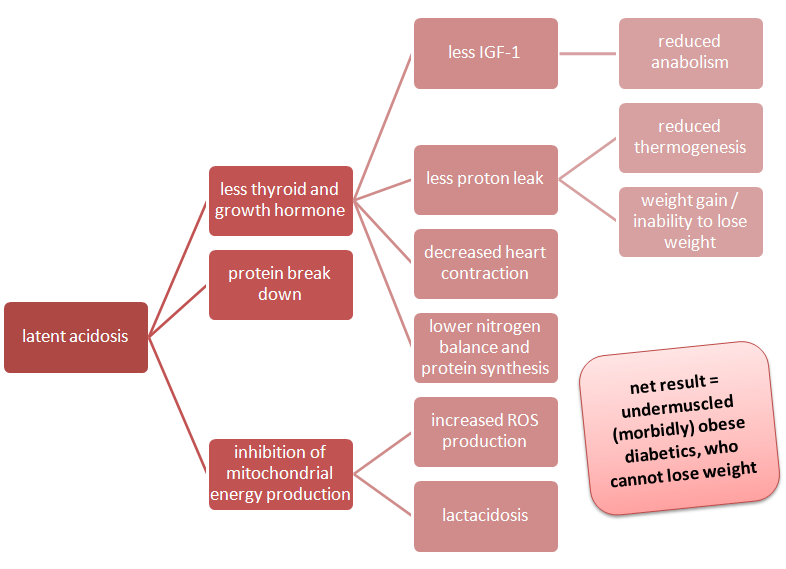
Figure 3: Latent acidoses can set you up to become obese and prevent your hamper your fat loss (Berkemeyer. 2009)
I would speculate that this would also allow them to exploit the previously cited plethora metabolic benefits of being in a more or less alkaline state (see figure 3 and "How Bicarbonate Could Help You Lose Fat & Build Muscle") and would thus turn something as "profane" as an ergogenic aid into a weight loss and health supplement. This appears even more likely in view of the fact that the study at hand clearly shows that it does not matter whether you use a bicarbonate buffer before your workout, or not, when you're done with it, your HCO3 levels will be rock bottom (assuming that you have trained with maximal intensity). That being said, it appears only prudent not to restrict the use of the buffer to the pre workout window, only, but to use it to re-alkalize your body immediately post workout, as well.

And while I doubt that we will see that study being done in the near future, you know that there is no better place to check for the latest news on sodium bicarbonate, aka baking soda or NaHCO3 than right here, at the SuppVersity ;-)
Update => Dr. Andro's Bicarbonate Protein Pudding: Since Spencer asked me on Facebook how / when I use baking soda and I already betrayed my "secret protein pudding recipe" *lol* I thought I'd post it here, as well.

How it's done: You take some quark (this is a German dairy product you US guys usually know as curd cheese; depending on how hungry you are you use ~100-300g), add water maybe 100ml and stir it, you will soon notice that it does not become a smooth pudding, no matter what you do. So, next you add a scoop of casein or protein powder for the flavor you like best, e.g. chocolate, (casein works best, because it also adds to the creaminess). Mix the protein with the white "soup" and then add 1-2 teaspoons of sodium bicarbonate. You will soon realize that what happens now verifies the term "baking soda": your pudding-to-be is going to start raising like dough, keep the water and some stevia at hand and add water + stevia until the stuff has the consistency and sweetness you like best.  

Voila! Dr. Andro's Quark Based Protein Laden Alkalizing Bicarbonate Pudding is Ready! Makes an excellent last meal of the day, as well... but watch out it is really filling ;-)

References:
  • Berkemeyer S. Acid-base balance and weight gain: are there crucial links via protein and organic acids in understanding obesity? Med Hypotheses. 2009 Sep;73(3):347-56. 
  • Driller MW, Gregory JR, Williams AD, Fell JW. The Effects of Serial and Acute NaHCO3 Loading in Well-Trained Cyclists. J Strength Cond Res. 2012 Oct;26(10):2791-7.
  • John SK, Rangan Y, Block CA, Koff MD. Life-threatening hyperkalemia from nutritional supplements: uncommon or undiagnosed? Am J Emerg Med. 2011 Nov;29(9):1237.e1-2.
  • Linderman, JK,Gosselink, KL. The effects of sodium bicarbonate ingestion on exercise performance. Sports Med 18: 75, 1994.

Pre Workout Protein Supplementation 101: Slow or Fast, Bolus or Pulse? Protein Synthetic Response is Identical!

Should she drink her protein shake all at once or in 33ml gulps every 15min, if she has it before her workout? And wait, wouldn't it be better to have the shake afterwards, anyway? A recent study provides some answers.
I don't know if you notices, but it has been a while since the last study from the Exercise Metabolism Research Group at the Department of Kinesiology of the McMaster University in Hamilton, Ontario, Canada, hit the SuppVersity news. Allegedly, I mentioned Stuart Phillips only a couple of days ago, when I referenced the West study on "Associations of exercise-induced hormone profiles and gains in strength" (West. 2012), in the context of the questionable significance of post-exercise increases in testosterone levels, as far as muscle and strength gains are concerned - for those who missed that, it was  in the "Anabolic Workouts Revisited" post from last Monday. That was however about it as far as the news of the last weeks are concerned. So I was already wondering, when the first of you would be showing initial signs of "acute protein synthesis in response to protein ingestion study withdrawal symptoms", when I hit onto the latest study Phillips' group at McMasters participated in. The lead author of the study is however Louise M. Burke who's currently working at the Australian Institute of Sport in Canberra, Australia.

What happens if you ingest your post-workout protein before the workout ;-) ?

The aim of the study, of which the authors explicitly state that it is a quasi-followup to previous results which have conclusively identified fast acting protein sources (mostly whey, in some instances EAAs) as superior triggers, or I should say, promoters of post-exercise protein synthesis, was
"[...] to investigate the effects of manipulating patterns of aminoacidemia from protein sources consumed before a bout of resistance exercise bout." (Burke. 2012)
To this end, Burke et al. simulated the ingestion of slow or fast protein sources by bolus vs. pulse feeding of a leucine-enriched (+5g) whey protein drink (Nestec by Nestlé, sponsor of the study; the reason for the enrichment was to make sure that there would be a decent amount of leucine in each pulse serving).
  • Bolus (B) - 1 x 500ml w/ 25g whey + 5g leucine drink, 14 x 33ml placebo every 15 min
  • Pulse (P) - 1 x 500ml placebo drink,  14 x 33ml w/ 1.79g whey + 0.36g leucine each
  • Placebo - 1 x 500ml placebo drink, 14 x 33ml placebo drink
The subjects, 12 resistance-trained men (age: 27y; body mass: 94.3kg; 1 RM single leg ext.: 42.8kg) with greater than 2 yr of experience of regular (at least twice per week) strength training, who had followed a standardized diet before each of the testing sessions (energy content of 80kcal/kg BM; 45%/34%/21% of the energy from carbs/fats/protein), started consuming their large 500ml beverage and the subsequent 14 small 33ml servings (every 15 min) 45min before they performed a standardized leg training session:
"This bout consisted of a  standardized warm-up, followed by 10 sets of 8–10 repetitions of leg extension at a workload equivalent to 80% of the specific leg 1 RM with 2-min recovery between sets. The leg that performed exercise was alternated for each trial. The duration of the resistance bout was approximately 45 min." (Burke. 2012)
Before during and after the exercise bout blood samples were collected. Muscle biopsies from the vastus lateralis of the exercised leg were taken 45min before, as well as after 1 h and 5 h of recovery.
Figure 1: Serum leucine and insulin levels after bolus and pulse ingestion, expressed relative to placebo group (left) and fractional protein synthesis rate (in %/h) during the 5h following the rest period after the workout (right; based on Burke. 2012)
As you can see in figure 1 the results basically confirmed the scientists expectation that the provision of protein before a workout would work just as well, because - more than anything else - it is the availability (or should I say abundance?) of amino acids in the blood stream that is the main determined of post the actual fractional protein synthesis rate (FSR) after moderate  volume workout like the one the participants conducted in the study at hand. In addition it did, at least as far as the protein synthetic response goes, neither make a significant difference, whether the subjects had all their protion at once before the workout or consumed it in 15min intervals before and during the workout.

Bolus or pulse = fast or slow? Pulsed whey does not equal casein (imho)

What I am personally not happy with, though, is the way Burke et al. equate the "pulse" protocol to the ingestion of a "slow" protein source, such as a micellar casein protein, for example. While they put that into perspective in the discussion of the results (see below) and despite the fact that do see the rationale of Burke et al. not to use a real slow digesting protein like casein in order to have absolutely identical amino acid compositions and to exclude other confounding factors, it is at least in my humble opinion somewhat confusing for the "average" reader. And while it is likely that the results for a "real" slow digesting protein would be similar, this would warrant direct experimental evidence. A fact the authors only hint at indirectly towards the end of the discussion of their results, when they state:
"[...] A specific issue in interpreting the finding of these previous studies and in increasing the utility of the concept of ‘‘fast’’ and ‘‘slow’’ dietary proteins is the difficulty of determining the individual and interactive contributions of the different AA composition of protein-rich foods and the digestibility of proteins or protein-rich meals to the pattern of delivery of these AAs. Our protocol, in which the same (fast) protein was consumed to achieve its traditional AA profile or as a series of small divided feed-ings to replicate the plasma leucine response associated with a slow protein, provides an opportunity to differ-entiate these effects." (Burke. 2012)
But hey, who knows, maybe that's going to be the research question of the next paper... and in the mean time it will spare you to buy two or even more different protein powders ;-)

"So what's better Dr. Andro? Pre- or post-workout protein supplementation?"

I guess most of you won't care anyways, as there is another question that's now preying on your minds... but to be honest, I can't provide you with a definite answer to it (see headline). What I can do, however is compare the study by West et al. (West. 2011) which used 25g of whey protein post workout to the one at hand (Burke. 2012).
Figure 2: Fractional protein synthesis (FSR in %/h) after the workout with post workout protein ingestion (West. 2011) and pre workout protein ingestion (Burke. 2012) on the left; relative increase in FSR in the two trials (compared to fasted for West. 2011 vs. Placebo for Burke. 2012) on the right (please mind that this is by no means a scientifically valid comparison, it's more of a "food for thought illustration"!)
I've done just that for you in figure 2, and what this comparison tells you is that it does not make a difference, whether you ingest all your protein as a bolus after a workout or start "pulse ingesting" (mind my words in the previous paragraph wrt to "slow != pulse") your protein 45min before the workout - at least, if you take the relative increase in fractional protein synthesis as a measure (figure 2, right). 

Unfortunately, both the composition of the protein supplement (25g whey in West. 2011 vs. 25g whey + 5g leucine in Burke. 2012), as well as the exact outcome variables that were measured (1-3h and 3-5h FSR in West. 2011 vs. 5h post workout FSR in Burke. 2012) were different, so that the comparison of the relative increases in protein synthesis I plotted on the right hand side of figure 2 is actually not 100% valid.

Moreover, and this is something I know a couple of you will now be thinking of, this comparison does by no means allow for any quantitative predictions with respect to the question of ...

What would happen, when you do both: Pulse ingest before and bolus ingest afterwards?

If  you don't remember or - even worse ! - have not read the previous SuppVersity post "Protein Synthesis Beyond the '20g Limit': Study Shows Exercise Facilitates 32% Greater Increases in Fractional Protein Synthesis With 40g Instead of 20g of Whey PWO" click on the image and (re-)read it ;-)
In view of the fact that the existence of a "threshold level" of protein intake, where the addition of even more protein won't yield any further benefits appears to be self-evident, the exact amount of this limit has yet still to be determined. At least after a workout, it seems that this threshold would be higher than the 25g and 20g of protein the subjects ingested in the Burke and West studies, respectively (please read my previous post "Protein Synthesis Beyond the 20g Limit" for a more detailed discussion of this topic).

That being said, it is reasonable to assume, but would likewise warrant experimental verification, that the combination of both protocols could increase the fractional protein synthesis even further. Yet while I am 100% sure that they won't simply add up, I would hesitate to bet money that the difference would actually reach statistical significant... at least with a low volume leg extension workout as it was used in the studies at hand.

References:
  • Burke LM, Hawley JA, Ross ML, Moore DR, Phillips SM, Slater GR, Stellingwerff T, Tipton KD, Garnham AP, Coffey VG. Preexercise aminoacidemia and muscle protein synthesis after resistance exercise. Med Sci Sports Exerc. 2012 Oct;44(10):1968-77.
  • West DW, Burd NA, Coffey VG, et al. Rapid aminoacidemia enhances protein synthesis and anabolic intramuscular signal-ling responses after resistance exercise. Am J Clin Nutr. 2011; 94:795–803. 
  • West DW, Phillips SM. Associations of exercise-induced hormone profiles and gains in strength and hypertrophy in a large cohort after weight training. Eur J Appl Physiol. 2012 Jul;112(7):2693-702.  

Protein Timing Does Matter! Yet Only in Trained Men. More Than 2x Higher Relative Protein Retention W/ Immediate vs. 6h Post Whey Consumption in Bodybuilders vs. Rookies

Drop the weights, grab the shake! Timing matters for advanced trainees.
I guess you'll all have followed my suggestion to read Brad Schoenfeld's, Alan Aragon's and James Krieger's excellent review of the effects or protein timing on skeletal muscle hypertrophy, last year. In said paper, the two conclude that their review would "refute the commonly held belief that the timing of protein intake in and around a training session is critical to muscular adaptations" (Schoenfeld. 2013)

Certainly a reasonable conclusion based on the evidence they present. With the recent publication of a study by Hiroyasu Mori from the Department of Nutrition Management at the Hyogo University, future reviews will yet probably have to distinguish according to the training status of the athletes.
You can learn more about protein intake at the SuppVersity

Are You Protein Wheysting?

5x More Than the FDA Allows!

Protein requ. of athletes

High EAA protein for fat loss

Fast vs. slow protein

Less Fat, More Muscle!
In his latest study, Mori investigated the effect of the timing of protein and carbohydrate intake after resistance exercise on nitrogen balance in trained and untrained young men. By dividing his 20 healthy male subjects between the age of 20 and 29 into two groups, i.e.
  • those Mori calls "bodybuilders" and who regularly performed resistance exercise were assigned to the trained group (n = 10; mean age, 23 ± 4 years; height, 173.8 ± 3.1 cm; weight, 72.3 ± 4.3 kg) and
  • those of which Mori writes that they were "recreationally trained" but without resistance training experience were assigned to the untrained group (n = 10; mean age, 23 ± 1 years; height, 171.8 ± 5.0 cm; w eight, 64.5 ± 5.0  kg),  respectively,
Mori added an element to the equation that has been overlooked in previous studies. An element that would allow him to answer the question:

Do the same rules apply for untrained subjects and bodybuilders with 6.2 ± 2.8  years of training experience?

In view of the fact that the majority of studies that investigate the long(er) term hypertophy effects of resistance training are conducted with training noobs to make sure you can measure meaningful and statistically significant changes after only a few weeks, the previously cited conclusion by Schoenfeld et al. is also based mostly on data from rookies or the infamous "recreationally active" study participants.
Figure 1: Overview of the experimental design (Mori. 2014)
As you can see in Figure 1, both groups, i.e. the bodybuilders and recreationally active rookies, were subjected to the same exercise + supplementation protocol in this 4-week randomized crossover trial.
"In the P0 experimental period, subjects consumed protein and carbohydrate supplements 5 min after resistance exercise, and in the P6 experimental period, subjects consumed the same supplements 6 h after exercise. A washout period >7 days was applied before each experimental period. During each 11-day experimental period, the first 8 days were defined as an adaptation period for muscle to adapt to the energy and nutrients from the experimental food and supplements prepared by the examiner. During the next 3-day period (day 9 to day 11), 24-h urine samples were collected. The two experimental schedules are shown in Figure 1. " (Mori. 2014)
Because at least 7 days of adaptation and 3 days of urine collection are needed to calculate nitrogen balance (Jordan. 2010), the resistance exercise schedule in the P0 and P6 experiments lasted for 11 days: 8 days of adaptation (two cycles of resistance exercise for 3 days and rest for 1 day) and 3 days of urine collection.
Are urine collections valid measures of protein retention? I would prefer a 12-week study that measures the net muscle gain in response to immediate vs. 6h post supplementation as well. In the end, the 3+ day urine collection is probably still a better measure of the amount of protein that's actually used to "build lean mass" (remember this way we cannot distinguish where the protein was stored - we only know that is was not metabolized and excreted!) than the acute measures of protein anabolic signalling you see in many other studies - a measure of which Mitchell et al. have shown that it does not correlate with resistance training-induced muscle hypertrophy in young men (Mitchell. 2014), only recently.
Prior to each experimental period, body composition and one-repetition maximum (1RM) were measured, and questionnaires on daily activity were completed.
 "In daily experimental sessions, subjects performed the following resistance exercises: 4 sets of 8 to 10 repetitions of resistance exercise consisting of leg press, leg extension, and leg curl on experimental days 1, 5, and 9; bench press, shoulder press, and triceps pushdown on experimental days 2, 6, and 10; and lat pulldown, biceps curl, and rowing on experimental days 3, 7, and 11. All exercises were performed at 80% RM, and each set was followed by a 2-min break." (Mori. 2014)
Before the experimental session each day, subjects used a cycle ergometer (Aerobike 800; Combi Wellness Corporation, Tokyo, Japan) at 100 W for 10 min to warmup. Each exercise session was scheduled to take place between 10:00 and 11:00. The subjects were instructed not to participate in any other sports activities during the experimental period.

The diets were standardized to 1.5g/kg body weight

In spite of the fact that the bodybuilder group consumed ~13% more energy per day, both the total (1.5g/kg per day), as well as the supplemental protein intake (0.5g/kg of whey protein + 0.8 g/kg dextrin body weight) were standardized. In that, the amount of protein per meal was defined as follows:
  • P0 experimental period: Subjects had to ingest protein (0.3 g/kg body weight) and carbohydrate (0.8 g/kg body weight) immediately after resistance training.
  • P6 experimental period: Subjects had to ingest protein (0.3 g/kg body weight) and carbohydrate (0.8 g/kg body weight) 6 h after resistance exercise session.
The total energy intake, total protein intake, and protein intake per  body  weight  (kg) were  calculated  by  a  registered dietitian and the protein balance was assessed by analyzing the nitrogen excretion in the urine.
Figure 2: Net protein balance per body weight and per lean body mass (LBM) when the post-workout protein + carbohydrate shake was consumed immediately after or 6h after the workout (Mori. 2014)
And, as you can see in Figure 2, a comparison of the net protein balance in the two groups during the immediate post vs. 6h post consumption periods clearly indicates that protein timing does matter, even if it's just for the experienced resistance trainee, for whom the study at hand shows that his nitrogen balance is less positive than that of the rookie anyway.

Apropos total protein intake and nitrogen balance, the average total protein intake in the studies reviewed by Schoenfeld et al. was after all slightly higher (1.66 g/kg/day). This, as well as the general believe that bodybuilders should consume tons of protein make me question whether the results would have been different, if total protein intake had been 2.0 or even 2.5g/kg per day instead of just 1.5g/kg. Personally, I don't thinks so, but it would be worth a try, anyway.
(1) Thou shalt not wait 6h to consume protein after a workout (2) Thou shalt not wait 6h to consume carbs (not necessarily ultra fast digesting, though) after a workout either | learn why
Bottom line: If you're striving for maximal muscle and performance gains, specificity is key; and the study at hand specifies that you have to specifically make sure to get your post-workout nutrition "immediately" post workout and not 6h later if you (a) want to maximize net protein retention and (b) are already beyond those first happy months in the course of which you just have to look at a dumb- or barbell to grow ;-)

Ah, and when you're at it, I suggest you also include 5g of creatine monohydrate in your postworkout shake. The latter has after all also been shown to work a tad better, when it's consumed after the workout | learn more.
Reference:
  • Jordan, Leora Y., et al. "Nitrogen balance in older individuals in energy balance depends on timing of protein intake." The Journals of Gerontology Series A: Biological Sciences and Medical Sciences 65.10 (2010): 1068-1076.
  • Mitchell, Cameron J., et al. "Acute Post-Exercise Myofibrillar Protein Synthesis Is Not Correlated with Resistance Training-Induced Muscle Hypertrophy in Young Men." PloS one 9.2 (2014): e89431.
  • Mori, Hiroyasu. "Effect of timing of protein and carbohydrate intake after resistance exercise on nitrogen balance in trained and untrained young men." Journal of Physiological Anthropology 33 (2014): 24.
  • Schoenfeld, Brad Jon, Alan Albert Aragon, and James W. Krieger. "The effect of protein timing on muscle strength and hypertrophy: a meta-analysis." Journal of the International Society of Sports Nutrition 10.1 (2013): 53.