.

.
marylin monroe
Showing posts with label eggs. Show all posts

A Fat D-Ficiency! Do You Really Need More Vitamin D or Simply More Fatty Foods? Study Shows, Even 50.000 IU of Vitamin D3 Useless, When You Ingest It Without Fat.

 Image 1: Fatty fish and organ meats aside, whole eggs and full-fat dairy are your best food choices to raise vitamin D levels - I would even venture the guess that they (combined with fish and organ meats) would make supplementation obsolete, even in the Nothern hemisphere (if you "load up" on sun in the summer).
Those of you who have been following my daily blogposts, here at the SuppVersity for more than the last couple of days will be aware that I am one of the few outspoken vitamin D (-supplementation) skeptics. I am by no means doubting the scientific data which clearly indicates that low vitamin D levels (low in medical, not in "Internet blogosphere" terms) are associated with all sorts of diseases. I do not question the hypothesis that, from a biomolecular perspective, vitamin D has more of a hormone than of a "vitamin" (=essential nutrient). And I do not challenge the use of vitamin D(3) supplements by people with low or even borderline low vitamin D levels (although this blogpost may change the way you ingest them ;-). What I do yet call into question is the hilarious idea that every Joe and Jane in the Western hemisphere could benefit from taking "at least 2.000IU of vitamin D" per day.

Re-thinking dietary (=supplemental) vitamin D

Hitherto, the only Joes and Janes who have profoundly benefited from this one-(XL-)size-fits-it-all approach are the producers of respective supplements. Convincing scientific data from controlled studies which would show that the consumption of large amounts >1.000 IU of vitamin D capsule or pill form, exert any verifiable health benefit for someone with normal (or even low-normal) vitamin D levels is absent. The (remote?) possibility that there actually is no benefit, aside, there are yet a few other possible explanations why - epidemiological data aside - scientific evidence for the benefits of vitamin D3 supplementation in a non-vitamin-D-deficient cohort is still lacking:
    Image 2: Who would buy all those toxic, but expensive drugs, if it turned out that by taking a non-patentable "vitamin" the diseases they were invented for could be prevented?
  1. Lack of financial interest from the side of the pharma companies: Vitamin D is obviously non-patentable and if it could, as many people believe, prevent diabetes, stroke, heart disease and cancer, the use of respective supplements would obviously put the pharmaceutical industry out of business.

    Note
    : The pharmaceutical industry has already been trying to come up with patentable vitamin D analogues, of which they claim that they would lack the largely non-existent negative side-effects of the real vitamin - I guess, you can you tell which way the wind is blowing?!

    Financial revenue could thusly be a major factor, as it is obviously pretty costly to set up a tightly controlled, appropriately powered randomized, placebo-controlled study on healthy people. Even large scale epidemiological studies, on the other hand, can be done by a group of graduate students, by just plugging into respective databases and doing some more or less sophisticated statistical evaluations on existing data sets.

  2. Insufficient dosing or study periods that are simply too short to yield results: I have, in the past seen studies, even I, as a avowing skeptic, would not cite to underline my argument that we do not have enough scientific evidence that supplemental vitamin D is not the savior people may make you believe. I mean, if you assign a group of say 20 people to 400IU of vitamin D for 4 weeks and see no changes in a handful of pretty random markers of health and disease, this is unquestionably not an argument against the potential usefulness of vitamin D supplementation.

  3. Adding vitamin D3 supplements to a "healthy" low fat diet: Assuming that this point has immediately caught your eye, I want to encourage you to read the rest of this blogpost, as this, i.e. the necessity of adequate amounts of dietary fat, to absorb vitamin D3 is what the rest of this post will revolve around.
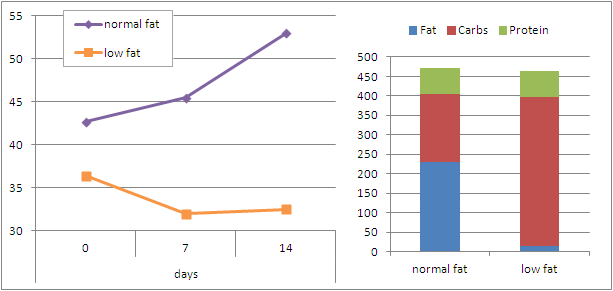
Fatty fish, eggs, organ meats, full fat organic (raw) dairy products - all those good foods which have been banned from YourPlate (at least if it contains what the US government's MyPlate suggests is healthy) are not only high in vitamin D, they are also high in fat. Against that background and in view of the fact that our ancestors did not buy their vitamin D at the local health food store, it is only reasonable to assume that our digestive tract was designed to absorb the little additional vitamin D we are supposed to get from foodstuff (you know that I am a firm believer in the power of sunlight - even beyond vitamin D) in the presence of fat. And guess what, a recent study, which was obviously not published in the Journal of the American Medical Association (cf. 1. in the previous list of possible explanations for the lack of conclusive scientific evidence on the usefulness of vitamin D supplementation), shows exactly that: without the concomitant presence of significant amounts of dietary fat, even 50.000IU of supplemental vitamin D3 have no effect on the serum levels of 25(OH)D, the active form of vitamin D (Raimundo. 2011, cf. figure 1).
Figure 1: 25(OH)D levels of 30 healthy men and women after ingestion of 50.000IU vitamin D3 supplement in conjunction with a normal or low fat breakfast (data calculated based on Raimundo. 2011)
And, as the detailed macronutrient breakdown in figure 1 (right) shows, the "high fat" breakfast the 30 young (~27y), healthy, non-obese, vitamin-d sufficient men (n=12) and women (n=18) ingested with a 50.000IU vitamin D3 capsule in the morning after an overnight fast, did not even consist of eggs and bacon. It was comprised of whole milk, white bread with bologna, and vegetable oil margarine and the whole milk aside, probably not much healthier than the skim milk, white bread with fruit jelly, and fruit salad breakfast the low-fat group had to eat. The additional 23.9g of fat did nevertheless make a huge difference, as far as the absorption and subsequent utilization of the vitamin D3 supplement is concerned.

No fat, no sun, no vitamin D - regardless of supplementation

Image 3: Get your D from the sun, if you can!
In view of the fact that the subjects were advised to "avoid sun exposure and changes in their usual eating pattern [which were probably low in dietary vitamin D] for the next two weeks", it is thusly hardly surprising that contrary to the "high fat" (I deliberately labeled it "normal fat" in figure 1 ;-) group, the subjects in the low fat breakfast group suffered a -11% decline in 25(OH)D serum levels over the 14-day follow up period, which other than the inter-group difference of 35% (!), did not reach statistical significance (mainly due to the small number of participants, where inter-subject variability renders even relatively profound differences "statistically non-significant").


And while the scientists concede that the small scale of the study, the lack of detailed recordings of the subjects' dietary vitamin D intake in the course of the 14-day follow up period and the reliance on 25(OH)D level as single surrogate for serum vitamin D levels (remember that we are actually talking about a whole host of "vitamins D") are limitations of their study, Raimondo et al. are nevertheless right to conclude that their "findings can have important implications to define the adequate dietary intake of vitamin D"... implications, which may well go beyond the mere recomendation to take your vitamin D with fat. After all, increased absorption would mean decreased need for supplementation and who knows whether you could not easily satisfy your dietary vitamin D requirements without any supplements, if you just set the "low-to-no fat, no dangerous organ meats" dietary recommendations at naught?

Fructose Impairs Fatty Acid Oxidation: Replacing 26g of Starch and Lactose in low GI Meal by Fructose Decreases Postprandial and Exercise Fatty Acid Oxidation by -21%

Image 1: With just bacon and eggs for breakfast you would not run the "risk" of reducing fatty acid oxidation.
A carby meal, i.e. a meal with a high amount of carbohydrates, right before workout triggers a shift in substrate utilization, i.e. the type of energy resource, your body will use to fuel the subsequent workout, from fats to carbohydrates, right!? But does it make difference whether you eat a Snickers bar or drink a can of Coca Cola, if both contained the same amount of carbs? Or, in other words, does the source and/or the glycemic index of your pre-workout meal have an impact on the respiratory quotient (RQ), which is the quotient of the amount of exhaled CO2 and inhaled oxygen, with higher RQs (towards 1.0) indicating that you are predominantly running on carbs, and low RQs (towards 0.7) indicating that you derive a greater part (not all!) of your energy from fatty acids.

Orange juice with breakfast? Better not...

The question, whether GI and carbohydrate type of a meal would have a significant impact on the postprandial glucose, lactate and free fatty acids levels, as well as the insulin response and the subsequent carbohydrate and fatty acid oxidation in the course of a low intensity 1h walk, has been bothering Feng-Hua Sun and his (or her?) colleagues from the Department of Sports Science and Physical Education at the Chinese University of Hong Kong, too. In a counter-balanced crossover design (>=7 days between trials; identical, recorded diet in the 3 days before each trial), all 10 healthy male subjects reported fasted (10-12h) at the laboratory, where they consumed one out of three meals with identical macronutrient composition, yet varying carbohydrate sources and glycemic indexes (cf. figure 1).

Figure 1: Macronutrient (in g) and ingredient composition of
the three test meals (according to Sun. 2011)
As you can see, the meals have identical caloric values and macronutrient compositions. Unfortunately, the differences between the ingredients go beyond their plain sugar vs. starch vs. fructose content. After all, spaghettis are not rice and milk is not ham ... this is a design flaw, of which I think that it impairs the significance of the results, but hey! At least the Chines have grasped the idea that calorie is not a calorie...

After all participants had finished eating their "delicious" breakfast, they remained seated for another 120min, in the course of which they had to drink 2ml of water per kg of body weight every 30 minutes "to ensure adequate hydration and balance the water content of the meals".

After these sedentary 2 hours, the subjects performed a standardized 5 min warm-up at 40%  of their individual VO2 and then completed 60 min of brisk walking at 50% of their VO2max.
Figure 2: Differential postprandial (2 hours) glucose (left) and insulin (right) response to the three test meals
(data adapted from Sun. 2011)
As you can see in figure 2, there were significant difference in the postprandial (120 min before exercise) glucose and insulin response to the different meals. Yet, while the difference between the low and high GI meals was something you should have expected, judged by the GI, the fructose enriched LGF meal should not have produced greater glucose (+63% area under the curve, cf. figure 2, left, small graph) and insulin (+62% area under the curve, cf. figure 2 right, small graph) responses than the low GI, no fructose meal, which, in fact, had a slightly lower glycemic index.
Figure 3: Postprandial (2 hours) lactate concentration in the 10 subjects after ingestion of the three test meals
(data adapted from Sun. 2011)
What is yet even more striking is the profound increase in lactate concentration during the prostprandial (not the exercise phase) in the subjects who consumed the fructose-containing meal (cf. figure 3). With +211% (lactate AUC) the postprandial lactate concentration in the LGF group is more than 3x higher than in the LG group! A clearcut sign for an increase in hepatic glycolysis and probably part of the reason that we are seeing increased carbohydrate and decreased fatty acid oxidation rates in the course of the subsequent walking exercise (cf. figure 4).
Figure 4: Postprandial, during exercise and total substrate utilization (in g) subsequent to the ingestion of the three different test meals (data adapted from Sun. 2011)
Postprandially, the increase in carbohydrate oxidation is even more pronounced in the LGF group than in the HG (sugar) group. That being said, the total reductions in fatty acid oxidation are -21% for the low GI fructose (LGI) and -23% for the high GI sugar (HG) group and thusly, within their respective statistical margins, identical!

With respect to the underlying reasons of this disadvantageous shifts in substrate utilization, Sun et al. speculate, that the mechanism
[...] behind this may be the reduced hyperglycemia and hyperinsulinaemia during the postprandial period following LGI meal consumption. [...] In addition, it is well known that insulin can suppress the lipolysis. This suppression appears to be long lasting, even when insulin concentration has returned to basal levels.
The last part, here, is of particular interest, because, obviously, after a few minutes of walking and with the increased need for carbohydrates the insulin levels of all subjects (regardless of the composition of their prior meals) dropped to levels ~2-3mU/L. Now the insulin response in the LGF group was still smaller than the one of the high GI (HG) group, so that the scientists assume that the ability of the fructose to bypass first rate-limiting enzymes of glycolosis in the liver, which renders it readily available for oxidation, must explain why the ratio of carbohydrate to fat oxidation was still similarly skewed in both, the low GI, plus fructose, and the high GI groups.

Image 2: I wonder if nutritionists will ever understand that there is difference between fructose powder (left) and an apple (right)
Although these results stand in line with the detrimental effects of fructose sweetened foods, I would still like to see two methodologically flawless studies with a) meal 1 not using different foods (I mentioned that in the 4th paragraph of this post already) and b) fructose from whole fruit and not in the form of the powdered poison Sun et al. just dissolved in water and added to their meals... and you know, in case these studies will be done - sometime in the distant future, when mainstream nutritionists will finally understand that not only is a calorie not a calorie, but that powdered fructose is also not an apple, you will read about that on the SuppVersity, first!

Underestimated Vitamin D Sources: Especially Eggs, But Also Chicken, Pork, Fish & Dairy Contain an Overlooked, Physiologically Relevant Amount of Ready-Made 25OHD

What do you need for a high 25OHD picnic on day at the beach? Eggs!
Regular SuppVersity readers know: The slowly abating vitamin D hype is driving me up the walls. Whenever you search a database for recent articles with the word "vitamin" in it, you are flooded with papers on vitamin D - many of them simplistic adulations without any new data or information. Others are totally irrelevant experiments on cell lines or non-significant epidemiological analyses, where no one can tell you whether the low vitamin D levels are mechanistically or corollarily involved in whatever the scientists are trying to tell you vitamin D was beneficial for.

Among all this mess, you can still find a handful of interesting papers. You just have to look close enough to spot gems such as a review by Ovesen, Brot and Jakobsen (2013).

Are Eggs the Best Dietary Vitamin D Source We Have?

"Eggs? The best vitamin D source?" I don't have the hubris to say that eggs are the absolute #1, but considering the fact that eggs are the #1 source of "actual", preformed 25OHD, aka 25-hydroxyvitamin D*, in our diets, you are probably going to agree that eggs may well be the most underrated source of vitamin D in our diet (25OHD is what doctors and scientists will measure in your blood stream; most essays measure total 25OHD, so I will not differntiate the different forms here).
Preformed vitamin D? Isn't that dangerous? No, quite the opposite: Pharmacologic doses of 25OHD do not change or may even decrease plasma levels of 1,25(OH)D, aka calcitriol, which can potential cause calcification (Trummel. 1669; Heaney. 1997). When you are D-ficient, though, your body will retain the 25OH. This is particularly interesting for people with intestinal malabsorption, for whom 'regular' vitamin D supplements, i.e. vitamin D3, aka cholecalciferol, or vitamin D2, aka ergocalciferol, don't work (Francis. 1983)
When it comes to vitamin D, eggs, fish, dairy, meat and offal are quite unique. All of them contain "vitamin D" in the still-to-be-converted D3 form you all know. What only few people know is that they also contain the celebrated vitamin D metabolite 25-hydroxyvitamin D (25OHD). This is not only the form your doctor will measure, when you ask for a "vitamin D test", it's also the "vitamin D" that has been linked to all sorts of health benefits in the aforementioned epidemiological studies.

If you want to increase or maintain your 25OHD levels, it is obviously an advantage if you don't have to rely on your body to transform the dietary D2 + D3 into 25OHD. It is even better though, if the efficacy of this "supplement" (as of now I have not seen 25OHD in caps, so you better stick to eggs) has a higher bioavailability than its non-polar precursor, vitamin D3, which is absorbed mainly into the lymph (Thompson. 1966; Blomstrand. 1967).
"[T]he more polar metabolite 25OHD at physiological concentrations is also absorbed directly, and more rapidly and efficiently, from the proximal jejunum into the portal vein independent of fat absorption. These findings are consistent with results from clinical studies, which have found better absorption of 25OHD versus vitamin D in patients with fat malabsorption. Also, in healthy subjects and in patients with bone disease  25OHD is absorbed better and faster than vitamin D." (Ovesen. 2013)
I would hope that you are by now at least considering to eat an egg instead of popping dozens of vitamin pills. For those who still need actual data before they subscribe to the egg-ological approac to vitamin D 'supplementation', I have compiled a couple of figures in Table 1:
Table 1. 25OHD content (µg/100g) of chicken & egg, pork, beef, fish, dairy (various sources; cf. Oveson. 2013)
With respect to fish it's worth mentioning that the exact concentrations vary from species to species. Moreover  25OHD content of fish is distributed relatively evenly in muscle, fat and organ mass of the fish - much in contrast to vitamin D3, by the way, which is contained mostly in the organs, specifically the liver. For the average human being this means that he or she will actually get his / her share of 25OHD with every serving of fish. For vitamin D3 that's clearly not the case, because few of us actually eat cod liver on a regular base.

The sentence "You Eat What You Feed" is not new to SuppVersity regulars - it's also the title of an older article discussing how you can use food additives to increase the Omega-3 content of your steaks, milk and other animal products | read more
Another thing we should not forget is the influence of the diet. As you as a SuppVersity reader know, it's very difficult to predict the exact amount of almost every nutrient you will get from the products you buy at the super market, in this day and age of food supplements and synthetic chow (see "You Eat What You Feed: How Much Omega-3s Can You Possibly Pack into a Single Steak? The Impressive Effects of a "Grass(+)" Diet on Raw Meat & Meat Products" | read more).

If you ate the bacon of the pigs in the Thompson study from the late 1960s, for example, you would get a whoppy dose of 0.7–2.0µg 25OHD per 100g and thus max. 10x more than from regular bacon. Why? Easy: The sows were on a(n extremly) high vitamin D diets (total D-intake was 2–3mg/day for 2-3 weeks; Thompson. 1966).
What's the "minimal" vitamin D level: If we take the most recent study by Tepper as our guide, you need much less vitamin D to keep your heart disease risk, or rather the markers that have been associated with the latter in check.
In their study, the scientists measured the vitamin D levels of 400 healthy men (age 25-65 years) and identified their relationship to fasting plasma insulin (FPI), fasting plasma glucose (FPG), triglycerides (TG), high sensitive C-Reactive Protein (hs-CRP), blood pressure and triglycerides and found that (a) vitamin D status is related to cardiometabolic indicators in healthy men and that (b) their data would suggest that 11−14 ng/ml should be defined as the minimal vitamin D threshold. So, if you are below that mark you are in for trouble and supplementation actually necessary.
Egg yolks instead of pills? The question, whether you can trash your vitamin D3 (or D2) supplements, as long as you make sure you get your daily dose of egg yolks (the 25OHD is in the yolk, not the egg white!), is difficult to answer. The 'potency' of oral 25OHD is estimated to be 1.5-5x higher than the one of 'regular vitamin D3' the form of 'D' you will find it in the majority of OTC supplements. Since we don't even know how much D3 a given individual actually needs the best thing you can do is to get tested, even if the estimated equivalent values and bioactivity were accurate.

The optimal dietary / supplemental intake is not the only thing that's still highly debated, though. The "optimal" serum levels are similarly dubious. While there appears to be a consensus that you would be ill advised not to take action, when your 25OHD levels come back in the deficiency zone from 30ng/ml-0ng/ml, the answer to the question whether it makes sense to opt for the 'magic' 80ng/ml depends on the expert you ask.

In view of the emerging importance of free vs. total vitamin D, the 25OHD number (=total) on your blood test may soon be deemed completely irrelevant, anyways. There are after all numerous recent studies that support the hypothesis that free 25OHD and not total 25OHD is, where the magic happens. In fact, I have only recently covered two of them in the SuppVersity Facebook news. News-item (1) deals with vitamin D binding and insulin resistance (read more) and news-item (2) addresses the correlation between the free vitamin D and lipid levels in the blood.

References: 
  • Blomstrand R, Forsgren L: Intestinal adsorption and esterification of vitamin D31,2-3H in man. Acta Chem Scand 1967;21:1662–1663. 
  • Francis RM, Peacock  M, Storer JH, Davies AEJ, Brown WB, Nordin BEC: Calcium malabsorption in the elderly: The effect of treatment with  oral  25-hydroxyvitamin  D3.  Eur  J  Clin Invest 1983;13:391–396. 
  • Heaney RP, Barger-Lux MJ, Dowell MS, Chen TC, Holick MF: Calcium absorptive effects of vitamin D and its major metabolites. J Clin Endocrinol Metab 1997;82:4111–4116. 
  • Ovesen L, Brot C, Jakobsen J. Food contents and biological activity of 25-hydroxyvitamin D: a vitamin D metabolite to be reckoned with? Ann Nutr Metab. 2003;47(3-4):107-13. Review. 
  • Thompson GR, Lewis B, Booth CC: Absorption of vitamin D3-3H in control subjects and patients with intestinal malabsorption. J Clin Invest 1966;45:94–102. 
  • Trummel CL, Raisz LG, Blunt JW, DeLuca HF: 25-Hydroxycholecalciferol: Stimulation of bone resorption in tissue culture. Science 1969; 163:1450–1451. 

Particle Size & LCAT Analysis Shows: Three Whole Eggs per Day Improve Lipid Profile in Men & Women W/ MetSyn. Plus: Up to 700% Increased Lipid Oxidation in Hardboiled vs. Fresh Omega-3 Eggs From Hens on Fish Oil Diet

"Not the yellow part of the egg!", is the literal translation of "Nicht das Gelbe vom Ei!", which is German and means "not exactly brilliant" - telling isn't it?
As a regular here at the SuppVersity you will probably have come across a line like "make sure to get at least 20g of quality protein (meats, poultry, eggs, fish, dairy) with every meal!" at least once. If we discard the fish, which is, outside of the occasional discussions about mercury and other heavy metals in our food chain, about the only of these highly nourishing foods, the various experts appear to agree is healthy for you, all of them are to be consumed only "on occasion", "in moderation" and preferably in their "lean" or "low-fat" varieties. And while you (should ;-) have read about the beneficial effects of full-fat dairy, yesterday, and about the actually not so bad "bad meats" in the "Meat-O-Logy" post from August 17, 2012, I thought I'd take the forthcoming publication of a paper by Christopher N. Blesso, Jeff Volek et al. as incentive to remind you not to make the mistake and flush the yolk, the best part of the egg, down the toilette.

Recipe for disaster? Take 20 men and women with metabolic syndrome, 5040 whole eggs...

With 40 men and women aged 30–70 years who had been classified with metabolic syndrome the researchers from the University of Connecticut and University of Antioquia in Medellin, Columbia, intentionally picked a representative sample from the ever-increasing number of people with metabolic syndrome for their 12-week dietary intervention trial. I mean, who if not the men and women in this high risk group should suffer from the negative side effects of the cholesterol-laden yellowy, orange-yellow heart killers in disguise?

AHA Definition of Metabolic syndrome
according to Grundy. 2004
Abdominal obesity (waist)
  Men >102 cm
  Women >88 cm
Triglycerides≥150 mg/dL
HDL cholesterol
  Men 40 mg/dL
  Women 50 mg/dL
Blood pressure≥130/≥85
Fasting glucose≥110 mg/dL
The assumption that subjects with established metabolic syndrome (for the "official" criteria check out the table on the right) is however one of the very few things the study at hand and studies like the one that triggered such an upheaval in August (see Sciencedaily. 2012) have in common. Instead of relying on total, low density and high density lipoprotein levels in the sera of their study participants, Blesso et al. conducted a differential analysis that included paricle number, size (measured by nuclear magnetic resonance spectroscopy), apolipoproteins (apos), oxidized LDL (oxLDL), cholesteryl ester transfer protein (CETP) and lecithin-cholesterol acyltransferase (LCAT) activities at baseline and after 12-weeks on a carbohydrate-restricted diet (25%–30% energy) that contained either  3 regular whole eggs/day (EGG, n = 20) or the volume equivalent in form of a yolk-free egg substitute (manufactured by Sysco Corporation, Houston, TX).

Accordingly, the subjects in the "real egg group" (EGG) consumed approximately 534 mg cholesterol, 0 g carbohydrate, 16 g protein, 12 g fat per day (186 kcal) from hole eggs, while a single serving of the cholesterol and fat-free substitute (SUB) contained approximately 2 g carbohydrate, 14 g protein, no fat, no cholesterol and only 60 kcal.

To minimize possible confounding factors and allow for "blinding" (you can't tell me you don't taste the difference between egg whites and whole eggs, but alas...), the eggs / egg supplements were prepared in advance.
"Compliance was monitored by use of weekly questionnaires and collection of empty product containers. Participants were asked to maintain their normal physical activity, medications, and dietary supplement usage upon starting the 12-week study." (Blesso. 2012)
To be able to track the dietary intake of the subjects, all participants had to fill out 5-day dietary intake records (3 weekdays + 2 weekend days) at baseline, week 6 and week 12 of the study period. Based on the analysis of the respective data, the scientists determined that
  • increased relative protein intake from 17.3%± 3.0% to 23.9%± 4.1%
  • increased relative fat intake from 38.6%± 6.4% to 45.7%± 7.4%
  • reduced total energy intake of -24% for all participants
  • reduced relative CHO intake from 40.9 ± 7.4 to 28.3 ± 9.5% of total energy 
  • reduced absolute CHO intake from 211.9 ± 51.8 to 114.5 ± 55.0 g/d 
Moreover, there were "significant differences between groups for dietary cholesterol intake (EGG vs. SUB, P < 0.0001) and dietary choline intake (EGG vs. SUB, P < 0.0001)"
  • Δ cholesterol intake +106% in EGG vs. -38% in SUB
  • Δ choline intake +52% in EGG vs. -12% in SUB
In that, it is important to point out that these changes and their metabolic effect should not be seen in isolation, because choline plays a major role in the metabolism, transport and incorporation of cholesterol into the cell membrane (read more about choline in "Old School Supplements - Choline: Stronger, Faster, Leaner & More Muscular, or Just Another Dumb-and-Barbell Story?").

"So, the men and women in the egg-group did not die?"

Not exactly, no. Rather than being as bad as cigarettes (as the aforementioned "study" that was published roughly 2 months ago would make us believe; Spence. 2012), the consumption of three eggs per day lead to rather favorable changes in the lipoprofile of the EGG consumers:
Figure 1: Lipoprotein serum levels (left), particle size and ratio of LDL to HDL count (right) of the 37 participants who completed the 12-week trial (data expressed relative to baseline; calculated based on Blesso. 2012)
Contrary to the lipoprotein metabolism, which showed differential (and general positive) effects in response to whole egg consumption, the reductions in circulating insulin, HOMA-IR and triglycerides did not show statistical significant inter-group differences:

  • triglycerides: -29% vs. -18%
  • insulin: -21% vs. -14%
  • HOMA-IR: -22% vs. -18%
The existing changes were yet on average still somewhat more pronounced in the EGG group, which is an observation you could interpret as joint effect of low carb dieting + egg eating.

The same goes for the increase in LCAT activity the researchers observed only in the EGG group. Since LCAT is critically important in facilitating HDL particle stability and HDL maturation, its elevation in the EGG group
"[...] could be indicative of an enhanced capacity for HDL maturation and may help explain the shift towards larger HDL particles seen with egg feeding" (Blesso. 2012; my emphasis)
and would thus favor enhanced HDL-mediated reverse cholesterol transport from (e.g. the endothelium of your coronary heart arteries) back to the liver.

What about the lipid oxidation?
If we assume that part of the negative effects that have been ascribed to the consumption of egg(-yolks) are brought about by oxidized fatty acids and respective byproducts, it appears wise not to hard-boil your eggs, because the prolonged heat exposure during hard-boiling increases the oxidation of fatty acids. Aside from temperature and duration of the heat exposure, Cortinas et al. also identified the fatty acid composition of the eggs and their vitamin E content as crucial factors that will influence the formation of oxidized lipids. Since the fatty acid composition of the eggs depends on the diet the hens are fed, you would be particularly ill-advised to hard-boil eggs from hens who were fed a diet enriched in fish oil.
As you can see in the figure above the "fish oil eggs" with their readily oxidized long-chain PUFAs had by far the highest  TBA values (expressed as ng MDA/g dry matter) - specifically, if the hens did not receive additional vitamin E that would be transfered to the eggs and reduce the heat-induced oxidation of the long-chain PUFAs in the "omega-3 eggs" during cooking.
So what's the verdict? In conjunction with the aforementioned additive effects on glucose management and the slightly more pronounced decrease in oxidized LDL (both are probably rather a result of the -12% reduction in carbohydrate content of the participants' diets than the effect of the eggs), the statistically significant improvements in LCAT activity in the EGG eater group speak in favor of the notion that three whole eggs a day will still help you keep the doctor away. Whether they will suffice to throw his statins away, as well (see "Eat Whole Eggs All Day and Throw Your Statins Away?"), will yet have to be elucidated and appears overall questionable - and this goes regardless of whether you belong or don't belong to the relatively small subgroup of people who actually benefit from taking a statin, or not.

What stands out of question, however, is that the "side effects" of three egg yolks per day are quite distinct from those of cigarettes, the consumption of which the headline of the aforementioned ScienceDaily.com article implicitly equates with "egg yolk consumption". And just like smoking and eating eggs are two very different pairs of shoes, there is a huge difference between this well-controlled trial, on the one hand, and the undifferentiated observational hokum that got Spence et al. so much media attention back in August, when they concluded "Our findings suggest that regular consumption of egg yolk should be avoided by persons at risk of cardiovascular disease." (Spence. 2012), on the other hand.

References:
  • Blesso CN, Andersen CJ, Barona J, Volek JS, Fernandez ML. Whole egg consumption improves lipoprotein profiles and insulin sensitivity to a greater extent than yolk-free egg substitute in individuals with metabolic syndrome. Metabolism. 2012 Sep 26.
  • Cortinas L, Galobart J, Barroeta AC, Baucells MD, Grashorn MA. Change in α-tocopherol contents, lipid oxidation and fatty acid profile in eggs enriched with linolenic acid or very long-chain ω3 polyunsaturated fatty acids after different processing methods. J. Sci. Food Agric. 2003; 83: 820–829.
  • Grundy SM, Brewer HB Jr, Cleeman JI, Smith SC Jr, Lenfant C; American Heart Association; National Heart, Lung, and Blood Institute. Definition of metabolic syndrome: Report of the National Heart, Lung, and Blood Institute/American Heart Association conference on scientific issues related to definition. Circulation. 2004 Jan 27;109(3):433-8.
  • ScienceDaily. Egg yolk consumption almost as bad as smoking when it comes to atherosclerosis, study suggests. August 13, 2012 < http://www.sciencedaily.com­ /releases/2012/08/120813155640.htm > accessed on October 03, 2012.
  • Spence JD, Jenkins DJ, Davignon J. Egg yolk consumption and carotid plaque. Atherosclerosis. 2012 Oct;224(2):469-73.

Put the "A" to the "D": Very High Dietary Vitamin A (Retinol, not Beta Carotene!) Content Ameliorates Visceral Adiposity and Improves Insulin Sensitivity in Obesity Prone Rats

What's the first letter in the alphabet? "D"? Well if you look at current research on vitamins, you would think so. Vitamin D is everywhere, vitamin A - if anything - its toxic antagonist. You, as a faithful student of the SuppVersity know better anyway: balance is where the magic lies; and thus you probably won't be surprised that not vitamin D, but vitamin A supplementation improves insulin sensitivity and ameliorates weight gain in a group of obesity prone rats on their favorite fattening stock-diet (Jeyakumar. 2011).
Image 1: Molecular structure of all-trans retinol
In the Journal of Diabetes, Obesity and Metabolism, Jeyakumar et al. published the results of an early 3-months intervention with a vitamin A-enriched diet (129mg vitamin A/kg diet) on visceral obesity and insulin sensitivity in 50days old obesity prone (WNIN/ob strain) rats:
Compared to stock diet-fed obese rats, vitamin A-enriched diet fed-obese rats had reduced body weight gain, visceral adiposity and improved insulin sensitivity as evidenced by decreased fasting plasma insulin and unaltered glucose levels.
Image 2: WNIN obese (A) and normal rat (B)
aged 12 months (image from Reddy. 2009)
The scientists explain their observations by another observation they made. Compared to rats fed the standard stock-diet, the vitamin A group exhibited an increased phosphorylation of the insulin receptor on the soleus muscle (this was the one the scientists used to access muscular insulin sensitivity via measuring gene transcription). By decreasing protein tyrosine phosphatase1B (PTP1B), consequently increasing insulin receptor phosphorylation and thus locally increasing insulin sensitivity, vitamin A had a glucose repartitioning effect, shuttling blood sugar into the muscle instead of having it converted to triglycerides that would consecutively be stored in the form of unhealthy visceral fat depots.

Although news like this usually go unrecognized, this is by far not the first study showing beneficial effect in obesity prevention and even treatment. In a 2005 study published in the Journal of Molecular Endocrinology Jeyakumar et al. had already published similar findings, indicating that an increase in dietary Vitamin A intake resulted "in a significant reduction in the adiposity index and retroperitoneal white adipose tissue (RPWAT) weight in obese rats" (Jeyakumar. 2005).

Jeyakumar et al.'s results stand in line with previous largely unrecognized studies on the effects of low vitamin A levels on adipose tissue development about which Ribot et al. (Ribot. 2001) write in the research journal Obesity:
Vitamin A-deficient diet feeding led to a marked increase of adiposity and to a small increase of body weight. Hypertrophy of white adipose tissue depots correlated with enhanced PPAR-gamma-2 expression. Hypertrophy of BAT, in contrast, correlated with a decrease of PPAR-gamma-2 expression that may contribute to the known reduced thermogenic potential of BAT under conditions of vitamin A restriction. Treatment with tRA [trans retinoic acid =vitamin A] triggered a reduction of adiposity and body weight that correlated with a down-regulation of PPAR-gamma-2 expression in all adipose tissues.
And in July 2003 Felipe et al. (Felipe. 2004) submitted a paper to the American Diabetes Association describing how
RA [retinoic acid] administration to normal mice resulted in reduced resistin mRNA levels in brown and white adipose tissues, reduced circulating resistin levels, reduced body weight, and improved glucose tolerance
in mice. While there appear so be a difference in the localization of resistine expression in rodents and humans (in rodents it is mainly released by fat cells, in humans and primates primarily by immune and epithelial cells), the negative effects of high serum levels of resistin on insulin sensitivity appears to be same in both species.

After all, that seems not so bad for a "vitamin", the reputation of which is almost as bad as that of the most fundamental building block of all your hormones: cholesterol. And guess what, foods such as eggs, liver and other organ meats are high in both: Vitamin A (as retinol not beta carotene, which many people have a hard time to convert) and cholesterol! Wouldn't this be a good reason to (re-)introduce these traditional, once highly appreciated foods back into your diet? One or two eggs a day (of course including the yolk), some liver once a week and a lot of sun and outdoor activity to bolster up both your vitamin A and D levels - what more could you ask for?

"Eggs" - 4-Letter Food Improves Both Cholesterol Particle & Phospholipid Profile + HDL-Driven Lipid Reverse-Transport

In addition to the previously reported improvements in cholesterol particle profile, the regular consumption of whole eggs increases HDL's ability to carry lipids out of the macrophages. If these accumulate, they will turn the macrophage into pro-atherogenic foam cells (cf. Eckardstein. 2001).
You will probably remember the long-boycotted(*) 2012 study by Blesso et al. which showed quite conclusively that daily whole egg consumption has a  beneficial impact on the HDL-C levels and the particle size profile of overweight and obese patients following a diet with a moderate amount of carbohydrates (read all about the study in the SuppVersity article from October 2012)

(*) I obviously have no evidence that the publication of the Blesso study was mischievously delayed, but it is unquestionably conspicuous that a paper with 100% convincing data that the witch hunt on eggs of the medical establishment is totally unwarranted was postponed from September 2012 (date of the online publication) to March 2013, isn't it?

Be that as it may, let's now after devoting our precious time to the always popular conspiracy theories, take a look at the actual news - news, which come right from the labs of the same laboratory, but this time with a slight twist:
"We recently demonstrated that daily whole egg consumption during moderate carbohydrate restriction leads to greater increases in plasma HDL-cholesterol (HDL-C) and improvements in HDL profiles in metabolic syndrome (MetS) when compared to intake of a yolk-free egg substitute. We further investigated the effects of this intervention on HDL composition and function, hypothesizing that the phospholipid species present in egg yolk modulate HDL lipid composition to increase the cholesterol-accepting capacity of subject serum." (Anderson. 2013)
As you gather from the above citation the dataset, or I should say the blood samples the scientists from the University of Connecticut analyzed to gather their data, were the same as in the previous study accordingly, there is little I could tell you about the 37 subjects (25 women; 12 men) classified with MetS who were recruited to participate in the previously described 12-week parallel, randomized, single-blind diet intervention.
Figure 1: Phospholipid composition of whole egg and egg substitute products; data displayed in mg/serving x 10,  y-axis logarithmically scaled (Anderson. 2013)
"During the 12-week study, subjects were instructed to follow an ad libitum moderate carbohydrate-restricted diet (25–30%) of energy from carbohydrates) in addition to consuming either three whole eggs (EGG group) or the equivalent amount of egg yolk-free egg substitute (SUB group) each day. The egg substitute product consisted of egg whites (99 %), 1 % xanthan and guar gums, beta-carotene for color, and provided 0 mg of cholesterol, whereas the daily serving of whole egg contained 534 mg of cholesterol." (Andersen. 2013)
In the course of the intervention the HDL-cholesteryl ester content in the blood of all subjects increased (relative to other forms of HDL). This increase was, as the data in figure 2 goes to show you, more pronounced in the SUB [=no egg yolks] group. The HDL triacylglycerol content, on the other hand, was reduced in the subjects receiving the whole eggs, only (EGG group). Consequently, the egg intervention resulted in an increases in HDL-CE/TAG ratios in both groups. More importantly, though, ...
Figure 2: Effects of egg feeding on HDL-phospholipid class distribution during moderate carbohydrate restriction  (Andersen. 2013)
"[...p]hospholipid analysis [ (PtdCho phosphatidyl-choline, PtdEtn phosphatidyl-ethanolamine, CerPCho sphingomyelin, LysoPtdCho lysophosphatidyl-choline, PtdIns phosphatidyl-inositol; cf. figure 2] by mass spectrometry revealed that HDL became enriched in phosphatidylethanolamine in the EGG group, and that EGG group HDL better reflected sphingomyelin species present in the whole egg product at week 12 compared to baseline." (Andersen. 2013)
In addition, and in line with previous results suggesting that greater enrichment of HDL in phospholipids—such as PtdCho and CerPCho—are associated with a greater lipid-accepting capacity
of HDL and/or human serum (Fournier. 1996 & 1997), the macrophage cholesterol efflux of the subject in the EGG group increased from baseline to week 12 (+2.4% from baseline). This physiologically highly relevant effect which correspond to the previously reported improvements in HDL particle profiles (see post from October, 2012) is the actual news this re-analysis of the blood samples has to offer, as it goes to show us that the beneficial effects of daily consumption of the "4-letter" food "eggs" does not only promotes favorable shifts in the particle size distribution of the lipoproteins in a patient group with a high baseline risk for cardiovascular diseases. No, the "bad" eggs also improve the HDL lipid composition (lowering the triglyceride content) and the function of the HDL molecules.


Bottom line: If you have been following the SuppVersity Facebook News over the past couple of weeks, you will now probably be thinking: "Wait a minute.. wasn't there..."? And yes, there was. Scientists from the IMIM-Research Institut Hospital del Mar in Barcelona, Spain (Farràs. 2013), have observed very similar effect in a rodent study in response to the consumption of the phenols from a highly praised "8-letter food": Olive Oil!
 
  "If we have not somehow pimped it, it can never be good enough!" appears to be one of the credos with which mankind approaches almost every natural health-remedy. In the past this approach was not particularly healthy, though... is phenol-enriched olive oil going to be the exception to the rule? (learn more)
I know that parts of the medical establishment are not going to like it, but a  short and concise bottom line of the study at hand could thus well be:  

Eggs and olive oil belong to the same category of health foods whose beneficial effects on lipid metabolism go well beyond promoting a more favorable lipoprotein profile. They will also boost the ability of the "good" cholesterol to do it's job and clear the otherwise plaque forming cholesterol from the cells... 

whether this message will ever make it into the headlines of the "science" colums of mainstream media is unfortunately highly questionable.

References:
  • Andersen CJ, Blesso CN, Lee J, Barona J, Shah D, Thomas MJ, Fernandez ML. Egg Consumption Modulates HDL Lipid Composition and Increases the Cholesterol-Accepting Capacity of Serum in Metabolic Syndrome. Lipids. 2013 Jun;48(6):557-67.
  • Blesso CN, Andersen CJ, Barona J, Volek JS, Fernandez ML. Whole egg consumption improves lipoprotein profiles and insulin sensitivity to a greater extent than yolk-free egg substitute in individuals with metabolic syndrome. Metabolism. 2012 Sep 26.
  • von Eckardstein A, Nofer JR, Assmann G. High density lipoproteins and arteriosclerosis. Role of cholesterol efflux and reverse cholesterol transport. Arterioscler Thromb Vasc Biol. 2001 Jan;21(1):13-27. 
  • Farràs M, Valls RM, Fernández-Castillejo S, Giralt M, Solà R, Subirana I, Motilva MJ, Konstantinidou V, Covas MI, Fitó M. Olive oil polyphenols enhance the expression of cholesterol efflux related genes in vivo in humans. A randomized controlled trial. J Nutr Biochem. 2013 Jan 17.
  • Fournier N, de la Llera Moya M, Burkey BF, Swaney JB, Paterniti J Jr, Moatti N, Atger V, Rothblat GH. Role of HDL phospholipid in efflux of cell cholesterol to whole serum: studies with human apoA-I transgenic rats. J Lipid Res. 1996 Aug;37(8):1704-11. 
  • Fournier N, Paul JL, Atger V, Cogny A, Soni T, de la Llera-Moya M, Rothblat G, Moatti N. HDL phospholipid content and composition as a major factor determining cholesterol efflux capacity from Fu5AH cells to human serum. Arterioscler Thromb Vasc Biol. 1997 Nov;17(11):2685-91.

Science Round-Up Seconds: "Tomatorade(R)" or Why Tomato Juice is the Better Intra- & Postworkout Beverage. Up to 90% B12 Deficiency in Vegetarians & Vegans. Aluminum in Your Testes? Not With Vitamin E & Zinc.

Can't find "Tomatorade(R)", at your local supplement store, yet (surprising, right ;-)? The guys over @ SimplyRecipes have an easy and tweakable recipe describing how you can make your own "Tomatorade" or however you want to call it (photo by SimplyRecipes).
If you listened live to yesterday's installment of the SuppVersity Science Round-Up on Super Human Radio, you will probably have noticed that due to the technical problems and my teacherly tendency to talk for hours, Carl Lanore and I did not cover all the topics (click here do download the podcast if you haven't already done so)... but hey, that leaves more stuff for today, doesn't it?

I guess I will best package the newsitems into three servings, starting out with the one I like best, namely my Tomatorade(R) aka plain tomato juice news... but before I do so, I must thank Maxim Okhrimenko who corrected the statement I made about vodka in Russian babies' tea or other beverages. Normal Russians don't this. I actually did not intend to make that sound like "common practice" - sorry if it got across like that.

My sincere apologies for promoting prejudices like that. From a science perspective you could even argue that the Brits came up with the idea. In the 1850s William Woodward "invented" a concoction of dill seed oil, sodium bicarbonate and alcohol, called it "gripe water" and sold it as a soothing remedy for gastrointestinal troubles (Agarwal. 2000).

Tomatorade(R) - Tomato Juice turns out to be the ideal periworkout carb drink

What's LDH and CPK? While the former stands for lactate dehydrogenase and the latter is identical to CK, which is creatine kinase, both are considered markers of muscular exertion (LDH) and damage (CK) due to exercise. Very high levels of LDH occur for example in hemolytic situations, i.e. at times your red blood cells disintergrate or after a major trauma to a muscle (incl. a myocardial infarction), the same is true for CK, for which most laboratories will analyses tissue specific isoforms with CK-MB being the one that's indicating muscle damage from the minor DOMS after a leg workout to full rhabdomyolysis.
I know many of you will probably be shuddering, right now. "Carbohydrate drinks? I don't care if it's Tomato- or Gatorade, I don't want any of them." Still, what would you say, if I told you that "Tomatorade(R)", which consists of nothing else but 100% tomato juice could not just replenish your muscle glycogen levels, but would also reduce and even normalize LDH and CPK levels? Allow you to regenerate faster, train more frequently and eventually increase your performance and muscle gains- specifically if you are into weight lifting or other anaerobic activities? I see, now, I got you interested.

According to a paper that is going to be published in the next issue of Food Chemistry and Toxicology, the administration of tomato juice instead of a commercial exercise beverage to 9 out of 15 anaerobically trained athletes (11 men, 4 women) with elevated LDH (>300mg/dl) and CPK(>210mg/dl) baseline levels (as the scientists have it a clearcut sign of "endothelial dysfunction through oxidative stress" (Tsitsimpikou . 2013)) returned the LHD ad CPK levels back into the normal range in the course of the two months study period.
Figure 1: Effects of two month on an isocaloric amount tomato juice (here jovially called "Tomatorade(R)" ;-) vs. the regular carbohydrate workout drink the subjects usually consumed during and after their workouts (Tsitsimpikou. 2013)
Moreover, the consumption of vitamin, mineral and polyphenol-laden superdrink, in place of the athletes regular carbohydrate drink (the scientists made sure that the energy content was identical) also reduced the highly health relevant markers of whole body inflammation, homocysteine and C-reactive protein (CRP; see figure 1) - whether the mainly lycopene induced reductions in homocystein is actually protecting against endothelial damage or not, is yet still (or I should say, again) a matter of scientific debate (cf. Xaplanteris. 2012).

Brief update:  Just got a question from Sofeen on facebook about simply eating tomatoes. Now, you would have to eat plenty of them to see the effect, but in essence it should work. Nevertheless, when I contemplated the question I came up with an even better alternative: Tomato paste! When Tomatorade(R) is the carb beverage, then the paste would be one of those fancy carb gels - a gel, by the way, which has a 2.5x higher bioavailability for lycopene than you would get from regular tomatoes (Gärtner. 1997).

Vitamin B12 defieciency is rampant among vegetarians and (even more) vegans

I have previously pointed out that unless you are at least lacto-ovo-vegetarian, which means that you eat dairy products and eggs, you are going to have a very hard time building and maintaining the physique of your dreams. As a recent meta-analysis and review study by Pawlak et al. suggests, not being the leanest and most muscular on stage should yet actually be your least concern.

Suggested Read: "Want B12 But Hate Meat? Drink Milk!" Even some of the more advanced supplements cannot compete.
According to the data the researchers from different US institutions collected, the deficiency rates for "normal" vegetarians are
  • 62% among  pregnant  women,
  • between  25% and almost 86% among children,
  • 21–41% among adolescents, and
  • 11–90% among the elderly
Even higher rates, bordering the 90%+ range, when they were measured by holo-transcobalamin II essays were reported for vegans (adults). On top of that the scientists did not find any confounding factors,:
"The main finding of this review is that vegetarians  develop  B12 depletion or deficiency  regardless  of demographic  characteristics,  place of residency,  age, or type of vegetarian  diet. Vegetarians should thus take preventive measures to ensure adequate intake of this vitamin, including regular consumption of supplements containing B12." (Pawlak. 2013)
As preferable dietary sources the researchers suggest, the aforementioned dairy products and eggs:
  • milk, which contains between 0.3 and 0.4 mg/100 g of B12, with an absorption rate of about 65%.
  • the B12 content of cheese or cottage cheese ranges from 20 to 60% that of milk.
  • the amount of B12 in a whole egg is between 0.9 and 1.4 mg/100g
Unfortunately, the amount of B12 is profoundly reduced during the heating process. For milk the B12 loss amounts to up to 30-50%, when you boil it and I bet you won't be much better off with hard boiled (yolks = hard) eggs.

If you avoid meat not for ethical reasons, but because you are afraid it's bad for you, read the "Meat-Ology" post
The scientists also point out that the vegan myth that your body a great ability to store B12 and it would take years if not decades for them to be depleted:
"Studies do not support the position that it takes up to 20 or 30 years to develop a deficiency.7 According to Donaldson, 47% of the sample developed a deficiency, and most of these individuals had adhered to a raw vegan diet for between 23 and 49 months or about 2–4 years. In a study conducted by Herrmann et al.66% of German participants who had adhered to a vegetarian diet for at least 2 years were found to be B12 deficient." (Pawlak. 2013)
Since the whole problem is further increased by the lack of hydrochloric acid (low-to-no intrinsic factor production, which is necessary for the absorption of B12), low iron induced damage to the gut mucosa and subsequent nutrient malabsorptions, I'd suggest that all of you who insist on following a vegetarian life-style go, have their levels checked and get some B12 injections if you are where Pawlak et al. believe you are: Rock bottom.

Protect your testes, rescue your sperm and testosterone production

A recently published paper has taken yet another look at ways to prevent testicular damage / toxicity subsequent to heavy metal exposure. Other than usual, the "suspect" is yet not lead, but rather aluminum, which was administered in toxic doses to male albino rodents.
Figure 2: Relative levels of testosterone, FSH, LH and prolactin in aluminum (50mg/kg) treated male albino rats after the administration of zinc, vitamin E or both; data expressed relative to healthy (non-Al intoxicated) control (Rawy. 2013)
As the data in figure 2 goes to show you, the Saudi-Arabian researchers were able to counter much of the detrimental effects on testicular morphology, spermatogenesis and hormone production by administering either zinc sulfate or vitamin E alone or in conjunction at human equivalent doses of 8mg/kg zinc sulfate (I may remind you that these were 8mg/kg of zinc sulfate, not of elemental zinc, so that we are talking about ~1.8mg/kg elemental zinc) and 2.4mg/kg vitamin E (~1,200-1,500IU), respectively.


Now while that's it as far as today's Seconds are concerned, tomorrow is Saturday and in case you are into those shorter news items, you better make sure to come back for another installment of On Short Notice. And just in case you have not done so already, I would also suggest that you take a peek at the following recent Facebook news:
    Older tomato news: The dehydrotomatine, α-tomatineand trigonelline from green tomatoes has fat burning effects (read more).
  • Galactooligosaccharides increase bifido bacteria content in obese patients and result in positive effects on the immune response, and insulin, total cholesterol and triglyceride concentrations (read more). 
  • Women with brittle bones cannot squat? False! They must squat, recent study says (read more)
  • The fries a mother eats during pregnancy predispose her kids to become obese and develop metabolic syndrome syndrome - at least if the oil was (as it almost always is) oxidized during the heating process (read more).
  • The Zinc equation: For every doubling in Zn intake, the difference in Zn serum or plasma concentration is 6% - this assumes zinc intakes in the normal range of <30mg/day (read more).
As usually there will be more for you to read in the course of the next 24 hours - so just "like" the SuppVersity Facebook page to make sure you are not missing out on anything important ;-)

References
  • Agarwal KN, Gupta A, Pushkarna R, Bhargava SK, Faridi MM, Prabhu MK. The gripe water story.J R Soc Med.2000;93:172-174.
  • Gärtner C, Stahl W, Sies H. Lycopene is more bioavailable from tomato paste than from fresh tomatoes. Am J Clin Nutr. 1997 Jul;66(1):116-22.
  • Pawlak R, Parrott SJ, Raj S, Cullum-Dugan, D Lucus, D. How prevalent is vitamin B12 deficiency among vegetarians? Nutrition Reviews. 2 JAN 2013 [epub ahead of print]
  • Rawy SM, Seif Al Nassr FM. Zinc sulphate and vitamin E alleviate reproductive toxicity caused by aluminium sulphate in male albino rats. Toxicol Ind Health. 2013 Jan 2.
  • Tsitsimpikou C, Kioukia-Fougia N, Tsarouhas K, Stamatopoulos P, Rentoukas E, Koudounakos A, Papalexis P, Liesivuori J, Jamurtas A. Administration of tomato juice ameliorates lactate dehydrogenase and creatinine kinase responses to anaerobic training. Food Chem Toxicol. 2013 Jan 3.
  • Xaplanteris P, Vlachopoulos C, Pietri P, Terentes-Printzios D, Kardara D, Alexopoulos N, Aznaouridis K, Miliou A, Stefanadis C. Tomato paste supplementation improves endothelial dynamics and reduces plasma total oxidative status in healthy subjects. Nutr Res. 2012 May;32(5):390-4.

Adelfo Cerame - Road to Wheelchair Nationals '12: Tweaks to Avoid Overtraining. Plus: 5 Staple Supplements and How to Effectively Combine them With Whole Foods.

Image 1: If you have followed the whole series you know that there are 6 months and tons of hard work and dedication between the pic on the left and the one on the right. Time and effort  not "the right genes" it what most people lack, or simply decide not to invest.
When I look back at the past couple of weeks, or, when I come to think about it, months, and the progress my friend Adelfo has made, it amazes me time and again how careful planning, constant tweaking and above all total dedication to training and diet can take your physique to another level - and that, on an almost weekly basis! In a way, it is unfortunate that all this will eventually not be part of the equation, when Adelfo will be showing off his totally shredded body on stage. And I am not referring exclusively to the issue of not being in form on a specific day. This is part of the sports! And in fact, I am not even thinking about the athletes, themselves. I am rather thinking of you, your friend, your son or daughter, who see bodybuilders, fitness athletes, bikini models or even "normal" celebrities on the net, magazine covers or TV and think to themselves: "I can never look like this guy/girl!" ... do the reality check, look at what it really took them to get there and realize that part of their secret is that they are well aware that you cannot "peak" 365 days a year! And now tell me: Do you really believe you cannot get there or is it rather that you do not want to invest all the efforts it would take you to get there? I suppose for most of you the latter is the case and you know what? As long as you are honest with yourself and others and don't lull yourself into believing that is it all just in your genes, that is perfectly ok! But enough of me being a smart ass, ... let's see how Adelfo is doing this week.

Six weeks out and still waiting for the brick to hit me

Image 2: I guess real foods like these are part of, if not the reason "the brick" has not yet hit me ;-)
I feel like I am sitting here, waiting... not so much for contest day, yet, but rather for that day, the day, when the brick wall is going to hit me... it is part of the game - part of the prep. That brick wall, people me (in my previous preps) included hit, whenever they diet to achieve that unnatural degree of leanness people are looking for on stage. It has not hit me yet and I cannot even tell if it will... but if it does, I will be prepared!

Looking back at the last week, I might even say that I probably barely got away from being struck. Probably not so much as a consequence of overdieting, but rather as a result of overtraining. As you will probably remember, I decided to revamp my training regimen by incorporating an intensified version of the reverse pyramid into my routine. After one week on the routine, I had to realize that as good as the idea of combining a heavy lifting and high volume approach may look on paper, doing that on four training days per week may be too much. While I was strong and felt pumped on the first two days, my strength and with it my focus began to fade on the subsequent two days: Fatigue, lack of motivation, moodiness, ... all that are pretty rare occurrences with me, especially when I just started on a new routine.

It could not get any more obvious my body was showing me the red flag!

Video 1: Wheelchair chin-ups (wheelchair = 25 lb. + 45 lb. plate = 70 lb. chins) - For a while I’ve been trying to figure out a way to stimulate my lower back and maybe even my lower trunk muscles in the back… I think I just found what stimulates them… I’ve made it a priority of mine to do weighted chins twice a week when I train my back (click here to watch).
Against that background, I decided to apply another twist to the routine and split the week into two heavy 5x5 (Mon-Tuesday) days early in the week, rest on Wednesday, and two reverse pyramid training (RPT) workouts on the following two training days (Thurs- Fri) later in the week... I think by setting it up like this, I can control the tempo, throughout the week, so I don't burn myself out to early in the week.

If I were one of my clients and not so close to competition, I would probably suggest to either take a de-load week or a complete week off from the gym, but at the moment I feel like I cannot afford doing either of these options. Although I am pretty sure a week off wouldn’t hurt me, as long as I kept my diet on point, it is precious time to make forward progress... so no, I will not take the week off! What I will do though, is start to control my training tempo from here on out to make sure that I’m not burning myself out (I mean… I have been prepping since October ;-)

Nutritional tweaks: Post-workout carbs? Yes, honey!

I made some minor adjustments with my nutrition, as well. Instead of having my carbs with my PWO meal, I switched to taking the lions share with my post-workout shake right after my workouts. I did that because sometimes, I takes me too long to get home and prepare my meal, with the insulinogenic effect of the whey potentially I sometimes felt somewhat hypoglycemic, and the subsequent surge in epinephrine and cortisol which will get my blood sugar back to normal is something I want to avoid at this time in my prep. When the whole purpose of the carbs is to refill muscle glycogen, I don't want my liver to do that by turning protein into glucose before I get home and have my carbs.

Image 3: Whey Protein + the combination of 2 ripe bananas + 1 Tbs. Raw Honey = PWO bliss!
The reason I decided to go for the ripe bananas + raw honey combi are manifold, but I would be lying if taste was not at least part of the equation. That being said, let's be honest, what better fast digesting PWO combi can you ask for, if we are talking about whole "real" foods? The combination of whey + 2 ripe bananas + one tbs. of raw honey do not only meet the macros, I am looking for in my post-workout shake, the bananas are also rich in potassium, which is necessary for muscle recovery and will help with the electrolyte balance that is so crucial to keep off unwanted water weight. And the raw honey, despite being a calorie dense high sugar food, is, unlike sugar, filled with nutrients like digestive enzymes and antioxidants. Plus, You don’t have to cough up $40- $50 as you would on other carb supplements like maltodextrin or waxymaize. An organic banana costs about 25- 35 cents, and a jar of raw honey costs around $8.

You don't need tons of supplements. Just select a few staples that work for you!

Since were on the topic of PWO nutrition and timing, I guess some of you may be interested if, how, which and when "real" supplements come into play. So here is a brief rundown on what I am currently taking and how I am timing those supps around my fasting and feeding windows.
  • Fat burner (meltdown by VPX): One of the only times I ever mess with fat burners is when I get closer to show time. I like to use fat burners for the last couple weeks to help me increase my metabolism and burn a little bit more body fat to tighten me up some more, and to help with the stubborn areas where subcutaneous water likes to cling on to (in my case lower abdominals). I take my fat burner once I wake, early in the a.m. during my fast, this way I can take maximal advantage of its lipolytic effects. It does not help to liberate the fat from the fat cells if your body does not need to burn it, so taking the fat burner within the feeding window would at best be a waste of money...
     
  • D-Aspartic Acid (D-Pol by PurusLabs): I was running test logs on this product a couple weeks ago, and really liked it, so when I ran out I actually decided to buy it. It worked well with improving my gains in strength and maybe size, but strength for sure! Probably due to the added nitrates, it also gave me a good pump, when I trained. I take this supplement early in the a.m. - probably like 3- 4 hours after I take my fat burner - for better absorption, so that the aspartic acid doesn't compete with other aminos and at least some of it does make it to the brain, where it is supposed to do its LH releasing magic.
    Image 4: I believe in selected a hand full of supplements only. My tried and proven staples are creatine monohydrate, BCAA’s, a pre-workout and a fat burner. Purus Labs' d-aspartic acid is the only real newcomer in this prep.
  • Pre-workout supp (Friction by VPX): I’m not much of a pre-workout supp junkie, but I do feel the benefits from taking them during contest prep, or cutting to help maintain strength and muscle. Most pre-workout supplements primary ingredients are creatine blends, with amino acids, and, or beta alanine. Usually each brand has its own proprietary blend and boasts of how unique it is... don't be fooled, the ingredients which actually work are the same for most of them. I take my pre-workout supplement about an hour after I ate my pre-workout meal, and about 30-45 minutes before I train. The whey + coconut oil for my pre-workout meal is digested by then, so if you will you can say, I take it on empty ;-) The main reason I chose friction was curiosity, I like to try new products once in a while and must say that I really enjoy this one.
     
  • BCAA’s (Power Shock by VPX): BCAA’s help with muscle recovery and growth, ... but I guess the well-read SuppVersity junkie you are, I don't have to give you the lowdown on their benefits ;-)  I take mine intra-workout, to minimize catabolism and promote the exercise induced increase in protein synthesis. I mix about 2 servings in a water bottle that will last me through my whole workout. I never tried VPX’s BCAA’s, I usually use Xtend, Recoup, or Anabolic Switch, but decided to try this because of the potential benefits of the added nitrates and, most of all, the price tag ;-)
     
  • Creatine monohydrate (Creapure by TrueProtein): I use to be real phobic about taking creatine while trying to cut or diet for a show, because of the “ol’ bro science” that taking creatine makes you retain water… then I thought to myself?... Well no shit!? That’s what creatine does! It draws water into your muscle tissues. Lol… As for the subcutaneous water, that people talk about they get when they supplement with Creatine? That probably has more to do with either their shitty diet, or their dump believe that creatine needs to be stacked with tons of sugary carbs to "push it into the cells". In view of the fact that my pre-workout supp already has some creatine in it, I mix 5g with my BCAA’s while I train, and take another 5g when I get home. I mix it with crystal light and drink it with my PWO-meal.

So far so good, but I still maintain that all supplement magic aside, my four whole food meals are the pillars I build my success on. And before you are bombarding me with questions in the comment area or on facebook, here is some more information on how these pillars look like:


Images 5-6: You know that I believe in a real food approach to dieting and this is how that could look like in the last weeks of your prep.
  • Pre- workout meal: I usually break my fast at 3pm and at the gym training by 4:30pm. I don’t want to have to wait 2 hours for my food to digest, so I prefer a fast digesting protein like whey + 1 Tbs. of coconut oil for that immediate energy that my body can use. Macros= 50g protein/15g fat
     
  • PWO shake + 2 ripe bananas & raw honey (cf. image 3): I eat this immediately after I train when I get into my car, because muscle tissues are primed for glucose and protein uptake right after training. Macros= 50g protein/ 75g carbs
     
  • PWO meal: Since I shifted most of my carb intake immediately after training, my PWO meal is now just a P+F meal, with about 10-20g of carbs coming from strawberries, papayas or pineapples. I eat this meal around 8:30pm when I get home from the gym. Macros= 50g protein/ 10-20g carbs (fruit)/ 20g fat
     
  • Last meal before fast: I like to do a shake for my last meal because my PWO meal usually gets me full, so I like to squeeze in a protein shake at around 10:40pm before I start my fast again at 11:00pm. Since I use whey protein for my shakes, I like to throw in 2 raw cage free eggs in with my shake, so the fats can slow down the digestion, since whey is a fast digesting protein. I’ll also eat about 1-2 tsp. of coconut oil to hit my macros. Macros= 50g protein/ 15g fat
That’s all I have for in stall for you, this week, but stay tuned for next week's update, when I start bringing back recipes! You're gonna love that one, I promise ;-)