.

.
marylin monroe
Showing posts with label calorie restriction. Show all posts

The Female Weight-Loss EDC: The Fat Burning, Waist Reducing Synergy of Exercise, Diet and Dark Chocolate

Image 1: Guess how she got in in shape? Right! The EDC Program ;-)
As a loyal reader of this blog you already know that the SuppVersity is the place to go if you want unique information from the world of exercise and nutrition science. It will thusly not surprise you that, instead of the regular weight-loss ABC, I am offering you a female (it will probably work just as well for men, though) weight-loss EDC: A program which takes advantage of the perfect synergy of exercise, diet and chocolate! As confusing as this may initially sound, I promise that after reading this post, you will realize that following the EDC to the T offers a practicable and sustainable solution to reduce your body fat levels, improve your metabolic health before the summer comes. And what's even more important it won't cause permanent metabolic damage and keep you psychologically sane ;-)

The E & D in EDC - or how dieting makes sense only if you "exercise"

Ever since I heard Gary Taubes on Dr. Oz say that exercise would "only make you hungry" and would thusly not help with weight loss, Taubes' otherwise certainly highly recommendable book "Good Calories Bad Calories" has disappeared from the list of potential Christmas presents for friends and family. While I do not doubt that you can lose weight simply by changing your diet, it is yet completely illusory to believe that someone who is leading an otherwise sedentary life-style could ever shed superfluous pounds and build and maintain a decent physique without the fat burning and muscle sparing effects even moderate exercise has to offer. This simple, yet willingly overlooked fact has been substantiated only recently, by a study that is soon going to be published in the Annals of Nutrition and Metabolism (Andreou. 2011).
Image 2: I am not sure about the "C" as in chocolate, as this is a typical "female comfort food", but as far as "E" and "D" are concerned, the protocol will work for men at least as well.
Note: Although the following studies were mostly conducted with female subjects the results should translate to men, as well. This is specifically true for the diet + exercise intervention, as I have mentioned in a previous blogposts on the differential effects of Re-HIIT on body composition that women are at greater "risk" to compensate for an increased energy expenditure during exercise by overeating. Judged by their attenuated orexogenic hormonal response to exercise (cf. Hagobian. 2009), obese / overweight men should thusly benefit even more from the addition of regular exercise to a diet focusing on food quality and a reasonable reduction in total caloric intake (at least for the obese this reduction is mandatory, not facultative - cf. "Stocktaking, Goal Setting, -Tracking & -Resetting to Achieve a Healthy Weight & Shed Excess Body Fat")
In their large scale trial Eleni Andreou, Christiana Philippou and Dimitrios Papandreou, three researchers from the Department of Life and Health Science at the University of Nicosia and the Ministry of Education in Cyprus, evaluated the effects of a long(er) term dietary intervention with and without exercise on body weight, waist circumference (WC), body mass index (BMI), body fat and lean body mass in 206 overweight and obese female subjects from Cyprus. In that, a particular strength of the study was that the scientists accessed the success of their protocol not only at the 18-week mark, i.e. when the supervised study period ended, but also another 18 weeks later. This allows them and us to draw inferences with respect to the sustainability of the weight loss - and I guess that I don't have to tell you that this, i.e. weight maintenance, not -loss, is where most dieters fail.

Exercise exponentiates and modulates the effects of reasonable dietary restriction

But before we address the important issue of sustainabilty, let's first take a look at the study design: The Cyprian scientists put all their subjects (age: 34y; weight: 81kg; waist: 93cm; body fat: 40%) on the same "energy restricted" diet (1,500kcal /day; 50% carbs, 30% fat, 20% protein). While half of the subjects just continued on their customary (supposedly sedentary) lifestyle the (un?)lucky other half had to complement their dietary efforts by performing a "moderate exercise" program that consisted of either
  1. 3 or more days a week of vigorous-intensity activity of at least 20 min per day, or
  2. 5 or more days a week of moderate-intensity activity and/or walking of at least 30 min per day, or
  3. 5 or more days a week of any combination of walking, moderate-intensity, or
  4. any desired  vigorous-intensity activities achieving a minimum of at least 600 MET-min/week
The latter is, as you as a physical culturist will probably say, in fact "moderate" - at least compared to the idiotic (over-)training protocols by which many desperate dieters overtax themselves. The flexibility and practicability of the exercise program and the effectively very moderate calorie restriction (their calculated basal metabolic rate is in fact only ~50kcal above their daily allowance) constitute the second major strength of a study, the results of which show that - as long as you are patient and consistent - it really does not take much to induce major changes to the way you look.
Figure 1: Lean body mass, body fat and body water (in kg) at baseline, post intervention (18 weeks) and on post-intervention follow up (36 weeks) (data calculated based on Andreou. 2011)
As you can see in figure 1, the moderate calorie restriction, alone, produced a (for obese subjects) highly desirable loss in body weight. These effects were not simply exaggerated, in the subjects who combined dieting with "exercise training" (option 2, i.e. walking 5x a week for 30min, for example, would rather be "daily activity"), they were potentiated and modulated, so that a simple weight loss intervention turned into an effective tool for body recomposition. This becomes particularly obvious if you look at the lean to fat mass ratio, I plotted in the small graph on the right (cf. figure 1). Contrary to the subjects in the "diet only" arm of the study, the women who "exercised" lost significantly more body fat, while maintaining about the same amount of lean mass.
Figure 2: Weight loss, fat loss, loss of fat-free mass and reduction in BMI after 36 weeks in the "diet only" and the "diet + exercise" arm of the study (data adapted from Andreou. 2011)
The potentiating effect exercise has on the diet-induced loss in body fat, in particular, becomes even more obvious if you take a look at the data in figure 2. As the figures above the bars indicate. The addition of a very moderate exercise regimen to an already moderate caloric restriction resulted in 2x more weight loss, 8x more fat loss and, what is of utmost importance in view of the sustainability of their dietary success, 9x better retention of lean mass (note: the exercise group also lost -15.5% of their waist circumference, my favorite, since easy to measure and reliable marker of obesity, while the "diet only" group lost only 8.4%)

Add the "C" to E & D to keep sane and lean out even faster

So now that we have justified the addition of "E" as in "exercising to lose fat" to the "D" as in "dieting your muscles away", the one thing that is still missing to make this the perfect female weight-loss EDC is the "C" from dark chocolate (60% cacao), of which Cathrine E. Piehowski and her colleagues from the Pennsylvenia State University found that it had, when added as a 90kcal snack two times a day, a beneficial effect on the outcomes of dietary intervention involving 26 overweight and obese (BMI >25 to <43) premenopausal women (Piehowski. 2011).
Figure 3: Reductions in waist circumference, hip circumference, body fat (%) and estimated mean daily calorie intake in women in the chocolate and the non-chocolate snack group (data adapted from Piehowski. 2011)
Not only did the inclusion of a snack (either chocolate or non-chocolate) help the ladies to adhere to 1,500-1,800 (depending on body weight) diets, the ingestion of a chocolate snack led to more pronounced reductions in waist circumference, hip circumference and body fat, despite a significantly smaller reduction in overall calorie intake in the chocolate snack group (cf. figure 3).

So, ladies and, as I explained in the red box, gentlemen, what are you waiting for? The EDC approach to a leaner year 2012 is already there! You better start now, if you want to to have 10% less body fat in the summer month of 2012! To wait for the New Year to make a change, by the way is about as idiotic as Taube's statement that "exercise would just make you more hungry"... with regards to carbohydrates, Taubes is yet totally right. If the diet of the subjects in the Andreou study had been higher in fat and protein and lower in carbs, the results would probably have been even more astonishing. And if you keep following the daily updates on exercise and nutrition science here, at the SuppVersity, and implement all the stuff you learn into your exercise and nutrition regimen, you will have lost the 10% body fat even before the beach season starts ;-)

High Reps vs. 5x5 - Revisiting the "High(er) Reps for Fat Loss"-Myth: Do You Really Believe that "Burning" +13 Extra Calories Will Make a Difference?

Image 1: Vince Andrich, here at the 1988 Nevada State Bodybuilding Competition, knew it all along: Hard work, not high reps will get you the stage-ready physique everybody aspires... and I mean look at him are you seriously questioning Vince's expertise?
If you have listened to the latest installments of BodyRX Radio, the idea that strength (and HIIT) training, not calorie restriction and endless cardio sessions pave the way to a leaner, more muscular physique. And although it may be of secondary importance whether you are burning 100kcal or 200kcal during those workouts, it stands out of question that you won't get rid of those damn spare tire, if you do not exert yourself in the gym (something Layne Norton is notorious for, as you may have seen in one of his workout videos or heard on BodyRX, lately) - because, after all, energy expenditure does count, even if the energy equation is much more complex than the simplistic calories in vs. calories out paradigm that is still upheld by mainstream dietitians. The results of a recent study from scientists from the Departments of Health and Sport Sciences at the Salisbury University and the University of South Carolina are may thus come handy to decide, to which extent workout intensity and volume influence acute and post-exercise energy expenditure (Mazetti. 2011). Or, to make it simple, does the good old bro-scientific high volume, high rep, low-weight training during a contest prep make any sense at all?

Exposed! The absurdity of going to the gym to "burn calories"

Scott A. Mazetti and his colleagues recruited 10 resistance trained young men (22+/-3.6 years) with an average body mass of 84+/-6.4kg, a height of 180+/-5.1cm, and a body fat percentage of 13+/-3.8% - an adequate model of the "average gymrat", if you asked me. After a 3-week familiarization and testing period, all participants performed every of the following four different explosive strength training regimen in a randomly assigned, but counterbalanced order (cf. figure 1)
Figure 1: The four training protocols all trainees performed after an initial 3-week familiarization and testing period in a randomly assigned, but counterbalanced order (Mazetti. 2011)
Now, you may complain that there is neither a "high rep" nor a "heavy group" in the conventional sense of 15+ pump training with an endless amount of sets, or the minimalist 1-2 rep approach of the hardcore HIT faction... granted, you are right. Nevertheless, we should see a significant difference in energy expenditure between a 5x5 and a 4x10 (both normally considered as "hypertrophy training) regimen, already, if the good old saying "high(er) reps" for increased energy expenditure and subsequent fat loss had any merit.
Figure 2: Energy expenditure (kcal/min) during and after squatting, and bench pressing in the four training groups and total energy expenditure during the whole workout and 60min post-workout window (data adapted from Mazetti. 2011)
As figure 2 goes to show, there are differences in energy expenditure between the different protocols, during the squat, the deadlift and up to 5 minutes post exercise, nevertheless, the "the differences in total energy expenditure among protocols were not significant". So, even if there were any merit in exercising primarily to burn calories during your workout (a ridiculous way of trying to lose weight, which is predestined to fail, anyway), the -6kcal difference between the -13kcal difference between the least energy consuming form of training, i.e. 5x5 and the one with the highest energy demand, i.e. 4x10, would not even suffice to "make up" (another hilarious idea) for proverbial "apple à day", which keeps the doctor away.
Image 2: Don't let your lazy love handles decide what type of "cardio" you are doing!
A brief note on what Lane already pointed out in the last installment of Body RX Radio: Classic low-intensity cardio training may "burn" calories for a week or two. Afterwards, this type of chronic low-grade stressor is yet notorious for shutting down your metabolism and reducing your resting energy expenditure. Of high intensity aerobic exercise with intensities way beyond the 70% VO2max limit (YES! This is aerobic, two - cf. "HIIT is the Hit! Even for Patients with Myocardial Infarctions!"), we have known for decades that it increases your resting energy expenditure by "5 ±15% for 24 ± 48 h" (Hunter. 1998). So, I suggest you get off the stationary bike you are just riding while browsing the web, get your running shoes out and do a couple of sprints. Your spare tire won't like that, but I bet you will like the effect it's going to have on the person you see in the mirror, each morning ;-)
In view of these results, it appears prudent to reassess the often-heard advice of doing high reps for fat loss. Even if you insist that you need to "burn calories" in the gym, it is very unlikely that those few extra calories would make a noticeable difference in terms of how you look on stage - or just in front of your private mirror. Moreover, even this small advantage vanishes as soon, as you increase the workload by doing 2x7 + 2x6 with a heavy weight, or put simply: Identical workload identical calorie expenditure.

5% Calorie Restriction & Longterm Dieting Make You Fat & Insulin Resistant. Plus: Model Predicts Weight Loss Based On Number of Weight Lost & Diet Pill Use On Previous Diets

Image 1: "Bikini Body Now!", headlines like this and the unfair suggestion that by following diet X or taking supplement Y you would make it onto the cover of a magazine like that are part of the problem why diets fail, people get discouraged and caught in the diet trap.
The issue of yoyo dieting and the existence and non-existence of a body weight or body fat set-point has been an issue in more than a handful of SuppVersity posts, already (click here to read more). None of the studies I cited (and not even one of those I have read) did yet provide a conclusive and experimentally verifiable answer to the question whether or not there is such a thing as a "set point" and how or even if dieting influences the latter. What common "wisdom" would suggest, though, is that dieting will ruin your metabolism, so that both the post-dieting weight rebound, as well as future problems with losing weight would be programmed.

So the question is: Can you diet yourself fat?

As I have pointed out in previous posts, as well, the hypothesis that you cannot only diet yourself fat, but also make it practically impossible ro reverse the damage is supported by a myriad of N=1 reports on the Internet, objective evidence, on the other hand, is very rare, often inconclusive and mostly either of epidemiological or experimental nature.

In the case of the most recent study from the Pennington Biomedical Research Center at the Louisiana State University, this is yet somewhat different, as it is one of the few studies to combine a controlled dietary intervention with a focus on lifestyle changes that went beyond just telling participants to cut calories (and fats ;-) and a detailed epidemiological analysis of the weight loss history of the subjects to produce a model that would actually allow predictions of future weight loss based on specific aspects of the weightloss history of a given individual.
Figure 1: Based on the diet history and the weight loss success during the 6-month weight loss intervention, the scientists developed a model to predict future weight loss - I would take the exact quantities with a grain of salt, but the qualitative trend, as well as the confounding factors are interesting (data based on Myers. 2012)
As you can see in figure 1, there is something like a "breaking point" at the 10+ diets margin, when it comes to the ability to lose weight. Aside from the fact that you will have all dieters with more than 10 diets packed in there (people could have dieted 100 times or more!), this is by no means evidence for the existence of negative physiological / metabolic side effects of dieting.

In view of another important finding of the study, which is the prognostic validity of previous successful weight loss (figure 1, left) as a positive indicator of future weight loss success, it is much more likely that people who failed 10 or more times, simply make the same mistake(s) over and over again - and while most of them are probably falling victim to one or another of the following culprits
Did you know that a reanalysis of data from the DiOGENES study, a large scale dietary intervention with participants all across Europe, yielded an astonishing result which is yet pretty much in line with the weight loss success of the biggest losers Myers et al. report?

According to Monica H.T. Wong and her colleagues, who scrutinized the weight loss and subsequent weight maintenance of 502 study subjects from 8 different study centers, those participants who lost the most weight during the initial 8-week weight loss phase on a very low calorie diet (800kcal/day) were also the ones who did best in staving the weight off!

Moreover, neither the starting weight nor the glucose sensitivity were significantly associated with the ability to weight and to avoid the dreaded weight rebound, in the course of the 6-months follow up (Wong. 2012). After the weight loss, on the other hand, those participants who lost the most weight also saw the greatest improvements in insulin resistance - ex-post, this could therefore at least be one physiological factor contributing to the long-term success of the biggest losers.
  • following an unbalanced, single-sided / fad diet (e.g. cabbage diet, etc.)
  • starving themselves for X weeks and falling off the wagon, before lasting results can even be achieve
  • cheating too often / not cheating at all
  • overexercising (and undereating)
  • doing no exercise at all
  • meticulously counting  calories and grossing up energy expenditure (as measure with a heart rate monitor and pieces of cake eaten after the workout)
  • eating too little protein to ever be satiated and keep your muscles from being cannibalized 
  • eating too much protein (and no carbs or fats) and running on cortisol and catecholamines until you crach
  • (ab-)using fat burners (esp. stims) and burning out (cf. figure 1, right)
  • seeking for the magic pill, both in supplement and diet form
  • sticking to a diet, because it worked so well for X months, when your body has long changed and the previously optimal diet is now inappropriate for your novel you (e.g. following Atkins diet when you got rid of most of the blubber and turned to physical culture)
an older study by Xi et al. appears to suggest that one item that's not usually on lists like the above could pose a similar, if not even more pronounced thread even to the "educated" dieter.

Being in a very mild caloric deficit, is no solution, but a potential cause of the problem. In fact, "not dieting hard enough" could be just as detrimental, as any of the previously mentioned self-imposed obstacles.

Figure 2: Total and resting energy expenditure of mice that were exposed to a -5% reduction in energy intake for 21 days (graph from Xi. 2010)
This is at least what the results of a study from the Department of Nutrition Sciences at the University of Alabama at Birmingham, Birmingham in Alabama, would suggest.

In 2010, already, Xi et al. have shown that a mild (=5%) reduction in energy intake is probably the worst approach to dieting rodents (and probably humans, as well ;-) can take, as it triggered...
  • increases in fat mass (p < 0.01) 
  • decreases in lean mass (p < 0.01),
  • decreases in total energy expenditure (p < 0.05) and  
  • resting energy expenditure (p < 0.05) 
and all that within no more than 3 weeks and in the absence of reduction in locomotor activity (Xi. 2010) - which means that you cannot exercise these detrimental effects away!

The HIID solution: High Intensity Interval Dieting to get ripped and stay ripped?

You may now certainly complain that biggest losers and mice are nothing you want to go by and you are certainly right; yet still, the notion that slow and steady is not the way to go is also corroborated by results of another 2010 study, this time done in humans and not from Alabama, but from the Washington University School of Medicine, where Fontan et al. conducted an ex-post analysis of the effects of really long-term moderate caloric restriction (and endurance exercise) on insulin-sensitivity and glucose management.

The subjects of the study were 28 volunteers, who had been eating a calorically restricted diet for an average of 6.9 +/- 5.5 years, (mean age 53.0 +/- 11 years), 28 age-, sex-, and body fat-matched endurance runners (EX), and 28 age- and sex-matched sedentary controls eating the SAD or standard Western diet (WD). (Fontana. 2010):
Figure 3:  Parameters of glucose management in 23 subjects who have been following a calorically restricted diet for ~7y  (range 3–20 years; CR) and 28 endurance runners who had been training for an an average of 21 years (range 5–35y; 20 to 90miles/week) relative to 28 sedentary (regular exercise <1 h per week) age and sex matched individuals eating typical Western diets (WD); data calculated based on Fontana. 2010.
Probably much to the surprise to all researchers who love their worms and fruit flies and still believe that starving was the solution to all your problems, Fontana et al. found that long-term caloric restriction in the absence of exercise had statistically highly significant negative consequences on glucose tolerance, as measure in a standardized oral glucose tolerance test (figure 2, small graphs). What's particularly interesting though is that
  1. the non-exercising long-term calorie restricters were practically insulin resistant and still had perfect HOMA-IR values, and that
  2. among long-term dieters there were only 11 subjects (CR-IGT subgroup) who were so glucose intolerant that the result was still statistically significant, though the other 12 subjects' (CR-NGT subgroup) ability to clear the glucose from the bloodstream was in the normal range
Now, while former (1) does tell you much about the validity of HOMA-IR values as a marker of insulin resistance in people on long-term calorie restriction, the latter (2) observation flies right into the face of the "cut your calories to live longer and healthier" paradigm - after all, those 11 calorically restricted subjects had apparently become (or maintained?) glucose intolerant despite having lower BMIs and lower caloric intakes than their peers (1,858 kcal/day, BMI 18.6 vs. 1,729kcal/day, BMI 20 in glucose tolerant caloric restriction subjects, CR-NGT).

Due to the size of the two subgroups in the calorie-restricted group on which Fontana et al. conducted a sub-analysis, we cannot come to any clear-cut conclusions with respect to physical mechanisms that would  explain the general tendency towards a reduced glucose tolerance and the intra-group differences between those who stayed glucose tolerant and those who are now underweight, malnourished and still glucose intolerant:
Dont fall for the false believe that being "normal weight" or even skinny means being healthy! Researchers from the Mayo Clinic in Rochester have found only recently that subjects with normal BMI but central obesity as defined by a high waist-to-hip ratio had the highest cardiovascular death risk and the highest death risk from all causes among the six subgroups (normal weight / overweight / obese x normal waist-to-hip ratio / high waist-to-hip ratio). The risk of cardiovascular death was 2.75 times higher and the risk of death from all causes was 2.08 times higher in normal weight obese people as compared with subjects with normal BMI and normal waist-to-hip ratio. And Dr Lopez-Jimenez points out: "Our research shows that if a person has a normal BMI, this by itself should not reassure them that their risk for heart disease is low. Where their fat is distributed on their body can mean a lot, and that can be determined easily by getting a waist-to-hip measurement, even if their body weight is within normal limits." In lights of the increased fat deposition in the aforementioned rodent study by Xi et al., constant calorie restriction is thus probably not the way to lead a healthy, let alone happy life (ESC. 2012).
"To try to obtain some insight regarding the mechanism responsible for this difference, we did a post hoc evaluation of the data. There were no significant differences between the CR-NGT and CR-IGT groups in either the HOMA-IR (0.32±0.20 versus 0.24±0.10) or the ISI (19.6±7.6 versus 16.8±4.7). Fasting plasma glucose, insulin, and C-peptide concentrations were similarly low in the two CR subgroups. Plasma 30-, 60-, 90-, and 120-min glucose concentrations were significantly higher in the CR-IGT subgroup than in the CR-NGT subgroup. Glucose AUC was significantly higher in the CR-IGT group than in the CR-NGT subgroup. Plasma insulin and C-peptide concentrations after the glucose load were not significantly different between the two CR subgroups except for the 120-min C-peptide value, which was higher in the CR-IGT groups. Insulin AUC and C-peptide AUC were not significantly different between the CR-IGT group and the NGT-CR group." (Fontana. 2010)
If you take closer look at the actual data there are however certain parameters that could at least point into the right directions for future research and provide us with some clues that may help us in setting up our own dietary regimen.

Though not statistically significant (mostly a result of the small size of the dataset for this sub-analysis with N=11 and N=12 subjects in each group), there are a couple of things, it cannot be negated that the insulin tolerant subjects had ...
  • 33% higher IGF-1 + 78% higher testosterone levels,
  • 36% lower fiber intakes + 28% greater VO2MAX
  • 8% higher BMIs
than their insulin resistant peers. Now, you tell me what does "Lower fiber intake, higher IGF-1, higher testosterone, higher BMI" sound like?

Yeah, exactly the nightmare of every physician and exactly what the medical orthodoxy would consider to be indicators of a skewed metabolism and would be trying to solve by putting you on a fiber-laden energy, fat, nutrient and often even protein deficient diet that may work as long as you are morbidly obese and every pound less on the scale takes you one step away from dying from a heart attack but will make you, an already (more or less) lean physically active individual starve yourself into an asexual catabolic state, of which I do not believe and do not even care if it will allow me to live 2 or maybe even 10 years longer...
So what? Conventional wisdom will tell you that the first diet is always the most successful one, that you will regain weight after dieting, no matter what, and that it will become increasingly difficult to get rid of the fat and avoid the yoyo effect.

And in fact, all this will become true, as long as you do your very best to make it become a self-fulfilling prophecy by setting yourself unattainable goals (e.g. "by tomorrow everything will be different") and regarding your "diet" as a temporary step to get from A to B (e.g. "I lost 50 pounds! Hurray, let's party for the rest of the year...")
Implications: Before I get into an essentially pointless rant, let's briefly recapitulate what main, or I should say most relevant outcomes of the individual studies were:
  • Myers' and Wong's studies "proof" only one thing: You got to be prepared to and actually make lifestyle changes! If you do, you will have success, huge success, in fact, in losing and staving off the weight.
  • Xi's and Fontana's studies, as well as the recent results from the Mayo Clinic, on the other hand, underline the fallacy of lifelong dieting. If anything, it is this, i.e. never eating to satiety, always counting calories and disregarding the mandatory nature of exercise, that's underlying reason of "diet resistance" and "diet induced obesity"
None of the studies, however provides significant evidence, let alone "proves", that there was a general physiological response to intentional weight loss that would make subsequent reductions in body weight harder and maintaining your weight (assuming this is not already in the skinny / anorexic zone) near to impossible!
The general message should thus be clear: A "diet" (as in restricted eating) is always just a temporary tool to be used within the broader context of lifestyle changes that are designed to maintain a healthy weight and improve the cardiovascular, and metabolic fitness that is the cornerstone of every goal in the SuppVersity's navigation bar, i.e. staying healthy & improving longevity, boosting performance, building muscle, losing fat and even having a fulfilled sex life... and don't fool yourself and take any of those for granted!

References:
  • Anderson JW, Konz EC, Frederich RC, Wood CL. Long-term weight-loss maintenance: a meta-analysis of US studies. The American Journal of Clinical Nutrition. 2001; 74: 579–584.
  • European Society of Cardiology (ESC). Normal weight individuals with belly fat at highest CVD risk. ScienceDaily. August 27, 2012. < http://www.sciencedaily.com­ /releases/2012/08/120827074153.htm > retrieved August 29, 2012.
  • Fontana L, Klein S, Holloszy JO. Effects of long-term calorie restriction and endurance exercise on glucose tolerance, insulin action, and adipokine production. Age (Dordr). 2010 Mar;32(1):97-108.
  • Li X, Cope MB, Johnson MS, Smith DL Jr, Nagy TR. Mild calorie restriction induces fat accumulation in female C57BL/6J mice. Obesity (Silver Spring). 2010 Mar;18(3):456-62. 
  • Myers VH, McVay MA, Champagne CM, Hollis JF, Coughlin JW, Funk KL, Gullion CM, Jerome GJ, Loria CM, Samuel-Hodge CD, Stevens VJ, Svetkey LP, Brantley PJ. Weight loss history as a predictor of weight loss: results from Phase I of the weight loss maintenance trial. J Behav Med. 2012 Aug 21.
  • Wong MHT, Holst C, Astrup A, Handjieva-Darlenska T, Jebb SA.Caloric Restriction Induces Changes in Insulin and Body Weight Measurements That Are Inversely Associated with Subsequent Weight Regain.PLoS ONE. 2012; 7(8):e42858.

Citrulline = The Dieter's Amino Acid? Citrulline Maintains Muscle Protein Synthesis & Strength Endurance During Caloric Deficits Better Than Leucine!?

Can citrulline supplementation prevent you from hitting a catabolic wall, when you are dieting? And is it more potent than leucine?
You have been told "leucine is the most anabolic amino acid known to man", by the guy at your local GNC, the bros in the gym and the "experts" on the board.

And yeah, in a way, they all are "right", but the surprising negative effects of HMB supplementation on the muscle catabolism during overtraining (read more) should have reminded you that this does not imply that it will also protect your muscles against muscle breakdown and/or have similar "anabolic" effects on a diet.

Dieting is a major change in the metabolic stage and another stage means a different cast, among whom citrulline could turn out to be the new star... at least if we trust the results of a recent rodent study.

Different metabolic stage - new stars on the scene

In their most recent paper Ventura et al. describe the results of a rodents experiment in the course of which they  evaluated the effect of sequential administration of leucine (LEU) and citrulline (CIT) to preserve lean body mass during food restriction. In a 2009 study, Moinard et al. had already observed that the provision of 1.0 g/kg/day of CIT (HED ~10-15g) to exert beneficial effects on body composition in aged rats (Moinard.2009) and if you go by the abstract of the study at hand, it would sound as if citrulline was not simply "lean mass protective", but also much more potent than leucine:
Only CIT administration (1 g/kg) was able to restore MPS [muscular protein synthesis] (CIT1: 3.4±0.3 vs.R: 2.5 ±0.2 %/day,p=0.05) and increase muscle maximum tetanic force (CIT1: 441 ±15 vs.R: 392 ±22 g,p=0.05) and muscle strength (CIT1: 4,259±478 vs. R: 3,045 ±663 A.U., p=0.05). LEU had no effect and CIT+LEU supplementation had few effects, limited to adipose mass and fatigue force. The results of this study highlight the ability of CIT alone to preserve muscle function during dietary restriction. Surprisingly, LEU antagonized some effects of CIT." (Ventura. 2013)
This observations have been made after the rats dietary provisions had been cut by 60% for 2 weeks while the amino acid composition of their diet had been increased by the provision of additional amino acids: 
  • R-CIT 0.2 - low dose citrulline: 0.2g/kg
  • R-CIT 1- high does citrulline: 1.0g/kg
  • R-LEU - leucine: 1.0g/kg
  • R-LEU-CIT - leucine + citrulline: 1.0g/kg + 1.0g/kg
By addding valine (130 mg/kg/day) and isoleucine (220 mg/kg/day) to the diet, the researchers had also ensured that the natural BCAA balance would be maintained and ....
Figure 1: Changes in body composition during the 2 weeks on 60% of the regular energy intake with different amino acid supplements in the diet (Ventura. 2013)
... well if you look at the "net result" in terms of weight loss, it would in fact seem that citrulline is the way to go... if you do yet take a look at the lean mass measurements, it becomes plain obvious that there was no difference to the starved control group in any of the AA supplemented rodents.
Figure 2: Muscle contractile properties (fatigue AUC), myofibrillar and sarcoplasmic protein synthesis (PS) after 2 weeks on the different 40% dietary restricted diets (Ventura. 2013)
This is interesting, as it stands in contrast with the directly measured influx of protein into the myofibrillar part of the skeletal muscle of the rodents, and does not mirror the pronounced benefits on muscular fatigue the researchers observed and is not appropriately discussed in the study, the authors of which were so fascinated by the miniscule increase in protein synthesis that they did not even notice that they effectively produced a null-result.

The hormonal response (esp. testosterone & GH) to workouts is another of those things that don't predict real world results (learn more)
Real results count: So does it really matter that the protein synthesis increased? No, just as it does not matter in the countless post-exercise protein synthesis studies. If you want to inflate a tire, you are not interested in how much air you can pump into it, but rather how much of the air will stay inside and the results of the study at hand only confirm that the former cannot predict the latter.

And let's face it: None of the treatments actually had to prevent lean mass loss, because much contrary to the bro-scientific believe that you would lose tons of muscle mass within a day, if you don't get all your shakes and pills in just in time. The rodents lost no lean mass at all.

So if you want take home messages, don't rely on protein synthesis rates alone and don't freak out about muscle loss too much.

Are You Stressed Enough for a Longer Life? Reactive Oxygen Specimen and Oxidative Stress May Contribute to Longevity

In June 2010 my fellow countrymen Michael Ristow from the Department of Human Nutrition at the University of Leipzig formed an interesting hypothesis (Ristow. 2010) stating that the dreaded reactive oxygen species [ROS], most scientists associate with accelerated cell-aging and degenerative diseases were in fact "essential signaling molecules which are required to promote health and longevity". In a more recent paper he picks this hypothesis up and, in cooperation with Sebastian Schmeisser from the Department of Clinical Nutrition at the German Institute of Human Nutrition in Nuthetal, Germany, reviews the current literature on selected longevity-promoting intervention.
Figure 1: Health and longevity as a function of mitochondrial reactive oxygen species (ROS) formation.
Both too much and too little ROS are detrimental, due to either insufficient stimulus for or overtaxing of hormetic processes (this graph is a mere illustration and is not based on any existing experimental data)
Ristow and Schmeisser conclude that, as different as they may at first appear, calorie restriction, the reduction of specific macronutrients (esp. low-carb diets), life-extension related to insulin and IGF-1 modulation and physical exercise, have one common denominator, which is
enhanced mitochondrial activity and subsequently increased ROS formation that ultimately induce an adaptive response (increased defense mechanisms and improved stress resistance) which culminates in metabolic health and extended longevity.
For someone, who has been told for years, to avoid the formation of radical oxygen species at all cost, and, for that purpose, to supplement with as much anti-oxidants as possible, this proposition may sound absurd. It also goes against the free radical hypothesis of aging (FRTA) and the hitherto accepted hypothesis that calorie restriction, the one and only relatively established means of life-extension in several animal models (I just want to remind you that the results still await direct confirmation in human beings), would work, because it would reduce the metabolic rate of the fasting critter and thus reduce the amount of potentially harmful reactive oxygen specimen (ROS) which are produced by the down-regulated mitochondria. The authors' response to this hypothesis is that
[...] more recent findings regarding the question whether CR [calorie restriction] actually decreases metabolic rate are, at least in part, inconsistent with FRTA [the free radical theory of aging]. Hence, it has been reported that CR increases metabolic rate (quantified by both oxygen consumption and heat production) in the nematode and well-established model organisms for aging research,  Caenorhabditis elegans. Furthermore, a positive correlation between low metabolic rate and enhanced lifespan could also not be observed in the fruitfly Drosophila melanogaster.
As a diligent student of the SuppVersity you will also be familiar with the lack of effect of antioxidant supplementation in human intervention studies to increase lifespan, promote health or prevent cancer, of which Ristow and Schmeisser write:
[...] in contrast to some of the above-mentioned work in lower organisms, several prospective clinical intervention studies were unable to found a positive association between the supplementation of antioxidants and health beneficial effects. Whereas most studies found a lack of effect in regards to health promotion in humans, other reports even suggest that antioxidants may promote cancer growth. Moreover, supplementation with antioxidants has been linked to increased incidence of a number of diseases to adverse effects of human longevity
These observations stand in line with the previously reported findings of Ristow et al. (Ristow. 2009) on the detrimental effect of antioxidant supplementation on exercise induced health promotion, which caused quite a stir in the world of supplement addicted exercise junkies. In all these cases, the German researchers suspect that the inhibition of the formation of an adequate amount of reactive oxygen species (ROS) blocks the initiation of hormetic physiological responses - just like using the 0.5 pound dumbbells for biceps curls to avoid injury would, at the same time, forestall muscular adaptations in form of muscle growth.

Ristow and Schmeisser also point out that, just as it is the case for resistance training, where using too heavy weights may easily lead to injury, the same "so-called adaptive response processes [which] may explain how increased ROS formation culminates in promotion of health and lifespan" may eventually turn against you, if the rate of ROS formation exceeds certain limits:
Interestingly, low doses of ROS seem to exert such effects [promotion of health and lifespan], while higher doses are unquestionably detrimental. Such biphasic responses to a potentially harmful compound are commonly named hormesis, a concept which was initially postulated in 1943 by Southam and Ehrlich and which was shown to have significant impact on aging with a variety of stressors described.
It is this concept of "mitochondrial hormesis or mitohormesis" you should thus keep in mind, when you read about the latest and greatest antioxidant supplement that just hit the market. As an athlete on a two-a-day intensive training regimen, you may well find yourself deep within the red zone on the right of the "optimal health" window in my little graph in figure 1 and thus need additional antioxidants to reduce the amount of ROS and return into the 'hormetic window' of optimal health and longevity. As a couch potato lounging in the red zone to the left of the hormetic window, you better get your metabolism going in order to produce some reactive oxygen specimen and to reap the health and longevity benefits of ROS-triggered hormetic adaptations.

Optimal Weight Loss for Athletes: Lose No More Than 0.7% of Your Body Mass Per Week if You Want to Retain or Even Build Lean Mass While Dieting

Image 1: Slow dieting paves the way to
an aesthetic and strong body
A question intricately related to my dissertations in episode #698 of Carl Lenore's Super Human Radio, was and still is the question of the optimal rate, i.e. weight/time, of weight loss to a) maintain a healthy metabolism and b) keep as much muscle mass as possible. While this issue certainly is relevant for the average person, it is of essential importance to an athlete competing in a sport with weight classes. Even if at "weighing day" he or she has the desired body weight, "making" this weight would have been worthless, if he or she had lost too much previous muscle to maintain adequate performance... It is thus surprising that the amount of studies that look into the effects of fast vs. slow weight loss on body composition in an athletic population is rather small, which renders the results of a recent Norwegian study (Garthe. 2011) interesting, all the more.

Garthe et al. put a group of 24 trained athletes onto a slow (SL: 0.7% body weight per week) or fast (FR: 1.4% body weight per week) weight loss regimen hypothesizing that "the faster WL regimen would result in more detrimental effects on both LBM and strength-related performance".

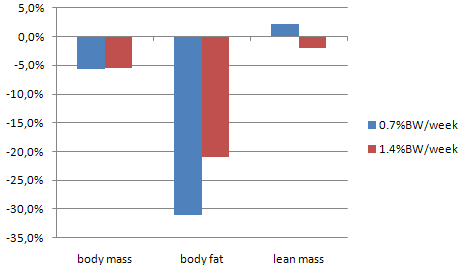
Figure 1: Changes in body composition for different amounts of weight loss per week;
FR 1.4% body weight loss/wk, SR 0.7% body weight loss/wk (data adapted from Garthe. 2011)

Over the course of 8 weeks, the athletes maintained their usual 4x a week resistance-training sessions, the subjects in the fast weight loss group had an overall lower work-load of 5.3 ± 0.9 (FR) vs. 8.5 ± 2.2 (SL) hours per week. Due to the restricted energy intake (-19% ± 2% in the SL and 30% ± 4% in the FR group), both groups exhibited similar body weight (BW) and fat loss:
BW and fat mass decreased in both SR and FR by 5.6% ± 0.8% and 5.5% ± 0.7% (0.7% ± 0.8% vs. 1.0% ± 0.4%/wk) and 31% ± 3% and 21 ± 4%, respectively.
The "slow dieters" (SR) on the other hand managed - even in this phase of caloric reduction - to actually gain muscle mass:
[in the slow dieters] LBM increased in SR by 2.1% ± 0.4% (p < .001), whereas it was unchanged in FR (-0.2% ± 0.7%), with significant differences between groups (p < .01).
The observation of muscle mass increases on a relatively high volume (compared to fast dieters) training and a restricted, yet not energy depriving diet regimen is of utmost importance for athletes and physical culturists, as well, since they demonstrate that losing fat while building muscle, which is commonly touted as a metabolic impossibility aside from steroid users or absolute beginners, is very well possible even in trained and supposedly drug-free athletes.

Bottom line: Take it slowly and go by what you see in the mirror (body composition) and lift and in the gym (performance). And if you do not have access to a DEXA unit, such as the one the scientists used in this study to measure body fat percentages, a simple measuring tape is an effective tool to judge weight loss / muscle mass as well - your belly shrinks and your shoulders get broader? What else could you ask for?

Exercise OR Calorie Restriction? Is This a Valid Question? Differential Epigenetics of Exercise and Calorie Restriction Suggest Otherwise.

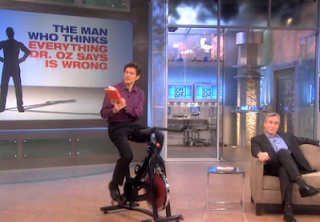
It is beyond me, why the war between proponents of exercise based and calorie reduction based approaches to weight loss are still raging. As a faithful "student" of the SuppVersity, you know that I have always been recommending a combination of both for improved body composition, well-being and general health and was pretty angry, when Gary Taubes claimed in the course of Dr. Oz's ridiculous dissertation on the dangers of low carb diets, that exercise would only stimulate hunger and would thus fail to produce a beneficial effect on weight loss and related health problems (cf. video 1, below). A group of researchers (Karrie. 2011) from the Department of Nutritional Sciences at the University of Texas have now conducted a research study that may well shed some light onto what exactly (in this case this means on a epigenetic level) happens in the course of calorie restriction and/or exercise induced weight loss...
Video 1: Gary Taubes on Dr. Oz' show talking about the futility of exercise.
(Dr. Oz, official homepage)
Karrie, et al. had analyzed adipose gene expression in 48 female diet-induced obesity (DIO) mice in response to 8 weeks of either and ad-libitum fed CONTROL diet, a 30% calorically reduced regimen (CR), a treadmill exercise regimen (EX, with ad-libitum control diet), or  a continuation of the hypercaloric high fat diet (DIO) which made the mice fat in the first place (before the start of the experiment). What the scientists found is quite interesting and - at first sight - appear to rectify Taubes' skepticism with regards to exercise:
Relative to the DIO controls, both CR and EX reduced adiposity by 35–40% and serum leptin levels by 80%, but only CR increased adiponectin and insulin sensitivity.
Meaning visible improvements in terms of body fat were almost identical (cf. fig. 1), while favorable metabolic changes in the areas of  the hunger / satiety, insulin and leptin regulating peptide, as well as insulin sensitivity on the receptor level, occurred only in consequence to a reduction in caloric intake beyond maintenance.
Figure 1: Body weight and composition changes after 6 weeks on different diet / exercise protocols.
(data adapted from Karrie. 2011)
Only a few days ago I reported similar results, i.e. no effects of exercise alone on insulin sensitivity in the Layne study.  Other than Layne et al., whose primary focus was on m-TOR and AMPK responses in muscle tissue, the study at hand provides additional data on the differences in the epigenetic responses to calorie restriction, on the one, and exercise, on the other hand, which may well explain the (disappointing) observations:
Gene expression microarray analysis of visceral white adipose tissue revealed 209 genes responsive to both CR and EX, relative to the DIO group.  However, CR uniquely altered expression of an additional 496 genes, whereas only 20 were uniquely affected by EXOf the genes distinctly responsive to CR, 17 related to carbohydrate metabolism and glucose transport, including glucose transporter (GLUT) 4.
What this means is that both exercise, as well as calorie reduction, have 209 gene responses in common (probably responsible for the similar effects on weight loss); yet, additional 496 genes are modulated exclusively by calorie restriction and among these are 17, of which we already know that they are related to carbohydrate metabolism and glucose transport. It is thus suggesting itself to speculate that these genes are the ones, responsible for the beneficial effects on insulin sensitivity, which could not be observed in the exercise only group.

So, was Gary Taubes right, afterall? No. While it may be that exercise alone is not capable to upregulate insulin sensitivity its benefits on overall health, weight loss and above all weight maintenance have been so well established that it would be outrageous to question the advice any sensible nutritional counselor will provide his overweight clients with: Eat healthy (high protein, low / moderate carb, enough fat, whole foods, etc.), and moderately reduce your calorie intake, and begin an exercise regimen that is demanding, but not overcharging. Eventually, when this program has become a habit and the habit becomes a lifestyle, you can be certain that you are never going to be "the biggest loser" again.

Carbohydrate Restriction Reduces Liver Triglycerides More Effectively Than Calorie Restriction - With Equal Weight Loss Outcomes.

A calorie is not a calorie, I hope you knew that even before Garry Taubes published his famous NY Times best-seller. Yet, in case you are still looking for respective studies to show to medially indoctrinated family members or friends, who still believe that - even if fat is not the enemy - half ratios would be the key to health & longevity, you might be interested in the results of a very recent investigation by Browning et al. (Browning. 2011).

The scientists put a group 18 non-alcoholic-fatty-liver patients on either a carbohydrate-restricted (<20g/day) or a calorie restricted (1200-1500kcal/day) diet - just to make sure you get this right: the carb-restricted group ate as much calories as they wanted! - and measured hepatic triglyceride levels before and after the 2 week dietary intervention. Probably to the surprise of many members of the medical orthodoxy, both groups lost about the same amount of weight (in fact the low-carb group lost -4.6kg, while the low-calorie group lost only -4.0kg!), yet the low-carb group had a much greater reduction in hepatic triglyceride levels:
Liver triglycerides decreased significantly with weight loss (P , 0.001) but decreased significantly more (P = 0.008) in carbohydrate-restricted subjects (-55.6%) than in calorie-restricted subjects (-28.6%).
So, even if you are not particularly interested in your liver health, the fact that by eating to satiety and just dropping your carb intake to <20g/day you can lose the same ~4.5kg you would lose if you starved yourself for 14 days should prick your ears.

HIT the Cravings - Eat Less, Improve Your Health & Lose Weight: "Burning 350kcal" at >75% VO2-Max Improves Calorie Balance Doing it at 40% Just Makes You Hungry!

Image 1: Even if the boys in the study at hand still ate "more calories than they expended", HIT would certainly slow their progress from the healthy kid in the left to the obese and more importantly unhealthy one on the right.
Have you ever wondered why the Biggest Losers do survive their almost zero calorie diets? Well, a recent study from the France could well hold the answer (Thivel. 2012): Their intense and often temporarily totally exhausting exercise regimen! "What? That insane cardio + whatever you may call that torture 12h/day ..." - I see you are surprised, because in essence most of the stuff they do appears to (and actually is) totally idiotic. I am however not growing tired of repeating that even taking the stairs easily turns into an high intensity exercise if you have to carry a 200lbs apron of fat from the ground- to say the third floor. If you don't believe it, do 50 lunges with 200lbs and tell me that this ain't "high intensity" ;-)

HIIT holds the key to health and satiety... and that is probably why it facilitates weight loss!

When I think about it, for a morbidly obese person, taking the stairs could in fact be even more intense than the 75% VO2Max high-intensity cycling protocol the 15 obese boys (age 13.5y; BMI: 30.7; waist: 104.3cm; fat mass 38.2%) from the Pediatric Obesity Department of the Children’s Medical Center of Romagnat (France) performed at roughly 3h after ingesting a standardized breakfast, the caloric content of which was matched to the calculated energy expenditure, i.e. rest + exercise-induced (the boys had to cycle until they had performed a workload equivalent to ~350kcal) of the entire morning in order to isolate the effect of exercise intensity from that of energy status on subsequent energy intakes at launch and dinner, as well as macronutrient pereferences, energy expenditure and appetite sensation, which were the other dependent variables, David Thiel and his colleagues recorded after the aforementioned high intensitiy and separate (7-days washout) low intensity (40% VOMax, again 350kcal) exercise and sedentary control conditions.
Figure 1: Energy intake, expenditure and balance of the boys in the three test sessions (calculated based on
If, for the time being, we disregard the beneficial health effect any type of physical activity will have over just sitting around pondering which of those foods in front of you contain "good" and which contain "bad" calories, the (statistically non-significantly) increased "energy balance" in the low intensity exercise condition (cf. figure 1) does in fact confirm Dr. Oz' somewhat skewed summary of Garry Taubes' statement that exercise would "just make you hungry". The statistically significant reduction in energy intake (-6%, p<0.05) and the even more profound decrease (-25%, p<0.01) of the 24h "energy balance" in the high intensity exercise condition, on the other hand, support the (fortunately) evermore popular notion that short and intense exercise sessions, not daily marathons in the "fat burning" zone, are the ideal complement to any dietary intervention that is targeted at loosing weight and improving metabolic and overall health (suggested read: Previous news on HIT / HIIT)
A brief note on the notion of  "dietary interventions": For15 year old boys who habitually consume >3500kcal/day any "dietary intervention" to prevent them from morbid obesity, diabetes and all the other ailments by which large parts of the Western society is plagued, must inevitably include a reduced calorie intake! While the importance of the daily "energy balance" is certainly overblown and any holistic diet + exercise + lifestyle intervention should be designed to induce a natural, satiety-induced reduction in energy intake by combining a reasonable amount of intense exercise with a nutrient-dense diet like, but not necessarily identical to a low-, but - in most cases - better not no-carb "Paleo Diet", complete ignorance towards the amount of food you consume will inevitably compromise your results - no matter how "good" the calories you are consuming may be.
In this context, it is also noteworthy that the reduction in calorie intake in the HIT trial was more pronounced at dinner than at launch and that the non existent differences between the ratings of subjective hunger, fullness or prospective food consumption in the three experimental sessions, cannot be accounted for by changes in the macronutrient composition of the subsequent ad-libitum meals, which were equally "identical" (within statistical margins, obviously) for the high intensity, low intensity and sedentary control session.

Hard and short = full and happy - what more can you ask for?

Image 2: I guess if parents were better role-models and encouraged their children to exercise (with them), childhood obesity would not be such a huge problem, anyways.
If you look for the underlying reason for the voluntarily reduced energy intake in the high intensity exercise condition of the study at hand, the results of another recently published paper by Balaguera-Cortes et al. comes to mind (Balaguera-Cortes. 2012), in which 10 "active" men completed 45min of either aerobic or resistance training in a similar counter-balanced fashion. When the scientists measured the exercise-induced hormonal changes, they found significantly lower levels of the "hunger hormon" ghrelin in the resistance compared to the aerobic exercise condition. Interestingly, though, the energy intake of these normal weight subject at a subsequently provided breakfast buffet was identical in both conditions.

While the very different exercise stimuli of HIT (Thiel study) and HIIT, on the one hand, and resistance training (Belaguera-Cortes study), on the other hand, could account for the differential effects on subsequent energy intake and would thusly support the notion that resistance training alone is not sufficient to induce significant reductions in body weight.  

I feel that further research is needed to establish, the influence of being obese or lean and/or being used to overeat vs. eating at maintenance exerts on the resistance exercise-induced increase in energy intake and the long-term effects of the latter not on body weight, but body composition.

"Strong is the Better Sexy!" Athletes Are Better Role Models Than Sexualized Cover Models For Young Women

Image 1: Photos of like this,
showing athletic women,
during competition, or when
they train, unfortunately,
never make it to the magazine
covers, with their heavily
photoshop-ed images
of male and female
"celebrities".
Those of you who have not skipped my lengthy introduction to Adelfo's latest blogpost will probably have read between the lines that I personally believe that the influence of attitudinal values and believes about themselves and others on failure and success of what people usually refer to as their "transformation" is largely underrated. On the one hand of the extreme, you have those, who run around telling everyone how "happy" they are with the (mostly pretty chubby) "way they are" only to boil out their eyes, when they get home from work and sit lonely in front of their television. Then, you got those people who acknowledge that they are not really satisfied with the way they look, but that the latter "must" obviously be "a consequence of faulty genes" and that those lucky bastards who were born with cover model physiques had absolutely no clue, what they were talking about, when they are talking about "having a plan", "discipline" and all that blabla (those are the people to whom I recommend reading Adelfo's weekly blogposts, the most). And lastly, at the other end of the extreme, you got those poor critters, who are actually looking quite good and/or are continually making progress, and yet still feel even more miserable about themselves than the aforementioned "I am so happy" chubbies, when they are sitting with a bowl of ice-cream in front of their TV...

Role models are more than just people we look up to...

I guess, the latter group was the one Elizabeth A. Daniels had in mind, when she came up with the hypothesis that their young female study participants (age 13-22y) would make different statements with regard to their own physical appearance and attractiveness, when they were confronted with photographs depicting women as (a) sexualized athletes, (b) performance athletes, and (c) sexualized models. To verify this hypothesis, the responses of the 258 adolescent girls (ages 13–18) and 171 college women (ages 18 –22) were assigned to an inductively (meaning based on the scientists interpretation of common motifs in the individual responses) established framework that was constructed around the following  meta-themes, which refer to the physical attributes of the women in the photographs (who were, by the way, no celebrities), "her appearance and attractiveness, her athleticism", or the study participant's feelings about themselves, the women in the pictures and our society, in general (my body/looks, my feelings about her, and society), as well as the role and image of women, in particular.

Within this framework Daniels conducted a numerical (number of answers per theme in condition), as well as a qualitative (positive, neutral, negative for "her body", "physicality", in general, "self evaluation" and "my physical activity") analysis of the responses and derived a few interesting results.
Figure 1: Relative frequency of positive, negative and neutral statement with regard to the physical appearance (her body) and athleticism (physicality) of the athletic women and models in the photographs in the three study conditions (data adapted from Daniels. 2012)
Contrary to what I, personally, would have expected, the young women did provide the most positive responses regarding the "body", i.e. the physical attractiveness of the women in the photographs, when they were confronted with images of "sexualized athletes" (cf. figure 1). Moreover, the photographs of women who engaged in athletic activities elicited mostly neutral responses, yet no negative and at least 28% positive responses.

Not feeling just as bad and that less often may not sound like much, but...

Of greater significance in view of the aforementioned influence the continuously influx of stereotypical images of the "ideal body" are yet the responses Daniels filed under positive, neutral or negative "self-evaluation", of which the presentation of photographs of athletic women elicited the least frequent (only 17.1% self-evaluating statements vs. 40% in the sexualized athletes and 53.8% in the sexualized models condition) and most beneficial (20% positive) self-evaluative comments (cf. figure 2). 
Figure 2: Relative frequency of statements reflecting positive, neutral or negative self-evaluation and positive, negative and neutral attitude towards the personal physical activity of the study participants in the three different study conditions (data adapted from Daniels. 2012)
Now, at first sight, it may seem that the images of athletic women were thusly at most "less detrimental" to the self-image of these young women. If we do yet take into consideration that adolescent girls and young women are generally very critical and often uncomfortable with the way they look and put an emphasis on the fact that 82.9% of the subjects did not even think of how good or, what is unfortunately more likely, bad they feel about themselves, when they were confronted with the images of athletic women, we could speculate that the self-esteem of young women would benefit if there were more images of women engaged in what Daniels refers to "instrumental activities like playing a sport" in the media to "counterweight to the overly-thin standard portrayal of females currently dominating the media".

Moreover, the results of another recent study (Appleton. 2012), which demonstrate that engaging in regular physical activity, alone, exerts profound beneficial effects on the body images of both men and women, suggests that the huge beneficial impact the photographs of athletic women had on the girls' and women's attitudes towards their own physical activity (cf. figure 2), could in indirectly promote the self-esteem of the study participants by instigating or reinforcing their interest in physical activity.

Bottom line: Images of athletes can help you to get active and feel better about yourself!

And although I must admit that people may be more or less predisposed to succumb to the beauty ideals we are confronted with in the media on a daily basis, there is probably hardly anyone who could resist the profound influence they exert on how we think and feel of ourselves and others. Therefore, I strongly caution against the notion that the results of a study which involves only female subjects (age 13-22y) would be meaningless for older women and men of all age groups, who, despite being less willing to admit it, are by no means immune to the subtle messages of six-pack abs, bootylicious butts and unwrinkled skin of the mostly "photoshop-ed" (i.e. digitally enhanced) physique of those pristine specimen of the human race. The motto "Strong is the Better Sexy!" from the title of this blogpost has thusly the potential to become a mantra for everyone who wants to feel better about himself / herself - irrespective of sex or age.

High Carb vs. High Fat for Obese Type II Diabetics and What Really Happens, When Science Meets Real Life

Image 1: "You told me to eat more protein and this burger has both meat and cheese!" - This and other mishaps are among the reasons why calories still count in the books of most dietitians.
Today's SuppVersity post fits in nicely with the latest installment of the Intermittent Thoughts from yesterday and the post on the "heart-healthy low fat diet" from Friday, as it is about one of the few large(r) scale, long(er) term human trials on the effects of diets with different macronutrient-ratios in insulin-resistant human beings. As you would expect from an expensive nationally funded trial, a "high fat" diet (in the actual sense, not like the SAD diet from Friday) was not part of the study design and that despite the fact that not the US, but the New Zealand Health Research Council was the official financier of the multicentre (meaning that it was a corporation of several institutions) parallel design, blinded randomised control trial, the results of which have been published in the latest installment of Diabetologia (Krebs. 2011).

What turns obese diabetics into bigger losers - high protein or high carb diets?

To test the hypothesis that weight and glucose management would be effected by the protein or carbohydrate content of the diet, the 419 obese, diabetic participants (age: 30-76, mean = 58y; BMI ~36.5kg/m²) were randomly assigned to one out of two dietary regimen, both of which aimed at a reduction of total calorie intake by ~500kcal/day. As far as the actual diets were concerned, the subjects were free to make their own choices based on portion charts, "culturally appropriate recipes" and what they had learned during an initial one-to-one discussions and the first group session. 

What we are dealing here, is thusly basically the "free living individual" who tries his / her best to finally get rid of the weight by a reduction in total calorie intake. And while the latter may compromise the significance of the study results as a basis to speculate about complex underlying physiological responses to macronutrient manipulations, the 2-year study period with after all ~70% of the subjects making it to the 24-month visit at the end of the study, as well as the "I was sick of eating so much protein!"- and the "But I thought Twinkies and Dingdongs were high protein foods!"-factor provide a real-world significance neither of the controlled <30days lab experiments has.
Figure 1: Actual reduction in energy intake (vs. baseline) in high protein and high carbohydrate group in the different stages of the trial (data calculated based on Krebs. 2011)
In this regard, a brief glance at figure 1 should suffice to see that those "adherence" effects were in fact huge. The -500kcal reduction in energy intake was not achieved by either of the groups and the difference between the protein and the carbohydrate groups is more than significant. While the the average reduction in calorie intake in the protein group was ~146kcal/day and thusly <30% of the target, the high carb group with an average of ~238kcal/day did at least get close to the 50% mark... and as you may already have suspectes, things get even worse, when we take a look at the macronutrient ratios.

"High protein diet" means that I just eat some additional protein, right?

Since ours, as well as the scientists' primary interest is in the differences between the macronutrient composition of the diets of the groups (and obviously their respective effects on weight loss and glucose management), I decided to plot the relative differences in total macronutrient intake between the groups, to make it easier to see how big the differences really were. Now, before you take a look at the data in figure 2 let's briefly discuss, what we should see there, when we plot the ratio of say protein(protein group) to protein(carbohydrate group)? Right, that should be way more than 1 or 100%. And the same for carbs? Right, that should be way less than 1 or 100%!
Figure 2: Relative energy and macronutrient intake expressed as the ratio of total intake (kcal or g) in "high protein" to total intake in "high carbohydrate" group (data calculated based on Krebs. 2011)
As the data in figure 2 goes our first prediction is true, but the adherence to the high protein intake declines and at the end of the study, the "high protein" group consumes hardly more protein than the "high carb" group (only 12 out of 206 subjects, i.e. 6%, achieved the prescribed 30% of total energy from protein goal!). Our second prediction, on the other hand, does not apply for either of the study periods, because even at the end of the study, the difference in carb intake between the "high protein" and the "high carb" groups is hardly significant.

More fat, more protein, more energy, about the same amount of calories = ?

Now, given the fact that the obese diabetics in the "high protein" group obviously interpreted their diet as the "just eat more damn protein"-diet and thusly ended up consuming overall more energy from a higher protein and fat intake at about equal carbohydrate intakes, what does convential dietary wisdom tell us? Yeah, those gluttonous bastards should not lose a pound... I mean, come on -146kcal and all that fat?
Figure 3: Weight loss and reduction in waist circumference expressed relative to reduction in energy intake (vs. baseline) during the individual phases of the dietary intervention and for the whole study period (data calculated based on Krebs. 2011)
Fortunately, this is yet another instance, where the conventionally dietary wisdom with its adherence to the faulty calories-in-vs-calories-out paradigm and the notion that eating fat will make you fat, utterly fails:
  1. The participants in the "high protein group" lost weight (-3.9kg vs. -6kg in the "high carb group), although they fell >70% short of the kcal-target of -500kcal/day
     
  2. On a "per-kcal-energy-reduction"-base (energy expressed relative to baseline; cf. figure 3), the participants in the "high protein" trial lost on average 13.1% more body weight and 14.5% more waist circumference, than their peers on the "high carbohydrate" diet.
If we also take into consideration that the weight loss of the "high protein" group totally stalled as their compliance to the macronutrient intake plummeted from month 6 to month 12, the scientists conclusion that their study would show that ...
[...] a high-protein diet with a group-based dietician-led support and education programme easily deliverable in a real-world setting does not promote greater weight loss than the prescription of a high-carbohydrate diet
maybe true (as the total differences were statistically non-significant), the underlying reason, is however the real-world setting and not, as a cursory read of the abstract would suggest, a consequence of the fact that macronutrient modulations would not effect weight loss. The latter in turn, should remind you why you originally came here today: For a discussion of recent scientific data that goes beyond what you will find on PubMed or in the 2nd hand-information the lay-press is cooking up from press-releases ;-)