.

.
marylin monroe
Showing posts with label supplements. Show all posts

The A to Z of Effective & Less Effective Immuno-Nutrients to Prevent and Combat Respiratory Tract & Other Infections

Teddy bears are like vitamin C and zinc. They can help you when you are already sick, but what are supplements athletes and gymrats take in advance to survive the flu season without getting sick at all?
Specifically during the winter time, hard working athlete and manic gymrats can be particularly susceptible to all sorts of infections. To help you having to work out with a handkerchief in your hand all winter long, I have compiled a non-comprehensive list of supplements that may help you to maintain and even improve your immune defenses and thus to survive the cold and dark winter times without catching a cold or even the flu.

In their recent review in the Journal of the International Society of Sports Nutrition Vinicius Fernandes Cruzat, Maurício Krause and Philip Newsholme reviewed the extensive literature on nutritional supplements that act as immuno-nutrients, may to reduce immunosuppression and excessive inflammation in hard-training athletes and gymrats like yourself (or yourself in 2015 ;-)
Want to get stronger, bigger, faster and leaner, but not sick? Periodize appropriately!

30% More on the Big Three: Squat, DL, BP!

Block Periodization Done Right

Linear vs. Undulating Periodizationt

12% Body Fat in 12 Weeks W/ Periodizatoin

Detraining + Periodization - How to?

Tapering 101 - Learn How It's Done!
In said paper, the researchers from the CHIRI Biosciences Research Precinct at the Curtin University in Perth and the Laboratory of Cellular Physiology at the Federal University of Rio Grande do Sul in Porto Alegre focus what they call the "key immuno-nutrients" L-glutamine, L-arginine, branched chain amino acids (BCAA) and whey protein. Now this would not be the SuppVersity if I didn't go beyond this list and added a few more or less promising extra supplements to the list. Before we get to any of those extras, let's briefly recap what Cruzat et al. (2014) found:
"Although a balanced diet with high quality and sufficient quantity of nutrients is essential, there is growing evidence that some non-synthetic supplements can assist optimal nutrition. In fact, the use of nutritional supplements especially the provision of amino acids, has grown year-on-year. [...]

The use of proteins and amino acids for supplementation deserves special attention, since these molecules are critical for anti-oxidant and fuel provision, participating in the whole-body energy homeostasis, growth, development, recovery and immune responses.
As Cruzat et al. point out, the key targets for immunonutrition may include provision of key metabolites for immune cells per se. In other words: Immuno-nutrients feed the immune system and don't suppress but optimize the multi-layered immunte response consisting of
  • the inflammatory response and cytokine release, 
  • the production of chaperone proteins such as the heat shock proteins (HSPs), 
  • changes in the redox balance (including glutathione, GSH metabolism), and 
  • the protection of skeletal muscle mass (see Figure 1). 
Thus your reasons to consume immuno-nutrients go well beyond warding off the common cold and encompass (a) performance improvements, (b) the general strengthening of the immune system and (c) the shortening of the exercise recovery period (Nieper. 2005).
Figure 1: Biphasic immuno-inflammatory response to severe exercise and the possible immunonutrition role. Immuno-inflammatory response induced by severe exercise or heavy periods of training and the proposed role of specific nutrients with immune benefits, also called immunonutrition (Cruzat. 2014).
In that, the most widely used supplements are vitamins and minerals. Reliable evidence for their immuno-protective effects, however is scarce and the results are ambigious:
  • Vitamin C: South African ultramarathon runners did demonstrate that vitamin C (but not E or beta-carotene) supplementation (about 600 mg day7 1 for 3 weeks) was related to fewer reports of upper respiratory tract infections (URTI) symptoms (Peters 1983, 1990, 1993, 1996; Peters-Futre, 1997).

    Classic ROS-scavengers like vitamin C are not just ineffective, when it comes to countering the increased susceptibility to infection they have also been shown to hamper the adaptational response to exercise | read more.
    These beneficial effects have yet not been replicated by other research teams. Himmelstein, Robergs, Koehler, Lewis and Qualls (1998), for example, reported no alteration in URTI incidence among 44 marathon runners and 48 sedentary individuals randomly assigned to a 2 month regimen of 1000 mg /day of vitamin C or placebo. And in view of the fact that most randomized, placebo-controlled studies have been unable to demonstrate that vitamin C supplements modulate immune responses following heavy exertion (Nieman et al., 1997b, 2002b; Nieman, Peters, Henson, Nevines, & Thompson, 2000b), it should be clear that vitamin C must not be counted among the highly effective immune nutrients. 
Zinc + C, not protetive, but effective? While the evidence supplementing with a combination of vitamin C and zinc would protect you from upper respiratory tract infections (URTIs) is scarce, there are studies like Maggini et al. (2012) which indicate that the provision of a combination of 1000 mg vitamin C plus 10 mg zinc in patients with the common cold will lead to a nonsignificant reductionof rhinorrhoea duration (range 9 – 27%) was seen. Moreover, a pooled analyses of the two studies Maggini et al. conducted shows that "vitamin C plus zinc was significantly more efficient than placebo at reducing rhinorrhoea over 5 days of treatment" (Maggini. 2012). Furthermore, symptom relief was quicker and the product was well tolerated. Despite the fact that the subjects in these experiments were ordinary people, upping your zinc and vitamin C intake, when you've already caught a cold may help you to recover faster and thus get back to the grind earlier.
  • Vitamin E: As Niemann et al. point out in their review of the efficacy of various immuno-nutrients, vitamin E functions primarily as a non-specific, chain-breaking antioxidant that prevents the propagation of lipid peroxidation. The vitamin is a peroxyl radical scavenger and protects polyunsaturated fatty acids within membrane phospholipids and in plasma lipoproteins.

    The effect of vitamin E supplementation on the inflammatory and immune response to intensive and prolonged exercise is largely unstudied and equivocal. Cannon et al. (1991) found that vitamin E supplementation of 800 IU/day for 48 days attenuated endotoxin-induced IL-6 secretion from mononuclear cells for 12 days after running downhill on an inclined treadmill. Singh et al. (1999) showed no effect of vitamin E supplementation (4 days, 800 IU/day) on the increase in plasma IL-6 following a 98 min treadmill run at 65 – 70% V_ O2max to exhaustion. Petersen et al. (2002) reported no influence of vitamin E and C supplementation (500 mg and 400 mg, respectively, for 14 days before and 7 days after) on the plasma cytokine response to a 5% downhill 90 min treadmill run at 75% VO2max.

    Figure 2: Chronic supplementation with 800 IU of vitamin E (as alpha-tocopherol) has significant negative effects on markers of lipid oxidation and inflammation in triathletes (Nieman. 2004).
    A 2004 study in the course of which triathletes competing in the Kona Triathlon World Championship race event received 800 IU/day of a-tocopherol for two months does even indicate that vitamin E can increase the degree of exercise induced lipid peroxidation and the amount of several cytokines in the blood following a triathlon.Against that background and in view of the previously cited ambiguous results, Niemann et al. (2006) rightly conclude that "vitamin E supplementation to counter immune suppression and oxidative stress in endurance athletes cannot be recommended" (Niemann. 2006).
  • Vitamin D: For vitamin D a slightly different image emerges. It appears to be indisputable that athletes with low vitamin D levels are at higher risk of upper-respiratory tract infections - specifically during winter times (He. 2013).

    The results of clinical trials investigating the benefits of vitamin D supplementation, however, are less unambiguous. In non-athletes, the monthly administration of 100 000 IU of vitamin D did not reduce the incidence or severity of URTIs; and that despite the fact that the supplement brought the 25OHD levels of the healthy subjects up, significantly (Murdoch. 2012). A meta analysis by Bergman et al. (2013), however indicates that "vitamin D has a protective effect against RTI, and dosing once-daily seems most effective".

    Figure 3: Length of time to viral infection related to initial serum concentration of 25-hydroxyvitamin D.
    Shown are the results of the pharmacodynamic model relating 25-hydroxyvitamin D to length of time before a viral respiratory tract infection (Bergman. 2013)
    Bergamn et al. do yet also point out that "[d]ue to heterogeneity of included studies and possible publication bias in the field, these results should be interpreted with caution" (Bergman. 2013). Against that background it may be a good idea to at least make sure that you are in the "normal range" for vitamin D - irrespective of the fact that low levels may rather be a marker than a trigger of an increased susceptibility to infections that results from uncontrolled inflammation (vitamin D as a negative acute phase reactant | cf. Waldron. 2013).
Next to vitamins, many studies have described the use of proteins, such as whey for supplements or isolated amino acids like glutamine (Kreider. 2008; Cury-Boaventura. 2008).
Simply eating enough: It may sound funny, but in the end it's not surprising that a lack of readily usable energy makes you more susceptible to infections. Firstly, a general calorie restriction is often related to an insufficient intake of important micronutrients (Pendergast. 2002). And even if the intake of all micronutrients is adequate. Important immune factors such as glutamine are (ab-)used as a substrate to produce glucose in the liver and are thus no longer available to "feed" your immune cells. Accordingly it should not surprise you that Niemann and Bishop highlight in their review of "nutritional strategies to counter stress on the immune system in athletes" that the existing data indicates that "physiological stress to some aspects of the immune system is reduced when athletes use carbohydrate during intense exertion lasting 90 min or more" and their own experiments suggest that this means "that athletes using carbohydrate beverages during competitive events will lower their risk of sickness afterwards" (Nieman. 2006).
Figure 4: Mechanisms involving whey proteins as a source of different immunonutrients. (Cruzat. 2014).
In their previously cited review, Cruzat et al. included a nice graphical overview (Figure 4) of the mechanisms by which complete proteins and peptides and their individual amino acids effect the immune system of hard training athletes.

As you can see in Figure 4, Cruzat et al. put a particular emphasis on whey protein - for good reasons.

Firstly, whey contains all the "good" amino acids of which previous studies indicate that they may have direct beneficial effects on the immune system:
  • Glutamine: As Cruzat et al. point out, "L-glutamine is probably the most widely recognized immuno-nutrient since it can be used as an oxidizable fuel, a substrate for nucleotide synthesis, a modulator of intermediary metabolism of amino acids, HSP expression and a component of GSH-mediated antioxidant defense" (see Figure 5 | Cruzat. 2014).

    Put simply glutamine is the food your immune cells thrive on. Accordingly scientists, athletes and coaches have speculated ever since the early 1990s that supplemental glutamine should be able to prevent the exercise induced immune impairments.

    Figure 6: 5g of glutamine per day led to significant reductions in the occurrance of infections in marathon, ultra-marathon, mid distance runners and rowers (Castell. 1996a).
    Why? Well, exercise depletes the amount of circulating glutamine and will thus "steal" the fodder your immune cells need to survive and function (Wernerman. 2008).

    And in fact, there are studies that support the logical conclusion that the repletion of the glutamine that has been burned as alternative fuel during a workout with 0.1 g/kg body weight ameliorates the exercise induced reduction of lymphocytes, and could thus eventually reduce the risk of URTI’s (Castell. 1997).

    In that, I deliberately used the conditional, because subsequent studies with fixed (20–30 g/day) or variable (0.3 - 0.5 g/kg body wt) doses of glutamine did not report similar outcomes (Castell. 1996b; Krzywkowski. 2001; Hiscock. 2002). Accordingly, Castell et al. write in their contribution to the BMJ A-Z Supplement review (ed. Newsholme. 2011):
    "Overall, there is no consensus or unifying concept to explain the efficacy of exogenous provision of glutamine alone on performance in athletes, although in combination with carbohydrate or other amino acids, significant improvements have been reported." (Newsholme. 2011)
    In other words: Benefits can't be guaranteed, but specifically when glutamine is ingested in amounts of at least 20g/day in addition to carbohydrates and protein supplements it appears as if it could be a useful dietary supplement for hard-training athletes.
Where are all the other supplements gone? As I wrote in the introduction, this list is not supposed to be comprehensive. Furthermore, agents like quercetin, beta-glucan, curcumin or astragalus may be backed by animal studies, their efficacy in human beings does yet warrant further testing - specifically in athletes (Nieman. 2006). Other supplements such as the often-used herb Echinacea purpurea have been shown to fail to stimulate the nonspecific immune response and may be useful only when you are already sick or if the preperations are administered intravenously (Schwarz. 2002).
  • Arginine: No, this is not a mistake. L-arginine is in fact the #2 on the list of supplemental immune modulators for hard-training athletes. Needless to say that it's not arginine itself, but rather Nitric Oxide (NO) which acts as a mediator of inflammation and immune system activation in the human body (Krause. 2011 & 2012).

    As a SuppVersity reader, you know that arginine has little ergogenic effect. It has beneficial effects in diabetics and may offer benefits for people who want to control their blood pressure. As a immuno-modulator, however it is similarly ineffective as it is as an ergogenic. Benefits can only be expected if the blood levels of arginine are depleted and that is - even with heavy exercise - usually not the case.
Whey protein, however, is more than the sum of its amino acid parts. Yes, whey can contain up to 26% of BCAA, plus L-arginine, L-lysine, L-glutamine.
Figure 7: Effect of maltodextrin (filled square) and maltodextrin plus hydrolyzed whey protein enriched with glutamine dipeptide (filled triangle) supplementation on exercise-induced loss of membrane integrity and depolarized mitochondria in lymphocytes and neutrophils, which are essential for the response against viral infections, such as upper respiratory tract infections (URTI), in athletes after intense training (Cury-Boaventura. 2008).
Whey does yet also contain a range of powerful proteins / peptides, namely betalactoglobulin, alpha-lactalbumin, bovine serum albumin, lactoferrin, immunoglobulins (e.g. IgA), lactoperoxidase enzymes, glycomacropeptides, as well as vitamins such as vitamin D, and minerals such as Ca2+, of these...
  • lactoferrin and lactoferricin, demonstrate direct anti-microbial activity and may thus protect you from infections,
  • lysosome, lactoperoxidase and diverse globulins and peptides in whey provide a synergistic protective “cocktail” activity against viral and bacterial organisms (Ha. 2003), and
  • sulphur-containing amino acids, such cysteine and taurine attenuate the reduction of intracellular GSH concentration induced by intensive exercise (Lands. 1999). 
For all three of them, it is yet not fully established to which extend they contribute to the proven immune-modulating effects of whey (note: the levels of these agents will be higher in concentrates compared to isolates, due to the increased number of processing steps). It is in fact likely that Cruzat et al. (2014) are right, when they say that its the cocktail of amino acids, proteins, peptides and other micro- and macronutrients, vitamins and minerals in whey protein that acts via direct and indirect pathways (e.g. via optimizing the redox status / GSH) on the immune function of athletes.
Bottom line: While there is good evidence for vitamin D supplementation (1,000-2,000IU/day in individuals with low levels and / or hard-working athletes during the winter months) and high doses of glutamine in hard working athletes. There is little doubt that the amino acid + protein + peptide coctail in whey proteins is the "goto supplement" you would choose if you wanted to use only one of the supplements discussed in this article.

Whey Beyond Brawn: 10+ Things You Probably Didn't Know Whey & Peptides That Form During its Digestion Can Do | learn more.
In that, a reasonable dosage suggestion would be similar to that for maximal muscle hypetrophy and range from 20-60g per day - with the higher dosage being consumed in 2-3 servings evenly spread accross the day. Furthermore, studies like the one by Cury-Boaventura et al. (2008) indicate that, during periods of intense training, it may be useful to add glutamine. Either in large amounts of 10-20g per day (5-10g on top of each serving of whey) or, as it was the case in said study, as a dipeptide which has a higher chance of making it past the splachnic bed and not ending up as "fuel" for your organs and or glyconeogenic substrate in the liver.

And yes, if you've already caught a cold, 1 gram (in divided doses) of the the good old vitamin C (if you want to along with 5-15mg of zinc) is useful, as well - along with plenty of rest and sleep, of course ;-) Comment on Facebook!
References:
  • Cury-Boaventura, Maria Fernanda, et al. "Effects of exercise on leukocyte death: prevention by hydrolyzed whey protein enriched with glutamine dipeptide." European journal of applied physiology 103.3 (2008): 289-294.
  • Bergman, Peter, et al. "Vitamin D and respiratory tract infections: a systematic review and meta-analysis of randomized controlled trials." PloS one 8.6 (2013): e65835. 
  • Castell, L. M., E. A. Newsholme, and J. R. Poortmans. "Does glutamine have a role in reducing infections in athletes?." European journal of applied physiology and occupational physiology 73.5 (1996a): 488-490.
  • Castell, L. M., et al. "Some aspects of the acute phase response after a marathon race, and the effects of glutamine supplementation." European journal of applied physiology and occupational physiology 75.1 (1996b): 47-53.
  • Castell, Linda M., and Eric A. Newsholme. "The effects of oral glutamine supplementation on athletes after prolonged, exhaustive exercise." Nutrition 13.7 (1997): 738-742. 
  • Cruzat, Vinicius F., et al. "Amino acid supplementation and impact on immune function in the context of exercise." Journal of the International Society of Sports Nutrition 201.4 (2014): 11:61.
  • Cury-Boaventura, Maria Fernanda, et al. "Effects of exercise on leukocyte death: prevention by hydrolyzed whey protein enriched with glutamine dipeptide." European journal of applied physiology 103.3 (2008): 289-294.
  • Ha, Ewan, and Michael B. Zemel. "Functional properties of whey, whey components, and essential amino acids: mechanisms underlying health benefits for active people (review)." The Journal of nutritional biochemistry 14.5 (2003): 251-258.
  • He, Cheng-Shiun, et al. "Influence of vitamin D status on respiratory infection incidence and immune function during 4 months of winter training in endurance sport athletes." Exerc Immunol Rev 19 (2013): 86-101. 
  • Hiscock, Natalie, and Bente Klarlund Pedersen. "Exercise-induced immunodepression–plasma glutamine is not the link." Journal of Applied Physiology 93.3 (2002): 813-822. 
  • Lands, L. C., V. L. Grey, and A. A. Smountas. "Effect of supplementation with a cysteine donor on muscular performance." Journal of Applied Physiology 87.4 (1999): 1381-1385.
  • Krause, Mauricio S., et al. "L-arginine is essential for pancreatic β-cell functional integrity, metabolism and defense from inflammatory challenge." Journal of endocrinology 211.1 (2011): 87-97.
  • Krause, Mauricio, et al. "Differential nitric oxide levels in the blood and skeletal muscle of type 2 diabetic subjects may be consequence of adiposity: a preliminary study." Metabolism 61.11 (2012): 1528-1537.
  • Kreider, Richard B., et al. "Effects of ingesting protein with various forms of carbohydrate following resistance-exercise on substrate availability and markers of anabolism, catabolism, and immunity." Journal of the International Society of Sports Nutrition 4.1 (2007): 1-11.
  • Maggini, S., S. Beveridge, and M. Suter. "A combination of high-dose vitamin C plus zinc for the common cold." Journal of International Medical Research 40.1 (2012): 28-42.
  • Murdoch, David R., et al. "Effect of Vitamin D3 Supplementation on Upper Respiratory Tract Infections in Healthy AdultsThe VIDARIS Randomized Controlled TrialVitamin D3 and Upper Respiratory Tract Infections." Jama 308.13 (2012): 1333-1339.
  • Newsholme, Philip, et al. "BJSM reviews: A to Z of nutritional supplements: dietary supplements, sports nutrition foods and ergogenic aids for health and performance—Part 18." British journal of sports medicine 45.3 (2011): 230-232.
  • Nieman, David C., et al. "Vitamin E and immunity after the Kona triathlon world championship." Medicine and science in sports and exercise 36 (2004): 1328-1335.
  • Nieman, David C., and Nicolette C. Bishop. "Nutritional strategies to counter stress to the immune system in athletes, with special reference to football." Journal of sports sciences 24.07 (2006): 763-772.
  • Nieper, A. "Nutritional supplement practices in UK junior national track and field athletes." British journal of sports medicine 39.9 (2005): 645-649. 
  • Pendergast, David R. "Effect of dietary intake on immune function in athletes." Sports medicine 32.5 (2002): 323-337.
  • Schwarz, Eveline, et al. "Oral administration of freshly expressed juice of Echinacea purpurea herbs fail to stimulate the nonspecific immune response in healthy young men: results of a double-blind, placebo-controlled crossover study." Journal of Immunotherapy 25.5 (2002): 413-420.
  • Waldron, Jenna Louise, et al. "Vitamin D: a negative acute phase reactant." Journal of clinical pathology (2013): jclinpath-2012. 
  • Wernerman, Jan. "Clinical use of glutamine supplementation." The Journal of nutrition 138.10 (2008): 2040S-2044S.

Get Lean & Stay Lean Quickie: OTC Fat Loss Supps Under Scrutiny. Sleepless Yet Lean in India?! Sesamine - Falsely Forgotten? High Carb Nighttime Snacks for Fridge Raiders?

Without an optimized dietary routine, a sound training plan and tons of discipline no fat burner is going to get you abs like these (suggested read: The SBSG Fat Loss Support Routine)
I suppose by today, the last remnants of your turkeys should be gone and you and your relatives ~0.5kg heavier (Hull. 2006). Against that background it appears only logical to turn this week's installment of On Short Notice into another Get Lean & Stay Lean Quickie. Moreover, with the 0.5kg the average American gains in the course of the Thanksgiving holidays, I already have my (or should I say your? Be honest ;-) figure of the week, so that there is actually no reason why we could not dive right into the science of fat loss.

As you are about to see, this installment has more ineffective than effective fat loss treats. Why? Well, maybe due to the fact that it harbors two studies on commercially available supplements? But whom am I telling this... you already know that the main benefits of these so-called "thermogenics" are actually related to their appetite suppressing and stimulating effects, which can help you stick to your diet and workout regimen, and not to their ability to actively "burn" body fat.

Apropos stimulant: Were you aware that there could be methamphetamine in a common ingredient of some thermogenics? No? I'd suggest you check out the last news of this Get Lean & Stay Lean Quickie first, then. If you are not interested in "scandalous" revelations of which you don't even know if they have a bearing on the extracts that are used in your favorite Acacia rigidula supplement (I would actually hope you don't have one, but anyway), you may obviously start at the top, as well:
  • Weight loss stack fails to produce results: Caffeine + BCAA + CLA + Green tea = soy bean oil placebo (Thomas. 2012) At the 9th Annual ISSN Conference and Expo, Daniel Thomas and his co-workers  presented a study in which they investigated the effects an commercially available multi-ingredient dietary supplement containing 99mg of caffeine and a proprietary blend containing 1510 mg of CLA, green tea extract (45% EGCG), L-leucine, L-iso-leucine and L-valine in 22 obese volunteers (placebo arm: age, 34 ± 12; BMI, 34.1 ± 6.1; active arm: age, 36 ± 11.1 years; BMI, 30.0 ± 4.9).

    The supplement / placebo had to be taken with breakfast and lunch (with two pills per serving this would amount to 400mg of caffeine per day and an undisclosed amount of CLA, green tea and BCAAs, of which you can yet probably safely assume that they were underdosed). Body composition and android fat (dual-energy X-ray absorptiometry), waist and hip circumferences, blood pressure and heart rate were measured at baseline and after 8 weeks of supplementation. Aside from taking the supplement the participants were advised to stick to their regular dietary and activity patterns. Against that background it is not exactly surprising that the 'wonder pills' did not bring about any changes in body composition, android fat, waist or hip circumference; and in contrast to the acute effects of the  "hardcore" competition about which you can read in the last post of today's Get Lean & Stay Lean Quickie the product did not even increase the heart rate and blood pressure of the subjects.
  • Blood sugar levels of Indian adolescents are not associated with insufficient sleep and yet not sleeping enough still takes its toll (Patel. 2012) -- You've read more than enough about the importance of sleep on the SuppVersity within the past couple of months (e.g. The SuppVersity Circadian Rythm Series) to be surprised by what Patel et al. conclude in the abstract of  their latest paper:
    "The current study indicates that inadequate sleep duration at night (<7 hrs) does not affect the blood glucose level of the Gujarati Indian adolescents of age group 13-20 years." (Patel. 2012)
    Unfortunately, this is yet again an instance where cursory skimming the abstract provides a  skewed image of the actual study results, which - as you can see in my plot of the actual results - did very well confirm previous observations of the same authors and the findings of the majority of studies which investigated the effects of insufficient sleep on body composition in Western adolescents.

    Figure 1: Body fat (%), fat free mass (FFM) and waist circumference in Indian adolescents (Patel. 2012)
    Statistically significant were the respective differences only in the male part of the study population. That's yet probably just a result of the low number of female participants which was not only significantly smaller (N=95 vs. N=237), but also very unevenly distributed as far as the ratio of female adolescents with adequate (N=90) and inadequate sleep (N=5) are concerned. Against that background you should also exert some caution with respect to the fat free mass values in the N=5 short sleepers. It would probably suffice to have one muscular athlete in this group to skew the whole results.

    Apropos "short sleepers": Can you imagine that only 14% of the male and 5% of the female Indian Gujarati adolescents actually didn't get their share of 7h+ sleep per day!? Makes me wonder about the number of smartphones, Playstations and cable TV channels in the Anand district where the 332 Gujarati adolescent school and and college students came from - the same goes for the respective interactions between nutrient quality, sleep duration and family income.
  • Study shows addition of fish oil accentuates sesamin's 'fat burning effects' (Ide. 2012b) In what could be considered a follow up to the results of a previous study in which Ide et al. were able to show that the addition of arachidonic acid (ARA) to sesamin supplemented chow augmented body fat loss, and increased the expression of enzymes that are involved in the oxidation of fatty acids, Takashe Ide has just published another study, which shows that high dose fish oil (15-20g/kg chow) will illicit similar, if not even more pronounced effects on the expression of Carnitine palmitoyltransferase 2, which is necessary to transports fatty acids into the mitochondria, and the alpha and beta subunit of the trifunctional enzymes that are involved in their subsequent oxidation.

    Figure 2: Effects of Sesamin (SES) + fish oil or arachidonic acid (ARA) on mRNA expression of CPT, trifunctional enzymes alpha & beta, as well as serum lipids in rodents after 15/16 days on respective diets  (Ide. 2012a & 2012b)
    As the data in figure 2 goes to show you, these increases were accompanied physiologically relevant decreases in the concentrations of triglycerides, cholesterol and phospholipids in the blood of the 5-week old male Sprague Dawley rats, Ide used in his latest study. Moreover, the observation that the supplementation regimen enhanced increases in mRNA of the peroxisomal enzymes involved in fatty acid oxidation and
    a membrane protein (peroxin-11α) associated with peroxisomes without affecting enzymes associated with mitochondria and microsomal cytochrome P-450 4a1 expression indicates the "existence of a mechanism independent of PPARα to specifically induce the gene expression of peroxisomal proteins." (Ide. 2012b)  That's an unquestionably interesting observation; also because it could open up new avenues for the development of anti-diabesiety drugs or the identification of herbs and natural "fat burners".
  • More scientific evidence: Eating carbs in the evening does not necessarily make you fat - even if you eat them instead of protein! (Eddy. 2012) While I would still be hesitant to recommend the ingestion of maltodextrin instead of casein or whey protein as a pre-bed snack, the results of a recent study by Eddy et al. clearly show that the sugar load right before bed did not have negative effects on the 59 sedentary, overweight and obese volunteers who were randomly assigned to ingest isocaloric amounts of maltodextrin (PLA), casein (CAS) or whey (WP) max. 30min before bed.
    Carbs Before Bed: What's good for overweight Israeli police cannot be bad for overweight Americans, can it? (photo by Mark Probst)
    "No significant group differences existed at baseline. There were no group x time interactions for RMR, hunger, satiety, desire to eat, fat mass, lean body mass, or weight (P< 0.05), although RMR displayed a trend towards significance with the PLA group decreasing by 74.3 ± 94.5 and WP and CP increasing by 235.73 ± 84.5 and 51.7 ± 79.4kcal/day, respectively (P=0.0559). Significant time effects were measured for satiety (pre: 31.5 ± 2.3, post: 40.6 ± 2.3, P< 0.008) and LBM (pre: 51.8 ± 0.1, post: 52.3 ± 0.1, P< 0.0001)." (Eddy. 2012)
    In view of the fact that it cannot be said if the absence of negative effects on hunger, satiety, desire to eat, fat mass, lean body mass, or weight was related to the obligatory supervised exercise sessions (3x/week; 2 days of resistance exercise and 1 day of high-intensity cardiovascular exercise) all participants had to attend, it does yet remain to be seen if similar results would be observed in obese (or lean?) subjects in the absence of a supervised resistance training and HIIT workouts. That said, as "non-significant" as the previously cited trend in resting metabolic rate ((RMR) may be, the increase in the amount of energy the obese subjects spent sitting around in both protein groups and the contrasting decrease in the maltodextrin group, is something to keep in mind .
    Ok, nighttime snacking increases LDL, but if you measure it in the morning after a high carb + high fat  snack that alone can contribute to the statistically "significant", but physiologically irrelevant LDL increase of 7mg/dL the scientists observed in their 11 healthy participants.
    Midnight snacking (Hibi. 2012): Whether eating right before bed is a good idea at all was not addressed in the study at hand and according to an even more recent paper by Hibi et al., postponing your 10am 192kcal snack (mean protein : fat : carbohydrate ratio of 5:50:45) to 11PM will significantly decrease fat oxidation (daytime snacking: 52.0 ± 13.6 g/d; nighttime snacking: 45.8 ± 14.0 g/d; P = 0.02) and increase total and LDL cholesterol significantly. How bad that actually is, is however likewise questionable, after all the blood glucose and insulin levels, snack and total energy intake, body weight, and energy expenditure of the 11 healthy women (age: 23±1 y; body mass index: 20.6 ± 2.6 kg/m²) who participated in the randomized-crossover trial were not affected by the switch from the daytime to the nighttime snack.
    Irrespective of any trends and non-significant differences, eating a heap of pure sugar (~35g - this is based on the assumption that the amounts were identical to another recent study by the same group which tested the acute effects of carbs and protein, cf. Kinsey. 2012) before going to bed has little to nothing to do with having a whole meal, with or without carbohydrates before bed -- and that this can increase not hamper weight loss, is something you as a SuppVersity reader are well aware of (see "Carbs after 6PM Will Make You Lean" & "Carbs After 6PM Reloaded").
  • Figure 3: According to a somwhat dubious study Acacia rigidula contains more than 44 "toxic amines and alkaloids" (data in ppm; Clement. 1998)
    Hi Tech Pharmaceuticals sponsored trial finds: Fastin RX is better than only two of its ingredients (Jacobs. 2012) -- I guess you won't be surprised to hear that the addition of  methlsynephrine, 1,3 dimethylamylamine ("geranium extract"), yohimbine HCL, naringen and theobromine to caffeine and Acacia rigidula extract potentiates the effects of either 300 mg caffeine (C) or 250 mg Acacia rigidula (AC) alone or in combination, right?

    Fine, 'cause this leaves more room for the important question, whether an additional increase in heart rate of 6.9 and 6.0bpm 2h and 3h after the ingestion of the extended release "fat burner" Fastin RX, a significant increase in systolic blood pressure of 33%, 26% and 19%, as well as increases in diastolic blood pressure that were 16.6%, 2.9% and 15% higher than in the caffeine (only) trial have any bearing on the efficacy of this product, when the 10.1%, 10.0% and 4% greater VO2 consumption (compared to AC and C, only) in the first three hours after the ingestion of the diet pill did no not show any significant main or interaction effects on resting metabolic rate? Probably not? Yeah... I would guess so, as well.
    That's it for today... aside from the advice not to freak out over whatever amount of weight you may have gained in the past couple of days, I shold say: Trust me, it's not worth stressing yourself this is just going to make things worse. Just return to your regular nutritional habits, keep working out and it will be gone in no time. I'd also suggest you check out the latest  SuppVersity Facebook News on
    • Aqueous dried barberry extract as a treat for acne vulgaris (learn more)
    • Zinc + phytoestrogens vs. osteoporosis - a double- yet dull-edged sword  (learn more)
    • Cold-water immersion beats passive recovery and contrast water therapy for recovery after an intense American football training (learn more)
    • Study from the Boston University School of Medicine says: Female adolescents don't eat enough meat. (learn more)
    and the other news I posted today and am going to post in the course of the next 24h. I guess that should suffice to bridge the time until I post tomorrow's full-length SuppVersity article. I'll see you tomorrow, then!

    References:
    • Clement BA, Goff CM, Forbes TDA. Toxic amines and alkaloids from acacia rigidula. Phytochemistry, Volume 49, Issue 5, 5 November 1998, Pages 1377–1380. 
    • Hibi M, Masumoto A, Naito Y, Kiuchi K, Yoshimoto Y, Matsumoto M, Katashima M, Oka J, Ikemoto S. Nighttime snacking reduces whole body fat oxidation and increases LDL cholesterol in healthy young women. Am J Physiol Regul Integr Comp Physiol. 2012 Nov 21.
    • Hull HR, Hester CN, Fields DA. The effect of the holiday season on body weight and composition in college students. Nutr Metab (Lond). 2006 Dec 28;3:44.
    • Ide T, Ono Y, Kawashima H, Kiso Y. Interrelated effects of dihomo-γ-linolenic and arachidonic acids, and sesamin on hepatic fatty acid synthesis and oxidation in rats. Br J Nutr. 2012a Feb 28:1-14.
    • Ide, T. Fish oil at low dietary levels enhances physiological activity of sesamin to increase hepatic fatty acid oxidation in rats. Journal of Clinical Biochemistry and Nutrition. 2012b; 51(3):241–247.
    • Jacobs PL. Acute physiological effects of the commercially available weight loss/energy product, Fastin-XR®, in contrast with the individual effects of caffeine and acacia rigidula. Journal of the International Society of Sports Nutrition 2012, 9(Suppl 1):P10.
    • Kinseyet al.: The effect of acute ingestion of a protein beverage consumed late in the evening on metabolism, appetite, mood state, and blood lipid in overweight and obese adults. Journal of the International Society of Sports Nutrition. 2012; 9(Suppl 1):P16.
    • Patel MC, Shaikh WA, Singh AS. Association of sleep duration with blood glucose level of gujarati indian adolescents. Indian J Physiol Pharmacol 2012; 56(3):229–233.
    • Thomas DD, Rawal S, Kinsey AW, Eddy WE, Fisher N, Spicer MM, Ormsbee MJ. The combination of green tea, caffeine, conjugated linoleic acid and branched chain amino acids have no effect on body composition and abdominal fat changes in overweight and obese men and women. Journal of the International Society of Sports Nutrition. 2012; 9(Suppl 1):P29

    Antioxidant Supplementation With 1g of Vitamin C + 400IU Vitamin E Hampers Muscle Gains in Older Men (60-81y)

    Human study shows: Antioxidant supplements hamper "gains" in elderly individuals, as well. The effects appears to be less pronounced than in younger trainees, though.
    Most of you will be aware that I have been following and at least in parts subscribing to the hormesis hypothesis as it was proposed by Ristow and Zarse who proposed in 2010, already, that the mitohormesis hypothesis would provide "a common mechanistic denominator for the physiological effects of physical exercise" (Ristow. 2010). If we subscribe to the fundamental principles of this theory, any exogenous manipulation of the exercise induced stress would be expected to block or at least reduce the beneficial effects of exercise - and guess what!? Ristow et al. have already shown that (learn more about hormesis).

    The previous research

    By then, Ristow, Zarse, Oberbach et al. had already gotten quite some public attention, when they published the results of an experiment that involved 19 prevously untrained and 20 pretrained healthy young men, a combination of vitamin C (1000 mg/day) and vitamin E (400 IU/day), 4 weeks of training and an analysis of the effects on blood glucose management:
    "Exercise increased parameters of insulin sensitivity (GIR and plasma adiponectin) only in the absence of antioxidants in both previously untrained (P < 0.001) and pretrained (P < 0.001) individuals. This was paralleled by increased expression of ROS-sensitive transcriptional regulators of insulin sensitivity and ROS defense capacity, peroxisome-proliferator-activated receptor gamma (PPARgamma), and PPARgamma coactivators PGC1alpha and PGC1beta only in the absence of antioxidants (P < 0.001 for all). Molecular mediators of endogenous ROS defense (superoxide dismutases 1 and 2; glutathione peroxidase) were also induced by exercise, and this effect too was blocked by antioxidant supplementation." (Ristow. 2009)
    Despite the fact that these results clearly indicate that antioxidant supplementation (in high enough doses) is counter-indicated, researchers and more importantly practitioners have long returned to their old habits, conducting study after study on the benefits of antioxidants and popping the corresponding pills a whole industry whose sales this year are worth $31,000,000,000 and who expects to add another billion $US to its sales over the next 4-5 years.
    "Antioxidants - Yes or No?" - Will we ever find the answer? Not too long after Ristow et al. presented their results other researchers came up with counter evidence from endurance training base studies in mice and men (learn more). I would thus be surprised if the whole issue would be settled anywhere in the close future. If anything, I'd suppose we may identify an age- and exercise-dependent inflammation threshold you have to exceed before additional antioxidants eventually make sense.
    A study like the one by Thomas Bjørnsen would thus be bad news and it's probably no coincidence that it was up to master student and his supervisors, Sveinung Berntsen Stølevik, Gøran Paulsen, Ken Joar Hetlelid to generate further evidence that the halo of health, longevity and endless youth that surrounds the use of antioxidant supplements could be nothing but an optical illusion.

    What does damage in the young, does not help in the elderly

    If you have been following my previous posts on the mitohormesis concept you may have read me write that logic dictates that elderly individuals are the ones who are more likely to benefit from the use of antioxidants. Their weakened immune system does not allow for the a similarly rapid and complete restoration of muscular and cellular damage in general.

     Against that background it appears only reasonable that older physical culturists would be well advised to keep the damage to their mitochondria in check; and 1000 mg of vitamin C and 235 mg of vitamin E per day don't sound like the worst way to do just that. It is thus only reasonable that Bjørnsen's research hypothesis reads:
    "Supplementation with vitamin C and E in high daily dosages (1000 mg and 235 mg
    per day, respectively) will enhance adaptations to resistance training, i.e. increased
    muscle thickness, lean mass and one repetition maximum in the exercises: leg press,
    leg extension and scott curl." (Bjørnsen. 2013; my emphasis)
    So, if there was a hidden agenda or a bias to deliver the expected results, it would not have favored an outcome like this:
    Figure 1: Difference of training effects in vit C + E group compared to placebo; all values rel. to placebo (Bjørnsen. 2013)
    An outcome that indicates that the provision of the said supplements to the 30 elderly men (age 60-81y) who had not been resistance training in the past 6 months before they embarked on a resistance training regimen with the following characteristics:
    • Table 1: Overview of the exercise program - certainly not a bad one (Bjørnsen. 2013)
      an undulating periodized profile,
    • 3 full-body sessions per week, 
    • an emphasis on free weight exercises where all the major muscle groups were included,
    • two of the sessions each week were “moderate” → 8-10 rep, with 1 min break between sets), one was varied between “heavy” → 3- 5 rep, with 2 min break between sets and “light” → 13-15 rep, with 45 seconds break between sets every second week.
    • the number of sets per exercise was increased progressively from 1 to 4 sets during the first 10 weeks, and then reduced with 1 set each of the last 2 weeks of the intervention (tapering). 
    Subjects conducted one additional “warm-up” set at 50 % of their target weight in each exercise before the main sets started. All exercise sessions were supervised by two experienced instructors supervised all resistance exercise sessions and the loads were weekly adjusted. The res between sets was timed and synchronized for the all participants and the movement velocity was also instructed to a minimum of 1 second in the concentric phase, and 2 seconds in the eccentric phase.

    Maximal growth? Only with proper stress
      As Bjørnsen points out, the resistance exercise program was "designed to give large metabolic stress (i.e., oxidative stress) and the intention was to stimulate as much muscle growth as possible." Moreover, all subjects had to keep an individual exercise diary to ensure that the resistance could be  adjusted before the next session, whenever they reached the prescribed number of reps on their last set.
      Inflammation won't build muscle, but without it, your body won't notice that it's time to adapt (learn more)
      It's always worth working out - with and without anti-oxidant supplements: I guess you'd agree that there is little reason to complain about the training regimen - is there? I don't think so. After all, even in the anti-oxidant group the gains were significantly more pronounced than the average size and strength gains in the studies with even older subjects Stewart et al. reviewed only recently (see SuppVersity Facebook News).

      If there was no other take home message, it would thus be that the beneficial effects of a well designed workout are not lost, when you take a daily "high performance multi" - and that notwithstanding that the study at hand provides further evidence that  the term "high performance mulitvitamin supplement" is an oxymoron (a figure of speech that juxtaposes apparently contradictory elements).
      Despite the fact that the study at hand provides further evidence for the negative effects of antioxidant supplementation on the exercise induced adaptation processes, we still need more data before we can definitely say whether or not antioxidants hamper your gains.
      At least for vitamin C, vitamin E, and as you've already learned here at the SuppVersity, n-acetyl-cysteine (learn more & even more) - the "kamikaze oxidants" and real free radical scavengers - it wouldn't be unreasonable to have one or another second thought before you add them to your supplement regimen.
      References:
      • Baird et al. Vitamins and nutrition supplements sales in U.S. Health, Nutrition & Fitness Report 2012.
      • Bjørnsen T. The effect of supplementation with vitamin C and E on muscle growth and maximal strength during 12 weeks of resistance exercise in elderly men. University of Agder, 2013.
      • Ristow M, Zarse K, Oberbach A, Klöting N, Birringer M, Kiehntopf M, Stumvoll M, Kahn CR, Blüher M. Antioxidants prevent health-promoting effects of physical exercise in humans. Proc Natl Acad Sci U S A. 2009 May 26;106(21):8665-70.
      • Ristow M, Zarse K. How increased oxidative stress promotes longevity and metabolic health: The concept of mitochondrial hormesis (mitohormesis). Exp Gerontol. 2010 Jun;45(6):410-8. 
      • Stewart VH, Saunders DH, Greig CA. Responsiveness of muscle size and strength to physical training in very elderly people: A systematic review. Scand J Med Sci Sports. 2013 Oct 24. 

      Pre-Workout Nutrition & Supplementation for Athletes - What Works, What Doesn't Work | Perfect Timing, Fast or Slow Carbs, Glucose & Fructose, Fats, Protein & More

      For sedentary, video-game and smartphone addicted youths, it's they're the gateway drug.. ah, I mean drink to insulin therapy for full-blown diabetes. For athletes CHO + caffeine containing drinks can be very useful.
      As Michael J. Ormsbee and his colleagues point out in their latest review, "[e]ndurance athletes rarely compete in the fasted state, as this may compromise fuel stores." The means by which means endurance athletes (and anyone who is about to embark on a long(er) workout) should (pre-)fuel their workouts is yet still debated.

      Some swear by whole foods, others stick to special carbohydrate mixes, others again combine carbohydrates and protein and many simply grab the next best energy drink or supplement with an allegedly "science-based" formula. What is optimal, however, isn't just determined by the amount of energy it delivers. It's also influenced by the metabolic effects of the preworkout meal.
      Learn more about carbohydrates at the SuppVersity!

      Intra-Workout CHO 101

      Spit or Swallow Your Carbs?

      Peri-Workout Supp Update

      PWO CHO or PRO Supplementation?

      194 Bananas in 3 Weeks - Healthy!

      The Fructose Scam: An Update!
      Having a ton of fat, but no carbohydrates, for example, could steer an athletes metabolism away from carbohydrate and toward fat metabolism. For a sprinter this would be a disaster, for an endurance athlete, on the other hand, it could have certain benefits.

      When I look at the tabular overview of the studies, Ormsbee et al. reviewed in their latest paper, there is yet another factor that appears to have an even greater impact on the benefits of pre-workout meals / supplementation and that's timing! In the discussion of their results, the South African researchers write.
      Figure 1: Drop in glucose in well-trained cyclist on the onset of 30min cycling exercise after ingestion of 75g glucose or fructose or placebo (Koivisto. 1981)
      "The timing of CHO intake influences its metabolic effects. Indeed, insulin and blood glucose elevations are positively correlated with CHO meal proximity to exercise (Moseley. 2003). Studies in which CHO is consumed 1–4 h prior to exercise often report glucose and insulin levels declining to near-basal levels prior to exercise (Coyle. 1985; Kotsiopoulou. 2002; Chen. 2009).

      Alternatively, when subjects consume CHO ≤60 min before exercise, insulin and blood glucose levels are reported to be elevated immediately prior to exercise (Koivisto. 1981; Chryssanthopoulos. 1994; Febbraio. 2000a,b)." (Ormsbee. 2014)
      What both the 1-4h prior and the <60 min pre-exercise approach have in common is that they trigger an initial drop in blood glucose at the onset of the exercise period. Interestingly, the latter is more pronounced for shorter time-spans between the ingestion of the meal / nutrient supplement and the workout.
      If we go by the general trend in the studies,Ormsbee et al. reviewed, it appears as if you'd better leave 60min between your last meal and your workout if you want to benefit.
      Take home message T as in "timing": If you belong to the unfortunate few percent of people who bunk at the beginning of their workouts don't eat in the 1h-pre time.window. Other ways to at least reduce the drop in blood glucose are: (1) use fruits / fructose instead of glucose and (2) skip the pre-workout meal altogether ;-)

      In general, it's not necessary to consume "slow" carbs. Chen et al. for example observed performance increases with high, but not with low GI carbs ingested 2h before a workout (Chen. 2009); what Ormsbee et al. don't mention in their overview, tough, is that this worked only, because the subjects supplemented 2h before and during the workout.
      In view of the aforementioned problem with reductions in blood glucose it should be obvious that consuming high glycemic index (high GI) carbohydrates before a race may not be ideal.
      Figure 2: When they are ingested 30 min before an endurance exercise bouts, slow digesting carbohydrates (LGI) from muesli have no advantage over fast digesting carbs (HGI) from instant mashed potatoes [please not that this study also shows that it doesn't have to be Gatorade or other sugar water]; on the contrary, the lactate levels after the workout were lower and the total work was higher (albeit not significantly) in the HGI trial (Febbraio. 2000a)
      The experimental evidence, on the other hand, shows that when the high GI meal (instant mashed potatoes) is consumed 30 minutes before the workout, there are no negative effects on the exercise performance of 8 trained men who cycled at 70% peak oxygen uptake for 120 min followed by a 30-min performance cycle (see Figure 2).

      Fat burning machines train low and compete high!?

      Similarly, the evidence for the usefulness of high fat feeding immediately before a competition isn't there (Ormsbee. 2014). Rather than that many endurance athletes who follow a lowe(er) carbohydrate diet, "train low" and "compete high" - in this case "high" and "low" don't refer to the altitude, thought, but indicate training with a low carbohydrate intake and increasing the carbohydrate intake shortly before a competition. Some experts see this critically, though. Louise M. Burke, for example, writes:
      "More recently, it has been suggested that athletes should train with low carbohydrate stores but restore fuel availability for competition (‘‘train low, compete high’’), based on observations that the intracellular signaling pathways underpinning adaptations to training are enhanced when exercise is undertaken with low glycogen stores. The present literature is limited to studies of ‘‘twice a day’’ training (low glycogen for the second session) or withholding carbohydrate intake during training sessions. Despite increasing the muscle adaptive response and reducing the reliance on carbohydrate utilization during exercise, there is no clear evidence that these strategies enhance exercise performance. Further studies on dietary periodization strategies, especially those mimicking real-life athletic practices, are needed." (Burke. 2010; my emphasis)
      In an article in the Journal of Sports Sciences Burke wrote with John A. Hawley, Stephen H. S. Wong & Asker E. Jeukendrup, the authors accordingly classify the "train low, compete high"-principle as principle with "equivocal evidence" (Burke. 2011).
      But what about fat adapation and keto-athletes? Obviously Burke's position stands in contrast to papers by Volek, Noakes and Phinney who have recently repeated their conviction that "the shift to fatty acids and ketones as primary fuels when dietary carbohydrate is restricted could be of benefit for some athletes" (Volek. 2014), even though they still cannot provide the scientific evidence that would turn the "could" in the previously cited sentence into a "can".
      More recent research again suggests that we may not even be dealing with an "either or" problem, here. In fact, an experiment Murakamiet al. conducted only recently would suggest:

      Could using fat and carbs, instead of fat or carbs increase performance even more?

      The scientist from the Fukuoka University examined the performance effect of consuming either: (1) a high-fat meal 4 h pre-exercise + a placebo jelly 3 min before exercise (HFM + P); (2) a high-fat meal 4 h pre-exercise + maltodextrin jelly 3 min before exercise (HFM+ M); or (3) a high-CHO meal 4 h pre-exercise + placebo jelly 3 min before exercise (HCM + P).

      The study was conducted after the subjects, eight  male collegiate long-distance athletes, who engaged in physical training almost every day, had consumed an isocaloric, high-CHO diet for three days (2562 ± 19 kcal). The isocaloric test meals (1007 ± 21 kcal) were consumed 4 h before a standardized exercise test consisting of 80 min submaximal runing on a treadmill at each runner’s pre-determined lactate threshold (LT) speed.
      Post-workout muscle glycogen resynthesis with glucose or glucose + fructose (Casey. 2000)
      What's the right starch for you? Unless you plan to work out for less than 20 minutes, you should prefer slow digesting modified starches (resistant starches) like WM-HDP over fast-digesting ones like Vitargo(R) in your pre-workout nutrition. When it comes to intra-workout nutrition, though, A mix of both fast and slow digesting carbs can yield additional benefits. The same holds true for post-workout supplementation, where the isocaloric replacement of up to 50% of the glucose with fructose can make the tons of sugar easier to handle for your stomach (Casey. 2000), and the addition of 0.4g/kg of fast digesting protein to 0.8g/kg carbohydrates can significantly increase the glycogen resynthesis after workouts (van Loon. 2000).
      The endurance component was immediately followed by a time trial to exhaustion (TTE), where the HFM + M group were able to run 8% (8 minutes) longer than their peers in the HFM + P  and the 10% longer than the HCM + P group. As Ormsbee et al. highlight in their review:
      "This suggests that CHO feeding subsequent to a HFM pre-exercise and three days of a proper CHO loading protocol can elicit an enhancement in the endurance performance of well-trained runners.[...] however, Murakami and colleagues did not include a HCM + M group, which raises questions about whether the HFM + M group performed longer primarily due to HFM [i.e. due to the extra fat] or rather as a result of the increased caloric consumption of maltodextrin immediately pre-exercise." (Ormsbee. 2014)
      It appears likely that this methodological issue renders the study results more or less worthless, because previous studies have found more or less unequivocally that fat and fat & carbohydrate supplements don't increase the exercise performance of endurance athletes:
      • Figure 3: Next to changes in substrate oxidation (CHO ↓ | FAT ↑) the blunted growth hormone response was the only sign. difference Whitley et al. found when they compared a high carbohydrate to a high fat meal (Whitley. 1998)
        Whitley et al. (1998) who couldn't find a performance increase w/ 50g of carbohydrates, 14g protein and 80g fat during 90 min cycling 70% VO2max and a 10 km TT
      • Okano, G., et al. (1996) who didn't find performance increases in response to the ingestion of a 30% carbohydrate, 61% fat and 9% protein meal 4h before an exercise test that consisted of cycling at 65% of the maximal oxygen consumption for the first 120 min of exercise, followed by an increased dose of 80 % V0_max,
      • Rowlands et al. (2002) who found no benefits of consuming a high fat meal before a 50-km time trial, and
      • Paul, et al. (2003) who found that even dosed at 1.3g/kg body weight a high fat meal has no effect on timetrial performance of 8 trained men.
      Overall, the combination of fat and carbohydrates or the use of fat instead of carbohydrates does therefore appear similarly futile. What is important, though, is that having fats in your preworkout meal is not going to decrease your workout performance significantly. Moreover, it remains to be seen, whether the results differ in "fat adapted" athletes in future studies.

      Caffeine & protein, the bodybuilder's darlings

      Both caffeine and protein have been shown to be useful for endurance athletes, but only the former, i.e. caffeine supplements will lead to significant performance increases.
      "Regardless of an athlete’s genetic disposition, a dose of 3–6 mg of caffeine/kg of body weight has been shown to enhance performance in most individuals, with no further benefit from higher doses." (Ormsbee. 2014)
      For the latter, i.e. protein, the latest review clearly states that the contemporary evidence shows that
      "[...] when carbohydrate supplementation was delivered at optimal rates during or after exercise, protein supplements provided no further ergogenic effect, regardless of the performance metric used." (McLellan. 2014)
      What protein supplements can do, though, is to speed up the glycogen resynthesis and glycogen hypersaturation after workouts (Morifuji. 20045) and contribute and "enhance skeletal muscle remodelling and stimulate adaptations that promote an endurance phenotype" (Moore. 2014).
       Post-Workout Glycogen Repletion - The Role of Protein, Leucine, Phenylalanine and Insulin. Plus: Protein & Carbs How Much do You Actually Need After a Workout? Learn more about PWO supplements
      Bottom line: Last week I've concluded that there is currently no alternative to carbohydrates, when it comes to intra-workout supplementation on long(er) duration endurance races. This week, the conclusion I will borrow from Ormsbee et al is not much different: "Consuming a CHO-rich meal [>0.8g/kg body weight] in the hours prior to endurance exercise appears to benefit performance."

      The use of high fat supplements or additional fat in a pre-workout meal, on the other hand has no significant scientific backup that would suggest that it does anything, but shift the substrate metabolism from high glucose to medium glucose & medium fat oxidation. Protein and caffeine, on the other hand can help. Yet only caffeine (0.3-0.6mg/kg) is something that will have immediate performance enhancing effects, when it's consumed before a workout. Protein, on the other hand, should be consumed in the post-workout phase instead  | Comment on Facebook!

      Ah, and yes: (A) You can use bananas, mashed potatoes and other whole foods instead of sugar drinks. And (B) These suggestions are also valid for strength trainees, who like their workouts (1) intense, (2) long (>35 minutes) and (3) with only 60s of rest between sets. If you are one of the "let's take a break" guys who spends 2h in the gym doing ten sets of bench presses and a lot of talking, you better spare yourself the carbohydrate load before the workout.
      References:
      • Burke, L. M. "Fueling strategies to optimize performance: training high or training low?." Scandinavian journal of medicine & science in sports 20.s2 (2010): 48-58.
      • Burke, Louise M., et al. "Carbohydrates for training and competition." Journal of Sports Sciences 29.sup1 (2011): S17-S27.
      • Casey, Anna, et al. "Effect of carbohydrate ingestion on glycogen resynthesis in human liver and skeletal muscle, measured by 13C MRS." American Journal of Physiology-Endocrinology And Metabolism 278.1 (2000): E65-E75.
      • Chen, Y. J., et al. "Effects of glycemic index meal and CHO-electrolyte drink on cytokine response and run performance in endurance athletes." Journal of Science and Medicine in Sport 12.6 (2009): 697-703. 
      • Coyle, Edward F., et al. "Substrate usage during prolonged exercise following a preexercise meal." J Appl Physiol 59.2 (1985): 429-33.
      • Chryssanthopoulos, C., L. C. Hennessy, and C. Williams. "The influence of pre-exercise glucose ingestion on endurance running capacity." British journal of sports medicine 28.2 (1994): 105-109.
      • Febbraio, Mark A., et al. "Effects of carbohydrate ingestion before and during exercise on glucose kinetics and performance." Journal of Applied Physiology 89.6 (2000a): 2220-2226.
      • Febbraio, Mark A., et al. "Preexercise carbohydrate ingestion, glucose kinetics, and muscle glycogen use: effect of the glycemic index." Journal of Applied Physiology 89.5 (2000b): 1845-1851.
      • Kotsiopoulou, Christina, and Veronica Vleck. "The effect of a high carbohydrate meal on endurance running capacity." International journal of sport nutrition and exercise metabolism 12 (2002): 157-171.
      • Koivisto, Veikko A., Sirkka-Lisa Karonen, and Esko A. Nikkila. "Carbohydrate ingestion before exercise: comparison of glucose, fructose, and sweet placebo." J Appl Physiol 51.4 (1981): 783-787. 
      • McLellan, Tom M., Stefan M. Pasiakos, and Harris R. Lieberman. "Effects of Protein in Combination with Carbohydrate Supplements on Acute or Repeat Endurance Exercise Performance: A Systematic Review." Sports Medicine 44.4 (2014): 535-550.
      • Moseley, Luke, Graeme I. Lancaster, and Asker E. Jeukendrup. "Effects of timing of pre-exercise ingestion of carbohydrate on subsequent metabolism and cycling performance." European journal of applied physiology 88.4-5 (2003): 453-458.
      • Moore, Daniel R., et al. "Beyond muscle hypertrophy: why dietary protein is important for endurance athletes 1." Applied Physiology, Nutrition, and Metabolism 39.999 (2014): 1-11.
      • Morifuji, Masashi, et al. "Dietary whey protein increases liver and skeletal muscle glycogen levels in exercise-trained rats." British journal of nutrition 93.04 (2005): 439-445.
      • Murakami, Ikuma, et al. "Significant effect of a pre-exercise high-fat meal after a 3-day high-carbohydrate diet on endurance performance." Nutrients 4.7 (2012): 625-637.
      • Okano, G., et al. "Effect of 4h preexercise high carbohydrate and high fat meal ingestion on endurance performance and metabolism." International journal of sports medicine 17.07 (1996): 530-534.
      • Ormsbee, Michael J., Christopher W. Bach, and Daniel A. Baur. "Pre-Exercise Nutrition: The Role of Macronutrients, Modified Starches and Supplements on Metabolism and Endurance Performance." Nutrients 6.5 (2014): 1782-1808.
      • Paul, David, et al. "No effect of pre-exercise meal on substrate metabolism and time trial performance during intense endurance exercise." International journal of sport nutrition and exercise metabolism 13 (2003): 489-503.
      • Rowlands, David S., and Will G. Hopkins. "Effect of high-fat, high-carbohydrate, and high-protein meals on metabolism and performance during endurance cycling." International journal of sport nutrition and exercise metabolism 12 (2002): 318-335.
      • van Loon, Luc JC, et al. "Maximizing postexercise muscle glycogen synthesis: carbohydrate supplementation and the application of amino acid or protein hydrolysate mixtures." The American journal of clinical nutrition 72.1 (2000): 106-111.
      • Volek, Jeff S., Timothy Noakes, and Stephen D. Phinney. "Rethinking fat as a fuel for endurance exercise." European journal of sport science ahead-of-print (2014): 1-8. 
      • Whitley, Helena A., et al. "Metabolic and performance responses during endurance exercise after high-fat and high-carbohydrate meals." Journal of Applied Physiology 85.2 (1998): 418-424.

      Orally Administered ATP (400mg) Increases Muscle Mass, Size and Performance Gains in Complex 12-Week Study With Previously Strength-Trained Subjects

      Training till you drop? Well with some ATP 30 minutes before your workout it may take a couple of minutes / workout sessions more to "drop" ;-)
      If you drive a Porsche that runs on super you would not put crude oil in the tank, would you? Well, why do you eat carbohydrates and fats then, when ATP, i.e. adenosine triphosphate, is the "fundamental energy unit" in our bodies? Why don't we guzzle ATP all day to run with the speed of light and lift with the force of an elephant? When? Well before, during and after a workout - sounds right, hah?

      Ok, ok, we are not "meant" to do so, I know... but even if you managed to keep the "paleo logic" out of the equation for once, there would be another stumbling block. Oral ATP is - supposedly - not bioavailable, at least that's what many people think.

      "ATP supplements are not orally bioavailable."


      In fact, Arts et al. even used the words in the subheading of this paragraph as the title to the paper in which they describe the results of their 2012 randomized, placebo-controlled cross-over study that involved eight healthy volunteers who received 5,000mg of oral ATP per day (Art. 2012). In order to make sure that they did not simply use an inappropriate delivery route Art et al. even used three different delivery routes: Two types of pH-sensitive, enteric-coated pellets (targeted at release in the proximal or distal small intestine), and a naso-duodenal tube. Increases in ATP were not measured with any of the preparations, though.

      In previous studies even 5,000mg of ATP were "in and out" in 2x30 min and the 1250mg dosage (top) did not leave any significant impression, the only sign. effect was an increase in uric acid (not shown; Coolen. 2011)
      Being aware of both this and a previous study on the effects of chronic oral ATP administration (5,000mg/day) by researchers from the same research group that concluded
      "On the basis of these findings, we seriously question the claimed efficacy of oral ATP at dosages even lower than that used in the present study" (Coolen. 2011),
      I was pretty surprised, when I hit upon a recent study in the Journal of the International Society of Sports Nutrition that says: Oral ATP supplementation works! ATP does - at least this is what the study suggests - "enhance muscular adaptations" and "prevent  decrements in performance following overreaching".

      That certainly sounds like something ATP could do - if it actually made it to the muscle cells. So is it possible that the previous studies were flawed? Are we missing something? I guess so. Firstly, the results of any ATP measurements will depend on the ATP pool you chose to analyze or as Wilson et al. rightly point our:
      "[T]he biological pool where ATP is measured will determine the results of bioavailability analysis. If sampled in venous portal blood, oral ATP is indeed bioavailable" (Wilson. 2013) 
      Now exactly this, i.e. an analysis of the venous portal blood was what Coolen et al. didn't do. It is still interesting that there was a minor systemic increase with the highest dose of ATP in the Coolen, though. After all this tells us something about the absorption kinetics and thus the ideal time to ingest ATP supplements, which should accordingly be ~30min before a workout. And indeed, 30min is exactly the timespan between the ingestion of 400mg of ATP (in the form of ATP disodium) and the first set of the resistance training sessions in the Wilson study.

      Overreaching tapering and ATP supplementation

      Apropos, resistance training, the 24 subjects (3 dropouts during the study, so that N=21) were resistance trained men with a mean age of 23.4  ±  0.7 years and an average one-repetition maximum of 1.71 ± 0.04, 1.34 ± 0.03 and 2.05 ± 0.04 times their own bodyweight for squat, bench presses and deadlifts, respectively. Obviously none of them was taking steroids, other performance enhancing supplements, smoking pot ... you know the rest of the list ;-)
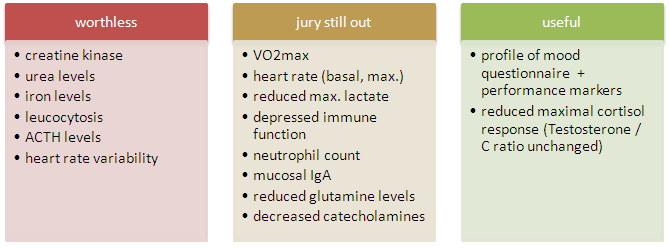
      Contrary to strategic overreaching, which can be highly productive, there is nothing beneficial about overtraining. Unfortunately, it is pretty difficult to objectively determine where one ends and the other begins. Learn more about useful, less useful and totally useless markers I suggest you surf over to this previous SuppVersity article.
      "The protocol was divided into three phases. Phase one consisted of a three times per week non-linear periodized RT program for weeks 1–8, modified from Kraemer et al. (2009). Phase two consisted of a two-week overreaching cycle during weeks 9–10. Finally, phase three consisted of participants tapering for weeks 11 and 12. Muscle mass and body composition were measured at baseline and at the end of weeks 4, 8, and 12. Muscle strength, vertical jump power, Wingate peak power (PP), creatine kinase (CK), C-reactive protein (CRP), free and total testosterone, and perceived recovery were measured at baseline and after weeks 4, 8, 9, 10 and 12." (Wilson. 2013)
      I know that (at least some of) you are not really interested in these details, at least not before they have not had the following questions answered: "Ho much more muscle?", "How how much less fat?" and not just as popular "How much stronger?". I guess figure 1 should answer all these questions, doesn't it?

      Figure 1: Changes in body composition and total strength after 4, 8 and 12 weeks (Wilson. 2013)
      Now, of the changes Wilson et al. observed the slightly more pronounced increases in fat loss was clearly statistically non-significant. The rest of the parameters, on the other hand, showed statistically significant inter-group differences. Among these, I personally consider effect the ameliorative effects of the ATP supplementation had on the the strength decrements that occurred in the placebo group aver the overreaching most significant. Why? Well, only with the provision of ATP did the overreaching period lead to the strength (and thus performance) gains trainers and trainees expect.

      Similarly beneficial effects were also observed for the protein breakdown. Despite being slightly increase in the regular training phase, the latter was significantly reduced by the ATP supplements, when the subjects were overreaching.
      "We can speculate that under normal conditions of training, when glycogen levels are likely adequate those participants supplementing with ATP were able to maintain higher intensities, which would result in higher rates of protein breakdown. However, when exposed to greater training frequencies, glycogen levels are likely to be depleted, thus preventing higher intensities from being performed." (Wilson. 2013)
      Against that background it should be obvious that the provision of ATP during phases of intense pre-season / pre-competition training could in fact boost the training outcome to new heights by bolstering the strength (and mass) increases during the taper after a typical pre-season overreaching phase.
      If your training log tells you that you neither gained weight nor strength in the past two months, you'd just waste your money if you bought an ATP supplement before you fixed your broken workout and nutrition regimens. If you have no clue how to do that, I suggest you start with the Step-By-Step Guide to Your Own Workout Routine and set up a new routine that's in line with your social life, training status and current goals (open with IE or FF).
      Bottom line: Irrespective of my initial (healthy ;-) skepticism, I must admit that the results Wilson et al. present in their most recent paper are not just impressive, they are also credible. With an excellent safety profile (none of the blood parameters Wilson et al. tested showed any abnormalities) and a mechanism of action that should offer synergies with the current staple supplements many of you are using, the provision of 400mg ATP ~30min before a workout (remember: In this case timing will probably matter) could actually produce visible changes to the figure and figures you see in the mirror and your training log, respectively.

      If you are not pushing yourself hard enough, are chronically overtraining, don't have your diet in check, don't get enough sleep and have thus not made any gains in the past months, however, you better save your money and return to the drawing board to come up with a better training and nutrition plan, first.

      References:
      • Arts IC, Coolen EJ, Bours MJ, Huyghebaert N, Stuart MA, Bast A, Dagnelie PC. Adenosine 5'-triphosphate (ATP) supplements are not orally bioavailable: a randomized, placebo-controlled cross-over trial in healthy humans. J Int Soc Sports Nutr. 2012 Apr 17;9(1):16. 
      • Coolen EJ, Arts IC, Bekers O, Vervaet C, Bast A, Dagnelie PC. Oral bioavailability of ATP after prolonged administration. Br J Nutr. 2011 Feb;105(3):357-66. 
      • Kraemer WJ, Hatfield DL, Volek JS, Fragala MS, Vingren JL, Anderson JM, Spiering BA, Thomas GA, Ho JY, Quann EE, Izquierdo M, Hakkinen K, Maresh CM: Effects of amino acids supplement on physiological adaptations to resistance training. Med Sci Sports Exerc. 2009, 41(5):1111–1121
      • Wilson JM, Joy JM, Lowery RP, Roberts MD, Lockwood CM, Manninen AH, Fuller JC, De Souza EO, Baier SM, Wilson SMC, Rathmacher JA. Effects of oral adenosine-5[prime]-triphosphate supplementation on athletic performance, skeletal muscle hypertrophy and recovery in resistance-trained men. Nutrition & Metabolism 2013, 10:57.