.

.
marylin monroe
Showing posts with label dairy. Show all posts

The Fat Truth Behind the Dairy Weight Loss Miracle: MUFA and PUFA Impair, Saturated Fat and Plenty of Micronutrients Drive Full-Fat Dairy-Powered Fat Loss.

Image 1: Kids who drink more milk, tend to be leaner... and that despite (?) the fact that this stuff comes out of an animal and is full of bad cholesterol and fat - outrageous ;-)
Plenty of interesting news, lately, so this one - just like the recently released hypertrophy / hormone correlation study by Stuart Phillips, about which I have been talking in yesterday's installments of the Intermittent Thoughts got somewhat delayed. With the Christmas holidays and the approaching and all those New Year's weight loss resolutions (I would prefer the term "fat loss resolution", though ;-) already on your mind, I do yet think that it is about time to break the news on the "fat" reason for the purported beneficial effects an increased consumption of dairy products during periods of caloric restriction appears to have on weight and more specifically body fat loss (Linn. 2000; Peirara. 2002; Shahar. 2010).

Dairy, calcium or simply the right macronutrient composition?

The scientific results I am going to present are taken from a study that was published in the Journal of Nutrition and Metabolism a few weeks ago (Smilowitz. 2011). In a randomized, placebo-controlled study Jennifer T Smilowitz and her colleagues from the USDA-funded (keep that in mind, when interpreting the results, or rather the scientists interpretation of the latter ;-) Western Human Nutrition Research Center assigned their 62, against the background of the rampant obesity epidemic, only slightly overweight young subjects (mean age: 25y; BMI ~28) to a calorically restricted diet (-500kcal) that was specifically designed to "provide comparable levels of macronutrient and fiber, to approximate the average consumption in the US" (35% fat, 49% carbohydrate, 16% protein and 2-3g fiber), which contained either
  • 0-1 servings of dairy, with 500mg dietary calcium (from the whole diet) + placebo,
  • no dairy (still 500mg calcium from diet), 900mg of supplemental calcium carbonate, or
  • 3 servings of dairy, with 1400mg of dietary calcium (from the whole diet) + placebo
Thusly, the study basically mimicked, what would happen if you told the average American to just keep their usual sedentary life-style (the subjects were instructed not to start to exercise or anything like that) and either just reduce his caloric intake by 500kcal, to do the former and to make sure to have three servings of dairy per day, or to just take an additional "healthy" calcium carbonate supplement.

Eat dairy + whatever you want and lose weight?

Now, interestingly, the subjects were not only free to chose whether they wanted to consume the dairy from low or normal fat cheese, milk and/or yoghurt, they were also relatively free as far as the rest of their dietary choices were concerned so that the detailed analysis of their food-logs allowed for conclusions to be drawn that went beyond the initial scope of the study... but let's take one thing after the other.
Figure 1: Dietary intake (macronutrients in kcal/day) of the subjects before and at the end of the 12-week study period and relative changes in carbohydrate, protein and fat intake (data calculated based on Smilowitz. 2011)
If you take closer look at the analysis of the dietary records the subjects had to keep, you will notice that the minor differences in the dietary prescriptions induced quite profound changes as far as the macronutrient composition of the respective diets was concerned. While the subjects in the non-dairy groups, regardless of whether they received a calcium supplement or placebo, cut back on all the three major macronutrients, the requirement to incorparate three servings of dairy into their meal-plan, alone appeared to suffice to keep the protein intake of the dairy group at a reasonably high level (~72g; which would be 0.96g/kg body weight). The protein intake of the two non-dairy groups, on the other hand dropped to 57g (0.75g/kg) and 54g (0.7g/kg) for the calcium and placebo supplemented groups, respectively.
Figure 2: Changes in body composition and measures of insulin sensitivity after 12-weeks on the high dairy, calcium supplemented or placebo supplemented diets (data calculated based on Smilowitz. 2011)
In view of the facts that the subjects had to stick to the calorically restricted diet for 12 weeks, it should not surprise you that all of them lost a statistically significant amount of body weight (cf. figure 1) and improved their insulin sensitivity (as indicated by reduced insulin levels and HOMA-IR values).What should yet strike your eye are the increased reductions in body fat and waist circumference and the greater increase in lean mass-% in the high dairy group. Now, you will probably assume that this was a result of the higher protein intake, and that may in fact have been the case, as one of my beloved model calculations by which scientists "adjust" their data for whatever they want (usually until the result is in accordance with their hypothesis ;-) revealed that
Dairy product consumption was found to be significantly associated with reduced WC [waist circumference] and %BF [percent body fat], however, these relationships were no longer significant after adjustment [my emphasis ;-] for protein and energy intake and physical activity.
Figure 3: Scatterplot of the partial correlations between reported 12-week mean dietary fat intake expressed as % of total energy and changes in lean body mass (LM) and body fat % (taken directly from Smilowitz. 2011)
Assuming that this "adjustment" yielded valid results it is all the more interesting what a subsequent analysis of the "adjusted" data revealed:
When expressed as a percent of total energy, dietary fat composition was correlated with changes in anthropometrics. Reported MUFA at 12 wk was inversely and positively associated with changes in % LM and % BF, respectively.
Or, in the words of the layman: The greater the relative monounsaturated fatty acid (MUFA) content of the subjects' diets, the more lean mass was lost and the more body fat was retained during the study period (cf. figure 3). Similarly, a higher intake of polyunsaturated fatty acids (PUFA) was associated with lower reductions in waist circumference, and while  the scientists claim that the n3:n6 ratio did not matter, it should make you wonder if it could actually be coincidental that the n6:n3 ratio in the dairy group was 6.6, while the ones in the calcium and placebo groups were 8.7 and 7.9, respectively.

And what about saturated fats? 

Moreover, the USDA scientists mention only "in the small print" that most fundamental (and statistically significant) distinguishing feature of the dairy group, who unquestionably had more favorable weight loss results despite an overall greater caloric intake, was (and I am quoting this from the paper) "a significantly higher intake of SFA [saturated fats] and lower intakes of MUFA and PUFA compared with the calcium supplement and placebo groups". Now, guess where this "bad" saturated fat came from? Well, probably from full-fat dairy! And guess why those "good" MUFAs and PUFAs were missing from the diets of the high dairy group. Well, probably because the subjects ate less "healthy vegetable oils"... ah, and did I already mention that the dairy group also ingested disproportionally (relative to their caloric intake) higher amounts of biotin, vitamin B12, vitamin D and - God forbid! - cholesterol?
Image 2: Even if you like animals, eating their eggs and full-fat dairy products won't hurt them.

So, while the scientists do their best to conceal that all those "bad things", like a high protein intake and nutrient dense real non-processed animal products with their original (saturated) fat, cholesterol and micronutrient content left untouched, are the true driving forces of successful weight loss (and, you bet, also maintenance), I am quite confident that you, as a diligent student of the SuppVersity, would not have needed the doctored... ah, pardon me, ... I obviously meant the well-adjusted results of this study to know that. After all, you are probably just enjoying a rib-eye steak with some delicious melted butter from grass-fed cows, right?

A Fat D-Ficiency! Do You Really Need More Vitamin D or Simply More Fatty Foods? Study Shows, Even 50.000 IU of Vitamin D3 Useless, When You Ingest It Without Fat.

 Image 1: Fatty fish and organ meats aside, whole eggs and full-fat dairy are your best food choices to raise vitamin D levels - I would even venture the guess that they (combined with fish and organ meats) would make supplementation obsolete, even in the Nothern hemisphere (if you "load up" on sun in the summer).
Those of you who have been following my daily blogposts, here at the SuppVersity for more than the last couple of days will be aware that I am one of the few outspoken vitamin D (-supplementation) skeptics. I am by no means doubting the scientific data which clearly indicates that low vitamin D levels (low in medical, not in "Internet blogosphere" terms) are associated with all sorts of diseases. I do not question the hypothesis that, from a biomolecular perspective, vitamin D has more of a hormone than of a "vitamin" (=essential nutrient). And I do not challenge the use of vitamin D(3) supplements by people with low or even borderline low vitamin D levels (although this blogpost may change the way you ingest them ;-). What I do yet call into question is the hilarious idea that every Joe and Jane in the Western hemisphere could benefit from taking "at least 2.000IU of vitamin D" per day.

Re-thinking dietary (=supplemental) vitamin D

Hitherto, the only Joes and Janes who have profoundly benefited from this one-(XL-)size-fits-it-all approach are the producers of respective supplements. Convincing scientific data from controlled studies which would show that the consumption of large amounts >1.000 IU of vitamin D capsule or pill form, exert any verifiable health benefit for someone with normal (or even low-normal) vitamin D levels is absent. The (remote?) possibility that there actually is no benefit, aside, there are yet a few other possible explanations why - epidemiological data aside - scientific evidence for the benefits of vitamin D3 supplementation in a non-vitamin-D-deficient cohort is still lacking:
    Image 2: Who would buy all those toxic, but expensive drugs, if it turned out that by taking a non-patentable "vitamin" the diseases they were invented for could be prevented?
  1. Lack of financial interest from the side of the pharma companies: Vitamin D is obviously non-patentable and if it could, as many people believe, prevent diabetes, stroke, heart disease and cancer, the use of respective supplements would obviously put the pharmaceutical industry out of business.

    Note
    : The pharmaceutical industry has already been trying to come up with patentable vitamin D analogues, of which they claim that they would lack the largely non-existent negative side-effects of the real vitamin - I guess, you can you tell which way the wind is blowing?!

    Financial revenue could thusly be a major factor, as it is obviously pretty costly to set up a tightly controlled, appropriately powered randomized, placebo-controlled study on healthy people. Even large scale epidemiological studies, on the other hand, can be done by a group of graduate students, by just plugging into respective databases and doing some more or less sophisticated statistical evaluations on existing data sets.

  2. Insufficient dosing or study periods that are simply too short to yield results: I have, in the past seen studies, even I, as a avowing skeptic, would not cite to underline my argument that we do not have enough scientific evidence that supplemental vitamin D is not the savior people may make you believe. I mean, if you assign a group of say 20 people to 400IU of vitamin D for 4 weeks and see no changes in a handful of pretty random markers of health and disease, this is unquestionably not an argument against the potential usefulness of vitamin D supplementation.

  3. Adding vitamin D3 supplements to a "healthy" low fat diet: Assuming that this point has immediately caught your eye, I want to encourage you to read the rest of this blogpost, as this, i.e. the necessity of adequate amounts of dietary fat, to absorb vitamin D3 is what the rest of this post will revolve around.
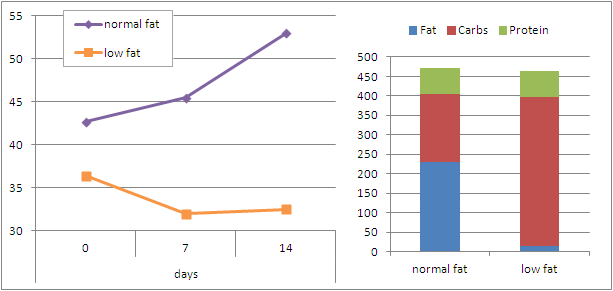
Fatty fish, eggs, organ meats, full fat organic (raw) dairy products - all those good foods which have been banned from YourPlate (at least if it contains what the US government's MyPlate suggests is healthy) are not only high in vitamin D, they are also high in fat. Against that background and in view of the fact that our ancestors did not buy their vitamin D at the local health food store, it is only reasonable to assume that our digestive tract was designed to absorb the little additional vitamin D we are supposed to get from foodstuff (you know that I am a firm believer in the power of sunlight - even beyond vitamin D) in the presence of fat. And guess what, a recent study, which was obviously not published in the Journal of the American Medical Association (cf. 1. in the previous list of possible explanations for the lack of conclusive scientific evidence on the usefulness of vitamin D supplementation), shows exactly that: without the concomitant presence of significant amounts of dietary fat, even 50.000IU of supplemental vitamin D3 have no effect on the serum levels of 25(OH)D, the active form of vitamin D (Raimundo. 2011, cf. figure 1).
Figure 1: 25(OH)D levels of 30 healthy men and women after ingestion of 50.000IU vitamin D3 supplement in conjunction with a normal or low fat breakfast (data calculated based on Raimundo. 2011)
And, as the detailed macronutrient breakdown in figure 1 (right) shows, the "high fat" breakfast the 30 young (~27y), healthy, non-obese, vitamin-d sufficient men (n=12) and women (n=18) ingested with a 50.000IU vitamin D3 capsule in the morning after an overnight fast, did not even consist of eggs and bacon. It was comprised of whole milk, white bread with bologna, and vegetable oil margarine and the whole milk aside, probably not much healthier than the skim milk, white bread with fruit jelly, and fruit salad breakfast the low-fat group had to eat. The additional 23.9g of fat did nevertheless make a huge difference, as far as the absorption and subsequent utilization of the vitamin D3 supplement is concerned.

No fat, no sun, no vitamin D - regardless of supplementation

Image 3: Get your D from the sun, if you can!
In view of the fact that the subjects were advised to "avoid sun exposure and changes in their usual eating pattern [which were probably low in dietary vitamin D] for the next two weeks", it is thusly hardly surprising that contrary to the "high fat" (I deliberately labeled it "normal fat" in figure 1 ;-) group, the subjects in the low fat breakfast group suffered a -11% decline in 25(OH)D serum levels over the 14-day follow up period, which other than the inter-group difference of 35% (!), did not reach statistical significance (mainly due to the small number of participants, where inter-subject variability renders even relatively profound differences "statistically non-significant").


And while the scientists concede that the small scale of the study, the lack of detailed recordings of the subjects' dietary vitamin D intake in the course of the 14-day follow up period and the reliance on 25(OH)D level as single surrogate for serum vitamin D levels (remember that we are actually talking about a whole host of "vitamins D") are limitations of their study, Raimondo et al. are nevertheless right to conclude that their "findings can have important implications to define the adequate dietary intake of vitamin D"... implications, which may well go beyond the mere recomendation to take your vitamin D with fat. After all, increased absorption would mean decreased need for supplementation and who knows whether you could not easily satisfy your dietary vitamin D requirements without any supplements, if you just set the "low-to-no fat, no dangerous organ meats" dietary recommendations at naught?

Dairy - The Good, the Bad or The Ugly? Latest Studies On Heart Disease, Diabetes, Cancer, Obesity and Co. Plus: What Dairy Peptides Do For Your Heart, Gut, Brain, etc.

Do you take Liz Hurley's word and set all warnings about the "non-paleo-ness" of dairy in general and milk in particular at naught? Or do you put faith into the "got milk?" campaign? Personally, I'd suggest not to do one or the other. I'd rather suggest you join me and take a look at a selection of recent studies.
If you've been following the SuppVersity Facebook News and / or have read previous SuppVersity articles on milk and dairy, you will be aware that I am not exactly convinced that the mere existence of allergic reactions and the "fact" that "our ancestors did not drink milk before ..." *put your favorite guesstimate here* allows for the conclusion that we are "not meant" to consume cow's milk. I am nevertheless open to scientific arguments that would convince me that dairy is bad for me - it's just that I don't see this evidence outside of "western diet + dairy makes you fat and that makes you sick" contexts.

What I do see, though, are papers such as the one Sandra Abreu or the recent review by Flávia Galvão Cândido et al. - studies that tell us that the intake of milk is negatively associated with the clustering of cardiometabolic risk factors in adolescents (Abreu. 2013), and reviews which conclude that "the consumption of low-fat dairy products may be an important strategy to prevent and control T2DM [type 2 diabetes]" (Cândido. 2013).

The evidence that dairy is bad for us all is simply not there

But hey, ... let's tackle the evidence one by one. I mean, there is plenty of news-worthy material here and we don't want the fun to be over prematurely, do we? So, let's start with a brief sketch of what Sandra Abreu and her colleagues from the University of Porto base their assessment that the intake of milk, but not total dairy, yogurt, or cheese, is negatively associated with the clustering of cardiometabolic risk factors in Spanish adolescents - shall we?
No! Full-fat dairy is not bad for you: While most of the epidemiological studies with their hilariously unreliable food questionnaires appear to suggest that only low fat dairy was good for your heart, a recent study from the Harvard School of Public Health found a clever way to test the association more objectively. Instead of questioning their subjects, 2837 US adults aged 45 to 84 years, they tested the amount of certain phospholipids in their blood and found that "plasma phospholipid 15:0, a biomarker of dairy fat, was inversely associated with incident CVD [-19%] and CHD [-26%]." (de Oliveira Otto. 2013) The fact that other dairy related phospholipids were not associated (neither positive nor negative) with cardiovascular and coronary heart disease risk does yet, as the scientists rightly point out, warrant further investigation.
"To test th[e] hypothesis [that a higher dairy product intake is associated with lower cardiometabolic risk factor clustering in adolescents], a cross-sectional study was conducted with 494 adolescents aged 15 to 18 years from the Azorean Archipelago, Portugal. We measured fasting glucose, insulin, total cholesterol, high-density lipoprotein cholesterol, triglycerides, systolic blood pressure, body fat, and cardiorespiratory fitness. We also calculated homeostatic model assessment and total cholesterol/high-density lipoprotein cholesterol ratio. For each one of these variables, a z score was computed using age and sex. A cardiometabolic risk score (CMRS) was constructed by summing up the z scores of all individual risk factors. High risk was considered to exist when an individual had at least 1 SD from this score. Diet was evaluated using a food frequency questionnaire, and the intake of total dairy (included milk, yogurt, and cheese), milk, yogurt, and cheese was categorized as low (equal to or below the median of the total sample) or “appropriate” (above the median of the total sample). The association between dairy product intake and CMRS was evaluated using separate logistic regression, and the results were adjusted for confounders." (Abreu. 2013)
I know that sounds really sophisticated, but in the end, it's just standard procedure for cross-sectional studies like this - studies with one unfortunate downside: It's impossible to detect causal relationships. 
Figure 1: Dietary intake in the low and "adequate" dairy-, milk-, yogurt-intake groups (Abreu. 2013)
Keep that in mind, when you take a closer look at the data in Figure 2 which indicates that the average adolescent milk connoisseur of whom you can see in Figure 1 that he / she consumes significantly more energy on a daily basis has a significantly reduced cardiometabolic risk (predicted by cardiometabolic risk score; CMRS):
Figure 2: Cardiometabolic risk in "adequate" vs. low dairy, milk, yogurt and cheese consuming adolescents; adjusted for parental education , pubertal stage, low-energy reporter, energy intake, total fat , protein , and dietary fiber intake.
I personally was surprised to see a statistically significant protective effect only with milk - it's not that I had expected to see that for all forms of dairy, but based on previous studies I would have expected the fermented yogurt products to outperform conventional milk.

The negative effects of cheese on the other hand are by no means surprising. Food logs do after all include all types of "cheese" including the fake yellow vegetable oil based cheese analogues the kids shovel down with their pizzas, burgers and the rest of the fast food dirt. A high cheese intake has thus (unfortunately) become an indicator of low diet quality and the results of the study at hand hardly a credible marker that cheese is bad for you.

If 95% of your "dairy intake" comes from pizza, you are unlikely to see...

... any of the following benefits of dairy peptides, Blanca Hernández-Ledesma, María José García-Nebot, Samuel Fernández-Tomé, Lourdes Amigo, and Isidra Recio summarized in a soon-to-be-published review in the peer-reviewed scientific journal International Dairy Science:
  • Figure 3: Reduction of systolic blood pressure in mmHg per mg/kg of the said peptide you consume - mind the logarithmic scale(!); data calculated based on rodent studies summarized in Hernández-Ledesma (2014)
    Cardiovascular health effects due to the antihypertensive, anti-inflammatory, general antioxidant and hypocholesterolaemic properties of various dairy peptides
  • Intestinal health effects due to the ability of dairy peptides to modulate and regenerate the gut mucosa, increase mineral absorption, exert local anti-inflammatory effects at the gastrointestinal level
  • Antidiabesity effects that are related to both direct pro-insulinogenic effects of dairy peptides ant their ability to increase satiety. 
  • Central nervous system relaxant and antinociceptive (pain-killing) effects
  • Immune health which is promoted by antimicrobial and immunomodulatory peptides that are either already present in dairy or arise during the digestion process
  • Anticancer effects that are mediated by the overall anti-inflammatory properties of certain dairy peptides, as well as direct anti-proliferative effects of dairy
Now, it goes without saying that you won't see the same effect from eating some goat kefir as Miguel et al. (2010) observed it, when they administered fraction 58-68 of goat casein to their lab rodents, but the data in Figure 3 can explain the well-established blood pressure lowering effects of dairy in general and the whey and casein induced BP reduction Figueroa et al. observed only recently in a study with obese women (Figueroa. 2013; see SuppVersity Facebook News).
Bottom line: You can't expect dairy to fully protect you against diabesity, cancer and a leaky, you can't expect it to lean you out in days, and you can't expect it to build muscle overnight, but you can expect general health benefits not detriments from incorporating a variety of fermented and unfermented dairy products into your diet - as long as you ain't lactose intolerant.

"Are Camels the Better Cows? Cancer, CVD, Allergies,Infections & More - Camel Milk Prevents or Fixes All These Ailments" | more
One thing you should keep in mind, though, is the unfortunate fact that the amount of "non-dairy" cheese, cream and other products is increasing by the day. Especially the former, the fake yellow vegetable oil based cheese analogues is something you want to avoid. The same goes for many of low fat products. While much of the "magic" is in the peptides, most of the commercially available "diet" products contain tons of sugar and all sorts of questionable additive to make up for the loss of color, taste and texture that's brought about by the removal of the fat. And lastly all products that extend the shelf-life to "eternity" by adding questionable preservatives.
References
  • Abreu, S., Moreira, P., Moreira, C., Mota, J., Moreira-Silva, I., Santos, P. C., & Santos, R. (2013). Intake of milk, but not total dairy, yogurt, or cheese, is negatively associated with the clustering of cardiometabolic risk factors in adolescents. Nutrition Research.
  • Cândido, F.G., Ton, T. S., & Alfenas, R. D. C. G. (2013). Dairy products consumption versus type 2 diabetes prevention and treatment; a review of recent findings from human studies. Nutr Hosp, 28(5), 1384-1395.
  • de Oliveira Otto, M. C., Nettleton, J. A., Lemaitre, R. N., Steffen, L. M., Kromhout, D., Rich, S. S., ... & Mozaffarian, D. (2013). Biomarkers of dairy fatty acids and risk of cardiovascular disease in the multi‐ethnic study of atherosclerosis. Journal of the American Heart Association, 2(4), e000092.
  • Figueroa, A., Wong, A., Kinsey, A., Kalfon, R., Eddy, W., & Ormsbee, M. J. (2013). Effects of Milk Proteins and Combined Exercise Training on Aortic Hemodynamics and Arterial Stiffness in Young Obese Women With High Blood Pressure. American Journal of Hypertension, hpt224. 
  • Freedman, B. J. (1980). Sulphur dioxide in foods and beverages: its use as a preservative and its effect on asthma. British Journal of Diseases of the Chest, 74, 128-134.
  • Hernández-Ledesma, B., García-Nebot, M.J., Fernández-Tomé, S., Amigo, L.,
    Recio, I., Dairy protein hydrolysates: Peptides for health benefits, International Dairy Journal(2014), ahead of print
  • Iammarino, M., Di Taranto, A., Palermo, C., & Muscarella, M. (2011). Survey of benzoic acid in cheeses: contribution to the estimation of an admissible maximum limit. Food Additives and Contaminants: Part B, 4(4), 231-237.

Science Round-Up Seconds: How Colostrum Turns the Oxidative Downsides of Endurance Exercise into Benefits and Why Cacao is so Much More Than Just Delicious

Looking for a delicious and more creative way than colostrum powered chocolate milk to combine today's seconds? What about Linda Wagner's Chocolate Cherry Bomb Smoothie with Colostrum, Caco, Maca, Acai, almond milk & more?
By now you will probably have listened to yesterday's installment of the SuppVersity Science Round-Up either via the Super Human Network live stream, or after downloading the podcast (the Round-Up starts in the 2nd hour) that has now been available for ~20h. In case you did not have the chance to listen live or listen to the podcast, but have a vested interest in erectile (dys-)function, optimal testosterone levels, the connection between testosterone, DHT, estrogen, insulin resistance, obesity, the health of your liver and longevity or you are simply eager to learn more about the latest research on high intensity interval training, steady state cardio,  everyday activity and the fallacy of the "exercise just makes you hungry hypothesis" (additional suggested read: "Dr. Oz Was Right: Exercise Does not Just Make You Hungry") and their effects on your metabolic health, conditioning and physique there is no way, you want to miss listening to this show, either before or after you devour this week's installment of the SuppVersity Science Round-Up Seconds.
  • Colostrum supplementation blunts exercise induced reduction in endogenous anti-oxidants and potentiates its beneficial effects (Appukutty. 2012) --Published on November 22, this paper by Appukutty et al. is only the latest in a long line of articles on the effectiveness or ineffectiveness of colostrum as an ergogenic aid (suggested read: "Ask Dr. Andro: Are Colostrum and Milk Healthy Muscle Builders?). We will get to these differences in a minute, but let's first take a look at the effects the provision of 50mg/kg body weight (human equivalent: 2.4mg/kg) had on the total antioxidant status, lipid oxidation, xanthine oxidase and super oxide dismutase levels in treadmill exercised (30min per day) mice.
    Figure 1: Relative levels of total antioxidants, xanthine oxidase and super oxide dismutase in supplemented (COL), exercised (EX) and exercised + supplemented (EX + COL) mice expressed relative to sedentary non-supplemented control (Appukutty. 2012)
    It's not difficult to see that the effects of the colostrum supplement go beyond the mere amelioration of the exercise induced decrease in total anti-oxidant enzymes and super oxide dismutase levels. The human equivalent of only 2.4mg/kg body weight per day did - after 14 days of supplementation the total antioxidant status in the exercised + supplemented rodents was already 5% greater, after 21 days whopping 11% greater than in the supplement only group.

    In view of the previously reported benefits of supplemental colostrum you could certainly argue that the obvious parallels to the difference between "training" and "overtraining", with the former having promotive and the latter having compromising effects on the endogenous anti-oxidant system of your body are no coincidence. In view of the about as many studies which found no or at least no significant factually or potentially ergogenic effects in response to supplemental "beast milk", we still have to answer the question I invoked in the introductory paragraph of this sub/item of today's installment of the SuppVersity Science Round-Up Seconds: "How come it works in some, but by no means all studies?" The answer could actually be way more straight forward than you think and reads "Simply because he scientists used different supplements!"

    Even the dairy industry has realized that the way they feed their cows and post-process their colostrum, before they eventually feed it to their offspring, renders almost 60% of the maternal colostrum from US dairy farms "inadequate" so that "a large number of calves are at risk of failure of passive transfer or bacterial infections, or both." (Morrill. 2012)

    Not all colostrum is made the same and the beneficial effects of each and every individual product - specifically with respect to the integrity of the intestinal wall - will necessarily depend on its bacteria content and the latter depends on the feed the cows receive as well as the processing the colostrum undergoes.
    If you do still remember my post on the etiology of exericse-induced increased intestinal permeablity and the beneficial effects 'intact' colostrum has on the integrity of the gut you just have to put two and two together and you have your explanation: Just like the efficacy of any artificial supplement depends on he chemicals the producer puts into it, the effectiveness of a food supplement will vary due do both natural (e.g. seasonal, feed dependent, stress andhealth related...) and 'unnatural' fluctuations in its ingredient profile. Heat treatment, which is applied to almost all commercially available colostrum supplements, for example, may leave most of the IgG content intact, but it will reduce not just the total count, but also the diversity of the microbiota in colostrum (only the heat resistant bacteria, mostly gram-positive, will survive; cf. Hayes. 2012) 
  • Study shows, cacao phenols protect your gut from inflammation, but there is much more cacao can do for you (Rodríguez-Ramiro. 2012) -- As a recent paper by scientists from the Ciudad Universitaria in Madrid (Spain) goes to show you, colostrum and bacteria are not the only naturally occuring supplements that are good for your gut health. Cacao has just been shown to do a pretty decent job, as well.

    Table 1: Nutritional content of the experimental diets the rodents were fed for 8 weeks with the carcinogen being injected in week 3 and 4 (Rodríguez-Ramiro. 2012)
    In an in-vivo the Spanish observed that a diet that was enriched with 12% cacao powder had astonishing anti-inflammatory effects in a rat model of azoxymethane (AOM)-induced colon carcinogenesis. The rodents had been fed the 12% cacao diets (composition see table 1 to he right), for 8 weeks. In weeks three and four, the scientists injected the procarcinogenic drug azoyxymethane in order to induce intestinal inflammation that would potentially lead to the development of colon cancer.

    Compared to the animals on the regular chow, the rats in the cacao group exhibited highly significant decreases the nuclear levels of  NF-κB and the expression of pro-inflammatory enzymes such as cyclo-oxygenase-2 and inducible NO synthase, all of which were profoundly upregulated in response to the AOM injections in their peers on the regular diet.

    In a subsequent in-vitro experiment on Caco-2 cells, the scientists were also able to confirm that cocoa the cacao polyphenols effectively down-regulate the levels of inflammatory markers induced by TNF-α by inhibiting NF-κB translocation and JNK phosphorylation.

    Now, it does not really appear feasible to eat a 12% cacao powder diet, right? Well, based on the data from table 1 the average food intake and body weigh of the rodents and some mathematical shenanigan, it's actually not difficult to calculate that the human equivalent dose, which would be 150g of cacao powder per day conains no more than 3g of polyphenols and could theoretically be achieved by supplementing with ~15g of chocamine every day. Ok, that would be hilariously expensive, but I assume you don't inject 3.25mg/kg azoyxymethane on a regular basis, right? Well, I guess this would mean that you won't need 15g of chocamine or 150g of cacoa powder to protect your gut either, right?

    Moreover, I suspect that most if not all of you will have heard or read about one of the dozens of epidemiological studies which show associations between very moderate intake of dark chocolate and cardiovascular, neuronal and metabolic health. Apropos "metabolic" did I mention that the animals in the cacao group were also 10% leaner than their peers on the regular - probably not a fair comparison with the differences in the macronutrient make-up but it would still be worth adding another bulletin point to a pretty impressive list of scientifically proven health-benefits of cacao consumption (or supplementation with respective extracts), which comprises among other things
      Guess how she got in shape? Right! The EDC Program ! EDC? Yeah: "The Female Weight-Loss EDC: The Fat Burning, Waist Reducing Synergy of Exercise, Diet and Dark Chocolate" - click here to  learn more
    • high antioxidant activity
    • improved insulin sensitivity, beta cell function & carbohydrate metabolism
    • improved HDL/LDL ratios
    • inhibition of detrimental byproducts of the arachidonic acid metabolism
    • induction of NO-mediated, endothelium-dependent relaxations
    • reduced incidence of stroke due to hypotensive effects
    • anti-CVD effects via TGF-β1 and decreased tendency of blood to clotting
    • local and systemic TNF-alpha modulation and VGEF suppression => anti-cancer efects
    • immune effects that can protect you from tooth decay
    • protection against UV radiation and rejuvenating effect if its applied to the skin
    • suppressive effect on fatty acid synthesis
    • increases in mitochondrial respiratio
    • ability to boost serotonine (5-HT), improve mood and lower appetite and cravings
    • [...]
    I am not intending to make an all-encompassing list, here. Instead I will conclude with the astonishing insight from one of the most recent meta analysis that the daily consumption of the polyphenol equivalent of 100g of dark chocolate (at least 60-70% cacao content; 500-1,000mg polyphenols) would prevent 85 cardiovascular events per 10,000 capita every year (Zomer. 2012).

    Don't get me wrong I am with you with respect to the absurdity of cost-analyses when we are talking about health, but that's unfortunately the way the health business is operating and therefore I won't simply ignore the 50,000$, which is the saving the scientists estimate for every saved life and the corresponding 40$ of which Zomer et al. suggest that they should be spent "per person per year could be devoted to advertising, educational campaigns, or potentially subsidisation of dark chocolate in this high risk population." (Zomer. 2012)

That's  it for this week - at least as far as the SuppVersity Science Round-Up goes

Since Maxim asked "And what about garlic?", here is an addendum summarizing what I maybe did not get across very well at the end of the show, when I was flabbergast that the show was already over: The researchers took 20 male non-athletes (aged 22-26 years, body fat 16-20% and VO2max 38-42 ml/kg/min) randomized them to 700mg garlic or dextrose control  for 14 days and had them work out at 75% VO2max on the treadmill for 30 minutes at the end of the intervention period. Afterwards they analyzed the blood samples and found that (a)the 14 day supplementation alone reduced the basal triglyceride and increased the high density lipoprotein-cholesterol (HDL) increase (P<0.05) and (b) increased the beneficial effects of the exercise bout on acute reductions in LDL and triglycerides (Zekril. 2012)
I hope you enjoyed listening to the show (click here to download the podcast in case you still haven't done so) and satisfied your cravings for more with this installment of the SuppVersity Science Round-Up Seconds: In case you haven't I suggest you browse over to the SuppVersity Facebook Wall and check out the latest news on
  • The connection between MS an impaired blood-brain barrier: A leaky brain and the intrusion of fibrinogen (a coagulation protein from the blood) could be the cause of multiple sclerosis (read more)
  • Fishing for Omega-3s in Milk: One cup of fish oil enhanced milk yields 432mg of DHA + EPA... and it does not taste or smell fishy (read  more)
  • Heart disease may begin even before you are born: Prenatal stress will turn the "probably" before "develop heart disease" into a "most likely" (read more)
When you are done with that and still hungry for more, you may want to check out my, as well as Patrick Arnold's, Kurtis Frank's (examine.com) and Willem Koert's (ergolog.com) contributions to a round-table discussion on the more or less recent ban of DMAA (aka geranium oil) in Australia - I have been so busy that I totally forgot about having done the respective interview weeks ago. Sorry for letting you know so late ;-)


References:
  • Appukutty M, Radhakrishnan AK, Ramasamy K, Ramasamy R, Abdul Majeed AB, Ismail MN, Safii NS, Poh KB, Chinna K, Haleagrahara N. Colostrum supplementation protects against exercise - induced oxidative stress in the skeletal muscle in mice. BMC Res Notes. 2012 Nov 22;5(1):649.
  • Hayes MM, Hughes TA, Greene AK. Bacterial diversity in dried colostrum and whey sold as nutraceutical products. J Food Sci. 2012 Jul;77(7):M359-63.
  • Morrill KM, Conrad E, Lago A, Campbell J, Quigley J, Tyler H. Nationwide evaluation of quality and composition of colostrum on dairy farms in the United States. J Dairy Sci. 2012 Jul;95(7):3997-4005.  
  • Rodríguez-Ramiro I, Ramos S, López-Oliva E, Agis-Torres A, Bravo L, Goya L, Martín MA. Cocoa polyphenols prevent inflammation in the colon of azoxymethane-treated rats and in TNF-α-stimulated Caco-2 cells. Br J Nutr. 2012 Nov 28:1-10. 
  • Zekri1 R, Jafari A, Dehghan G.  The concurrent effect of one bout aerobic exercise and short-term garlic supplementation on the lipids profile in male non-athletes. J Shahrekord Univ Med Sci. 2012; 14 (5) :34-41
  • Zomer E, Owen A, Magliano DJ, Liew D, Reid CM. The effectiveness and cost effectiveness of dark chocolate consumption as prevention therapy in people at high risk of cardiovascular disease: best case scenario analysis using a Markov model. BMJ. 2012 May 30;344:e3657.

Nutrition Research Update: Meal Timing & Energy Intake, Full Fat Dairy for Zero Fat Waist-Lines, D-Sorbose for Glucose Control, Broccoli for Your Brain & More

From Meal Timing Over Broccoli & Full-Fat Dairy to Anti-Diabetic Sweeteners
Based on the number of visitors you like a number of short news that will bring you up to speed on a certain topic better than a longer in-depth analysis of just one study. This and the fact that the number of recent papers that would be worth being discussed at length is not exactly huge are the reason today's SuppVersity article falls into the "short news" category again.

Basically the title says it all. All of the individual items in today's news article are from the latest issue of Nutrition Research and thus related to the effects the stuff that enters your body through your mouth is going to have on your health and overall well-being.
You can learn more about meal frequency at the SuppVersity

Grazin' Bad For the Obese!

Breakfast Keeps You Lean?!

Frequent Protein Consumption

Myth: Few Meals More Bodyfat

8 Meals = Stable, But High Insulin

Int. Fasting & Exercise
  • Meal timing matters, but only because it has a significant effect on the amount of food we eat. According to the latest study by Kathryn J. Reid, Kelly G. Baron, and Phyllis C. Zee, factors that correlate with an increased energy intake in 59 individuals, whose rest/activity patterns were assessed using 7 days of wrist actigraphy, and whose caloric intake was evaluated using 7 days of diet logs, are:
    • eating more frequently , 
    • later timing of the last meal, and 
    • a shorter duration between last meal and sleep onset
    Again, none of these factors will mechanistically make you store more body fat. What they will do, however, is to make you eat more. Basically this is also what the scientists imply, when they say that "In a mediational model, eating frequency explained the relationship between eating closer to sleep onset and total caloric intake" (Reid. 2014).
    Table 1: Associations between total calories, BMI, meal timing, meal frequency, and measures of sleep (Reid. 2014)
    It is thus not, as you may assume based on the latest studies on the intricate relationship between meal timing and the workings of your biological clock, the timing that makes late eaters more prone to obesity, but simply the fact that they're eating more than the early birds. 
  • Whole fat dairy intake is associated with lower obesity risk, findings from the Observation of Cardiovascular Risk Factors in Luxembourg study show. Bear in mind that we are dealing with observational data with all its usual flaws and shortcomings, before you start shoveling down extra amounts of whole fat dairy or throw all your low fat dairy products out of the window.
    Figure 1: Multivariate adjusted (Model 1: M1 | Model 2: M2, details see text) difference in risk of being abdominally obese (WC ≥102 cm for men and 88 cm for women) in men and women consuming 3 vs. 1 serving of the given type of dairy per day (Crichton. 2014).
    Although the data in Figure 1 has been adjusted for age, education, sex, smoking, physical activity (in min/wk), total carbohydrate (in g/d), total protein (in g/d), total fat (in g/d), total fiber (g/d), alcohol (in g/d), calcium (in mg/d), and total energy intake (in kcal/d), and in model 2 even for HDL (in mg/dL), LDL (in mg/dL), triglycerides (in mg/dL), and systolic and diastolic BP (in mm Hg), this is still statistical shenanigan and could well be messed up by a correlation between being fat and choosing fat foods in the (false?) believe that they would help you lose weight. 
  • D-sorbose as an anti-diabetes sweetener. In an attempt to develop d-sorbose as a new sweetener that could help in preventing lifestyle-related diseases, scientists from the University of Nagasaki Siebold investigated the inhibitory effect of d-sorbose on disaccharidase activity, using the brush border membrane vesicles of rat small intestines - put simply they checked if d-sorbose would inihibt the breakdown of disaccharides into monosaccharides and thus have the ability to slow down the absorption of glucose from "complex" carbs.
    Figure 2: Effects of adminstration of sucrose, the same amount of sucrose and + 10% d-sorbose or l-sorbose on the glucose and insulin response in rodents (Oku. 2014)
    I've marked the "benefits", i.e. the decrease in blood glucose (left) and the reduced insulin spike (right) in Figure 2. As you can see the effect is - at least in rodents - physiologically relevant, so that it is reasonable that Oku et al. assume that
    "[...] d-sorbose might also suppress postprandial elevation of levels of glucose and insulin due to ingestion of sucrose or maltose in humans and could be used as a sweetener that may reduce risk for lifestyle-related diseases but requires more research" (Oku. 2014).
    In view of the fact that the technology that is necessary to produce large amounts of d-sorbose has become available only relatively recently it is yet unlikely that you will be able to buy this stuff at the health food store next door, already.
  • Green veggies like broccoli have also been shown to reduce postprandial glycemia + insulin and noost the production of the anti-obesogenic satiety hormone GLP-1 | learn more
    Broccoli may ameliorate "brainflammation" in the eldery. That's at least what the latest rodent study from the University of Illinois would suggest.

    The study that was conducted by Brigitte E. Townsend, Yung-Ju Chen, Elizabeth H. Jefferya, and Rodney W. Johnson showed marked reductions in age-elevated cytochrome b-245 β, an oxidative stress marker, and reduced glial activation markers in aged mice who were fed a diet containing 10% broccoli diet for 28 days. Overall the effects are obviously modest; and yet, the study still provides good evidence to keep broccoli on your "foods I consume regularly" list.
Does eating veggies reduce inflammation? Yes, it does, 8 servings per day will significantly reduce CRP (Watzl. 2000), 68g of avocados will reduce IL-6 & NF-kappaBeta (Li. 2013), high intakes of alpha- and beta-caro- tene containing foods is associ- ated with decreased coronary heart disease risk and CHD mortality (Osganian. 2003 ; Bujisse. 2008), tomatos may protect against prostate cancer (Etminan. 2004), tomato juice makes LDL molecules resistant to oxidation (Upritchard. 2000), toma- to paste protects your skin from UV radiation (Rizwan. 2011), etc.
You want more? Well I have another study for you. One that attempts to explain why fruits an veggies in general and plant carotenoids in particular are good for you. It's a study from the Environment and Agro-biotechnologies Department in Luxemburg (Kaulmann. 2014) that analyzed the effect of carotenoids on intracellular signaling cascade and the corresponding effects on gene expression and protein translation and found that (1) carotenoids are able to interact with the nuclear factor κB pathway and thus inhibit the downstream production of inflammatory cytokines, (2) carotenoids can block oxidative stress by interacting with the nuclear factor erythroid 2–related factor 2 pathway and activating phase II enzymes and antioxidants, such as glutathione-S-transferases, and concludes that we (3) still have an incomplete understanding of what exactly carotenoids and other phytochemicals can do for our health | Any comments? If so, leave them on Facebook!
References:
  • Buijsse, Brian, et al. "Both α-and β-carotene, but not tocopherols and vitamin C, are inversely related to 15-year cardiovascular mortality in Dutch elderly men." The Journal of nutrition 138.2 (2008): 344-350.
  • Crichton, Georgina E., and Ala'A. Alkerwi. "Whole-fat dairy food intake is inversely associated with obesity prevalence: findings from the Observation of Cardiovascular Risk Factors in Luxembourg study." Nutrition Research (2014). 
  • Etminan, Mahyar, Bahi Takkouche, and Francisco Caamaño-Isorna. "The role of tomato products and lycopene in the prevention of prostate cancer: a meta-analysis of observational studies." Cancer Epidemiology Biomarkers & Prevention 13.3 (2004): 340-345.
  • Kaulmann, Anouk, and Torsten Bohn. "Carotenoids, inflammation, and oxidative stress—implications of cellular signaling pathways and relation to chronic disease prevention." Nutrition Research (2014).
  • Li, Zhaoping, et al. "Hass avocado modulates postprandial vascular reactivity and postprandial inflammatory responses to a hamburger meal in healthy volunteers." Food Funct. 4.3 (2013): 384-391.
  • Oku, Tsuneyuki, et al. "D-sorbose inhibits disaccharidase activity and demonstrates suppressive action on postprandial blood levels of glucose and insulin in the rat." Nutrition Research (2014). 
  • Osganian, Stavroula K., et al. "Dietary carotenoids and risk of coronary artery disease in women." The American journal of clinical nutrition 77.6 (2003): 1390-1399.
  • Reid, Kathryn J., Kelly G. Baron, and Phyllis C. Zee. "Meal timing influences daily caloric intake in healthy adults." Nutrition Research (2014). 
  • Rizwan, M., et al. "Tomato paste rich in lycopene protects against cutaneous photodamage in humans in vivo: a randomized controlled trial." British Journal of Dermatology 164.1 (2011): 154-162. 
  • Upritchard, JANE E., W. H. Sutherland, and J. I. Mann. "Effect of supplementation with tomato juice, vitamin E, and vitamin C on LDL oxidation and products of inflammatory activity in type 2 diabetes." Diabetes care 23.6 (2000): 733-738.
  • Watzl, Bernhard, et al. "Prolonged tomato juice consumption has no effect on cell-mediated immunity of well-nourished elderly men and women." The Journal of nutrition 130.7 (2000): 1719-1723.

"Milk Kills," Study Says and Everyone is Afraid. Is This More Than Fearmongering Bullsh*t? Methodological Issues & Conflicting Evidence Would Suggest the Answer is "No!"

After reading this article you won't have to be afraid of milk any longer.
The editor of the British Medical Journal (BMJ) will be rubbing his / her hands. The paper by Karl Michaëlsson et al. (2014) that was published earlier this week, made it to the mainstream news in the US and Europe and did - at least at first sight - reflect well on his or her magazine. "The British Medical Journal saves you from intoxicating yourself with milk!" - That's great, right?

Well, in today's SuppVersity article, I am going to take a closer look at how "great" it actually is that studies like this hit the mainstream media, while less exciting, because beneficial studies on milk are not being mentioned at all ... unless, of course, it's the morally superior and allegedly healthier soy milk we are talking about *sarcastic laughter*
You can learn more about dairy at the SuppVersity

Dairy Has Branched-Chain Fatty Acids!

Is There Sth. Like a Dairy Weight Loss Miracle?

There is Good A2 and Bad A1 Dairy, True or False?

Lactulose For Your Gut & Overall Health

Is There a "Fat Advantage" for Dairy Lovers

Dairy, Diabetes, Estrogen, IGF-1, Cancer & More
Before we get to a detailed analysis of the analysis, let's briefly remind ourselves of the type of data we are dealing with. Data from the Swedish Mammography Cohort (all female subjects) and Cohort of Swedish Men (all male subjects) that was complemented by data from food questionnaire that were send out back in the late nineteen eighties (women) and -nineties (men) along with the invitation to participate in the respective cohort studies.

Figure 1: Flow chart of the study sample (Michaëlsson. 2014).
As you can see in Figure 1 we are dealing with a hell lot of data. Data of which we still should not forget that it is based on data of which Thompson, et al. were able to show that it has an accuracy of 45-52%, specifically for dairy products (Thompson. 2002).

Now, in the study by Thompson the subjects were asked about what they ate in the last 30 days. The data in the study at hand, however, is based on what subjects said about how often they drank milk in the past 365 days! A fact that is not likely to make the data any more accurate.

Furthermore, I assume that all of you will have heard of people who change their dietary habits over time, right? Well, for Michaëlsson et al. this is obviously news. Otherwise they would not have relied exclusively data that was gathered, when the subjects were enlisted for the cohort study in the late 1980s / 1990s, when they were trying to identify the reason that 15,541 of the men and women died over the course of the 10-20 year follow-up.
Speaking of 20 years. That's the time that passed between being enlisted and speculating about their daily food intake when the 90 303 women aged 39-74 were enlisted in the Swedish Mammography Cohort and the 31st of December 2010, which was used as an end point for the analysis.
Figure 2: Mortality raters (raw data) according to milk intake in glasses / grams (Michaëlsson. 2014).
Malicious gossip would now probably have it that the additional 10 year gap, i.e. 10 more years to start eating completely differently, alone, could explain why we see a significant negative effect of drinking milk in the female, but not the male participants, for whom the interlude between the food frequency questionnaire and the end point of the study was ~50% smaller.
Figure 3: Adjusted predictions of urine 8-iso-PGF2α, a marker of oxidative stress, in 892 women (based on cross sectional data, mean age 70 years) and 700 men (Michaëlsson. 2014).
A similar criticism can be brought forward with respect to the allegedly "objective" measurements of 8-iso-PGF2α, a marker of oxidative stress, that was assessed in only 892 women (based on cross sectional data, mean age 70 years) and only 700 men, i.e. 1.4% of the female and 1.5% of the male participants, where the "trend" towards increased inflammation reached - once gain! - significance only in the female study participants (see Figure 3).
Homogenization may in fact be a problem. You find that's bogus? There is evidence that suggests that homogenization, not pasteurization is a serious problem | more.
What do commenters say? If you take a closer look at the hitherto published comments (retrieved on October 31, 2015) on the BMJ website, you will find commenters mentioning (1) the obvious association between having too little calcium <> fractures and the desire to increase ones calcium intake by drinking more milk (Kerr, J. Prof. of Epidemiology in Columbia), (2) the absence (or as Rom R. Hill from the Newcastle University says "significant omission") of a clear distinction between raw and pasteurized milk and low fat and full fat milk that makes the study, in Kerr's eyes, more or less meaningless, (3) last but not least, an unknown commenter mentions the issue of hormone, antibiotics and analgesic abuse in modern milk production and highlights that somatotropin (rBST) was still allowed in the EU, when the data from the study was collected. In view of the fact that rBST can affect hormonal and metabolic growth factors including human serum insulin-like growth factors (IGF), this could be another reason specifically for an increase in cancer related mortality (Allen. 2002; WHO. 2006).
Learn more about dairy from Liz in a previous SuppVersity article, i.e. "Dairy - The Good, Bad or Ugly?"
Moreover, the hazard ratios you read of in the news may have been adjusted, but the question remains, whether the adjustment could correctly make up for the fact that men and/or women who consumed more milk, ...
  1. consumed significantly more energy on a daily basis (39% more in women, 24% more in men),
  2. consumed significantly more saturated (36% more in women) and total fat, and
  3. were significantly less likely to use bone building calcium supplements (15 % less in women).
Of these three factors (1) + (2) could explain the increased mortality and cancer risk in women and (3) could explain why women, but not men have a higher risk of hip, but not general bone fracture (hypothetically!).
My recommendation: Don't overrate the results of the study at hand. It has truckloads of methodological shortcomings, a tinge of the hysterical attention grabbing sensationalism and, most importantly, it stand in stark contrast to previous results which indicate that...
Figure 4: If you look at all the evidence, you will see that milk is more likely to protect than to kill you (Elwood. 2008; Bonthuis. 2010; Goldbohm. 2011)
  • a high intake of milk is associated with a 16% reduced risk of cardiovascular disease and an 8% reduced risk of diabetes, two of the most important health issues that will have you pass away years, if not decades before your time (Elwood. 2008 | meta-analysis of 15 pertinent studies),
  • Australians with a high fat milk intake of of 339g/day or more have a 69% reduced risk of dying from cardiovascular disease than their peers (Bonthuis. 2010),
  • Dutch full-fat dairy connoisseurs have a 1% reduced all-cause mortality risk for each 10g of full fat dairy consumption per day (Goldbohm. 2011).
And in spite of the fact that several other studies find no beneficial effects of milk consumption of CVD or all-cause mortality (e.g. non-significant -23% in partly adjusted model in the Whitehall II study), it appears very unlikely that "milk kills". That this statement makes appalling headlines and will get a lot of clicks on the Internet, on the other hand, stands out of question | Read the whole paper for free @ the BMJ Website make up your mind and tell me on Facebook what you think.
References:
  • Allen, Naomi E., et al. "The associations of diet with serum insulin-like growth factor I and its main binding proteins in 292 women meat-eaters, vegetarians, and vegans." Cancer Epidemiology Biomarkers & Prevention 11.11 (2002): 1441-1448.
  • Bonthuis, M., et al. "Dairy consumption and patterns of mortality of Australian adults." European journal of clinical nutrition 64.6 (2010): 569-577.
  • Elwood, Peter C., et al. "The survival advantage of milk and dairy consumption: an overview of evidence from cohort studies of vascular diseases, diabetes and cancer." Journal of the American College of Nutrition 27.6 (2008): 723S-734S.
  • Goldbohm, R. Alexandra, et al. "Dairy consumption and 10-y total and cardiovascular mortality: a prospective cohort study in the Netherlands." The American journal of clinical nutrition (2011): ajcn-000430.
  • Michaëlsson, Karl, et al. "Milk intake and risk of mortality and fractures in women and men: cohort studies." BMJ 349 (2014): g6015.
  • Thompson, Frances E., et al. "Cognitive research enhances accuracy of food frequency questionnaire reports: results of an experimental validation study." Journal of the American Dietetic Association 102.2 (2002): 212-225.
  • WHO Expert Committee on Food Additives. "Toxicological evaluation of certain veterinary drug residues in food/prepared by the sixty-sixth meeting of the Joint FAO/WHO Expert Committee on Food Additives (JEFCA)." (2006).

A Higher Intake of CLA and Vaccenic Acid from Dairy, Beef, Veal and Lamp Could Prevent Subtle Weight Gain in Healthy Middle-Aged Individuals. Is 1.5g/day the Magic Number?

A dairy cow: Does her stomach hold the key to a leaner, healthier life or are CLA and vaccenic acid, the ruminant trans-fatty acids just as bad as their grainy cousins?
There are supplements that work and supplements that don't work and then there are those supplements, where nobody can actually tell, whether they belong to the former or the latter category. Conjugated linoleic acid, the ruminant omega-6 trans-fat you will find at particularly high concentrations in milk and meat products from grassfed dairy, unquestionably belongs to the latter category. While we do actually have plenty of in parts almost unsettlingly impressive rodent data (e.g. "CLA Destroys Body Fat & Increases Endurance! But at Which Costs?"), the outcomes of independent  controlled human studies are equivocal; with results ranging from "total failure", to "promising, but not half as impressive as we have expected based on previous rodent studies".

That being said, I was quite intrigued, when I hit onto a recently published study that takes a novel angle on the whole CLA for weight loss issue. One I usually don't like, as it involves a lot of statistical shenanigan, but still appears appropriate in this particular case, where the controlled small scale trials are failing us.

The Nordic Men (and women) love their full-fat dairy - rightly so?

If you are a loyal reader of the SuppVersity, who does not just read the detailed elaborations here on www.suppversity.com, but is also following the latest short news on the SuppVersity Facebook Wall, it probably won't surprise you that the study which is going to be published in the October issue of the European Journal of Clinical Nutrition has been conducted in Northern Europe. After all, you will have noticed that many of the interesting short news items relating to (larger scale) studies on the effects of one or another of the "bad fats" are conducted at universities and research centers in Sweden, Finland, Norway and, as in this case, Denmark - at the Aarhus University, to be precise, where Hansen and his colleagues datasets from the Diet, Cancer and Health study from December 1993 to May 1997. The participants, 160,725 men and women, aged 50–64 years, who were all born in Denmark and had been living in the greater Aarhus or Copenhagen areas, had all completed detailed food frequency questionnaire (FFQ) and a self-administered lifestyle questionnaire, before they underwent a physical examination and a follow up 5-6 years later.

How did the scientists know how much CLA and vaccinic acid the individual food items contained? unfortunately, they didn't. The way by which they calculated / estimated it,  i.e, by combining the content of r-TFAs in milk fat (data based on another Danish study) with the content of milk fat in dairy products given by the Danish food composition tables and using the values of r-TFA content in ruminant meat products representative of the supply in Denmark, does however make sense to me. The resulting averages should therefore be relatively reliable.
Based on the 77 food items of the food frequency questionnaires which contained ruminant trans-fatty acids R-TFA (this includes both CLA, as well as vaccinic acid which can be converted to CLA in the human body; cf. Turpeinen. 2002), i.e.
  • dairy products (n=63), 
  • ruminant meat products (beef, veal or lamb) (n=2), and
  • composite recipes containing both dairy and ruminant meat (n=12) 
Hansen et al. calculated the average r-TFA intake of each of the 57053 subjects with complete datasets and correlated them with the participants changes in body weight and waist circumference (WC) over the 5-year period to the follow-up.

A massive amount of data suggest minimal amounts of r-TFA are necessary

As the subheading to this paragraph already reveals, the result of the all this statistical shenanigan suggest that the ruminant trans-fatty acid intake from foods, not supplements, does have a beneficial effect on the change in total body weight (an ameliorating effect on weight gain, to be precise).
Figure 1: Absolute intake of ruminant R-TFA (in g/day) and changes in weight; adjustment for sex, age, height, baseline weight, smoking, alcohol intake, education, weighted intake of foods containing high amounts of I-TFA (g/day) and in women, menopausal status and hormone replacement therapy (Hansen. 2012).
A brief glance at the graphs in figure 1 will yet also tell you that their effect on body fatness (as indicated by changes in visceral adipose tissue), is negligible, not to say non-existent. In a way you may say that this is a good thing, because the turning point at a daily r-TFA intake of >1.5g/day, where the restricted cubic spline (that's a statistical fit into the data; figure 1, solid lines) seems to indicate that r-TFA intakes of more than 1.5g/day would precipitate weight gain, is thus absent as well.
Figure 2: Relative intake of R-TFA (in % of total energy intake) and changes in waist circumference. Solid lines: restricted cubic spline with five knots; Dashed lines: 95% confidence interval; same adjustments as in figure 1(Hansen. 2012)
In addition, if we do also consider total energy consumption and the contribution of r-TFAs to the latter (see figure 2), it becomes obvious that we cannot neglect the profound widening of the 95% confidence interval in figure 1 (dashed lines), which tells us that some of the high r-TFA consumers did get even leaner, while others did gain a significant amount of weight. Adjusted for caloric intake and the other confounding variables this effect vanishes and a trend towards lower / even no body weight gain in high r-TFA consumers becomes visible (even within the higher intakes, where the confidence interval widens, due to the lower number of participants, but does not change the general trend). The beneficial effect on waist circumference, however, remains negligible.

So what, if anything, can we learn from these results?

At first sight, the results of the study at hand seem to stand in line with what you have read in "Fat Advantage: 61% Lower Rates of Metabolic Syndrome in High Fat Dairy Lovers", here at the SuppVersity exactly one week ago. It even appears to provide a mechanism by which the high fat dairy products could exert their highly desirable anti-obesity effects, if the high CLA + vaccenic acid (r-TFAs) consumers in the Hansen study were not just the subjects who gained the least weight (measured against their nutrient intake and adjusted for all sort of other confounding factors), but also those with the lowest increase in visceral adipose tissue.  

If that were the case, however, the graph on the right hand side of figure 2 should have at least some kind of slope. Since it hasn't, we must assume that the beneficial health effects of r-TFAs are either (a) not brought about by changes in visceral obesity, (b) the latter are not appropriately quantified by simply measuring the waist circumference or (c) in view of the fact that we are not talking about "weight loss", but rather a prevention of the (partly probably age induced) increase in weight gain a stable waist circumference has to be considered a "success", already.

The scale is an unreliable tool to judge visceral obesity. And even a measuring tape can be misleading, if you are really "skinny fat".
Personally, I tend towards a combination of all three. First of all even moderate weight gain has been shown to increase the risk of impeding metabolic syndrome. The weight stability over >5years in the high r-TFA consumers must therefore be considered to be prognostic of a lower risk of metabolic syndrome. Secondly, visceral does not necessarily equal abdominal fat. Especially in older individuals the gynoid fat areas contribute to visceral obesity, as well. Moreover, we all know the skinny fats, men and women with a relatively large amount of highly inflammatory visceral fat and normal or even low waist circumferences also known as "normal weight obese"; cf. Romero-Corral. 2010).

And thirdly and most importantly: Weight loss is mainly an issue for people who are already overweight or obese. For best-agers who are still in form (and in Denmark there are such people ;-), success is better defined by maintaining the muscle mass you have, not accumulating additional (visceral) body fat and leading an overall healthy lifestyle. That ruminant trans-fatty acids can, maybe even should be a part of the dietary side of this healthy life-style is therefore the main take home message of this study.

What should not be forgotten, however, is the fact that this study was at least in parts supported by the Danish Dairy Research Foundation, certainly not an organization with a particular interest in "bad news" on vaccenic acid, conjugated linoleic acid and dairy products in general, right?


References:
  • Hansen CP, Berentzen TL, Halkjær J, Tjønneland A, Sørensen TI, Overvad K, Jakobsen MU. Intake of ruminant trans fatty acids and changes in body weight and waist circumference. Eur J Clin Nutr. 2012 Oct;66(10):1104-9. doi: 10.1038/ejcn.2012.87.
  • Romero-Corral A, Somers VK, Sierra-Johnson J, Korenfeld Y, Boarin S, Korinek J, Jensen MD, Parati G, Lopez-Jimenez F. Normal weight obesity: a risk factor for cardiometabolic dysregulation and cardiovascular mortality. Eur Heart J. 2010 Mar;31(6):737-46.
  • Turpeinen AM, Mutanen M, Aro A, Salminen I, Basu S, Palmquist DL et al. Bioconversion of vaccenic acid to conjugated linoleic acid in humans.Am J Clin Nutr2002;76: 504–510.