.

.
marylin monroe
Showing posts with label vitamin D. Show all posts

What's the Optimal Dose of Vitamin D3 for Lean, Normal-, Overweight & Obese Women With Established Vitamin D Deficiency to Get 25OHD Back into the Normal Range?

Both ladies are D-ficient, but will probably need profoundly different amounts of D3 to get their 25OHD back in range.
Actually, I guess, I don't really have to tell you that there is not going to be guest post by Adelfo Cerame, today. Adelfo is busy with the last weeks of school, but will be back as soon as he has passed all the tests. And while I am not sure, whether or not you would call the latest on vitamin D supplementation an adequate replacement for a contest prep update from "your's truly", I suppose that it's better than nothing to bridge the time that still remains until the SuppVersity  Science Round-Up on the Super Human Radio Network is going to air (the show starts at 12PM, EST; the Science-Round-Up airs in the 2nd hour and will thus begin at 1PM, EST; click here to listen live or wait for the podcast // update: now available).

I am honestly not yet sure what exactly we will cover today, but among the things I am still thinking about how we can squeeze them into a 1h show are...
  • methylxanthines caffeine, theobromine and theophylline can bind to human DNA - what does that tell us about the purported health benefits of caffeine & co?
  • caffeine prevents memory impairment - in this case in a model of sporadic Alzheimer's disease
  • anti-Alzheimer's effect of CLA - plus a list of supplements that have been implicated in the prevention of Alzheimer's and other amyloid diseases such as Parkinson's, Cerebellar Ataxis, Amyotrophic lateral sclerosis and (hardly recognized as an amyloid disease) diabetes type II
  • the effect of body weight on the benefits of circuit training in older women - turns out that those who need it the most, namely the obese, also see the greatest benefits
  • Gum arabicum to ward off holiday weight gain - that this could actually work is at least what a recent human study would suggest
  • more on vitamin E, resveratrol, soldiers don't get hurt in battle, but by geranium (DMAA), ...
I think there should be something for everyone of you. Plus: If everything works out, this is going to be the first show to air live via Skype, so no nagging land line echoes and noise any more.

Let's get to the D-news, now

The general consensus among the vitamin D advocates currently is that 2,000 IU of vitamin D3/day is the minimum you need to bring low levels of 25OHD back into the normal range. A soon-to-be-published study by Gallagher, Yalamanchili and Smith that's available ahead of print on the website of the Journal of Steroid Biochemistry and Molecular Biology does yet contradict this notion - at least for women with a body mass <25kg/m² even the meager RDA of 400IU would be enough (Gallagher. 2012). That said the concise paper actually describes the results of two, not just one experiment, with
  • study 1 (ViDOS) being a one-year randomized, double-blind placebo controlled study (ViDOS – Vitamin D supplementation in Older Subjects) of increasing doses of vitamin D3 (400,  800, 1600, 2400, 3200, 4000 or 4800 IU/day vitamin D3 vs. placebo + calcium supplements to maintain calcium intake between 1,200-1,400mg/day) in 163 Caucasians, age 57–90 years; all vitamin D insufficienty, i.e. serum 25OHD ≤ 20 ng/ml (50 nmol/l), and 
  • study 2 (STOP IT) being a 3-year intervention study of calcitriol 0.25 mcg (the active form of vitamin D) twice daily, conjugated estrogens 0.625 mg  daily, a combination of both and placebo in 488 elderly women, age 65–77 years
Body composition indices for the studies at hand (i.e. percentages of total and regional fat and fat-free mass) were measured by dual energy X-ray absorptiometry (DEXA Hologic Delphi) at baseline and after 12 months.
Figure 1: Mean total body weight, total body lean mass, total body fat mass and serum 25OHD in different BMI subgroups of study 2 (STOPIT); right, corresponding calculated ratios (based on Gallagher. 2012).
Even the baseline data in figure 1 does actually yield some insights into the relation of BMI, adiposity and 25OHD levels. While the data on the left already shows that the fat mass increases almost linearly across the BMI levels, while the lean mass remains relatively stable (with the highest value in the overweight group, though), the ratios I calculated and plotted on the right-hand side of figure 1 make it even more obvious clear: The lean / fat mass ratio scales with the BMI. With identical levels in the normal- and overweight individuals and significant increases and declines in the lightest and heaviest study participants. Moreover, the 25OHD vitamin D to fat mass ratio drops most significantly between the low BMI and the upper normal zone, where I suppose even most of the "healthy" individuals will be hovering around these days.

Being lean is a positive predictor of increases in 25OHD with supplementation

That this latent "chubbiness" of the average Westerner may be of particular significance in view of the negative / non-significant outcomes in many of the vitamin D supplementation trials, becomes self-evident, when you take a closer look at the data in figure 2, however you will have to realize that my plot which comprises above all the highly relevant relative changes (middle, marked in red) tells a different story than the original plot from the study showing only the absolute changes (left, but in form of a line graph).
Absolute, relative (compared to baseline) changes and total 25OHD levels (ng/ml) after supplementation with low, medium and high amounts of vitamin D3 in lean, normal, overweight and obese women (based on Gallagher. 2012)
Accordingly, the conclusion of the abstract, which says that "the response to vitamin D is dependent on body weight" and that "women with BMI <25 kg/m² develop much higher levels of serum 25OHD after vitamin D supplementation compared to those with BMI of >25 kg/m²" (Gallagher. 2012) may be correct, but is somewhat misleading as it is open to be interpreted as 'lean women respond most favorably to vitamin D supplementation' - an interpretation that is not really sustainable in view of the relative changes I calculated for figure 2  (middle), yet by no means as incredible as the abstract of another vitamin D study, I dessicated back in September (see "Stronger & Leaner or Fatter & Less Muscular W/ 4,000IU Vitamin D3 - What if Abstract and Data Tell Different Stories?")

Bottom line: The data from this most recent investigation into the differential response of lean, normal, overweight and obese women to vitamin D3 supplementation shows that the absolute increases appear on BMI and that...
  • Always take vitamin D with fatty foods! (see "A Fat D-Ficiency")
    low dose supplementation (400 or 800IU/day) is probably only sufficient to rise and maintain adequate vitamin D levels in lean women,
  • medium dose supplementation (1,400 or 2,400IU/day) yields the most favorable outcomes in total 25OHD levels and 
  • high dose supplementation (3,200, 4,000 or 4,800IU/day) does not yield additional benefits in either the the normal-, overweight and obese subgroup and only marginally higher levels in the lean women.
Overall the study at hand would thus support the notion that a daily vitamin D supplement containing ~2,000IU is the best way to get deficient levels back up, esp. for lean women it should be no problem to cut back to 2x the RDA, i.e. 800IU after normal vitamin D levels are achieved. For the rest, future studies will have to show if low dose supplementation is enough.

These longissimus dorsi slices of mice on a normal and a vitamin D3 supplemented diet show that supplemental vitamin D3 can be used as a fat synthesizer and meat tenderizer in "meat-producing animals". (learn more)
The often-heard hypothesis that the decreased response to vitamin D supplementation in the obese would be a result of the preferential storage of vitamin D in the adipose tissue was not supported by data of the Ghallagher study "there is no evidence from the dose response curves that in obesity serum 25OHD is being deposited in fat" (Gallagher. 2012). In view of the fact that contrary to total vitamin D, which is in fact preferentially stored in adipose tissue (78%) over lean muscle (14%), 25OHD stores are distributed much more evenly with 33% being stored in body fat and 20% in muscle tissue in omnivores like humans and swine (the data is in fact based on a study in pigs; cf. Jakobsen. 2007).

Lastly, a beneficial effect of increase / normalized vitamin D levels on lean or fat mass was (once again) not observed in any of the studies; and that despite the fact that "body fat was an independent predictor of serum PTH", which decreased in response to calcitriol supplementation in study 2 (which is actually more of an adjunct for correlative analysis and as a data source to compare the results of study 1 to). In other words, normalizing your vitamin D levels without taking appropriate measures to counter what's probably behind both, the nasty body fat and the low vitamin D level is not going to make you lean or musclar - at least as of now, it rather appears as if this was yet another instance, where we are - if anything - treating isolated symptoms instead of the root causes of the obesity epidemic.

References
  • Gallagher JC, Yalamanchili V, Smith LM. The Effect Of Vitamin D Supplementation On Serum 25OHD In Thin And Obese Women. J Steroid Biochem Mol Biol. 2012 Dec 11.
  • Jakobsen H, Maribo A, Bysted HM, Sommer OH. 25-Hydroxyvitamin D3 affects vitamin D status similar to vitamin D3 in pigs – but the meat produced has a lower content of vitamin D. British Journal of Nutrition. 2007; 98 908–913.
  • Shephard RJ. Limits to the measurement of habitual physical activity by questionnaires. Br J Sports Med. 2003 Jun;37(3):197-206; discussion 206.

The Fat Truth Behind the Dairy Weight Loss Miracle: MUFA and PUFA Impair, Saturated Fat and Plenty of Micronutrients Drive Full-Fat Dairy-Powered Fat Loss.

Image 1: Kids who drink more milk, tend to be leaner... and that despite (?) the fact that this stuff comes out of an animal and is full of bad cholesterol and fat - outrageous ;-)
Plenty of interesting news, lately, so this one - just like the recently released hypertrophy / hormone correlation study by Stuart Phillips, about which I have been talking in yesterday's installments of the Intermittent Thoughts got somewhat delayed. With the Christmas holidays and the approaching and all those New Year's weight loss resolutions (I would prefer the term "fat loss resolution", though ;-) already on your mind, I do yet think that it is about time to break the news on the "fat" reason for the purported beneficial effects an increased consumption of dairy products during periods of caloric restriction appears to have on weight and more specifically body fat loss (Linn. 2000; Peirara. 2002; Shahar. 2010).

Dairy, calcium or simply the right macronutrient composition?

The scientific results I am going to present are taken from a study that was published in the Journal of Nutrition and Metabolism a few weeks ago (Smilowitz. 2011). In a randomized, placebo-controlled study Jennifer T Smilowitz and her colleagues from the USDA-funded (keep that in mind, when interpreting the results, or rather the scientists interpretation of the latter ;-) Western Human Nutrition Research Center assigned their 62, against the background of the rampant obesity epidemic, only slightly overweight young subjects (mean age: 25y; BMI ~28) to a calorically restricted diet (-500kcal) that was specifically designed to "provide comparable levels of macronutrient and fiber, to approximate the average consumption in the US" (35% fat, 49% carbohydrate, 16% protein and 2-3g fiber), which contained either
  • 0-1 servings of dairy, with 500mg dietary calcium (from the whole diet) + placebo,
  • no dairy (still 500mg calcium from diet), 900mg of supplemental calcium carbonate, or
  • 3 servings of dairy, with 1400mg of dietary calcium (from the whole diet) + placebo
Thusly, the study basically mimicked, what would happen if you told the average American to just keep their usual sedentary life-style (the subjects were instructed not to start to exercise or anything like that) and either just reduce his caloric intake by 500kcal, to do the former and to make sure to have three servings of dairy per day, or to just take an additional "healthy" calcium carbonate supplement.

Eat dairy + whatever you want and lose weight?

Now, interestingly, the subjects were not only free to chose whether they wanted to consume the dairy from low or normal fat cheese, milk and/or yoghurt, they were also relatively free as far as the rest of their dietary choices were concerned so that the detailed analysis of their food-logs allowed for conclusions to be drawn that went beyond the initial scope of the study... but let's take one thing after the other.
Figure 1: Dietary intake (macronutrients in kcal/day) of the subjects before and at the end of the 12-week study period and relative changes in carbohydrate, protein and fat intake (data calculated based on Smilowitz. 2011)
If you take closer look at the analysis of the dietary records the subjects had to keep, you will notice that the minor differences in the dietary prescriptions induced quite profound changes as far as the macronutrient composition of the respective diets was concerned. While the subjects in the non-dairy groups, regardless of whether they received a calcium supplement or placebo, cut back on all the three major macronutrients, the requirement to incorparate three servings of dairy into their meal-plan, alone appeared to suffice to keep the protein intake of the dairy group at a reasonably high level (~72g; which would be 0.96g/kg body weight). The protein intake of the two non-dairy groups, on the other hand dropped to 57g (0.75g/kg) and 54g (0.7g/kg) for the calcium and placebo supplemented groups, respectively.
Figure 2: Changes in body composition and measures of insulin sensitivity after 12-weeks on the high dairy, calcium supplemented or placebo supplemented diets (data calculated based on Smilowitz. 2011)
In view of the facts that the subjects had to stick to the calorically restricted diet for 12 weeks, it should not surprise you that all of them lost a statistically significant amount of body weight (cf. figure 1) and improved their insulin sensitivity (as indicated by reduced insulin levels and HOMA-IR values).What should yet strike your eye are the increased reductions in body fat and waist circumference and the greater increase in lean mass-% in the high dairy group. Now, you will probably assume that this was a result of the higher protein intake, and that may in fact have been the case, as one of my beloved model calculations by which scientists "adjust" their data for whatever they want (usually until the result is in accordance with their hypothesis ;-) revealed that
Dairy product consumption was found to be significantly associated with reduced WC [waist circumference] and %BF [percent body fat], however, these relationships were no longer significant after adjustment [my emphasis ;-] for protein and energy intake and physical activity.
Figure 3: Scatterplot of the partial correlations between reported 12-week mean dietary fat intake expressed as % of total energy and changes in lean body mass (LM) and body fat % (taken directly from Smilowitz. 2011)
Assuming that this "adjustment" yielded valid results it is all the more interesting what a subsequent analysis of the "adjusted" data revealed:
When expressed as a percent of total energy, dietary fat composition was correlated with changes in anthropometrics. Reported MUFA at 12 wk was inversely and positively associated with changes in % LM and % BF, respectively.
Or, in the words of the layman: The greater the relative monounsaturated fatty acid (MUFA) content of the subjects' diets, the more lean mass was lost and the more body fat was retained during the study period (cf. figure 3). Similarly, a higher intake of polyunsaturated fatty acids (PUFA) was associated with lower reductions in waist circumference, and while  the scientists claim that the n3:n6 ratio did not matter, it should make you wonder if it could actually be coincidental that the n6:n3 ratio in the dairy group was 6.6, while the ones in the calcium and placebo groups were 8.7 and 7.9, respectively.

And what about saturated fats? 

Moreover, the USDA scientists mention only "in the small print" that most fundamental (and statistically significant) distinguishing feature of the dairy group, who unquestionably had more favorable weight loss results despite an overall greater caloric intake, was (and I am quoting this from the paper) "a significantly higher intake of SFA [saturated fats] and lower intakes of MUFA and PUFA compared with the calcium supplement and placebo groups". Now, guess where this "bad" saturated fat came from? Well, probably from full-fat dairy! And guess why those "good" MUFAs and PUFAs were missing from the diets of the high dairy group. Well, probably because the subjects ate less "healthy vegetable oils"... ah, and did I already mention that the dairy group also ingested disproportionally (relative to their caloric intake) higher amounts of biotin, vitamin B12, vitamin D and - God forbid! - cholesterol?
Image 2: Even if you like animals, eating their eggs and full-fat dairy products won't hurt them.

So, while the scientists do their best to conceal that all those "bad things", like a high protein intake and nutrient dense real non-processed animal products with their original (saturated) fat, cholesterol and micronutrient content left untouched, are the true driving forces of successful weight loss (and, you bet, also maintenance), I am quite confident that you, as a diligent student of the SuppVersity, would not have needed the doctored... ah, pardon me, ... I obviously meant the well-adjusted results of this study to know that. After all, you are probably just enjoying a rib-eye steak with some delicious melted butter from grass-fed cows, right?

A Fat D-Ficiency! Do You Really Need More Vitamin D or Simply More Fatty Foods? Study Shows, Even 50.000 IU of Vitamin D3 Useless, When You Ingest It Without Fat.

 Image 1: Fatty fish and organ meats aside, whole eggs and full-fat dairy are your best food choices to raise vitamin D levels - I would even venture the guess that they (combined with fish and organ meats) would make supplementation obsolete, even in the Nothern hemisphere (if you "load up" on sun in the summer).
Those of you who have been following my daily blogposts, here at the SuppVersity for more than the last couple of days will be aware that I am one of the few outspoken vitamin D (-supplementation) skeptics. I am by no means doubting the scientific data which clearly indicates that low vitamin D levels (low in medical, not in "Internet blogosphere" terms) are associated with all sorts of diseases. I do not question the hypothesis that, from a biomolecular perspective, vitamin D has more of a hormone than of a "vitamin" (=essential nutrient). And I do not challenge the use of vitamin D(3) supplements by people with low or even borderline low vitamin D levels (although this blogpost may change the way you ingest them ;-). What I do yet call into question is the hilarious idea that every Joe and Jane in the Western hemisphere could benefit from taking "at least 2.000IU of vitamin D" per day.

Re-thinking dietary (=supplemental) vitamin D

Hitherto, the only Joes and Janes who have profoundly benefited from this one-(XL-)size-fits-it-all approach are the producers of respective supplements. Convincing scientific data from controlled studies which would show that the consumption of large amounts >1.000 IU of vitamin D capsule or pill form, exert any verifiable health benefit for someone with normal (or even low-normal) vitamin D levels is absent. The (remote?) possibility that there actually is no benefit, aside, there are yet a few other possible explanations why - epidemiological data aside - scientific evidence for the benefits of vitamin D3 supplementation in a non-vitamin-D-deficient cohort is still lacking:
    Image 2: Who would buy all those toxic, but expensive drugs, if it turned out that by taking a non-patentable "vitamin" the diseases they were invented for could be prevented?
  1. Lack of financial interest from the side of the pharma companies: Vitamin D is obviously non-patentable and if it could, as many people believe, prevent diabetes, stroke, heart disease and cancer, the use of respective supplements would obviously put the pharmaceutical industry out of business.

    Note
    : The pharmaceutical industry has already been trying to come up with patentable vitamin D analogues, of which they claim that they would lack the largely non-existent negative side-effects of the real vitamin - I guess, you can you tell which way the wind is blowing?!

    Financial revenue could thusly be a major factor, as it is obviously pretty costly to set up a tightly controlled, appropriately powered randomized, placebo-controlled study on healthy people. Even large scale epidemiological studies, on the other hand, can be done by a group of graduate students, by just plugging into respective databases and doing some more or less sophisticated statistical evaluations on existing data sets.

  2. Insufficient dosing or study periods that are simply too short to yield results: I have, in the past seen studies, even I, as a avowing skeptic, would not cite to underline my argument that we do not have enough scientific evidence that supplemental vitamin D is not the savior people may make you believe. I mean, if you assign a group of say 20 people to 400IU of vitamin D for 4 weeks and see no changes in a handful of pretty random markers of health and disease, this is unquestionably not an argument against the potential usefulness of vitamin D supplementation.

  3. Adding vitamin D3 supplements to a "healthy" low fat diet: Assuming that this point has immediately caught your eye, I want to encourage you to read the rest of this blogpost, as this, i.e. the necessity of adequate amounts of dietary fat, to absorb vitamin D3 is what the rest of this post will revolve around.
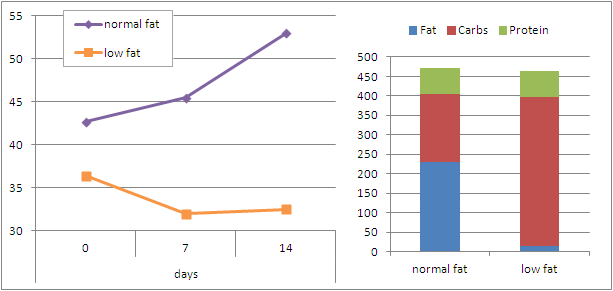
Fatty fish, eggs, organ meats, full fat organic (raw) dairy products - all those good foods which have been banned from YourPlate (at least if it contains what the US government's MyPlate suggests is healthy) are not only high in vitamin D, they are also high in fat. Against that background and in view of the fact that our ancestors did not buy their vitamin D at the local health food store, it is only reasonable to assume that our digestive tract was designed to absorb the little additional vitamin D we are supposed to get from foodstuff (you know that I am a firm believer in the power of sunlight - even beyond vitamin D) in the presence of fat. And guess what, a recent study, which was obviously not published in the Journal of the American Medical Association (cf. 1. in the previous list of possible explanations for the lack of conclusive scientific evidence on the usefulness of vitamin D supplementation), shows exactly that: without the concomitant presence of significant amounts of dietary fat, even 50.000IU of supplemental vitamin D3 have no effect on the serum levels of 25(OH)D, the active form of vitamin D (Raimundo. 2011, cf. figure 1).
Figure 1: 25(OH)D levels of 30 healthy men and women after ingestion of 50.000IU vitamin D3 supplement in conjunction with a normal or low fat breakfast (data calculated based on Raimundo. 2011)
And, as the detailed macronutrient breakdown in figure 1 (right) shows, the "high fat" breakfast the 30 young (~27y), healthy, non-obese, vitamin-d sufficient men (n=12) and women (n=18) ingested with a 50.000IU vitamin D3 capsule in the morning after an overnight fast, did not even consist of eggs and bacon. It was comprised of whole milk, white bread with bologna, and vegetable oil margarine and the whole milk aside, probably not much healthier than the skim milk, white bread with fruit jelly, and fruit salad breakfast the low-fat group had to eat. The additional 23.9g of fat did nevertheless make a huge difference, as far as the absorption and subsequent utilization of the vitamin D3 supplement is concerned.

No fat, no sun, no vitamin D - regardless of supplementation

Image 3: Get your D from the sun, if you can!
In view of the fact that the subjects were advised to "avoid sun exposure and changes in their usual eating pattern [which were probably low in dietary vitamin D] for the next two weeks", it is thusly hardly surprising that contrary to the "high fat" (I deliberately labeled it "normal fat" in figure 1 ;-) group, the subjects in the low fat breakfast group suffered a -11% decline in 25(OH)D serum levels over the 14-day follow up period, which other than the inter-group difference of 35% (!), did not reach statistical significance (mainly due to the small number of participants, where inter-subject variability renders even relatively profound differences "statistically non-significant").


And while the scientists concede that the small scale of the study, the lack of detailed recordings of the subjects' dietary vitamin D intake in the course of the 14-day follow up period and the reliance on 25(OH)D level as single surrogate for serum vitamin D levels (remember that we are actually talking about a whole host of "vitamins D") are limitations of their study, Raimondo et al. are nevertheless right to conclude that their "findings can have important implications to define the adequate dietary intake of vitamin D"... implications, which may well go beyond the mere recomendation to take your vitamin D with fat. After all, increased absorption would mean decreased need for supplementation and who knows whether you could not easily satisfy your dietary vitamin D requirements without any supplements, if you just set the "low-to-no fat, no dangerous organ meats" dietary recommendations at naught?

D-Finitively Relevant News: Vitamin D Supplementation Speeds Up Strength Recovery and Lowers Markers of Muscle Damage in Vitamin D-Sufficient Young Subjects

If we were all training at "Muscle Beach", we would probably not need any vitamin D3 caps to get our 25(OH)D levels into the recovery friendly 50ng/ml zone. They would already be there!
Ok, I know this looks odd, but it's really total coincidence that all the interesting vitamin D research is published in the last weeks of the year. Unlike the latest vitamin D articles, i.e.
  • "Vitamin D Builds Muscle: 70% Reduction in Myostatin, 45% Increase in Myotube Size in 10 Days" |  learn more
  • "Leucine, Insulin & Vitamin D*: A Hypertrophy Boosting Triplet That Does Not Make It From the Dish to the Gym?" | read more
today's SuppVersity article does yet leave little room for speculations about it's real-world significance. I mean, how could it, if the paper it discusses is titled "Supplemental vitamin D enhances the recovery in peak isometric force shortly after intense exercise" (Barker. 2013).
You can learn more about vitamin D at the SuppVersity

Vitamin D Builds Muscle

Leucine, Insulin & Vitamin D

Vitamin D = Fat Synthesizer

Overlooked D-Sources

Vitamin D For Athletes!

Vitamin D Helps Store Fat
The title does yet not "say it all". Moreover, what it doesn't tell you is the most important piece of information. The study period was short (35 days) the dose of vitamin D was relatively high (4,000IU) was conducted with "reportedly healthy and modestly active (30 minute of continuous physical activity at least 3 time/week) adult men with low, albeit normal vitamin D levels (25(OH)D ~ 30ng/ml)! The otherwise almost obligatory question about the potential relevance in "normal" human beings does thus become superfluous - and this is true for all the observations the scientists made, i.e.
  • ... the linear relationship between baseline 25(OH)D levels and the increase in serum vitamin D in response to the with an up to 150% increase in subjects in the deficiency zone and less than 50% increases in subjects in the >40ng/ml range, ...
  • ... the steady serum calcium levels, which make concerns about potentially kidney damaging increases in calcium from vitamin D3 supplementation obsolete, ...
... and, not to forget, the enhanced recovery in peak isometric force the researchers observed in their subjects after these had performed 10 sets of 10 repetitive eccentric-concentric jumps with a load of 75% of their respective body mass on their shoulders and a 20 sec rest period between each set.

For the researchers this is a model of a "muscle damaging event" (P< 0.05; ≈8% at 24-h), which was, as it was to be expected, associated with an increase in the circulating levels of the "liver enzymes"  alanine (ALT) and aspartate (AST) aminotransferase, of which many medical textbook will tell incorrectly tell you that they would indicate a strain on the liver / liver damage, when they are actually only markers of increase amino acid catabolism. The attenuation (P< 0.05) of the immediate and delayed (48-h, 72-h, or 168-h) increase in these enzymes in the vitamin D supplemented group  is thus an indicator of "muscle protective" or at least general protein sparing effects of supplementally increased vitamin D levels.
Figure 1: Strength recovery (%) from immediately post to 24 post workout, left; serum ALT values immediately after, 24h, 72h, and 168h after the exercise test (Barker. 2013).
The fact that the alleged decrease in muscle damage did not correlate with a decrease in muscle soreness does or doesn't negate the purported muscle protective effects of vitamin D. There is, as you should remember from Alex' excellent articles about DOMS, after all no direct link between ALT, AST, muscle damage and delayed onset muscle soreness, aka DOMS (learn more about DOMS). What is clear, though is that there was no consistent trend in the subjective measures of muscle soreness in the study at hand, so that Barker et al. are right, when they state that "[s]upplemental vitamin D was ineffective at abrogating muscle soreness in the SSC leg" (Barker. 2013). If it's an improvement in pain you are looking for, you'd be better off with one of the techniques Alex' discussed in part I of his article series.
Figure 2: It looks boring, but the linear association between the subjects baseline levels and the change in 25(OH)D and the ceiling effect at ~50ng/ml are also important results of the study at hand (Barker. 2013).
Bottom line: I guess you can't have it all, so I would not mourn over the lack of effect on muscle soreness. I mean, come on (!), this is one out of thousand (literally!) vitamin D studies with real-world relevance for you and me. A study that confirms that getting your 25(OH)D levels into the 50ng/ml range can actually have small, but stat. significant beneficial effects on your exercise performance (without negative effects on calcium, btw).

Furthermore, the fact that this increase to the 50ng/ml+ was achieved in all subjects with "only" 4,000IU D3 within only 35 days and was directly associated to their respective baseline level is an intruiging result on its own (see Figure 2). It does after all provide you with a rough guideline of what you have to do if your next 25(OH)D blood test comes back way below the 50ng/ml margin.

Against that background, there is no reason to frown about the fact that we still don't really know what vitamin D actually does to elicit its ameliorative effects on the performance decline in response to potentially muscle damaging stretch-shortening contraction. This was beyond the scope of the study at hand and cannot be investigated in isolated muscle cells... much contrary to the previously reported anabolic effects in the Petri dish, by the way, which may be exciting, but more or less irrelevant, if we can't observe corresponding increases in muscle hypertrophy in the real world.
References:
  • Barker, T., Schneider, E. D., Dixon, B. M., Henriksen, V. T., & Weaver, L. K. (2013). Supplemental vitamin D enhances the recovery in peak isometric force shortly after intense exercise. Nutrition & Metabolism, 10(1), 69.

The A to Z of Effective & Less Effective Immuno-Nutrients to Prevent and Combat Respiratory Tract & Other Infections

Teddy bears are like vitamin C and zinc. They can help you when you are already sick, but what are supplements athletes and gymrats take in advance to survive the flu season without getting sick at all?
Specifically during the winter time, hard working athlete and manic gymrats can be particularly susceptible to all sorts of infections. To help you having to work out with a handkerchief in your hand all winter long, I have compiled a non-comprehensive list of supplements that may help you to maintain and even improve your immune defenses and thus to survive the cold and dark winter times without catching a cold or even the flu.

In their recent review in the Journal of the International Society of Sports Nutrition Vinicius Fernandes Cruzat, Maurício Krause and Philip Newsholme reviewed the extensive literature on nutritional supplements that act as immuno-nutrients, may to reduce immunosuppression and excessive inflammation in hard-training athletes and gymrats like yourself (or yourself in 2015 ;-)
Want to get stronger, bigger, faster and leaner, but not sick? Periodize appropriately!

30% More on the Big Three: Squat, DL, BP!

Block Periodization Done Right

Linear vs. Undulating Periodizationt

12% Body Fat in 12 Weeks W/ Periodizatoin

Detraining + Periodization - How to?

Tapering 101 - Learn How It's Done!
In said paper, the researchers from the CHIRI Biosciences Research Precinct at the Curtin University in Perth and the Laboratory of Cellular Physiology at the Federal University of Rio Grande do Sul in Porto Alegre focus what they call the "key immuno-nutrients" L-glutamine, L-arginine, branched chain amino acids (BCAA) and whey protein. Now this would not be the SuppVersity if I didn't go beyond this list and added a few more or less promising extra supplements to the list. Before we get to any of those extras, let's briefly recap what Cruzat et al. (2014) found:
"Although a balanced diet with high quality and sufficient quantity of nutrients is essential, there is growing evidence that some non-synthetic supplements can assist optimal nutrition. In fact, the use of nutritional supplements especially the provision of amino acids, has grown year-on-year. [...]

The use of proteins and amino acids for supplementation deserves special attention, since these molecules are critical for anti-oxidant and fuel provision, participating in the whole-body energy homeostasis, growth, development, recovery and immune responses.
As Cruzat et al. point out, the key targets for immunonutrition may include provision of key metabolites for immune cells per se. In other words: Immuno-nutrients feed the immune system and don't suppress but optimize the multi-layered immunte response consisting of
  • the inflammatory response and cytokine release, 
  • the production of chaperone proteins such as the heat shock proteins (HSPs), 
  • changes in the redox balance (including glutathione, GSH metabolism), and 
  • the protection of skeletal muscle mass (see Figure 1). 
Thus your reasons to consume immuno-nutrients go well beyond warding off the common cold and encompass (a) performance improvements, (b) the general strengthening of the immune system and (c) the shortening of the exercise recovery period (Nieper. 2005).
Figure 1: Biphasic immuno-inflammatory response to severe exercise and the possible immunonutrition role. Immuno-inflammatory response induced by severe exercise or heavy periods of training and the proposed role of specific nutrients with immune benefits, also called immunonutrition (Cruzat. 2014).
In that, the most widely used supplements are vitamins and minerals. Reliable evidence for their immuno-protective effects, however is scarce and the results are ambigious:
  • Vitamin C: South African ultramarathon runners did demonstrate that vitamin C (but not E or beta-carotene) supplementation (about 600 mg day7 1 for 3 weeks) was related to fewer reports of upper respiratory tract infections (URTI) symptoms (Peters 1983, 1990, 1993, 1996; Peters-Futre, 1997).

    Classic ROS-scavengers like vitamin C are not just ineffective, when it comes to countering the increased susceptibility to infection they have also been shown to hamper the adaptational response to exercise | read more.
    These beneficial effects have yet not been replicated by other research teams. Himmelstein, Robergs, Koehler, Lewis and Qualls (1998), for example, reported no alteration in URTI incidence among 44 marathon runners and 48 sedentary individuals randomly assigned to a 2 month regimen of 1000 mg /day of vitamin C or placebo. And in view of the fact that most randomized, placebo-controlled studies have been unable to demonstrate that vitamin C supplements modulate immune responses following heavy exertion (Nieman et al., 1997b, 2002b; Nieman, Peters, Henson, Nevines, & Thompson, 2000b), it should be clear that vitamin C must not be counted among the highly effective immune nutrients. 
Zinc + C, not protetive, but effective? While the evidence supplementing with a combination of vitamin C and zinc would protect you from upper respiratory tract infections (URTIs) is scarce, there are studies like Maggini et al. (2012) which indicate that the provision of a combination of 1000 mg vitamin C plus 10 mg zinc in patients with the common cold will lead to a nonsignificant reductionof rhinorrhoea duration (range 9 – 27%) was seen. Moreover, a pooled analyses of the two studies Maggini et al. conducted shows that "vitamin C plus zinc was significantly more efficient than placebo at reducing rhinorrhoea over 5 days of treatment" (Maggini. 2012). Furthermore, symptom relief was quicker and the product was well tolerated. Despite the fact that the subjects in these experiments were ordinary people, upping your zinc and vitamin C intake, when you've already caught a cold may help you to recover faster and thus get back to the grind earlier.
  • Vitamin E: As Niemann et al. point out in their review of the efficacy of various immuno-nutrients, vitamin E functions primarily as a non-specific, chain-breaking antioxidant that prevents the propagation of lipid peroxidation. The vitamin is a peroxyl radical scavenger and protects polyunsaturated fatty acids within membrane phospholipids and in plasma lipoproteins.

    The effect of vitamin E supplementation on the inflammatory and immune response to intensive and prolonged exercise is largely unstudied and equivocal. Cannon et al. (1991) found that vitamin E supplementation of 800 IU/day for 48 days attenuated endotoxin-induced IL-6 secretion from mononuclear cells for 12 days after running downhill on an inclined treadmill. Singh et al. (1999) showed no effect of vitamin E supplementation (4 days, 800 IU/day) on the increase in plasma IL-6 following a 98 min treadmill run at 65 – 70% V_ O2max to exhaustion. Petersen et al. (2002) reported no influence of vitamin E and C supplementation (500 mg and 400 mg, respectively, for 14 days before and 7 days after) on the plasma cytokine response to a 5% downhill 90 min treadmill run at 75% VO2max.

    Figure 2: Chronic supplementation with 800 IU of vitamin E (as alpha-tocopherol) has significant negative effects on markers of lipid oxidation and inflammation in triathletes (Nieman. 2004).
    A 2004 study in the course of which triathletes competing in the Kona Triathlon World Championship race event received 800 IU/day of a-tocopherol for two months does even indicate that vitamin E can increase the degree of exercise induced lipid peroxidation and the amount of several cytokines in the blood following a triathlon.Against that background and in view of the previously cited ambiguous results, Niemann et al. (2006) rightly conclude that "vitamin E supplementation to counter immune suppression and oxidative stress in endurance athletes cannot be recommended" (Niemann. 2006).
  • Vitamin D: For vitamin D a slightly different image emerges. It appears to be indisputable that athletes with low vitamin D levels are at higher risk of upper-respiratory tract infections - specifically during winter times (He. 2013).

    The results of clinical trials investigating the benefits of vitamin D supplementation, however, are less unambiguous. In non-athletes, the monthly administration of 100 000 IU of vitamin D did not reduce the incidence or severity of URTIs; and that despite the fact that the supplement brought the 25OHD levels of the healthy subjects up, significantly (Murdoch. 2012). A meta analysis by Bergman et al. (2013), however indicates that "vitamin D has a protective effect against RTI, and dosing once-daily seems most effective".

    Figure 3: Length of time to viral infection related to initial serum concentration of 25-hydroxyvitamin D.
    Shown are the results of the pharmacodynamic model relating 25-hydroxyvitamin D to length of time before a viral respiratory tract infection (Bergman. 2013)
    Bergamn et al. do yet also point out that "[d]ue to heterogeneity of included studies and possible publication bias in the field, these results should be interpreted with caution" (Bergman. 2013). Against that background it may be a good idea to at least make sure that you are in the "normal range" for vitamin D - irrespective of the fact that low levels may rather be a marker than a trigger of an increased susceptibility to infections that results from uncontrolled inflammation (vitamin D as a negative acute phase reactant | cf. Waldron. 2013).
Next to vitamins, many studies have described the use of proteins, such as whey for supplements or isolated amino acids like glutamine (Kreider. 2008; Cury-Boaventura. 2008).
Simply eating enough: It may sound funny, but in the end it's not surprising that a lack of readily usable energy makes you more susceptible to infections. Firstly, a general calorie restriction is often related to an insufficient intake of important micronutrients (Pendergast. 2002). And even if the intake of all micronutrients is adequate. Important immune factors such as glutamine are (ab-)used as a substrate to produce glucose in the liver and are thus no longer available to "feed" your immune cells. Accordingly it should not surprise you that Niemann and Bishop highlight in their review of "nutritional strategies to counter stress on the immune system in athletes" that the existing data indicates that "physiological stress to some aspects of the immune system is reduced when athletes use carbohydrate during intense exertion lasting 90 min or more" and their own experiments suggest that this means "that athletes using carbohydrate beverages during competitive events will lower their risk of sickness afterwards" (Nieman. 2006).
Figure 4: Mechanisms involving whey proteins as a source of different immunonutrients. (Cruzat. 2014).
In their previously cited review, Cruzat et al. included a nice graphical overview (Figure 4) of the mechanisms by which complete proteins and peptides and their individual amino acids effect the immune system of hard training athletes.

As you can see in Figure 4, Cruzat et al. put a particular emphasis on whey protein - for good reasons.

Firstly, whey contains all the "good" amino acids of which previous studies indicate that they may have direct beneficial effects on the immune system:
  • Glutamine: As Cruzat et al. point out, "L-glutamine is probably the most widely recognized immuno-nutrient since it can be used as an oxidizable fuel, a substrate for nucleotide synthesis, a modulator of intermediary metabolism of amino acids, HSP expression and a component of GSH-mediated antioxidant defense" (see Figure 5 | Cruzat. 2014).

    Put simply glutamine is the food your immune cells thrive on. Accordingly scientists, athletes and coaches have speculated ever since the early 1990s that supplemental glutamine should be able to prevent the exercise induced immune impairments.

    Figure 6: 5g of glutamine per day led to significant reductions in the occurrance of infections in marathon, ultra-marathon, mid distance runners and rowers (Castell. 1996a).
    Why? Well, exercise depletes the amount of circulating glutamine and will thus "steal" the fodder your immune cells need to survive and function (Wernerman. 2008).

    And in fact, there are studies that support the logical conclusion that the repletion of the glutamine that has been burned as alternative fuel during a workout with 0.1 g/kg body weight ameliorates the exercise induced reduction of lymphocytes, and could thus eventually reduce the risk of URTI’s (Castell. 1997).

    In that, I deliberately used the conditional, because subsequent studies with fixed (20–30 g/day) or variable (0.3 - 0.5 g/kg body wt) doses of glutamine did not report similar outcomes (Castell. 1996b; Krzywkowski. 2001; Hiscock. 2002). Accordingly, Castell et al. write in their contribution to the BMJ A-Z Supplement review (ed. Newsholme. 2011):
    "Overall, there is no consensus or unifying concept to explain the efficacy of exogenous provision of glutamine alone on performance in athletes, although in combination with carbohydrate or other amino acids, significant improvements have been reported." (Newsholme. 2011)
    In other words: Benefits can't be guaranteed, but specifically when glutamine is ingested in amounts of at least 20g/day in addition to carbohydrates and protein supplements it appears as if it could be a useful dietary supplement for hard-training athletes.
Where are all the other supplements gone? As I wrote in the introduction, this list is not supposed to be comprehensive. Furthermore, agents like quercetin, beta-glucan, curcumin or astragalus may be backed by animal studies, their efficacy in human beings does yet warrant further testing - specifically in athletes (Nieman. 2006). Other supplements such as the often-used herb Echinacea purpurea have been shown to fail to stimulate the nonspecific immune response and may be useful only when you are already sick or if the preperations are administered intravenously (Schwarz. 2002).
  • Arginine: No, this is not a mistake. L-arginine is in fact the #2 on the list of supplemental immune modulators for hard-training athletes. Needless to say that it's not arginine itself, but rather Nitric Oxide (NO) which acts as a mediator of inflammation and immune system activation in the human body (Krause. 2011 & 2012).

    As a SuppVersity reader, you know that arginine has little ergogenic effect. It has beneficial effects in diabetics and may offer benefits for people who want to control their blood pressure. As a immuno-modulator, however it is similarly ineffective as it is as an ergogenic. Benefits can only be expected if the blood levels of arginine are depleted and that is - even with heavy exercise - usually not the case.
Whey protein, however, is more than the sum of its amino acid parts. Yes, whey can contain up to 26% of BCAA, plus L-arginine, L-lysine, L-glutamine.
Figure 7: Effect of maltodextrin (filled square) and maltodextrin plus hydrolyzed whey protein enriched with glutamine dipeptide (filled triangle) supplementation on exercise-induced loss of membrane integrity and depolarized mitochondria in lymphocytes and neutrophils, which are essential for the response against viral infections, such as upper respiratory tract infections (URTI), in athletes after intense training (Cury-Boaventura. 2008).
Whey does yet also contain a range of powerful proteins / peptides, namely betalactoglobulin, alpha-lactalbumin, bovine serum albumin, lactoferrin, immunoglobulins (e.g. IgA), lactoperoxidase enzymes, glycomacropeptides, as well as vitamins such as vitamin D, and minerals such as Ca2+, of these...
  • lactoferrin and lactoferricin, demonstrate direct anti-microbial activity and may thus protect you from infections,
  • lysosome, lactoperoxidase and diverse globulins and peptides in whey provide a synergistic protective “cocktail” activity against viral and bacterial organisms (Ha. 2003), and
  • sulphur-containing amino acids, such cysteine and taurine attenuate the reduction of intracellular GSH concentration induced by intensive exercise (Lands. 1999). 
For all three of them, it is yet not fully established to which extend they contribute to the proven immune-modulating effects of whey (note: the levels of these agents will be higher in concentrates compared to isolates, due to the increased number of processing steps). It is in fact likely that Cruzat et al. (2014) are right, when they say that its the cocktail of amino acids, proteins, peptides and other micro- and macronutrients, vitamins and minerals in whey protein that acts via direct and indirect pathways (e.g. via optimizing the redox status / GSH) on the immune function of athletes.
Bottom line: While there is good evidence for vitamin D supplementation (1,000-2,000IU/day in individuals with low levels and / or hard-working athletes during the winter months) and high doses of glutamine in hard working athletes. There is little doubt that the amino acid + protein + peptide coctail in whey proteins is the "goto supplement" you would choose if you wanted to use only one of the supplements discussed in this article.

Whey Beyond Brawn: 10+ Things You Probably Didn't Know Whey & Peptides That Form During its Digestion Can Do | learn more.
In that, a reasonable dosage suggestion would be similar to that for maximal muscle hypetrophy and range from 20-60g per day - with the higher dosage being consumed in 2-3 servings evenly spread accross the day. Furthermore, studies like the one by Cury-Boaventura et al. (2008) indicate that, during periods of intense training, it may be useful to add glutamine. Either in large amounts of 10-20g per day (5-10g on top of each serving of whey) or, as it was the case in said study, as a dipeptide which has a higher chance of making it past the splachnic bed and not ending up as "fuel" for your organs and or glyconeogenic substrate in the liver.

And yes, if you've already caught a cold, 1 gram (in divided doses) of the the good old vitamin C (if you want to along with 5-15mg of zinc) is useful, as well - along with plenty of rest and sleep, of course ;-) Comment on Facebook!
References:
  • Cury-Boaventura, Maria Fernanda, et al. "Effects of exercise on leukocyte death: prevention by hydrolyzed whey protein enriched with glutamine dipeptide." European journal of applied physiology 103.3 (2008): 289-294.
  • Bergman, Peter, et al. "Vitamin D and respiratory tract infections: a systematic review and meta-analysis of randomized controlled trials." PloS one 8.6 (2013): e65835. 
  • Castell, L. M., E. A. Newsholme, and J. R. Poortmans. "Does glutamine have a role in reducing infections in athletes?." European journal of applied physiology and occupational physiology 73.5 (1996a): 488-490.
  • Castell, L. M., et al. "Some aspects of the acute phase response after a marathon race, and the effects of glutamine supplementation." European journal of applied physiology and occupational physiology 75.1 (1996b): 47-53.
  • Castell, Linda M., and Eric A. Newsholme. "The effects of oral glutamine supplementation on athletes after prolonged, exhaustive exercise." Nutrition 13.7 (1997): 738-742. 
  • Cruzat, Vinicius F., et al. "Amino acid supplementation and impact on immune function in the context of exercise." Journal of the International Society of Sports Nutrition 201.4 (2014): 11:61.
  • Cury-Boaventura, Maria Fernanda, et al. "Effects of exercise on leukocyte death: prevention by hydrolyzed whey protein enriched with glutamine dipeptide." European journal of applied physiology 103.3 (2008): 289-294.
  • Ha, Ewan, and Michael B. Zemel. "Functional properties of whey, whey components, and essential amino acids: mechanisms underlying health benefits for active people (review)." The Journal of nutritional biochemistry 14.5 (2003): 251-258.
  • He, Cheng-Shiun, et al. "Influence of vitamin D status on respiratory infection incidence and immune function during 4 months of winter training in endurance sport athletes." Exerc Immunol Rev 19 (2013): 86-101. 
  • Hiscock, Natalie, and Bente Klarlund Pedersen. "Exercise-induced immunodepression–plasma glutamine is not the link." Journal of Applied Physiology 93.3 (2002): 813-822. 
  • Lands, L. C., V. L. Grey, and A. A. Smountas. "Effect of supplementation with a cysteine donor on muscular performance." Journal of Applied Physiology 87.4 (1999): 1381-1385.
  • Krause, Mauricio S., et al. "L-arginine is essential for pancreatic β-cell functional integrity, metabolism and defense from inflammatory challenge." Journal of endocrinology 211.1 (2011): 87-97.
  • Krause, Mauricio, et al. "Differential nitric oxide levels in the blood and skeletal muscle of type 2 diabetic subjects may be consequence of adiposity: a preliminary study." Metabolism 61.11 (2012): 1528-1537.
  • Kreider, Richard B., et al. "Effects of ingesting protein with various forms of carbohydrate following resistance-exercise on substrate availability and markers of anabolism, catabolism, and immunity." Journal of the International Society of Sports Nutrition 4.1 (2007): 1-11.
  • Maggini, S., S. Beveridge, and M. Suter. "A combination of high-dose vitamin C plus zinc for the common cold." Journal of International Medical Research 40.1 (2012): 28-42.
  • Murdoch, David R., et al. "Effect of Vitamin D3 Supplementation on Upper Respiratory Tract Infections in Healthy AdultsThe VIDARIS Randomized Controlled TrialVitamin D3 and Upper Respiratory Tract Infections." Jama 308.13 (2012): 1333-1339.
  • Newsholme, Philip, et al. "BJSM reviews: A to Z of nutritional supplements: dietary supplements, sports nutrition foods and ergogenic aids for health and performance—Part 18." British journal of sports medicine 45.3 (2011): 230-232.
  • Nieman, David C., et al. "Vitamin E and immunity after the Kona triathlon world championship." Medicine and science in sports and exercise 36 (2004): 1328-1335.
  • Nieman, David C., and Nicolette C. Bishop. "Nutritional strategies to counter stress to the immune system in athletes, with special reference to football." Journal of sports sciences 24.07 (2006): 763-772.
  • Nieper, A. "Nutritional supplement practices in UK junior national track and field athletes." British journal of sports medicine 39.9 (2005): 645-649. 
  • Pendergast, David R. "Effect of dietary intake on immune function in athletes." Sports medicine 32.5 (2002): 323-337.
  • Schwarz, Eveline, et al. "Oral administration of freshly expressed juice of Echinacea purpurea herbs fail to stimulate the nonspecific immune response in healthy young men: results of a double-blind, placebo-controlled crossover study." Journal of Immunotherapy 25.5 (2002): 413-420.
  • Waldron, Jenna Louise, et al. "Vitamin D: a negative acute phase reactant." Journal of clinical pathology (2013): jclinpath-2012. 
  • Wernerman, Jan. "Clinical use of glutamine supplementation." The Journal of nutrition 138.10 (2008): 2040S-2044S.

Leucine, Insulin & Vitamin D*: A Hypertrophy Boosting Triplet That Does Not Make It From the Dish to the Gym? Evidence & Counter-Evidence from Human Trials

If you could simulate a workout at the beach in the petri dish, its beneficial health effect would be all the rage ;-)
I am pretty sure all of you still remember the recent post about the literal muscle building effect of vitamin D, right (see "Vitamin D Builds Muscle")? Me too, and so I was almost tricked to believe I was looking at the Girgis study, when I scanned the contents of the latest issue of Molecular Nutrition & Food Research, in which you'll with the telling title: "1,25(OH)2-vitamin D3 enhances the stimulating effect of leucine and insulin on protein synthesis rate through Akt/PKB and mTOR mediated pathways in murine C2C12 skeletal myotubes". Ah, ok, I see that's not exactly easy to understand. Well, in plain English this means as much as...

Calcitriol boosts the anabolic effect of leucine & insulin

If your read the "Vitamin D Builds Muscle" article, you should actually remember the dichotomous nature of the effects vitamin D had on muscle cell hypertrophy (which goes up) and proliferation (which goes down). This was after all the most intriguing result of the Girgis study (go back). The new data from the paper at hand, which is likewise dealing with in-vitro effects of vitamin D, does now provide us with some additional information on the underlying mechanisms of the hypertrophy effects.
Figure 1: Protein synthesis, insulin receptor expression and the levels of p-AKT, p-mTOR, and p-70S6K, all regulators of skeletal muscle protein synthesis in muscle cells with and without additional 1,25(OH)2D3 in a leucine + insulin filled Petri dish (Salles. 2013)
If we go by the data in Figure 1 it's obvious that the latter is driven by a direct amplifying effect of 1,25(OH)2D3, the active form of vitamin D, aka calcitriol, on the leucine and insulin induced increase in muscle protein synthesis. Unfortunately, this does not tell us a word about the potential consequences of the anti-proliferative effects of vitamin D on long-term increases in muscle size and the repair of damaged muscle fibers.
Vitamin D and health - What the latest systematic review says: As long as you look at things at the population level or sit in your well-climatized lab next to the Petri dishes, vitamin D is king. When you look at the real world, of which I still believe that it is populated by individuals, the excitement appears to be unwarranted. The most recent systematic review that has been published today in the (most) prestigious medical journal The Lancet says: "The discrepancy between observational and intervention studies suggests that low 25(OH)D is a marker of ill health. Inflammatory processes involved in disease occurrence and clinical course would reduce 25(OH)D, which would explain why low vitamin D status is reported in a wide range of disorders." (Autier. 2013) -- in other words: Being sick will lead to reduction ins 25(OH)D and not vice versa.
It is nevertheless intriguing to see, how the myotubes that had been cultured in 1,25(OH)2D3 solutions at 0, 1, or 10 nM for 72 h reacted to the leucine and insulin challenges. 14–16% increases in fractional protein synthesis rates (FSR) and an increased expression of insulin receptors, of which we can hope that it would also translate into increased glucose uptake into the cells. Assuming that similar effects occur in vivo and in a normal vs. high vitamin D environment, these benefits would be more than just statistically significant.

Ok, that's an in vitro study, so why do you discuss it at all?

If the above is what you've just been thinking, you know me quite well by now. I would indeed not have wasted a whole SuppVersity article on this vitamin D paper, if it would not contradict the real-world results of a recent randomized, double-blind, placebo-controlled study from the University of Oslo so "nicely".  In this paper, a group of Swedish researchers probed the effects of provision of 1,000IU and 400IU of vitamin D3 per day on 251 healthy adult men and women (age 18-50 years; Knutsen. 2013). 

Despite the fact that the vitamin D levels of the subjects almost doubled, none of the strength and performance parameters, i.e. jump height, handgrip strength and the chair-rising test, showed pre vs. post differences that differed from those in the control group.
Figure 2: Relative pre vs. post changes in jump height, grip strength and the time it took the subjects to complete the chair test; no statistically significant inter-group differences were observed (Knutsen. 2013) vs. relative increase in strength (no inter-group differences) in obese, vit D deficient resistance trained individuals (Carillo. 2013)
This in turn raises the question, whether all our new enthusiasm about 'vitamin D' (in the broad sense, i.e. D3, 25(OH)D3 and 1,25(OH)2D3) was misplaced. That's unquestionably a tricky question and if those "enthusiasm" was triggered by the idea that vitamin D would have independent anabolic or ergogenic effects, the answer is probably "Yes". If we are yet talking about the general role of vitamin D in the complex concert of muscular health, the answer must be "No!" There are, after all exceptions to the "vitamin D does not build muscle rule" that applies so nicely to the Knutsen study - there aren't many, but they are there.

The study Carillo et al., for example (Figure 2, right). If you take a look at the results , it's easy to see that for the twenty-three overweight and obese (age: 26.1±4.7 y; BMI: 31.3±3.2 kg/m², body fat: 43%) subjects with insufficient vitamin D levels (25-hydroxyvitamin D: 19.3±7.2 ng/ml) the researchers from the Purdue University recruited for their experiment the 4000IU of supplemental vitamin D each of them received on a daily basis had the expected effect on the resistance training induced increase in peak power and reduction in waist-to-hip ratio (not shown). The effect size is however is pathetic and the only thing that was "significant" - imho statistically, only - was the peak power in the vitamin D group.
A brief note on 25(OH)D vs. 1,25(OD)2D3: I know that it may sound as if it sucks that taking D3 supplements won't increase the amount of calcitriol in your veins, but if it did, I know more than a handful of people whose trust in some gurus would already have cost them a kidney or even their lives. There is a good reason that calcitriol is a prescription drug, because a dysregulation of the 1,25(OH)2D3 levels in the blood will increase the calcium deposition in the organs and vasculature (Bas. 2006) and would thus have the opposite effects most people expect from their high dose vitamin D3 supplementation regimen.
Bottom line: On paper, the real world-evidence from vitamin D deficient obese individuals in Carillo's recent study does supports the notion that vitamin D is an important facilitator of skeletal muscle protein synthesis, what it does not do, though is provide the missing conclusive evidence that being in the upper tertile of the physiological range (not restoring deficiencies as in Ceglia. 2013, for example) has beneficial real-world effects on muscle strength or size.

If you take another look at the doses the vitamin D enthusiasts from the Girgis study bathed their cells in, that the Swedes used active vitamin D, i.e. 1,25(OH)2D3 and that there is no direct relation between vitamin D3 intake, the serum levels of 25(OH)D3 and the amount of calcitriol (1,25(OH)2D3) your cells are exposed to, it's actually not surprising that the muscle building effects don't translate from Jérôme Salles' calcitriol saturated Petri dishes into the real world of the 251 participants of the Knutsen and the majority of the other vitamin D3 supplementation studies, is it?
References:
  • Autier, P. et al. (2013) Vitamin D status and ill health: a systematic review. The Lancet Diabetes & Endocrinolog, Available online 6 Decembee
  • Bas, A., Lopez, I., Perez, J., Rodriguez, M., & Aguilera‐Tejero, E. (2006). Reversibility of Calcitriol‐Induced Medial Artery Calcification in Rats With Intact Renal Function. Journal of Bone and Mineral Research, 21(3), 484-490.
  • Ceglia, L., Niramitmahapanya, S., Morais, M. D. S., Rivas, D. A., Harris, S. S., Bischoff-Ferrari, H., ... & Dawson-Hughes, B. (2013). A randomized study on the effect of vitamin D3 supplementation on skeletal muscle morphology and vitamin D receptor concentration in older women. Journal of Clinical Endocrinology & Metabolism, jc-2013.
  • Knutsen, K. V., Madar, A. A., Lagerløv, P., Brekke, M., Raastad, T., Stene, L. C., & Meyer, H. E. (2013). Does Vitamin D Improve Muscle Strength in Adults? A Randomized, Double-blind, Placebo-controlled Trial Among Ethnic Minorities in Norway. Journal of Clinical Endocrinology & Metabolism, jc-2013.
  • Salles, J., Chanet, A., Giraudet, C., Patrac, V., Pierre, P., Jourdan, M., ... & Walrand, S. (2013). 1, 25 (OH) 2‐vitamin D3 enhances the stimulating effect of leucine and insulin on protein synthesis rate through Akt/PKB and mTOR mediated pathways in murine C2C12 skeletal myotubes. Molecular nutrition & food research.

Vitamin D Builds Muscle: 70% Reduction in Myostatin, 45% Increase in Myotube Size in 10 Days - So, What's the Catch? Plus: Where Could Retinoic Acid (Vitamin A) Figure In?

If rely on the results of the most recent study from Australia, the answer to the above question probably reads "Yes, to a certain degree it does".
It has been a while that a vitamin D study has made it into the SuppVersity news (see previous articles). The reason for that is simple. I am not interested in study no. 9235235 that discusses random associations of low vitamin D with whatever ailment is plaguing us or review no. 89359252 that presents a selection of papers and concludes: "Man, there are vitamin D receptors everywhere, so it must be the f*** most important vitamin in your body!" The upcoming publication of a paper in the scientific journal Endocrinology did yet appear to be a good reason to stop the vitamin D radio silence. It's an in vitro study, I know, but it could answer a question many of will be interested in.

Does vitamin D build muscle?

I guess all of you will tell me that, in view of the results of pertinent studies (cf. Girgis. 2013a), the answer is "no, it doesn't, but deficiency seems to hamper muscle growth and impair skeletal muscle function". This conclusion is hard to debate, especially in view of the fact that we don't even know what exactly vitamin D does in human muscle cells.

Exactly this, i.e. the question "what exactly happens, when muscle cells are exposed to vitamin D" must have been bother Girgis et al., too. Therefore they devised a very simple yet interesting in-vitro study in the course of which they treated C2C12 cells, which are a commonly used model (see bottom line for a comment on this) for human skeletal muscle with both, the active 1,25(OH)2D and inactive 25(OH)D form of 'vitamin D' and observed the effects on cell proliferation and growth.
Figure 1: Number of live cells (10^4/dish; middle) and images of the cells w/out & w/ 25(OH)D2 (Girgis. 2013b)
The first intriguing finding the scientists present in their paper is yet not related to the growth or proliferation of the cells, but to their ability to convert active into inactive vitamin D and vice versa. What we are talking about here, specifically, is the increased expression of CYP24A1. This enzyme is responsible for the 'deactivation' of active vitamin D into calcitriotic acid. This supposedly inactive metabolite (you never know with these vitamin Ds ;-) is then excreted in the urine. The reason that I mention this ostensibly unimportant observation is that the expression of CYP24A1 and CYP27B1, which will convert 25OHD into the active 1,25(OH)2D is evidence of the presence of an auto-regulatory vitamin D-endocrine system in muscle cells.

Ok, enough of the enzymes what about "getting big"?

Let's briefly forget about the mechanisms and return to the actual effects on growth and proliferation. Effects such as the 30-50% increases in G0/G1, a gene that's responsible for arresting the cell cycle, and the 30% and 20% decreases in Myc and Cyclin-D1 the scientists observed in response to both 25(OH)D and 1,25(OH)2D.

In view of the fact that these genes are necessary for the progression of the cell cycle, it is not surprising that the exposition to both forms of vitamin D brought the cycle to a screeching halt. In the end, this is yet a long-known phenomenon. The antiproliferative effects of 1,25(OH)2 D in muscle cells were first described in 1985 and are, as Girgis et al. point out, ...
"[...] they are consistent with antiproliferative effects of 1,25(OH)2 D in a number of other cells and tissues including skin, cancer cells and immune cells ." (Girgis. 2013b)
What's news though, is that the researchers were able to confirm that even 25OHD, the "prohormone" (Girgis. 2013b) to 25(OH)D2, displays antiproliferative effects in C2C12 cells.

Don't forget the "Underestimated Vitamin D Sources: Especially Eggs, But Also Chicken, Pork, Fish & Dairy Contain an Overlooked, Physiologically Relevant Amount of Ready-Made 25OHD" | read more
In that, it's important to acknowledge that these effects are not necessarily brought about by direct receptor interaction. They could also be mediated by the 'activation' of 25OHD via the previously mentioned CYP27B1. With CYP27B1 and its counterpart CYP24A1 the cells would thus be able to produce and clear active vitamin D on demand - and in this case the muscle cells were using it for anti-proliferative purposes.

"What? Vitamin D kills muscle growth?"

At first sight the cell-cycle arrest really suggest that high, and not the often cited low vitamin D levels should have anti-anabolic effects. Since muscle does not necessarily depend on proliferation, or more specifically cell devision, to grow this is yet not the case. At least up to a volume time-point your muscle cells and with them your total muscle volume can grow by simply taking up more protein. This process is called hypertrophy and it works quite nicely until a certain threshold is reached and myostatin pulls the emergency break (if you read my previous article "Getting Big Means Growing Beyond Temporary Physiological Limits" you will know that this is the point, when the activation and incorporation of satellite cells becomes important; learn more)
Figure 2: There may be less live cells, but once the cell cycle arrests, the cells that are bathed in serum with high amounts of acvite vitamin D 1,25(OH)2D grow like crazy, but probably only until they are 'ready to burst' (Girgis. 2013b)
Irrespective of all growth limits, it is thus no irreconcilable contradiction that the data in Figure 2 confirms that 'vitamin D builds muscle. Since proliferation and hypertrophy are independent (or rather mutually exclusive processes) the individual cell growth, while the total cell mass remains the same (remember: cell cycle arrest does not mean that the cell dies).
So, is this good or bad news? Whether the cell cycle arrest is a problem that could haunt you, in the long term, i.e. whence the limits of natural growth are reached (learn more) is something this study can't tell us, because...

... firstly, the cells the researchers used cells express proteins necessary for muscle contraction and display the morphology of individual fiber unit, but C2C12 cells are not adult muscle cells. With a varying degree of maturation, and mode (Langelaan. 2011) of glucose transport (Kotliar. 1992), even Girgis et al. have to admit that "effects in C2C12 cells do not always translate to adult muscle." (Girgis. 2013b) and ...

Figure 3: Primary C2 cells (chicken & mouse) were either untreated (A,C,E) or treated w/ 10 µM RA (B,D,F). A + B panels display satellite cells incubated w/ or w/out RA for 24 hr. C,D and E,F panels show satellite cells and C2 cells, respectively, after 48hr of incubation.
... sedondly, as with every in-vitro study, we cannot tell if the effects that are observed under direct exposition of cells to pharmacological doses of 1,25(OH)D will correspond with those of physiological levels of vitamin D - even high ones.
    In the end, we are thus as clueless as before. Even if everything works as it does in the  model, the data in Figure 2 would suggest that after a couple of days of increased hypertrophy, the myostatin levels are identical and the D-advantage disappears.

    When this 'growth limit' is reached it would require proliferative effects and new cells, or rather myonuclei, to grow further (learn more). With vitamin D alone, that's not going to happen. What could help though, is the villain of the average vitamin D enthusiast: Retinoic acid (RA) aka vitamin A. The latter has after all been shown to "induces adult muscle cell differentiation mediated by the retinoic acid receptor‐α", ten years ago (see Figure 2 from Halevy. 1993).

    Now you tell me: Isn't it funny how we always end up with vitamin A (learn more), whenever we realize that 'vitamin D, without vitamin A' sucks? That cannot be mere coincidence, can it?

    References:
    • Girgis, Christian M., et al. "The roles of vitamin D in skeletal muscle: form, function, and metabolism." Endocrine reviews 34.1 (2013a): 33-83. 
    • Girgis, Christian M., et al. "Vitamin D Signaling Regulates Proliferation, Differentiation and Myotube Size in C2C12 Skeletal Muscle Cells." Endocrinology (2013b): en-2013.
    • Halevy, Orna, and Orna Lerman. "Retinoic acid induces adult muscle cell differentiation mediated by the retinoic acid receptor‐α." Journal of cellular physiology 154.3 (1993): 566-572.
    • Kotliar, N., and P. F. Pilch. "Expression of the glucose transporter isoform GLUT 4 is insufficient to confer insulin-regulatable hexose uptake to cultured muscle cells." Molecular Endocrinology 6.3 (1992): 337-345. 
    • Langelaan, Marloes LP, et al. "Advanced maturation by electrical stimulation: Differences in response between C2C12 and primary muscle progenitor cells." Journal of tissue engineering and regenerative medicine 5.7 (2011): 529-539.