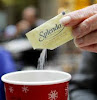
.

.
marylin monroe
Showing posts with label antimicrobial. Show all posts

Stevia Kills Good Gut Bacteria - One Study Enough to Stop Using the Natural Sweetener? Probably Not in View of its Anti-Diabetes, Anti-LDL, Anti-Viral & Anti-Cancer Effects

Study indicates stevia kills healthy gut bacteria. So, how bad is it? Are the effects significant, will they have an impact on your overall health and does this mean you must not use stevia any longer?
A recent study from the Institute of Microbiology and Biotechnology at the University of Latvia in Riga shows the impossible: Stevia, the "natural" sweetener that's everybody's darling, could mess up your gut microbiome by killing large numbers of the beneficial Lactobacillus Reuteri bacteria in your tummy - exactly those bacteria of which several studies have shown that supplementing will help cure acute diarrhea in young children (Shornikova. 1997), is capable of reducing frequency and intensity of antibiotic-associated side-effects during eradication therapy for H. pylori. (Lionetti. 2006), confers broad-spectrum protection against disease in humans and animals (Casas. 2000), has cholesterol lowering effects (Jones. 2012) and much much more.
You can learn more about the gut & your health at the SuppVersity

Bugs Dictate What You Crave

Sweeteners & Your Gut

Foods, Not Ma- cros for the Gut

Lactulose For Gut & Health

Probiotics Don't Cut Body Fat

The Macrobiotic MaPi2.0 Diet
In view of the fact that it would appear as id Lactobacillus reuteri was clearly one of the "good guys" it seems that the results I. Denin a, P. Semjonovs, A. Fomina, R. Treimane and R. Linde report on their latest study in Letters in Applied Microbiology (Denin. 2014) were really bad news:
Figure 1: Influence of stevioside (a) and rebaudioside A (b) on biomass formation in Lactobacillus reuteri strains (24 h | Denin. 2014).
"In samples supplemented with stevia glycosides, the growth of all Lact. reuteri strains was slightly inhibited – however, a statistically significant concentration-dependent inhibitory effect was not observed for all strains (Fig. 1).

Comparing both the glycosides, the inhibitory effect of stevioside was more pronounced for strains 44 and 16, while the effect of rebaudioside A was more pronounced for strains 16 and 19. Statistically significant concentration-dependent inhib itory effect was observed for lactic acid and acetic acid synthesis. The decrease in lactic acid and acetic acid production was observed for both stevioside and rebaudioside A. [...] Although the inhibitory effect of stevioside on pH was observed at different stevioside concentrations, the effect was evident for all strains. Rebaudioside A had a more pronounced inhibitory effect on pH values of certain strains including Lact. reuteri 12, 16, 43 and 44" (Denin. 2014 | my emphasis).
The good news, however, is in the details: The inhibitory effect was "slight" (see quotation above) and the design of the study leaves it open, whether similar effects would occur in vivo and thus outside of a glycoside, stevioside and rebaudioside laden Petri dish.
Previous studies seem to refute significant effects of stevia on the human microbiome! In 2003, Gardana et al. found no effect of stevia on the make-up of human fecal cultures when they were incubated with either stevioside or rebaudioside A. Only the fact that bacteroides, i.e. the "enemies" of lactobacilli, were the most efficient in hydrolyzing Stevia sweeteners to steviol would suggest that there may be an overall effect on the human microbiome form stevia (ab-)use.
And while we have little in vivo evidence that stevia is bad for you, a brief review of the contemporary scientific literature on Stevia yields the following "proven" (mostly only in a handful, if not just a single study) benefits:
  • Stevia has been implicated in diabetes and hyperlipidemia treatment and its effects on blood glucose levels are not a mere result of the corresponding reduction in sugar intake.
    Figure 2: Effects of stevia vs. diabetes drug Glibenclamide on blood glucose and lipid levels in diabetic rodents; data expressed relative to healthy control (Singh. 2014)
    In a recent rodent study that compared the effects of stevia against those of the often-prescribed diabetes-drug Glibenclamide, the natural sweetener outperformed the drug in many in its ability to reduce LDL and blood sugar and was not far off of what the Glibencamide did for the diabetic lab animals in terms of its effects on HDL and VLDL (see Figure 2).

    Previous human studies indicate that stevia extracts will also increase the increased 16 healthy human volunteers whose plasma glucose levels during an oral glucose tolerance tests were significantly lower after having consumed 5 grams of aqueous leave extract at regular 6-h intervals for 3 days (Curi. 1985).
    Figure 3: Effects of stevia and aspartame replacement of sucrose in test meals that were fed to obese and normal-weight volunteers on postprandial blood glucose levels (Anton. 2010)
    Moreover, in a more recent study by Anton et al. where stevia was compared to aspartame, it had the same beneficial effects on total energy intake and let to statistically significant reductions in postprandial glucose levels of both obese and lean study subjects (see Figure 3) that did not reach significance when the sucrose content of the test meal was replaced by aspartame.
  • In-vitro stevia appears to have anti-cancer effects, as well. That's at least what studies by  Jayaraman et al. (2008) observed with stevia extracts. An effect that may be related to both it's anti-microbial, as well as its potent anti-oxidant activity (Tadhani. 2007) of the whole leaves and leave extracts of which Tahani et al. found that they contain significant effects of folic acid (52.18 mg/100 g) and vitamin C, as well as 130.76 μg catechin and 15.64 μg quercetin for leaves and 43.99 μg catechin and 1.57 μg quercetin for cellus at mg of water extracts, respectively.

    Furthermore, Tadhani et al.'s results showed that the leaf extracts contained higher amounts of free radicals, hydroxyl radicals and superoxide anion radical scavenging activities than those of the callus extracts or the anti-mutagenic effects Cariño-Cortés et al. report in their 2007 study. Whether anything similar can be observed with the white "stevia" powder that is used by most people to sweeten their foods is yet questionable - it's after all pure steviosid and thus devoid of all of the previously mentioned compounds.
    Figure 1: Several natural constituents of the stevia plant, including steviosides, which are the naturally sweet agents in stevia have potent anti-viral activity against Epstein-Barr virus; values in brackets
    represent % of untreated control dish (Konoshima. 2002)
    Another possible anti-cancer mechanism may be related to stevia's ability to kill viruses like the Epstein-Barr virus that has been implicated in the pathogenesis of Burkitt’s lymphoma, Hodgkin’s disease, non-Hodgkin’s lymphoma, nasopharyngeal carcinoma, and lymphomas, as well as leiomyosarcomas arising in immunocompromised individuals.in humans (Thompson. 2014).
Against that background it seems questionable that the new evidence of negative effects on allegedly healthy gut bacteria (just want to remind everyone that we have no clue what the optimal gut microbiome would look like) is significant enough to have us all reconsider our use of tiny amounts of stevia as a sweetener in our foods.
Read more about the effects artificial sweeteners have on the microbiome in a prevoius article | go ahead!
Interim conclusion: While I am not all too scared that stevia will mess with my gut microbiome in a way that makes me sick, fat and what not, I truly believe that the effects of artificial sweeteners on the make-up and density of the human gut microbiome is still massively under-researched - and that in spite of the fact that it could have a significant effect on the health of us all.

As s SuppVersity reader you will also be aware that this is not a stevia-specific effects. Only recently I have written about similar effects for a bunch of artificial sweeteners - an article I can only recommend to anyone who hasn't read it yet | Comment on Facebook.
References:
  • Anton, Stephen D., et al. "Effects of stevia, aspartame, and sucrose on food intake, satiety, and postprandial glucose and insulin levels." Appetite 55.1 (2010): 37-43.
  • Casas, Ivan A., and Walter J. Dobrogosz. "Validation of the probiotic concept: Lactobacillus reuteri confers broad-spectrum protection against disease in humans and animals." Microbial ecology in health and disease 12.4 (2000): 247-285. 
  • Curi, R., et al. "Effect of Stevia rebaudiana on glucose tolerance in normal adult humans." Brazilian journal of medical and biological research= Revista brasileira de pesquisas médicas e biológicas/Sociedade Brasileira de Biofísica 19.6 (1985): 771-774.
  • Deniņa, Ilze, et al. "The influence of stevia glycosides on the growth of Lactobacillus reuteri strains." Letters in applied microbiology 58.3 (2014): 278-284. 
  • Gardana, Claudio, et al. "Metabolism of stevioside and rebaudioside A from Stevia rebaudiana extracts by human microflora." Journal of agricultural and food chemistry 51.22 (2003): 6618-6622. 
  • Jayaraman, Sathishkumar, Muthu Saravanan Manoharan, and Seethalakshmi Illanchezian. "In-vitro antimicrobial and antitumor activities of Stevia rebaudiana (Asteraceae) leaf extracts." Tropical Journal of Pharmaceutical Research 7.4 (2008): 1143-1149.
  • Jones, M. L., C. J. Martoni, and S. Prakash. "Cholesterol lowering and inhibition of sterol absorption by Lactobacillus reuteri NCIMB 30242: a randomized controlled trial." European journal of clinical nutrition 66.11 (2012): 1234-1241.
  • Konoshima, Takao, and Midori Takasaki. "Cancer-chemopreventive effects of natural sweeteners and related compounds." Pure and applied chemistry 74.7 (2002): 1309-1316.
  • Lionetti, E., et al. "Lactobacillus reuteri therapy to reduce side‐effects during anti‐Helicobacter pylori treatment in children: a randomized placebo controlled trial." Alimentary pharmacology & therapeutics 24.10 (2006): 1461-1468.
  • Shornikova, Aino-Vieno, et al. "Lactobacillus reuteri as a therapeutic agent in acute diarrhea in young children." Journal of pediatric gastroenterology and nutrition 24.4 (1997): 399-404.
  • Singh, Sunanda. "Antidiabetic, Antidyslipidymic and Antioxidative potential of methanolic root extract of Stevia rebaudiana (Bertoni) on Alloxan induced Diabetic Mice Sunanda Singh and Veena Garg Department of Bioscience and Biotechnology, Banasthali Vidyapeeth, Banasthali, Rajasthan, India." (2014). 
  • Tadhani, M. B., V. H. Patel, and Rema Subhash. "In vitro antioxidant activities of Stevia rebaudiana leaves and callus." Journal of Food Composition and Analysis 20.3 (2007): 323-329. 
  • Thompson, Matthew P., and Razelle Kurzrock. "Epstein-Barr virus and cancer." Clinical Cancer Research 10.3 (2004): 803-821.

Artificial Sweeteners Mess W/ Gut Biome & Induce Insulin Resistance in Rodents - What about Man? Plus: Sucralose & Saccharin, Not Aspartame Induce the Effect

Could diet coke really be more obeso- genic than regular coke? there is no experimental evidence to prove that and still the mainstream interpretation of the latest rodent study in Nature says just that.
In contrast to some other experts, I believe in the usefulness of rodent studies as preliminary, easily available way to investigate general physiological processes. Still, when I look at a study that has to use germ-free mice to produce an effect, I begin to doubt that the results are relevant for someone with an intact gut microbiome (no matter if it's "perfectly healthy", or not).

Before I go on with my criticism of a recently published study in Nature (Suez. 2014), I would suggest we'll first take a look at study design and outcome, to make sure not just Steven and Conor, both of whom asked my opinion on the study on Facebook, know what we are talking about.
You can learn more about sweeteners at the SuppVersity

Unsatiating Truth About Artif. Sweeteners?

Will Artificial Sweeteners Spike Insulin?

Sweeteners & the Gut Microbiome Each is Diff.

Sweeter Than Your Tongue Allows!

Stevia, the Healthy Sweetener?

Sweeteners In- crease Sweet- ness Threshold
Suez et al. claim that their study, a 10-week study in the course of which germ-free mice (no bacteria in the gut at the onset of the study) were fed standard chow and supplied with unlimited access to
  • saccharin (artificially), sucralose or aspartame sweetened drinking water,
  • naturally sweetened drinking water with either sucrose or glucose as a sweetener, or
  • plain water as a control,
would demonstrate that the consumption of commonly used non-caloric artificial sweeteners (NAS) formulations, in this case , drives the development of glucose intolerance through induction of compositional and functional alterations to the intestinal microbiota. In that, they probably rightfully point out that
"[...t]hese NAS-mediated deleterious metabolic effects are abrogated by antibiotic treatment, and are fully transferrable to germ-free mice upon faecal transplantation of microbiota configurations from NAS-consuming mice, or of microbiota anaerobically incubated in the presence of NAS," (Suez. 2014)
but they don't tell the reader without full-text access that the negative effects occurred only in four of the animals, were saccharin- and sccralose exclusive and did not occur with the often (falsely) derided sweetener aspartame (see Figure 1, right hand side).
Figure 1: Changes in the bacterial make-up (left) and consequences for the glycemic response after 11 weeks on regularly or artificially sweetened drinking water and antibacterial treatment (Suez. 2014).
Scientific fraud? No, I would rather say a clever way to draw everyone's freakin' attention to a problem that (even if it exists), is not one of all artificial sweeteners and maybe not even be one everyone is susceptible to.
You, as a SuppVersity reader know that this is not the first study to show significant effects of alternative sweeteners on the gut microbiome of the host.
Previous experimental evidence shows that NAS promote, not hinder weight loss | learn more
Experimental evidence vs. observational statistics: As a SuppVersity reader you will also remember that experimental evidence from human studies shows that "Artificial Sweetened Foods Promote, Not Hinder Fat(!) Loss. 1.2kg Body Fat in 70 Days By Eating Artificially Sweetened Products." In the corresponding study by Sørensen et al. I wrote about in May 2014, the artifical sweetener group also had lower hunger ratings, and higher fat oxidation rates compared to the subjects on sucrose sweetened diets. Similar results have been reported by Chen et al. in a study, where subjects replaced part of their regular SSB consumption with diet drinks (Chen. 2009) and de Ruyter et al. who recorded sign. reductions in fat and weight gain in youths after masked replacement of regular SSBs with diet coke & co (de Ruyter. 2012).
In April 2014, I already wrote about a corresponding study by Daly et al. which found that "[d]ietary supplementation with lactose or artificial sweetener enhances swine gut Lactobacillus population abundance," and shows that this effect can be beneficial, as well (at least atm, we still believe that lactobacilli were among the "good guys").
Table 1: Human gut-associated microbial species capable of metabolizing fructose, sugar alcohols, artificial sweeteners (left) and rare sugars and host metabolism and potential implications of consuming various dietary sugar compound (right; HFCS = high fructose corn syrup | Payne. 2014)
Likewise earlier this year, Payne et al. (2014) published a review on the gut microbial adaptation to dietary consumption of fructose, artificial sweeteners and sugar alcohols and the implications for host–microbe interactions contributing to obesity (see Table 1), which suggests both, positive and negative effects depending on the type of sweetener that's used. In this context, it's yet worth mentioning that previous reviews of the literature clearly indicate that the role of artificial sweeteners in the gastrointestinal tract in humans vs. rodents may be fundamentally different (Brown. 2012).

Accordingly, the results Suez et al. present in their latest paper would hardly be considered significant evidence of the existence of a similar problem in human beings, if there weren't the results of an on-going study the scientists are doing. A study that clearly indicates that "similar NAS-induced dysbiosis and glucose intolerance in healthy human subjects." (Suez. 2014)
Alright, but there is one caveat: The previously mentioned human study, the data of which has unfortunately not yet been published has a built-in selection bias with the subjects that meet the criterion of long-term NAS consumption usually being those who have all the reason, namely weight problem, to avoid sugar-sweetened products.

Table 2: Data from the unpublished ongoing observational human study by the same researchers -- Correlates of chronic sweetener (ab-)use; In red: parameters directly related to glycemic control (Suez. 2014)
Still, the significant positive correlations between NAS consumption and several metabolic-syndrome-related clinical parameters (Table 1), including increased weight and waist-to-hip ratio (measures of central obesity); higher fasting blood glucose, glycosylated haemoglobin (HbA1C%) and glucose tolerance test (GTT, measures of impaired glucose tolerance), and elevated serum alanine aminotransferase (ALT, measure of hepatic damage that is likely to be secondary, in this context, to non-alcoholic fatty liver disease) are unquestionably disconcerting and should make us all revisit the amount and frequency with which we are using artificial sweeteners, if the results are eventually corroborated by experimental, not observational, evidence.

Ah, and did the other Internet sources you looked at mention that only saccharine and sucralose, but no allegedly worst of all artificial sweeteners, aspartame, lead to changes in glucose homeostasis? No, well I thought so and I guess they didn't mention either that less than 50% of the mice even developed measurable decreases in insulin tolerance, right? In that case, the fact that stevia has anti-microbial properties (Goyal. 2010; Subudhi. 2010) and could thus also mess with the gut microbiome, wasn't mentioned either, right? Comment on Facebook!
References:
  • Brown, Rebecca J., and Kristina I. Rother. "Non-nutritive sweeteners and their role in the gastrointestinal tract." The Journal of Clinical Endocrinology & Metabolism 97.8 (2012): 2597-2605.
  • Chen, Liwei, et al. "Reduction in consumption of sugar-sweetened beverages is associated with weight loss: the PREMIER trial." The American journal of clinical nutrition 89.5 (2009): 1299-1306.
  • Daly, Kristian, et al. "Dietary supplementation with lactose or artificial sweetener enhances swine gut Lactobacillus population abundance." British Journal of Nutrition 111.S1 (2014): S30-S35.
  • de Ruyter, Janne C., et al. "A trial of sugar-free or sugar-sweetened beverages and body weight in children." New England Journal of Medicine 367.15 (2012): 1397-1406. 
  • Goyal, S. K., and R. K. Goyal. "Stevia (Stevia rebaudiana) a bio-sweetener: a review." (2010).
  • Payne, A. N., C. Chassard, and C. Lacroix. "Gut microbial adaptation to dietary consumption of fructose, artificial sweeteners and sugar alcohols: implications for host–microbe interactions contributing to obesity." obesity reviews 13.9 (2012): 799-809.
  • Sørensen, Lone B., et al. "Sucrose compared with artificial sweeteners: a clinical intervention study of effects on energy intake, appetite, and energy expenditure after 10 wk of supplementation in overweight subjects." The American journal of clinical nutrition (2014): ajcn-081554. 
  • Subudhi, E., et al. "In vitro antimicrobial study of plant essential oils and extracts." Int. J. Microbiol 8.1 (2010): 1-6.
  • Suez et al. "Artificial sweeteners induce glucose intolerance by altering the gut microbiota." Nature (2014). Ahead of Print.

Stevia - More Than Super Sweet: More Scientific Evidence, More Potential Implications for Weight Loss & -Maintenance, Anti-Diabetic & -Autoimmune and Even Pro-Anabolic Effects

Image 1: Stevia is sweeter than sugar, healthier than sugar and could even help reverse some of the damage sugar may already have done to your pancreas.
I know that a few of you were almost furious, when I had the audacity to mention the case-report on the pro-cortisol effects of stevia in the On Short Notice post on Saturday, August 18, 2012; and though I did emphasize that this was most likely something like an allergic reaction and/or an issue with solvents, heavy metals (click here for data on heavy metals in stevia leaves; based on Das. 2012), or whatever else may have been in the specific stevia product the lady used; I suspect that you will like today's blogpost which is basically an update on the beneficial effects stevia could have on your overall and metabolic health, much better.

So what's the latest about stevia, then?

Previous studies have already hinted at the fact that the benefits of the use of stevia go well beyond a mere reduction in energy intake and the overall glucose load the average sweet tooth is exposing her- / himself to. Against that background, the results of a recent publication from the School of Pharmacy in Madhya  Pradesh in India are actually not really surprising.
Figure 1: Blood glucose response (mg/ml) to oral glucose load (left) and superoxide dismutase (SOD) levels in mice treated with 250mg/kg (HED: 20mg/kg; ~1.4-2.0g) stevia extract/day (right; data based on Sharma. 2012)
With most previous studies being conducted on isolated pancreatic islet cells in the petri dish, this is however one of the few studies, which in which the scientists were able to observe a robust in-vivo effect from the administration of no more than 250mg/kg of stevia extract (Herbocal) to alloxan-diabetic (this is a model of type II diabetes that is induced by the injection of the drug Alloxan aka 2,4,5,6-pyrimidinetetrone, an oxygenated pyrimidine derivative) and healthy rodents for 28days - with benefits for both, the sick (normalization of blood glucose and restoration of endogenous antioxidants) and the healthy animals (no drop of blood glucose to hypoglycemic levels and increases in SOD above baseline!)

Could stevia not just ameliorate, but actually "heal" diabetes?

Figure 2: It takes it's time but stevia appears to (fully?) restore pancreatic function!
What's also intriguing are the time-course and general trend of the beneficial effects on blood glucose levels in the diabetic group. If you take a closer look at the data in figure 2 you could even speculate that another four weeks later the blood glucose levels would have totally normalized! And if that were the case, this would mean that the steviosides and rebaudiosides, the active molecules in stevia extracts, could actually have the ability to restore or repair the pancreatic beta cells that have been destroyed by either years of high blood glucose (normal type II diabetics) or the assault of the toxic sugar equivalent alloxan (in the study at hand). and protect healthy individuals against future damage by increasing the endogenous antioxidant system (as can be seen by the allegedly non-significant, but probably still physiologically relevant increase in SOD in figure 1, right)

"But this won't work in humans, will it?"

The above is certainly a good question, but in view of the fact that the short term benefits (e.g. +40% increase in insulin response in type II diabetic with -18% reduced postprandial glucose AUV with 1g of stevia in Gregersen et al. 2004), of which the Hermansen group at the Aarhus University Hospital in Aarhus, Denmark, argues that they are based on the interaction of rebaudioside A (cf. table 1) with the ATP-sensitive K-channels of the pancreatic cells in healthy and its glucagon (and thus gluconeogenesis) inihibiting effects in diabetic individual (Abdula 2004 & 2008; Jeppesen. 2007), have already been reproduced in human trials, I would say that it is more than likely that we will see similar effects in humans, as well, once the correct dosing has been established
Note: especially if you use those combination products of stevia + sugar alcohol you are very unlikely to get sufficient amounts of stevia to elicit those restorative effects; this does not mean that this is a better alternative than aspartame or cyclamate, but in those tiny amounts stevia is a sweetener, not a substance with almost drug-like effects.
Table 1: What's in stevia leaves?
(based on Yadav. 2012)
The latter is by the way all the more likely in view of the fact that Maryam Mohammadi-Sichani and her colleagues from the Falavarjan Branch-Islamic Azad University and the Esfahan University of Medical Sciences in Iran found that stevia extracts will also kill S. mutans, a common bacteria in your mouth that has its share in the development of dental caries and shows, irrespective of generally lower caries rates in type I diabetics, a hitherto not fully explained correlation with (poorly controlled) type I diabetes (Siudikiene. 2006).

Your gut starts in your mouth: The stevia - bacteria connection

These observations stand in line with previous results, of a whole host of peer-reviewed studies Yadav & Guleria summarize in a 2012 review that's about to be published in the November edition of Critical Revision of Food Science, as follows :
Image 2 (20th Century Fox): You better feed your gut bacteria right, otherwise they will disbehave just like the Alien in Ellen Ripley in Alien 3  - read more about the "Gut Type Diet" and how what you eat influences the bacterial composition of your gut on the SuppVersity
"[...] Different extracts showed differential inhibitory activity against various microbes. This experimentation confirmed the antibacterial as well as antifungal potential of Stevia leaf extract and documented that Stevia might be a source of new non-antibiotic antibacterial and antifungal agent. Its antifungal activity was estimated to be higher than the standard fungicide usually used against plant pathogens. Such extraordinary antimicrobial activity of Stevia has presented it as a potent non-antibiotic pharmaceutical and an efficient food preservative. Stevioside alone has been observed to significantly reduce the amount of inflammation mediators and activate cytotoxic cells of the host. These activities suggested that stevioside might play a synergistic role with the innate immunity of the host. Thus stevioside is antibacterial, antifungal, anti-inflammatory, anti-tumorous, and safe for use. While at the same time rebaudioside A has been reported to be clinically insignificant." (Yadav. 2012; my emphases)
In other words, stevia could exert part of it's beneficial effects via the immune-modulatory effects it exerts due to it's impact on the human gut microbiome, the contribution of which to the etiology of both diet-induced type II, but also auto-immune type I diabetes is getting more and more attention among researchers, as of late:
"[...] the autoimmune microbiome for T1D may be distinctly different from that found in healthy children. These data also suggest bacterial markers for the early diagnosis of T1D. In addition, bacteria that negatively correlated with the autoimmune state may prove to be useful in the prevention of autoimmunity development in high-risk children." (Giongo. 2011; my emphases)
And even if the whole "bacteria theory" of autoimmune disease and inflammation turns out to be yet another sidetrack - you will always have the
  • beneficial effects on skeletal muscle insulin sensitivity and glucose uptake that has been established by Lailerd et al. in insulin sensitive and resistant mice and the 
  • hopefully physiologically relevant increase in satellite cell activity, Bunprajun et al. observed earlier this year in response to lower NF kappa-beta activity (=modulation of inflammation) in an in-vitro model (Lailerd. 2004; Bunprajun. 2012) 
as additional* arguments to satisfy your sweet tooth with stevia instead of sugar or artificial alternatives (*in addition to being able to avoid the "alternatives").

And as long as you keep an eye on the overall amount of food you consume, instead of simply stuffing yourself until you feel like there was no tomorrow, the previously discussed effects any sweetener - natural, artificial, or whatever else the future may hold - could have on your ability to sense the energy density of your foods should not be all too much of a problem problem (cf. "Sweeter Than Your Tongue Allows").

References:
  • Abudula R, Jeppesen PB, Rolfsen SE, Xiao J, Hermansen K. Rebaudioside A potently stimulates insulin secretion from isolated mouse islets: studies on the dose-, glucose-, and calcium-dependency. Metabolism. 2004 Oct;53(10):1378-81.
  • Abudula R, Matchkov VV, Jeppesen PB, Nilsson H, Aalkjaer C, Hermansen K. Rebaudioside A directly stimulates insulin secretion from pancreatic beta cells: a glucose-dependent action via inhibition of ATP-sensitive K-channels. Diabetes Obes Metab. 2008 Nov;10(11):1074-85. Epub 2008 Apr 22.
  • Das, K., R. Dang, L. Hegde and A.S. Tripathi. Assessment of heavy metals in dried stevia leaves by Atomic Absorption Spectrophotometer grown under various soil conditions. Middle–East J. Sci. Res. 2011; 8: 107-113.
  • Giongo A, Gano KA, Crabb DB, Mukherjee N, Novelo LL, Casella G, Drew JC, Ilonen J, Knip M, Hyöty H, Veijola R, Simell T, Simell O, Neu J, Wasserfall CH, Schatz D, Atkinson MA, Triplett EW. Toward defining the autoimmune microbiome for type 1 diabetes. ISME J. 2011 Jan;5(1):82-91.
  • Gregersen S, Jeppesen PB, Holst JJ, Hermansen K. Antihyperglycemic effects of stevioside in type 2 diabetic subjects. Metabolism. 2004 Jan;53(1):73-6.
  • Jeppesen PB, Dyrskog SE, Agger A, Gregersen S, Colombo M, Xiao J, Hermansen K. Can stevioside in combination with a soy-based dietary supplement be a new useful treatment of type 2 diabetes? An in vivo study in the diabetic goto-kakizaki rat. Rev Diabet Stud. 2006 Winter;3(4):189-99. Epub 2007 Feb 10.
  • Sharma R, Yadav R, Manivannan E. Study of effect of Stevia rebaudiana bertoni on oxidative stress in type-2 diabetic rat models Biomedicine & Aging Pathology. 2012 August 28.
  • Siudikiene J, Machiulskiene V, Nyvad B, Tenovuo J, Nedzelskiene I. Dental caries and salivary status in children with type 1 diabetes mellitus, related to the metabolic control of the disease. Eur J Oral Sci. 2006 Feb;114(1):8-14.
  • Yadav SK, Guleria P. Steviol Glycosides from Stevia: Biosynthesis Pathway Review and their Application in Foods and Medicine. Crit Rev Food Sci Nutr. 2012 Nov;52(11):988-98. 

The Pistachio Manifesto: Antioxidant, Metal Chelator, DNA Protector, Anti-Cancer Agent, Bug Killer (incl. H. Pylori & Herpes Simplex) & More. Have You Been Missing Out?

This is not exactly what I was talking about, when I said "going nuts", but in this case it would actually qualify as "going pistachios" ;-)
Walnuts, almonds and Brazil nuts, these are the stars among the hard-shelled fruits people tend to go nuts about (all puns intended ;-). Pistachios, on the other hand, get very little love. I have in fact written about their surprisingly low effective energy content and their highly bioavailable phenolic content before (learn more), but what the myriad of phenols in these small nutritional powerhouses the ancient Egyptians used as incense, preservative and breath sweetener, while their Iranian neighbors in the North East already knew about their beneficial effects on digestive, hepatic and kidney health (Avicenna. 2008) can do for our health has not been covered here at the SuppVersity.

So what is it pistachios can do for you?

With their traditional use as a remedy for digestive, liver and kidney issues, you already have an idea where this could be heading. The shelled fruits of which we know that they have been part of the human diet for at least 9,000 years and that's cultivated in the Middle East, United States and Mediterranean can however do more for you:

  • Histidine happens to be an excellent chelator and potential weight loss adjuvant, as well (learn more)
    Potent antioxidants: Different parts and constituents from P. lentiscus  have been shown in vitro radical scavenging properties They protect your LDL molecules from being oxidized and will thus have direct beneficial effects on your atherosclerosis and overall heart disease risk (Holvoet. 2004).
  • Metal chelators: A 2011 study by Orhan et al reports that pistachios (P. terebinthus fruits) are potent metal chelators (on par with EDTA) and have an impressive radical scavenging activity. Interestingly engough, the Antioxidant activity of the fruits actually seems to increase, when they are roasted (Orhan. 2012).
  • DNA protection: More or less a downstream effect from the high content of antioxidant compounds, specifically gallic acid, digallic acid and 1,2,3,4,6-pentagalloylglucose, and polyphenols have direct protective effects on cellular DNA and pro-carcinogenic mutations.
  • Antimicrobial activity (incl. anti H. Pylori): Certainly among the most interesting effects are the anti H.Pylori effects of α- pinene, a compound from the essential oils in pastachios (speficifally P.atlantica var. kurdica). Other ingredients, like verbenone, rterpineol, and linalool showed high antibacterial activity against Escherichia coli, Staphylococcus aureus and Bacillus subtilis (Koutsoudak. 2005).

    You can battle H. pylori with probiotics, as well. If you want to learn more about this, I'd suggest you go back a couple of months and read the full story in the SuppVersity Short News from October 2012 (go for it)
    Sakami et al. report similar beneficial effects against pathologic bacteria (Porphyromonas gingivalis and Prevotella melaninogenica) antiplauqe activity on teeth by inhibiting bacterial growth in saliva (Sakagami. 2009). Özçelik et al. add noticeable anti-viral effects to the list of anti-microbial activities of pistachio species (Özçelik. 2005). The viruses tested in the study were Herpes simplex (DNA) and Parainfluenza viruses (RNA). The effects were significant for both Kernel and seed extracts.
  • Anti-inflammatory activity: Extract of the resin of P. lentiscus var. Chia and its isolated phytosterol tirucallol exert direct anti-inflammatory effects on human aortic endothelial cells and inhibit the activity of adhesion molecules that express the inflammatory cytokine TNF-α (Tzakou. 2007). Tzakou et al. ascribe the effects to phytosterol that goes by the name if tirucallol - never heard of it? Me neither, but who knows on which supplement label you may find it in the future ;-)
  • Digestive health: I already mentioned this in the introduction. One of the most important traditional uses of gums from Pistacio species is the management of gastrointestinal disorders; and that has been confirmed by several studies (Rahimi. 2009 & 2010; Farzaei. 2013). Resin of P. lentiscus has been shown to significantly reduced the intensity of gastric mucosal damage induced by pyloric ligation, aspirin, phenylbutazone, reserpine and restraint with cold stress  via its  antisecretory and cytoprotective activities (Al-Said. 1986)
    Figure 1: Improvements of acid regurgitation and heartburn in forty eight patients fulfilling Rome II criteria for functional dyspepsia were randomly assigned to receive either Pistachio var chia mastic gum 350 mg three times daily or placebo after three weeks (Dabos. 2009)
    A double- blind  placebo controlled trial, P. lentiscus gum lead to significant improvement of the symptoms of patients with functional dyspepsia  (Dabos. 2009). Extracts have been successfully tested in experimental models of acute colitis and IBS (Rahimi. 2013), and there is supporting evidence for beneficial effects of P. lentiscus var. chia resin in patients with established mild to moderate active crohn’s disease (CD) after 4 weeks of supplementation (Kaliora. 2007a,b).
  • Suggested read: Supplements to Preserve and Restore Insulin Resistance (read more)
    Antidiabetic activity: This is not about the nuts, but about a leaf extract, which has demonstrated significant acute postprandial  antihyperglycemic activity comparable to metformin and glipizide in starch-fed rats, in which it also lead to significant overall improvements in glucose tolerance (Kasabri. 2011). Unfortunately, a study by Kasibri et al. does not support these results - at least not for normoglycemic and streptozocin-induced hyperglycemic rats (Kasibri. 2004) on a regular diet.

    This would suggest that there is a direct correlation with carbohydrate intake, and voilá a 2007 human study confirmed that the gum, not the leaf extract can effectively, lower blood serum glucose levels in men... however, there is another "on the other hand attached here": this did not work for the female study participants (Triantafyllou. 2007).
  • The Protective Hull of These 61 Super Fruits Can Ward Off Cancer (more)
    Anti-cancer effects: In a relatively recent review of the literature, Giaginis & Theocharis call pistachio mastic gum a "conglomeration of effective anticancer drugs" (Giaginis. 2011) - probably not without reason, after all they cite a plethora of scientific data from peer-reviewed studies to support the anticancer activities of mastic gum and its major constituents and highlighting the various molecular mechanisms through which the triterpenoids work their anti-cancer magic.

    Rezaei et al., for example were able to show that the fruit extract of P. atlantica sub. kurdica exerts direct inhibitory effects on human colon carcinoma cells that was comparable to the drug Doxorubicin (Rezaei. 2012). Another example? Well what about the anti-breast cancer, anti liver-, anti cervical and anti skin-cancer effects of oleoresin (Almehdar. 2012)
  • Hypolipidemic effects (=lowering high blood lipids): Extracts from P. vera  fruits have shown beneficial effects on HDL and LDL level in rabbit model of atherosclerosis, they exert positive effects on the lipid levels of patients with moderate hypercholesterolemia (Edwards. 1999). And have several animal studies to support their anti-artherogenic effects (e.g. Bakirel. 2003) 
Impressed? Well I'd hope so, after all this turned out to be more work than I initially thought, when I started to "just write a brief overview of the health effects of pistachios" ;-)

Brazil nuts & selenium: "How much is too much?" A weighty question I addressed in a July 2013 SuppVersity article: "Brazil Nuts & Selenium: Are You Nuts If You Have More Than One Per Day?" (more)
Bottom line: Ok, I have to admit there is no scientific evidence that all the good things mentioned above are going to happen to you, if you have a handful of pistchios every other day, but you know what? It may still be a piece in the puzzle people often refer to as "healthy diet" - so if you are into nuts and can "afford" their relatively high energy content, go for it! After all, the above are only the "confirmed" effects.

Note: Actually everybody can "afford" eating nuts, it's more a question of being able to stop before the whole 500g family pack is annihilated... and trust me, if you love nuts, this can happen pretty fast, even if you have to shell them as it is the case with pistachios.  

Last but not least, in traditional Iranian medicine, certain ingredients in pistachios are known to exhibit various additional pharmacological activities incuding diuretic, lithontripic, anti-tussive, anti-rheumatic, anti-asthmatic, anti-hypertensive, and aphrodisiac effects of which Bozorgi et al. point out that the "are not [yet] supported by any current scientific documents and so, they could be considered  for investigating by researchers." (Bozorgi. 2013)
    References:
    • Almehdar H, Abdallah HM, Osman AM, Abdel-Sattar EA. In vitro cytotoxic screening of selected Saudi medicinal plants. J Nat Med. 2012 Apr;66(2):406-12.
    • Al-Said MS, Ageel AM, Parmar NS, Tariq M. Evaluation of mastic, a crude drug obtained from Pistacia lentiscus for gastric and duodenal anti-ulcer activity. J Ethnopharmacol. 1986 Mar;15(3):271-8.
    • Avicenna.The canon. Translated by: A . Shrafkandi. Soroush Press, Tehran. 2008.
    • Bakirel T. The Investigation of the Effects of Pistacia terebinthus L. Upon Experimentally
      Induced Hypercholesterolemia and Atherosclerosis in Rabbits. Turk. J. Vet. Anim. Sci. 2003; 27: 1283- 1292.
    • Bozorgi M, et al. Five Pistacia  species (P. vera, P. atlantica, P. terebinthus, P. khinjuk and P. Lentiscus): A review of their traditional uses, phytoche mistry and pharmacology. The Scientific World Journal. 2013.
    • Dabos KJ, Sfika E, Vlatta LJ, Frantzi D, Amygdalos GI, Giannikopoulos G. Is Chios mastic gum effective in the treatment of functional dyspepsia? A prospective randomised double-blind placebo controlled trial. J Ethnopharmacol. 2010 Feb 3;127(2):205-9.
    • Edwards K, Kwaw I, Matud J, Kurtz I. Effect of pistachio nuts on serum lipid levels in patients with moderate hypercholesterolemia. J Am Coll Nutr. 1999 Jun;18(3):229-32.
    • Farzaei R et al. An evidence-based review on medicinal plants used for the treatment of peptic ulcer in traditional Iranian medicine, Int J Pharmacol. 2013 [ahead of print]
    • Giaginis C, Theocharis S. Current evidence on the anticancer potential of Chios mastic gum. Nutr Cancer. 2011 Nov;63(8):1174-84.
    • Holvoet P. Oxidized LDL and coronary heart disease. Acta Cardiol. 2004 Oct;59(5):479-84. Review.
    • Orhan IE et al. Neuroprotective potential of some terebinth coffee brands and the unprocessed fruits of Pistacia terebinthus L. and their fatty and essential oil analyses. Food Chemistry. 15 February 2012; 130(4):882–888.
    • Özçelik B, Aslan M, Orhan I, Karaoglu T. Antibacterial, antifungal, and antiviral activities of the lipophylic extracts of Pistacia vera. Microbiol Res. 2005;160(2):159-64. 
    • Kaliora AC, Stathopoulou MG, Triantafillidis JK, Dedoussis GV, Andrikopoulos NK. Chios mastic treatment of patients with active Crohn's disease. World J Gastroenterol. 2007a Feb 7;13(5):748-53.
    • Kaliora AC, Stathopoulou MG, Triantafillidis JK, Dedoussis GV, Andrikopoulos NK. Alterations in the function of circulating mononuclear cells derived from patients with Crohn's disease treated with mastic. World J Gastroenterol. 2007b Dec 7;13(45):6031-6.
    • Kasabri V, Afifi FU, Hamdan I. In vitro and in vivo acute antihyperglycemic effects of five selected indigenous plants from Jordan used in traditional medicine. J Ethnopharmacol. 2011 Jan 27;133(2):888-96.
    • Koutsoudaki C, Krsek M, Rodger A. Chemical composition and antibacterial activity of the essential oil and the gum of Pistacia lentiscus Var. chia. J Agric Food Chem. 2005 Oct 5;53(20):7681-5.
    • Rahimi R, Mozaffari S, Abdollahi M. On the use of herbal medicines in management of inflammatory bowel diseases: a systematic review of animal and human studies. Dig Dis Sci. 2009 Mar;54(3):471-80.
    • Rahimi R, Shams-Ardekani MR, Abdollahi M. A review of the efficacy of traditional Iranian medicine for inflammatory bowel disease. World J Gastroenterol. 2010 Sep 28;16(36):4504-14. Review. 
    • Rahimi R, Baghaei A, Baeeri M, Amin G, Shams-Ardekani MR, Khanavi M, Abdollahi M. Promising effect of Magliasa, a traditional Iranian formula, on experimental colitis on the basis of biochemical and cellular findings. World J Gastroenterol. 2013 Mar 28;19(12):1901-11. 
    • Rezaei PF, Fouladdel S, Hassani S, Yousefbeyk F, Ghaffari SM, Amin G, Azizi E. Induction of apoptosis and cell cycle arrest by pericarp polyphenol-rich extract of Baneh in human colon carcinoma HT29 cells. Food Chem Toxicol. 2012 Mar;50(3-4):1054-9.
    • Sakagami H, Kishino K, Kobayashi M, Hashimoto K, Iida S, Shimetani A, Nakamura Y, Takahashi K, Ikarashi T, Fukamachi H, Satoh K, Nakashima H, Shimizu T, Takeda K, Watanabe S, Nakamura W. Selective antibacterial and apoptosis-modulating activities of mastic. In Vivo. 2009 Mar-Apr;23(2):215-23. 
    • Triantafyllou A, Chaviaras N, Sergentanis TN, Protopapa E, Tsaknis J. Chios mastic gum modulates serum biochemical parameters in a human population. J Ethnopharmacol. 2007 Apr 20;111(1):43-9.
    • Tzakou, O., Bazos, I. and Yannitsaros, A. (2007), Volatile metabolites of Pistacia atlantica Desf. from Greece. Flavour Fragr. J., 22: 358–362.

    Exercise Ups Your Antibacterial Defenses, Kettlebells Boost VO2, Medicine Balls Boost Throwing Velocity, Footwear Has Little Effect on Jumping Performance - Research Quickie

    If you are a handball player or someone else who "throws", you can consider medicine ball training an effective means to increase your throwing velocity.
    Since the last edition of the short news focusing solely on exercise science was a huge success, I will devote today's SuppVersity article to the same topic: The latest from the realms, ah... I mean laboratories of strength and conditioning researchers.

    In that, we will be dealing with the "immune" response to exercise. I will take another look at the VO2 boosting prowess of kettlebell training (done right). I will examine the outcome of a study investigating the effects of being barefoot, minimally shod or shod on jumping performance and muscle activation. And I will close the exercise research update with a study investigating the effects of medicine ball training on handball players' throwing performance.
    Read more short news at the SuppVersity

    Exercise Research Uptake Nov '14 1/2

    Exercise Research Uptake Nov '14 2/2

    Weight Loss Supplements Exposed

    Exercise Supplementation Quickie

    Skipping Break- fast & More to Control Weight

    HIIT, Caffeine & Other Success Boosters
    • Working out increases amount of antimicropial proteins in the mouth (Gillum. 2015) - The scientists speculated that sleep deprivation and exercise, both of which have been shown to have a negative impact on the strength of the immune system would have similar effects on the salivary antimicrobial proteins (AMPs).

      To test this hypothesis Gillum et al. measured the amount of these AMPs in response to sleep loss before and after exercise. 4 males and 4 females, (age: 22.8+/-2; VO2pk: 49.1+/-7.1 mL/kg/min) completed 2 exercise trials consisting of 45 min of running at 75% VO2pk after a normal night of sleep (CON) and after a night without sleep (WS). Exercise trials were separated by 10+/-3 days. Saliva was collected before, immediately after, and 1 hr after exercise. LL-37, HNP1-3, Lactoferrin (Lac) and Lysozyme (Lys) were measured.
      Figure 1: Exercise ramps up the "AMP"-part of the immune defenses acutely (Gillum. 2015).
      They found that sleep loss did not affect the concentration or secretion rate of AMPs before or in response to exercise. However, exercise increased the concentration from pre to post exercise of LL-37 (pre: 15.5+/-8.7; post: 22.3+/-16.2 ng/mL), HNP1-3 (pre: 2.2+/-2.3; post: 3.3+/-2.5 [micro]g/mL), Lac (pre: 5234+/-4202; post: 12283+/-10995 ng/mL), and Lys (pre: 5831+/-4465; post: 12542+/-10755 ng/mL), p<0.05.

      In that, the secretion rates were higher immediately post and 1 hr post exercise compared to pre exercise for LL-37 (pre: 3.1+/-2.1; post: 5.1+/-3.7; +1: 6.9+/-8.4 ng/min), HNP1-3 (pre: 0.38+/-0.38; post: 0.80+/-0.75; +1: 0.84+/-0.67 [micro]g/min), Lac (pre: 1096+/-829; post: 2948+/-2923; +1: 2464+/-3785 ng/min), and Lys (pre: 1534+/-1790; post: 3042+/-2773; +1: 1916+/-1682 ng/min), p<0.05.

      As the scientists point out, "[t]hese data suggests that the major constituents of the mucosal immune system are unaffected by acute sleep loss and by exercise following acute sleep loss. Exercise increased the concentration and secretion rate of each AMP suggesting enhanced immunity and control of inflammation, despite limited sleep."
    • Another study to confirm: Kettle bells increase VO2max... if they are used correctly (Falatic. 2015) - Falatic et al. have presented similar results in a previous study, discussed / mentioned in my recent article on kettle bell training (read it!), already. In their latest experiment, the researchers examined the effects of a kettlebell training program on aerobic capacity once more - with the same intense 15:15 design, i.e. 15 seconds maxing out, 15s "rest".

      2015 may offer a chance to spice up your routine with kettlebells | more.
      In this case, their subjects were seventeen female NCAA Division I collegiate soccer players (age 19.7 +/- 1.0 years, height 166.1 +/- 6.4 cm, body mass 64.2 +/- 8.2 kg) who completed a graded exercise test to determine maximal oxygen consumption (VO2max). Participants were placed into a kettlebell intervention (KB) group (n = 9) or a circuit weight training control (CWT) group (n = 8). Participants in the KB group completed a kettlebell snatch test to determine individual snatch repetitions. Both groups trained 3 days a week for 4 weeks in addition to their off-season strength and conditioning program.

      The KB group performed the 15:15 MVO2 protocol (20 min of kettlebell snatching with 15 s work and rest intervals). The CWT group performed multiple free weight and dynamic body weight exercises as part of a continuous circuit program for 20 min. The 15:15 MVO2 protocol significantly increased VO2max in the KB group. The average increase was 2.3 ml[middle dot]kg-1[middle dot]min-1, or approximately a 6% gain. There was no significant change in VO2max in the CWT control group.

      Thus, the scientists conclude: "[T]he 4-week 15:15 MVO2 kettlebell protocol, using high intensity kettlebell snatches, significantly improved aerobic capacity in female intercollegiate soccer players and could be used as an alternative mode to maintain or improve cardiovascular conditioning" (Falatic. 2015).
    • Footwear doesn't effect jump performance, but it does change the muscle activation (Harry. 2105) - Likewise published among the "accepted papers" on the website of the Journal of Strength Conditioning Research is a paper in which the researchers investigated the effects of footwear on kinetics and lower extremity electromyographic (EMG) activity during the vertical jump and standing long jump.

      What they found, when they had fifteen men perform the two jumps types in three footwear conditions: barefoot, minimal shoes, and cross-training shoes was that there are no significant differences in jump displacement, peak ground reaction forces (GRF), countermovement and propulsive phase durations, vertical impulse, peak countermovement or average propulsive EMG activity.
      Figure 2: Differences in RMS EMG activity of soleus and vastus medialis muscle during standing long jump (SLJ) and vertical jump (VJ) condition (Harry. 2015).
      What did differ, though was the peak propulsive RMS EMG between barefoot and minimal shoes (p = 0.030) and minimal shoes and shod (p = 0.031) conditions for the soleus during the vertical jump, and for average countermovement EMG of the semitendinosus/ semimembranosus during the vertical jump between barefoot and shod (p = 0.039). Furthermore, moderate-to-large effect sizes (> 0.59) were found between conditions for horizontal GRF, propulsive phase duration, average EMG amplitude and duration of EMG activity during the countermovement. Moreover, the
      "[p]articipants reported higher comfort ratings when shod compared to barefoot and minimal shoes for both jumps. Participants also perceived better performance when shod compared to barefoot and minimal shoes for the vertical jump only" (Harry. 2015).
      Since there are no acute differences in displacement between barefoot, minimal shoes, and cross-trainer shoes during vertical and horizontal jumps, it will thus depend on (a) whether you like training minimally shod or barefoot and whether (b) the differential muscle activation due to the tested footwear matters for you due to athletic or safety reasons.
    • Medicine ball training for handball players (Reader. 2015) - According to the latest study by Christian Reader et al. the use six weeks of medicine ball training (MBT) has significant beneficial effects on some crucial performance parameters of female handball players.

      In the corresponding experiment, twenty-eight players (mean +/- SD; age: 20.8 +/- 3.3 years, height: 170.5 +/- 5.6 cm, body mass: 65.2 +/- 8.0 kg) were randomly assigned to a MBT group (TG; n=15) and a control group (CG; n=13). TG performed a supervised MBT program, three times a week for a total of six weeks, focussing on handball-specific movement patterns. Both groups, TG and CG, also conducted a supervised shoulder injury prevention program with elastic tubes, as part of the warm-up, finishing with regular handball throws.
      Figure 3: Changes in throwing velocity (significant difference), throwing performance (non significant) and goal success (non significant) in response to medicine ball vs. control training (Reader. 2015).
      The results indicate that there was a significant group x time interaction in throwing velocity (P < 0.001) with the TG post-test results being significantly higher compared to CG (d = 2.1), and also a significant main time effect (P < 0.001), with an increase in throwing velocity of 14% (d = 3.0) and 3.7% (d = 0.3) for both TG and CG, respectively. Throwing precision did not significantly differ between groups and time points. Isokinetic strength measures revealed a significant group x time interaction (P < 0.05) with the TG post-test results being significantly higher compared to CG (d = 0.9) and also a significant main time effect (P < 0.01) with an increase of 15% (d = 0.9) in concentric shoulder internal rotation at 180[degrees]/s in the dominant arm in TG, whereas no significant changes occurred in CG.

      As Reader et al. point out their study does therefore "indicate that six weeks of MBT elicit significant improvements in functional performance (i.e., throwing velocity) in female handball players, while throwing precision remained unaffected. MBT exercises seem to be a useful and inexpensive strength training strategy in enhancing functional performance by closely mimicking sport-specific movement activities" (Reader. 2015).
    If you want research that's more relevant to your 2015 training routine, check out the five good reasons 50%+ of your "cardio" training should be HIIT.
    Yeah, not as much as last time, but the other studies didn't make the "interesting enough" cut. So you will have to read for yourselves that precooling have irrelevant effects on neuromuscular function during a 5 km time-trial in hot, humid conditions amongst male, well-trained runners, because it does not enhance the trainees performance.

    Similarly, you would have to head over to the website of the Journal of Strength and Conditioning research if you are really interested in the bazillionth study on vibration training in old women... sorry, that's simply not SuppVersity research material | Comment on Facebook!
    References:
    • Falatic, J. Asher; Plato, Peggy A.; Holder, Christopher; Finch, Daryl; Han, KyungMo; Cisar, Craig J. "Effects Of Kettlebell Training On Aerobic Capacity." Journal of Strength & Conditioning Research: Post Acceptance: January 5, 2015.
    • Gillum, Trevor L.; Keunnen, Matthew R.; Castillo, Micaela N.; Williams, Williams Nicole L.; Jordan-Patterson, Alex T. "Exercise, but not acute sleep loss, increases salivary antimicrobial protein secretion." Journal of Strength & Conditioning Research: Post Acceptance: January 5, 2015.  
    • Harry, John R.; Paquette, Max R.; Caia, Johnpaul; Townsend, Robert J.; Weiss, Lawrence W.; Schilling, Brian K. "The Effects of Footwear Condition on Maximal Jumping Performance." Journal of Strength & Conditioning Research: Post Acceptance: January 5, 2015. 
    • Raeder, Christian; Fernandez-Fernandez, Jaime; Ferrauti, Alexander. "Effects of six weeks of medicine ball training on throwing velocity, throwing precision, and isokinetic strength of shoulder rotators in female handball players." Journal of Strength & Conditioning Research:
      Post Acceptance: January 5, 2015.