.

.
marylin monroe
Showing posts with label buffer. Show all posts

Bicarbonate For Strength Athletes: 25g of Baking Soda Up Your Squat (+27%) & Bench Press (+6%) Within 60 Min

NaHCO3 probably won't make the burn go away, but it will help you push though it.... and no(!), you don't have to be afraid to retain water - sodium bicarbonate is actually going to lower aldosterone and is thus - if anything - going to have a diuretic effect (Musabayane. 1991). Calcium loss etc. is nothing you have to be afraid of either (Luft. 1990).
After yesterday's astonishingly popular excursion into dating sciences, we are back to "normal" or as others would call it "extraordinary", here at the SuppVersity today ;-) And to make really sure you know that you're right here we're going to get back into the ergogenic groove with one of my personal favorites: Sodium bicarbonate, NaHCO3 or as your granny calls it, baking soda!

In the unfortunate case you have no idea, what I am taking about, I'd suggest you briefly go through the previous SuppVersity articles and Facebook posts (e.g. +13% increase the sprinting capacity; sorry for the → typo) about the ergogenic effects of baking soda . Once you've done that it should not really come as a surprise that scientists from the real Human Performance Laboratory  at the Coventry University in the UK found that NaHCO3 will not just for cyclists, runners and rowers, but also for "bench pressers" and "squatters" ;-)

One thing after the other, though!

If you know your SuppVersity articles by heart, you are probably thinking about the Kerr study from September 2012, now - right? For the average gymrat, this was probably the most exciting paper on the ergogenic effects of sodium bicarbonate supplementation I've written about (see "22g Baking Soda 60min Before a Old-School 4 x 12RM Leg Workout Allow for a 22 Rep Volume Increase on Hypertrophy Oriented Squat + Leg Press + Leg Extension Quads Routine" | read more).
A note for those with gastrointestinal problems or an insurmountable gag reflex: I know that downing 25g sodium bicarbonate at once can be disgusting and sends people with weaker stomachs right to the toilette. Fortunately, a 2012 study by Dreher et al. suggests that "serial loading" with several smaller servings of baking soda works at least as well | learn more
And while the Kerr study was among the first to demonstrate significant beneficial effects of sodium bicarbonate in a strength training scenario, it is - if you come to think of it, actually not that surprising to see that the H+ (=hydrogen ions → acidity) buffering effect works just as well during a high volume leg workout, as it does, during high intensity cycling and sprinting [just a note on the H+ buffer: contrary to beta alanine, bicarbonate buffers the acidity in the blood, not within the muscle cell and will thus have greater effects on the periphery than carnosine the histidine + beta alanine dipeptide you are actually looking for, whenever you take your beta alanine supplement.

Now while it may not have been surprising that high volume + baking soda does make a perfect match, it is, as you will hopefully agree, not exactly straight forward that we would see similar benefits on the low volume performance test, the 8  men (mean age, height and body mass → 20  ±0.9 years, 1.8  ± 0.1m and 78.4  ± 15.6kg, respectively)  who had been recruited for the study at hand had to perform.

Three sets of squats and bench presses? Isn't that too little volume for NaCO3 to work?

All the participants who had at least one year of strength training experience competed  in  team  games  (rugby  union,  soccer, basketball) at the national level and were concomitantly training more than 10 hours per week as part of their regular preseason preparations (those included 3h of resistance training). During the testing conditions to which the subjects had been randomly assigned, all of the performed
Learn about the best chest exercises in the SuppVersity EMG Series.
  • three sets of bench presses to failure at 80% 1RM, and 
  • three sets of back squats "to failure" at 80% 1RM
With three minutes of rest between the sets and five minutes of rest between exercises, this is, as I already mentioned, not exactly the workout you would usually expect to benefit (most) from bicarbonate supplementation. Still, the data in Figure 1 tells another story:
  • 0.3g/kg NaHCO3 in 5 ml/kg of artificially sweetened water (NaHCO3), instead of
  • 0.045g/kg NaCL in an artificially sweetened water drink matched for taste
60 minutes before the two blinded performance tests did the trick - it did increase the mean total reps for squats (+6.7 reps; +27%) and bench preses (+1.5 reps; +6% -- note: I used the values from the table in the full text. They differ from those in the abstract according to which the performance increase would be 7%)
Figure 1: Back squat and bench press performance in three subsequent sets (Duncan. 2013)
As it was to be expected due to the low volume and long rest between sets, there was no significant change in blood lactate across time or between conditions. There were however treatment × time interactions for blood pH (p = 0.014) and blood HCO3 concentration (p = 0.001), with the increasing pH and bicarbonate (HCO3) levels in the blood of the NaHCO group being the obvious cause of the highly significant performance benefits.
Does beta alanine hamper instead of improve your sprinting performance? Learn more in a previous SV Article.
Baking soda for strength athletes: After the previously cited study by Kerr et al. this is study #2 to prove that the usefulness of baking soda, sodium bicarbonate or NaHCO3 (call it whatever you want) is by no mean, as it was long thought to be, restricted to endurance sports with intermittent sprints. With the study at hand there is enough evidence to believe that it's acute effects are going to be present whenever you're pushing yourself to your own limits and in view of the fact that pushing to the limits, in order to raise the bar is what's driving progress.

I would therefore be curious to see a long(er) term study (8-12 weeks) taking a look at the cumulative benefits of sodium bicarbonate supplementation on strength and mass gains in trained and untrained individuals. Unfortunately, I suppose that no one with the money to finance that study will share my interest. In the end, a study like this would after all entail the risk of exposing how pathetic the 2.85% performance increase we see in the average beta alanine study actually are (Hobson. 2012).
    Reference: 
    • Duncan MJ, Weldon A, Price MJ. The effect of sodium bicarbonate ingestion on back squat and bench press exercise to failure. J Strength Cond Res. 2013 Oct 11. [Epub ahead of print]
    • Hobson RM, Saunders B, Ball G, Harris RC, Sale C. Effects of β-alanine supplementation on exercise performance: a meta-analysis. Amino Acids. 2012 Jul;43(1):25-37. 
    • Luft FC, Zemel MB, Sowers JA, Fineberg NS, Weinberger MH. Sodium bicarbonate and sodium chloride: effects on blood pressure and electrolyte homeostasis in normal and hypertensive man. J Hypertens. 1990 Jul;8(7):663-70.
    • Musabayane CT, Balment RJ. Renal effects of aldosterone in the sodium bicarbonate infused rat. Ren Fail. 1991;13(2-3):71-6.

    Sodium Bicarbonate (NaHCO3) Increases PGC1-A & Speeds Up Mitochondrial Adaptation - HIIT + Bicarb = Perfect Match

    Study suggests, significant increases in mitochondrial builder PGC1-a with HIIT + bicarbonate
    If this is not your first visit to the SuppVersity, I am confident you've read about the ergogenic effects of sodium bicarbonate aka baking soda before. If you haven't here is the short version: Sodium bicarbonate will act as a systemic acid buffer during workouts. That's in contrast to beta-alanine which works exclusively in the muscle, but has very similar, in some studies albeit significantly more pronounced and first and foremost acute beneficial effects on exercise performance.

    No loading, no waiting, no hoping. You simply wash down 20g of bicarbonate (better 0.3g/kg body weight) before the race of your life and - as long as your tummy can stomach it - see / feel the benefits during the race.
    You can learn more about bicarbonate and pH-buffers at the SuppVersity

    The Hazards of Acidosis

    Build Bigger Legs W/ Bicarbonate

    HIIT it Hard W/ NaCHO3

    Creatine + BA = Perfect Match

    Bicarb Buffers Creatine

    Beta Alanine Fails to HIIT Back
    In his thesis paper, Michael E. Percival investigated the effects of bicarbonate supplementation on the cellular adaptation process in response to high intensity interval training (HIIT).
    "Acute and chronic high-intensity interval exercise is a potent stimulus to influence a number of physiological adaptations with implications for health and athletic performance. [...] Due to the intense nature of this training modality and associated disturbance to muscle pH, which has been implicated in fatigue, it has been hypothesized that augmenting the body’s natural buffering capacity through nutritional means may be a strategy to augment training adaptations. One way of doing this is through the ingestion of NaHCO 3 prior to exercise, which has shown to have ergogenic effects allowing athletes to perform more work with each training session. In addition, greater mitochondrial and performance adaptations are seen when HIIT is preceded by NaHCO3 ingestion even when work is matched (Edge. 2006; Thomas. 2007; Bishop. 2010)."
    Percival's goal was now to finally establish what exactly it is that gives bicarbonate the adaptational edge, so to say. To this ends, Michael E. Percival had his subjects, nine active men (22 ± 2 y; 78 ± 13 kg, VO²peak = 48 ± 8 mL/kg/min; mean ± SD) perform the same 10 x 60 s HIIT cycling protocol on two occasions, either with
    • 0.2 g/kg body weight sodium bicarbonate (BICARB) or 
    • an equimolar dose of a placebo, sodium chloride (PLAC),
    both ingested in two equally sized doses that were ingested 30 minutes after the breakfast - a means to minimize gastrointestinal distress | and in the study at hand it worked: There was not difference in gastrointestinal complaints between placebo and bicarbonate trial.
    Figure 1: Pre vs. post PGC1a and muscular glycogen content (Percival. 2014)
    The two trials were separated by 1 week, the subjects had to perform their 10 all out cycling bouts at an intensity of ~263 ± 40 W - more than enough to bring all of them up to the 90%+ heart rate zone. , interspersed by 60 s of recovery. Total work during each trial was identical for a given subject.
    A brief reminder of the benefits of bicarbonate: Regulation of hydrogen ions (H + ) or pH within homeostatic concentrations is critical for proper physiological function. The factors contributing to the change in muscle pH seen during intense exercise are numerous and the role of each factor remains hotly debated. However, classically it is believed that a large contributor of H + is through the accumulation of lactate produced from glycolysis. Next to internal buffers, which are exhausted relatively quickly, the shuttling of H + and lactate across the sarcolemma is also believed to play an important role in the maintenance of pH during intense exercise. This is due to the extracellular buffering capacity HCO3 - which is believed to promote the efflux of H + from active muscles ( Hollidge-Horvat. 2000; Bishop. 2004).

    Table 1: Overview of the studies Carr et al. reviewed in their meta-analysis (Carr. 2011)
    One way to facilitate this process is obviously the provision of exogenous bicarbonate in form of NaHCO3. According to the most recent meta-analysis by Carr et al. (2011), even acute dosing will lead to performance enhancements of 1.7% during short high intensity activities as sprinting. As Percival points out, it does eventually not matter how "sodium bicarbonate imposes its ergogenic effects, the ability to allow athletes to work harder may enhance the exercise stimulus", anyways, and thus contribute to faster / greater size and strength gains. There is yet also accumulating evidence "that NaHCO3 supplementation can improve adaptations independent of greater work output." One of the underlying factors, i.e. the increase in the mitochondrial builder protein PGC-1a has been identified in the study at hand.
    Figure 2: Bicarbonate increases mitochondrial respiration specifically during longer-duration exercise (Bishop. 2010) - the study at hand does not just confirm the results of the previous rodent study, it does also provide information about the underlying mechanism that's responsible for the accelerated mitochondrial adaptation w/ sodium bicarbonate.
    The latter is important, because otherwise the significant differences in PGC1-a expression (see Figure 1), of which the study at hand indicates that they are the most probably reason for the previously cited significant adapational benefits from bicarbonate supplementation (compare Figure 2), could be a mere function of the training volume.

    Based on the data from blood draws and needle biopsies from the vastus lateralis we can now conclude that it is the increase in PGC-1α mRNA, which was increased after 3 h of recovery to a greater extent in BICARB vs. PLAC (~7- vs. 5-fold, p < 0.05) that is responsible for the enhanced adaptations after chronic supplementation.

    Speaking of which, as I've previously pointed out, I truly believe that the serial loading protocol, as described by Driller et al. (2012) is the most promising dosing scheme for the long(er)-term use of sodium bicarbonate supplements (read my write-up for more information). Issues with increasing blood pressure or calcium loss as they have been reported for very high sodium chloride intakes in susceptible individuals should, as I repeatedly pointed out, not be an issue (Luft. 1990). In pre- and post-menopausal women on high-protein diets, the addition of small amounts of sodium bicarbonate is in fact an effective way to increase calcium retention and thus any potential negative effects on bone health that may arise as a consequence of protein-induced hypercalciuria (Lutz. 1984).
    The increase of PGC1-a is significant, because the signaling protein has previously been shown to exert "IGF-1 Promoting, Myostatin Reducing, Muscle Building Effects" | learn more
    Bottom line: While I am pretty sure that many people will still be more attracted by the shiny ads for beta alanine containing supplements, there is little doubt that baking soda is the cheaper and at least acutely more effective buffering supplement.

    That being said, the elevated PGC1-a levels in the study at hand add to the existing evidence that bicarb is more than a pre-/intra-workout acid buffer. And while it's still not 100% clear if it is a result of an increased use of intra-muscular glycogen or a consequnce of a reduced acid level during exercise, the increase in PGC1-a of which SuppVersity readers know that it has "IGF-1 Promoting, Myostatin Reducing, Muscle Building Effects" (learn more) make chronic sodium bicarbonate supplementation regimen even more interesting than they've been before | Comment on FB!
    References:
    • Bishop, David, et al. "Induced metabolic alkalosis affects muscle metabolism and repeated-sprint ability." Medicine and science in sports and exercise 36.5 (2004): 807-813.
    • Bishop, David J., et al. "Sodium bicarbonate ingestion prior to training improves mitochondrial adaptations in rats." American Journal of Physiology-Endocrinology and Metabolism 299.2 (2010): E225-E233. 
    • Carr, Amelia J., Will G. Hopkins, and Christopher J. Gore. "Effects of acute alkalosis and acidosis on performance." Sports medicine 41.10 (2011): 801-814. 
    • Driller, Matthew W., et al. "The effects of serial and acute NaHCO3 loading in well-trained cyclists." The Journal of Strength & Conditioning Research 26.10 (2012): 2791-2797.
    • Edge, Johann, David Bishop, and Carmel Goodman. "Effects of chronic NaHCO3 ingestion during interval training on changes to muscle buffer capacity, metabolism, and short-term endurance performance." Journal of applied physiology 101.3 (2006): 918-925.
    • Hollidge-Horvat, M. G., et al. "Effect of induced metabolic alkalosis on human skeletal muscle metabolism during exercise." American Journal of Physiology-Endocrinology And Metabolism 278.2 (2000): E316-E329. 
    • Luft, Friedrich C., et al. "Sodium bicarbonate and sodium chloride: effects on blood pressure and electrolyte homeostasis in normal and hypertensive man." Journal of hypertension 8.7 (1990): 663-670. 
    • Lutz, Josephine. "Calcium balance and acid-base status of women as affected by increased protein intake and by sodium bicarbonate ingestion." The American journal of clinical nutrition 39.2 (1984): 281-288.
    • Percival, Michael E. "Sodium bicarbonate ingestion augments the increase in PGC-1α mRNA expression during recovery from intense interval exercise in human skeletal muscle." Diss. McMaster University, 2014.
    • Thomas, Claire, et al. "Effects of high-intensity training on MCT1, MCT4, and NBC expressions in rat skeletal muscles: influence of chronic metabolic alkalosis." American Journal of Physiology-Endocrinology and Metabolism 293.4 (2007): E916-E922.

    The Latest on Sodium Bicarbonate: Serial Loading Almost as Effective as Acute Loading and Free of Gastrointestinal Side Effects. Plus: Can You Use Potassium Bicarbonate Instead?

    NaHCO3 loading has been most successful in events lasting from 1 to 7 minutes (Linderman. 1994) - so either track sprints or volume training
    Do you remember my last post on sodium bicarbonate and what I said about the SuppVersity being the place, where you would read about the latest studies on the wonders of baking soda, first? Well, at least I have not seen today's SuppVersity news being covered anywhere else, so I guess for the vast majority I am about to deliver on yet another promise, when I briefly summarizing the latest findings on the "effects of serial and actue NaHCO3 loading in well-trained cyclists" from University of Tasmania and the Tasmanian Institute of Sport in Lanceston, Australia (Driller. 2012; study will be published in the October issue of the Journal of Strength and Conditioning Research).

    Why don't we just "load" on NaHCO3 over a longer timespan?

    Interestingly, Matthew W. Driller, John R. Gregory, Andrew D. Williams and James W. Fell must have asked themselves a very similar question as I did a couple of weeks ago:  
    How come, that there is "limited research describing the use of serial NaHCO3 loading?"
    Or put simply: Wouldn't it be likely that we would see similar, in the long haul even superior, results from the chronic ingestion / slow loading of NaHCO3 with less side effects compared to the standard practice of downing 30-50g at once?

    Figure 1: The doses on day 1-3 were taken with breakfast, lunch and dinner, the 5 doses on the day of the test (day 5) within 90min before the test; placebo capsules contained microcrystalline cellulose
    To answer this question Driller et al. came up with a double-blind placebo controlled, randomized design in which each cyclist underwent 3 experimental trials over a 3-week timeframe:
    • AL - acute NaHCO3 loading
    • SL - serial NaHCO3 loading 
    • P - placebo loading condition 
    You can see the "exact" protocol in figure 1 to the right. The main performance variable was a 4-minute cycling test (TT), a choice the scientists explain by referring to it as an approximation (at least duration-wise) of a "complete a 4,000-m individual pursuit in track cycling" and refer to previous research by Lindermann & Gosselink from 1994, which confirms that "NaHCO3 loading has been most successful in events lasting from 1 to 7 minutes" (Driller. 2012).

    If you do the math on the figures, you'll see that the respective absolute amounts, i.e. P = 0mg, AL = 0.3mg/kg and SL = 0.9mg/kg were not identical.

    You could also argue that the SL group should at least have stuck do their regular protocol on the day of the test, but (1) the higher total dosage in the serial loading trial seems reasonable - after all, your body uses the NaHCO3 also, when you don't work out so you got to build an even greater buffer, and (2) it would have been hard to distinguish the "chronic" from the acute effects if the SL protocol had involved supplementation on the day of the test.

    The exercise protocol: A time trial simulates a 4k race

    Can I use potassium bicarbonate instead? NO! You can combine both, but from a physiological standpoint it does not makes sense to increase your serum potassium levels before a workout, because especially strength training will leech potassium from the cells into the blood anyways. Moreover your body conserves potassium pretty well during a workout, while you lose a comparably large amount of sodium in your sweat. In other words, you risk offsetting the peculiar balance of the extra-cellular sodium ions and the intracellular potassium ions. While weakness or skeletal muscle hyperexcitability would be rather harmless, but certainly ergolytic consequences, this can - in the worst case - lead to bradycardia (=abnormally slow heartbeats), arrhythmias and even sudden cardiac arrest as it was observed in the two "salt-phobic" bodybuilders in the case report I already cited in the comments on the "Sodium Bicarbonate for High Volume Strength Training" post (cf. John. 2011; there were probably confounding factors at play, here, but still, the risk of developing hyperkalemia is nothing you can totally exclude, if you ingest tons of potassium within a couple of minutes).
    If you feel that you don't get enough potassium in your diet, anyway, I'd suggest you mix them at a 3:1 ratio as you usually see it for "normal" sodium and potassium in electrolyte products.
    A pros pos "day of the test", on the latter, the participants, 8 well-trained male cyclists (age = 28y; height = 181cm; mass = 73.5 +/- 8.5 kg; VO2peak =66.8 +/- 8.4ml/ kg/min), who were all cyclists currently competing at the state or national level and in their on-season, ingested the placebo or bicarbonate capsules with a tightly controlled amount of water (10 ml /kg body mass) 90 minutes before they hopped onto an air-braked cycling ergometer to perform their time-trial test.
    "All the cyclists performed a standardized warm-up before the test, which was replicated before each TT. The warm-up consisted of 3 set intensities relative to the cyclists’ body mass, each lasting 4 minutes. [...] During the exercise test, each cyclist was encouraged to give a maximal effort during the TT. The investigators providing the encouragement were blinded to the trial each cyclist was undertaking. The VO2peak was taken as the highest VO2 value recorded over a 30-second period during the TT." (Driller. 2012)
    After the test the cyclists were provided with a modified gastrointestinal side-effects questionnaire which allowed them to quantify the side effects on 10-point Likert scale ranging from 1 = "none" to 10 = "unbearable".

    The results: Serial loading with accute effects, but less side effects

    Blood samples were taken before and after the trials, the subjects performed in a rested and hydrated state after fasting for at least 2h. They also filled 3-day food and training diaries for the days before the experiment. Since the scientists don't mention those in the FT to the study, I assume there were no significant intrapersonal differences between the trials), so that the results I summarized in figure 2 are not distorted by 3-days of overtraining or 3-days of McDonalds dieting ;-)
    Figure 2: Relative power (W/kg), peak blood lactate (mmol/l), HCO3 post loading and post test (mmol/l), pH post loading and post test, VO2 peak (l/min); p < 0.05 for all but the HCO3 post test value - the figures above the bars indicate the percentage of participants which did see practically relevant improvements in the respective parameter (vs. those with improvements that were trivial or even negative; based on Dreher. 2012)
    As you can see both the acute, as well as the alternative serial loading protocol yielded the desired improvements in exercise performance. On average, the alkalizing effects, as well as the increases in VO2max were yet more pronounced in the acute compared to the serial loading test... but let's be honest: What's that worth if you get the runs during a race or workout? To be fair, in the study at hand no athlete developed diarrhea, but three felt bloated after the AL protocol, whereas not a single study participant experienced any side effects from the serial loading.

    Why not simply stay "on" sodium bicarbonate?

    In view of what I have said before about the experimental necessity of not providing any NaHCO3 to the study participants on day 4 of the SL trial, the logical next step in the "evolution of bicarbonate science" would be to probe my previous suggestion to administer the baking soda chronically and keep the study participants "on" NaHCO3 for a week or two during their regular training, without dropping the dose (alternatively even escalating it) on the day of the exercise test / training days.
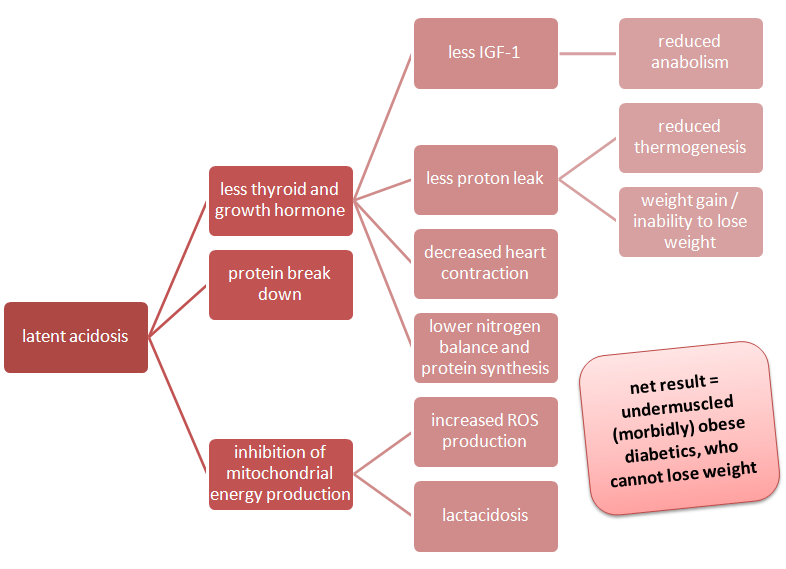
    Figure 3: Latent acidoses can set you up to become obese and prevent your hamper your fat loss (Berkemeyer. 2009)
    I would speculate that this would also allow them to exploit the previously cited plethora metabolic benefits of being in a more or less alkaline state (see figure 3 and "How Bicarbonate Could Help You Lose Fat & Build Muscle") and would thus turn something as "profane" as an ergogenic aid into a weight loss and health supplement. This appears even more likely in view of the fact that the study at hand clearly shows that it does not matter whether you use a bicarbonate buffer before your workout, or not, when you're done with it, your HCO3 levels will be rock bottom (assuming that you have trained with maximal intensity). That being said, it appears only prudent not to restrict the use of the buffer to the pre workout window, only, but to use it to re-alkalize your body immediately post workout, as well.

    And while I doubt that we will see that study being done in the near future, you know that there is no better place to check for the latest news on sodium bicarbonate, aka baking soda or NaHCO3 than right here, at the SuppVersity ;-)
    Update => Dr. Andro's Bicarbonate Protein Pudding: Since Spencer asked me on Facebook how / when I use baking soda and I already betrayed my "secret protein pudding recipe" *lol* I thought I'd post it here, as well.

    How it's done: You take some quark (this is a German dairy product you US guys usually know as curd cheese; depending on how hungry you are you use ~100-300g), add water maybe 100ml and stir it, you will soon notice that it does not become a smooth pudding, no matter what you do. So, next you add a scoop of casein or protein powder for the flavor you like best, e.g. chocolate, (casein works best, because it also adds to the creaminess). Mix the protein with the white "soup" and then add 1-2 teaspoons of sodium bicarbonate. You will soon realize that what happens now verifies the term "baking soda": your pudding-to-be is going to start raising like dough, keep the water and some stevia at hand and add water + stevia until the stuff has the consistency and sweetness you like best.  

    Voila! Dr. Andro's Quark Based Protein Laden Alkalizing Bicarbonate Pudding is Ready! Makes an excellent last meal of the day, as well... but watch out it is really filling ;-)

    References:
    • Berkemeyer S. Acid-base balance and weight gain: are there crucial links via protein and organic acids in understanding obesity? Med Hypotheses. 2009 Sep;73(3):347-56. 
    • Driller MW, Gregory JR, Williams AD, Fell JW. The Effects of Serial and Acute NaHCO3 Loading in Well-Trained Cyclists. J Strength Cond Res. 2012 Oct;26(10):2791-7.
    • John SK, Rangan Y, Block CA, Koff MD. Life-threatening hyperkalemia from nutritional supplements: uncommon or undiagnosed? Am J Emerg Med. 2011 Nov;29(9):1237.e1-2.
    • Linderman, JK,Gosselink, KL. The effects of sodium bicarbonate ingestion on exercise performance. Sports Med 18: 75, 1994.

    Beta Alanine + Bicarbonate = Synergistic Internal + External Muscle H+ Buffer With Disappointing Real-World Benefits

    No matter what this study says, I am pretty sure that the combination of bicarbonate + beta alanine would rule for Tour de France cyclists - at least during the dreaded time-trials.
    In a recent study researchers from the Victoria University and the Queensland University of Technology observed that the combination of the carnonsine pre-cursor beta alanine and sodium bicarbonate will elevate the buffering potential of skeletal muscle in eight apparently healthy, recreationally active men (26.2 ± 1.9 year; 79.8 ± 2.11 kg; 179.0 ± 2.2 cm; VO2peak 51.0 ± 2.5 ml/kg/min) by increasing muscle carnosine and blood bicarbonate levels, respectively.

    So much for the good news, the bad news however is that the performance increases on a repeated sprint test were non-signficant and the expected additive effects of beta alanine and baking soda (sodium bicarbonate) during a 110% cycling capacity test were non-existing.
    You can learn more about beta alanine & bicarbonate at the SuppVersity

    The Hazards of Acidosis

    Build Bigger Legs W/ Bicarbonate

    HIIT it Hard W/ NaCHO3

    BA + Bicarb are Synergists

    Bicarb Buffers Creatine

    Beta Alanine Fails to HIIT Back
    The trial participants were asked to complete 2 exercise tests, over consecutive days, at the end of each of the four co-supplement periods (see fig.  1).
    Figure 1: Design of the study. Each trial consisted of two exercise tests performed over consecutive days. A total of 12 weeks between trials 2 and 3 was implemented to ensure adequate supplement washout time participants randomised to ingest β-alanine during the initial chronic supplementation. MRS Magnetic resonance spectroscopy, RSA repeated sprint ability test, CCT 110 %cycling capacity test. Solid  arrows depict crossover between acute supplementation (Pl and SB). Dotted arrows depict crossover between chronic supplementation (BAl and Pl; Danaher. 2014)
    During the double-blind supplementation periods, the subjects consumed capsulated β-alanine (4.8g/day for four weeks, 6.4g/day for two weeks) or the placebo calcium carbonate (CaCO3). To investigate the superimposition of NaHCO3 (baking soda) with β-alanine, the acute administration of NaHCO3 occurred following each of  the 6-week periods of β-alanine and placebo supplementation.
    Figure 2: The non-existing increases in peak and average performance with beta alanine and - with the exception of one outlier - bicarbonate supplementation is disappointing; value expressed relative to placebo trial.
    This required two trials of either 300 mg/kg body weight sodium bicarbonate or a not wisely chosen "placebo", i.e. CaCO3 (While I have seen this repeatedly, I am asking myself how smart it really si to use calciumcarbonate as a placebo for a bicarbonate, if the carbonate will form HCO3 as soon as it is cleaved from the calcium ion?) , that was administered only once 90 min prior to the exercise bouts of the respective trials and was split into 6 equal doses over the first 50 min of the 90-min pre-exercise period.
    Figure 3: Time to exhaustion, blood pH values during repeated sprint & cycling capacity @110% test (Danaher. 2014)
    Bottom line: This is not the study to support the usefulness of bicarbonate and beta alanine supplementation for power athletes. It may be a study to support the usefulness of bicarbonate supplementation for Tour de France Trials, but it's also another study to show that the ergogenic effects of "buffers" outside of long(er) duration high intensity work like Tour de France time trials may be generally overrated.

    With the study being underpowered, not 100% controlled in terms of the nutritional circumstances of the individual trials and questionable with respect to the use of calcium carbonate as a placebo supplement for sodium bicarbonate and beta alanine, I would be hesitant to discard the use of bicarb and beta alanine and a possible synergy. on the basis of the study at hand, though. Previous studies yielded different results.
    Reference:
    • Danaher, Jessica et al. "The effect of β-alanine and NaHCO3co-ingestion on buffering capacity and exercise performance with high-intensity exercise in healthy males." Eur J Appl Physiol (2014) 114:1715–1724

    Beta Alanine Suffocates Cardiomyocytes, Taurine Lets Them Breath Again: Taurine Regulates Mitochondrial Protein Synthesis and Protects Mitochondria Against Superoxide Generation.

    Image 1: Beta alanine and taurine;
    the former interferes with uptake
    and reactions that involve the latter.
    Having listened to the last installment of the Amino Acids for Super Humans series you are already familiar with the antagonism of the two beta-amino acids ("beta-" indicates that those are not part of the 22 proteinogenic amino acids) beta alanine and taurine. Being structurally very similar, both share a single transporter, so that high levels of beta alanine decrease/inhibit taurine uptake.

    Like a partial agonist, beta alanine also interferes with the actions of taurine by inhibiting reactions that involve the former, so that the cardiomyocytes Jong and his colleagues from the Universities of South Alabama, USA, and Kobe, Japan, incubated with 5mM beta alanine for 48h induced a 45% decrease in taurine content in the neonatal rat cardiomyocytes. The sudden lack of taurine "enhanced superoxide generation, the inactivation of the oxidant sensitive enzyme, aconitase, and the oxidation of glutathione" (Jong. 2011), or, put simply, induced mitochondrial oxidative stress.
    Associated with the increase in oxidative stress was a decline in electron transport activity, with the activities of respiratory  chain complexes I and III declining  50–65% and oxygen consumption falling 30%.
    The decline in the activity of ND5 and ND6 respiratory chain complex subunits produced a "bottleneck" effect. Its almost as if you were trying to breath through a mask with two automated, taurine-powered openings. If you run out of "fuel", the valves in the openings won't open completely, you will gasping for air and (I bet) will become severely stressed.
    Figure 1: Oxygen consumption [in % of baseline] in control and in cardiomyocytes incubated with 5mM beta alanine.
    (data adapted from Jong. 2011)
    Before you do now flush all your beta alanine and beta alanine containing products down the toilette, consider this: The existing data on the safety of beta alanine makes it quite clear that taken in individual (even large doses) your body is well able to avoid that the supplemental beta alanine "floods" your heart muscles, depletes their taurine stores and suffocates their mitochondria. How so? Well, firstly it can distribute the beta alanine over millions of brain and muscle cells (something that obviously could not happen in the petri-dish with isolated cardiomyocytes the scientists used in this experiment), where it will ideally bind to histidine and form the potent intracellular buffer and anti-oxidant carnosine. And secondly, your body can mimic Jong, Azuma & Schaffer, who added 5mM of taurine to the solution. Now, with one molecule of taurine "buffering" each of the beta alanine molecules, the negative effects of beta alanine on the electron transport chain were blocked.

    As I have emphasized before, observations like these should make you reconsider the usefulness of isolated nutrient supplementation. Our understanding of the complex regulatory mechanisms and interaction that are taking place in our bodies are still very limited. Especially long term (or high dose) effects of many "supplements" (including amino acids, vitamins, fatty acids, herbs, etc.) have not been thoroughly investigated for many of the commercially available and, as it is the case with beta alanine, scientifically backed ergogenics, nootropics, fat burners etc. Oftentimes, looking at the nutrient-complex nature has wisely attached to what we ignorantly isolated and put into a tablet or powder, would suffice to know that, an amino acid like beta alanine, which occurs naturally in relatively low doses in slowly absorbed whole foods, mostly meat products, which obviously also contain taurine, was probably not meant to be ingested at high doses in isolated powder form. Co-ingestion (not necessarily at the same time) of adequate amounts of taurine or its precursors, methionine, respectively cysteine, would thus be the imperative prerequisite to benefit from the proven ergogenic effects (esp. during high-intensity exercise) of beta alanine.

    Supercharging Creatine With Baking Soda: Study Shows Increased Peak Power and Endurance - Plus: How Bicarbonate Could Help You Lose Fat & Build Muscle

    The pH of your urine is not a reliable measure of your bodies acid base-status
    I have written about the "love affair" of creatine and baking soda before. Once, in the "The Pharmacokinetics of Creatine" series (Part I, Part II), where I outlined how you can "brew" your own KreAlkalyn replacement using creatine and NaHCO3, and another time back in 2010, when I discussed the data from a dissertation by James J Barber, who had conducted a preliminary investigation into the joint ergogenic effects of N-Amidinosarkosin (creatine) and NaHCO3 (baking soda) on the repeated sprint performance of recreational athletes.
    You can learn more about beta alanine & bicarbonate at the SuppVersity

    The Hazards of Acidosis

    Build Bigger Legs W/ Bicarbonate

    HIIT it Hard W/ NaCHO3

    BA + Bicarb are Synergists

    Bicarb Buffers Creatine

    Beta Alanine Fails to HIIT Back
    The complete results of a follow up investigation by Barber, who now works at the Human Performance Laboratory at the California Polytech State University, are going to be published in the next issue of the Journal of Strength and Conditioning Research (Barber. 2012); and they underline what you, as a diligent student of the SuppVersity, knew all along: Baking soda is not only cheaper than 99% of the commercially available supplements, it is also more ergogenic than the average junk the guy at GNC is trying to sell to you.

    Soda? But that must be bad for you?! False!

    For their study, the researchers recruited a group of 13 healthy previously trained (>5h of aerobic and >2h of HIT per week) young men (age 21.1 ± 0.6 yrs, BMI 23.5 ± 0.5 kg/m²; VO2Max 66.7 ± 5.7 ml/kg-min). In a double-blinded crossover fashion (meaning that each participant had to complete every condition, i.e. "crossover", and neither he, nor the researchers knew whether he had been given the active or the placebo treatment, i.e. "double-blinded"), the men had to consume a supplement containing either
    • placebo: 20g maltodextrin + 0.5g/kg maltodextrin,
       
    • creatine (only): 20g creatine + 0.5g/kg maltodextrin, or
       
    • creatine + NaHCO3: 20g creatine + 0.5g/kg baking soda*

      * for all supplement the total dosage was divided into four smaller doses, which were to be taken at 9:00 a.m., 12:00 p.m., 6:00 p.m., and 10:00 p.m.; the subjects also completed a 48h dietary recall and were asked to consume identical foods during each condition
    before their peak power, mean power, relative peak power, and bicarbonate concentrations were assessed during six subsequent 10-second repeated Wingate sprint tests on a cycle ergometer with 60s rest periods between each sprint. To preclude any carry-over effects from previous tests, or rather supplementation, each experiment was followed by a three-week washout period.
    Figure 1: Total and relative peak power output (left) and relative peak power output in the individual trials (right; data adapted from Barber. 2012)
    As you can see in figure 1, Barber et al. were able to confirm his initial results. Interestingly, only the creatine + NaHCO3, yet not the creatine only regimen elicited statistically significant increases in both the relative power output (in W/kg; p < 0.05 for both) and the total power output (p < 0.05 only in the creatine + NaHCO3 trial; cf. figure 1, left). Moreover, the creatine + NaHCO3 supplementation lead to "the greatest attenuation of decline in relative peak power over the 6 repeated sprints." (cf. figure 1, right).

    Creatine + baking soda: Additive or synergistic effects

    An interesting question the scientists probably ignored, because their GNC guy did not yet tell them about the "extraordinary superiority of buffered creatine", is whether the ~37g of sodium bicarbonate the subjects ingested simply added to the beneficial effects the 20g of creatine had on the repeated sprint performance of the athletes, or whether the baking soda also decreased the breakdown and facilitated the uptake of creatine (cf. figure 2)
    Figure 2: Relative increase in creatine in dry muscle mass of horses, after supplementation with creatine monohydrate, Kre-Alkalyn or Gastner's patented creatine + sodium carbonate +sodium hydrogen carbonate formula (posted first in "The Pharmacokinetics of Creatine: Part 1/2" based on Gastner. 2010)
    And while it may not be important for your HIIT sessions, whether the mechanism behind the performance increase is additive of synergistic, it could well make the one-rep difference on a deadlift or bench press competition, in the course of which each additional phosphocreatine molecule counts.
    "Cholesterol is the devil and sodium is his little brother!" Everyone who still believes everything the medical orthodoxy says, please raise your hands!
    A note on the dangers of "salt": Firstly, baking soda is "only" ~28% sodium, which means that for every 4 grams you ingest you get roughly 1 g of sodium. Secondly, it is arguable how much of the sodium is effectively taken up and will be floating around in your blood. As T. Lakhanisky points out in his dossier for the Belgian government: "The uptake of sodium, via exposure to sodium carbonate, is much less than the uptake of sodium via food. Therefore, sodium carbonate is not expected to be systemically available in the body." (Lakhanisky. 2002) And thirdly, there is more and more evidence that suggests that the chloride rather than the sodium content of common table salt (NaCl = NatriumChloride) is the root cause of "sodium induced hypertension" in "sodium sensitive" individuals / animal models. Only recently, a study by Schmidlin et al. showed that chloride loading induced hypertension in the stroke-prone spontaneously hypertensive rat despite profound sodium depletion (Schmidlin. 2010). So, if you asked me, rather than pointing at salt as the #2 on the list of greatest evils (obviously cholesterol is still #1, here) the medical orthodoxy would be better advised to address the imbalances between sodium and potassium, which are so characteristic of the western diet, instead of painting yet another black and white picture where sodium is the bad guy and potassium the dangerous mineral that cannot be sold OTC in dosages >80mg.... but hey, this would be the topic for a whole new blogpost and as gross as it may sound, the chance that you get diarrhea from the baking soda is probably 1000x higher than the remote possibility of increases in blood pressure. A 1990 study by Luft et al. even found that the blood pressure of 10 mildly hypertensive and normal subjects decreased by 5mmHg after 7 days in the course of which they drank 3 liters of sodium bicarbonate containing water per day (Luft. 1990)
    If you add to that all the previously reported benefits you can derive from a few tablespoons of baking soda
    • +34% time to exhaustion and +91% total work during HIIT (Feb 29, 2012)
    • synergistic and superior effects compared to beta alanine (Feb 20, 2012)
    • protection against stress induced oxidative damage to white blood cells (Nov 28, 2011)
    • increased performance in tennis players (Nov 4, 2010)
    and obviously Barber's own previously reported results, you may understand why I urged our common friend Adelfo Cerame Jr to supplement with bicarbonate throughout his whole contest prep.

    Latent metabolic acidosis hampers weight loss and muscle gains

    Figure 3: The contribution of latent acidoses to the obesity epidemic and maybe even your inability to build muscle and/or lose weight
    (based on Berkemeyer. 2009)
    And even when you are not interested in your performance, a 2009 paper by Shoma Berkemeyer is by no means the only, nor the first article that linking an increased hydrogen ion concentrations (latent acidity, which can be countered by dietary bicarbonate) to weight gain and the obesity epidemic (Berkemeyer. 2009, cf. my summary in figure 3).

    In view of the fact that even a latent H+ surplus could apparently compromise your efforts to lose fat and build muscle, it should be obvious that you better make sure to have enough alkalizing greens (and optional supplemental bicarbonate; not necessarily 30g, though ;-) in your diet - no matter if the whole acid/base balance issue, esp. the role of a high protein intake, is still very controversial.
    More scientific evidence for the combination of bicarbonate & creatine in a more recent article | read it!
    Practically speaking, what do I do? Since loading is not necessary unless you have a competition right ahead and this is the first time you take creatine you just take 3-5g of creatine monohydrate with approximately the same amount of sodium bicarbonate per day.

    Larger doses of sodium bicarbonate as they would be used for acute performance enhancing effects are (almost certainly) not necessary to increase the efficacy of creatine. If you want the acute benefits, but get diarrhea from 15-20g of bicarbonate, I suggest you try to serial load.

    Beta Alanine Thwarts Baking Soda: Increased HIIT Sprint Performance With NaCHO3 - "Very Likely". Individual Effect of Beta Alanine - "Zero". Synergism? Negative.

    Does beta alanine hamper instead of improve your sprinting performance?
    Did you notice something? Yeah, there have been more news on testosterone boosters as of late than on sodium bicarbonate, here at the SuppVersity. You don't have worry though, I have not been bribed by the supplement industry. The reason that you have not heard about baking soda as of late was merely a pragmatic one: the absence of recent studies. With the soon-to-be-published paper by Kagan Ducker, Brian Dawson and Karen E. Wallman from the University of Western Australia the barren spell has ended - luckily.
    Addendum: Only a couple weeks after this study had been published Bellinger et al. conducted a trial, where the expected synergy between beta alanine and sodium bicarbonate was to be seen. It will thus have to be elucidated in future trials, whether the different outcomes are exercise- or athlete-dependent | learn more.
    Before we delve deeper into the carbonated results of the study at hand, I want to take the chance to briefly remind you that it's Thursday and thus about time to make sure you you don't miss the SuppVersity Science Round-Up at 1PM EST live on SuperHumanRadio. You are not sure if you can make it? Well, in that case you would be missing even more bicarbonate lovin', a discussion on the potential downsides of intermittent fasting, when you are not dieting, some clarifications on yesterday's Facebook news on the potential liver damaging effects of "cortisol blockers", the latest on the effects of DHEA on testicular health and testosterone levels, the optimal omega-6/omega-3 ratio for endocrine health, the life-shortening effects of large amounts of fish oil and much more... and while you are waiting for the show to start why don't you take a peek at what Ducker et al. have found?

    Beta alanine added bonus or unworthy opponent?

    Inspired by previous yet by far not very conclusive trials which found that the combination of the precursor of the intracellular H+ buffer beta alanine and the often looked down upon alkalizer sodium bicarbonate (cf. Sale. 2011; Bellinger. 2012; read more about the Bellinger study) could yield some benefits over the performance increases baking soda and not beta alanine(!) alone can produce, Ducker et al. wanted to elucidate whether a preload with 3-6g/day of beta-alanine for 28 days either alone or in combined with a pre-exercise dose of 0.3g/kg baking soda would lead to improvements in prolonged repeated-sprint performance in team-sport athletes.

    The Australians hypothesized that both, beta-alanine supplementation and an acute dose of sodium bicarbonate, would separately result in improvements in repeated-sprint performance, but that combining both treatments would lead to a greater improvement in repeated sprint ability (RSA) compared to either supplement on its own.
    Figure 1: Relative changes in sprint performance (sprint time) for all three and each set of 6x20m sprints (Ducker. 2013)
    A brief glance at the data in figure 1 does suffice that the latter was not the case. While it was to be suspected that the 28-day preloading the six of the 24 male competitive football, soccer and hockey players who had been randomized to the NaHCO3 + BA group would yield at least some yet probably not significant performance increase in the during the 3 sets of 6 x 20m sprinting (25 s between sprins, 4 min active recovery between the three sets), the exact opposite was the case.
    Contrary to beta alanine, creatine is a perfect match to baking soda... or rather vice versa (learn more)
    "Sodium bicarbonate supplementation (alone) resulted in the best repeated-sprint performance, with some improvement also seen (but to a lesser extent) when a combination of beta-alanine and sodium bicarbonate was used. This outcome was surprising, as it was hypothesised that combining supplementation of sodium bicarbonate (extracellular blood buffer) and beta-alanine (intracellular muscle buffer via carnosine) would result in enhanced repeated-sprint performance beyond what is possible with either supplement alone." (Ducker. 2013)
    So, contrary to bicarbonate alone, which was "likely" and "very likely" to produce increases in overall total sprint times (TST) for each individual set, as well as for first sprint (Set 2 and 3) and best sprint time, the combined supplement did not only fail to increase the likelihood that these effects would occur in similarly trained athletes / gymrats, but actually reduced to "possible" and "likely".


     Squats, 8 x 12, Leg Press 6 x 12, Leg Ext. 6 x 12; that's the Quads routine Serge Nubret (photo) trained twice a week in conjunction with chest – it stands out of question that this is the kind of workout that benefits most from an acid buffer like NaHCO(3) (read more)!
    Bottom line: The performance decrements the scientists observed when they combined the 0.3g/kg NaCO3 with a 28-day beta alanine preload is actually pretty surprising and that despite the fact that the short sprints are not actually the strength of the carnosine precursor. Significant but with ~2% still pretty pathetic performance increases effects can only be expected with longer sprints in the 90-150s range, and previous studies by Sweeney et al. and Saunders et al. have already confirmed its useless in similar scenarios (Sweeny. 2010; Saunders. 2012). So while it may be debatable in how far the performance decrease may be reproducible in larger scale studies, there is no debating of the scientists conclusion that
    "Supplementation with beta-alanine may not be ergogenic for these sports [football, soccer and hockey], which require repeated short (~2-4 s) sprints with brief (~15 – 30 s) recovery periods." (Ducker. 2013)
    What remains to be seen, though is whether adding the BA on top of the bicarbonate does actually "result in a lower magnitude of performance improvements than sodium bicarbonate supplementation in isolation" (Ducker. 2013). And would thus be downright ergolytic. But hey, maybe the guys had just depleted their histidine sources (learn more about histidine) - in that case they would have become fat not slow, or maybe both? Just kiddin' ;-)

    References: 
    • Bellinger PM, Howe ST, Shing CM, Fell JW. Effect of combined β-alanine and sodium bicarbonate supplementation on cycling performance. Med Sci Sports Exerc. 2012 Aug;44(8):1545-51.
    • Ducker KJ, Dawson B, Wallman KE. Effect of beta-alanine and sodium bicarbonate supplementation on repeated-sprint performance. J Strength Cond Res. 2013 Mar 21.
    • Sale C, Saunders B, Hudson S, Wise JA, Harris RC, and Sunderland CD. Effect of beta alanine plus sodium bicarbonate on high-intensity cycling capacity.  Medicine and Science in Sports and Exercise. 2011; 43:1972-1978.
    • Saunders B, Sale C, Harris R, and Sunderland C.Effect of beta-alanine supplementation on repeated sprint performance during the Loughborough Intermittent Shuttle Test. Amino Acids. 2012; 43: 39-47.
    • Sweeney KM, Wright GA, Brice AG, and DobersteinST. The effect of beta-alanine supplementation on power performance during repeated sprint activity.  Journal of Strength and Conditioning Research. 2010; 24:79-87.

    Beta Alanine and Baking Soda (NaHCO3), a Synergistic Duo for 4-min All-Out Sprints Even in Highly Trained Athletes?

    Image 1: I guess many of the competitive track cyclists will be taking beta alanine either on its own, or as part of one of the thousands of proprietary blends in the squillion ergogenic supps you can chose from at your favorite supplement store. I am yet pretty sure that only very few of them have heard that a much more efficient ergogenic aid may be lying around unnoticed in their kitchen.
    If you had to compile a list of proven (and I am not talking about the way "proven" is used by the supplement industry!) ergogenic aids and ordered them by the number of publications, carbohydrates (all types) and protein (including BCAAs and EAAs) would be at the top of the list... from then, things get somewhat more complicated, but I would guess that creatine could actually have the potential to make it to the third place - it would by all means be within the top 5. Whether this is true for beta alanine, which probably would be the #4 on the list of an increasing number of physical culturists, appears yet questionable, to say the least. After all, the number of pertinent publications is, contrary to what common wisdom suggests, not exactly "extensive", to say the least. And the total effect size of 2.85% for bouts of exercise lasting 60-240s (for <60s beta alanine had no effect), which has been calculated by Hobson et al. in a recently published review of the available literature on that subject (Hobson. 2011), is not nearly as earth-shattering as headlines like "the next creatine" would make you believe.

    Beta alanine, baking soda or both? What maximizes 4-min all-out cycling performance?

    Against that background and in view of the results of a recently published study by researchers from the School of Human Life Sciences at the University of Tasmania in Australia (Bellinger. 2012), it could thusly (once more) be advisable that you initially resort to the stuff that is already sitting in your kitchen cabinet, before you spend extra bucks on expensive supplements... I guess, you are now asking yourselves what the hack this idiot is talking about now, so I guess, I best let you know what you have to look for: Baking soda! As a (hopefully) faithful student of the SuppVersity, you will be aware that I am a huge fan of this cheap, readily available and - potential diarrhea aside - side-effect free alkalanizer (cf. "Baking Soda for Stressed White Blood Cells" and "Sodium Bicarbonate, An Ergogenic Aid from Your Kitchen Cupboard").
    Image 2: "Cholesterol is the devil and sodium is his little brother!" Everyone who still believes everything the medical orthodoxy says, please raise your hands!
    A note on the dangers of "salt": Firstly, baking soda is "only" ~28% sodium, which means that for every 4 grams you ingest you get roughly 1 g of sodium. Secondly, it is arguable how much of the sodium is effectively taken up and will be floating around in your blood. As T. Lakhanisky points out in his dossier for the Belgian government: "The uptake of sodium, via exposure to sodium carbonate, is much less than the uptake of sodium via food. Therefore, sodium carbonate is not expected to be systemically available in the body." (Lakhanisky. 2002) And thirdly, there is more and more evidence that suggests that the chloride rather than the sodium content of common table salt (NaCl = NatriumChloride) is the root cause of "sodium induced hypertension" in "sodium sensitive" individuals / animal models. Only recently, a study by Schmidlin et al. showed that chloride loading induced hypertension in the stroke-prone spontaneously hypertensive rat despite profound sodium depletion (Schmidlin. 2010). So, if you asked me, rather than pointing at salt as the #2 on the list of greatest evils (obviously cholesterol is still #1, here) the medical orthodoxy would be better advised to address the imbalances between sodium and potassium, which are so characteristic of the western diet, instead of painting yet another black and white picture where sodium is the bad guy and potassium the dangerous mineral that cannot be sold OTC in dosages >80mg.... but hey, this would be the topic for a whole new blogpost and as gross as it may sound, the chance that you get diarrhea from the baking soda is probably 1000x higher than the remote possibility of increases in blood pressure. A 1990 study by Luft et al. even found that the blood pressure of 10 mildly hypertensive and normal subjects decreased by 5mmHg after 7 days in the course of which they drank 3 liters of sodium bicarbonate containing water per day (Luft. 1990)
    To elucidate the individual and synergistic effects of sodium bicarbonate and / or beta alanine on the cycling performance of 14 highly trained cyclist (age: 25.4y; weight: 71.1kg; VO2Max = 66.6 ml/kg), Bellinger and his colleagues provided their subjects in a double-blind manner with a daily dose of 65mg/kg beta alanine or placebo in capsule form (in a previous study a similar dosing regimen elicited a 57% increase in skeletal muscle carnosine). The subjects had to consume the capsules in four equal doses spread across the day to make sure that the well-known tingling would betray which of the subjects was in the active arm of the study and which received the placebo (interestingly, this still happened in two of the subjects). After the initial 28-day supplementation period in the course of which the subjects had to follow a standardized HIT training program (2 sessions per week: 8x 90%VO2Max for 2.5min followed by 3min recovery at 40%, each) in addition to their regular training which had to be accurately logged, so that the researchers would be able to identify potential confounding factors which could influence the individual results in the two subsequent performance trials. 

    Training log, diet log, wash-out periods - all in the name of science

    Moreover, the subjects were asked to record their dietary intake in the 24h before the first performance trial, so that they could replicate the latter on the subsequent 2nd trial, which took place after a 2-day washout period, so that the subjects which had received the active sodium bicarbonate treatment (0.3g/kg NaHCO3 with 10ml/kg water to wash the capsules down) in the first trial would not derive any remaining benefit from that in the second trial, where the subjects that had previously been assigned to the placebo group, received the NaCHO3-filled capsules, while the others swallowed a placebo 90 minutes before they performed a single 4-min maximal bout of cycling on identical air-braked, front access cycle ergometers.
    Figure 1: Absolute (left) and relative (right) increase in average power and total work during 4-min all out sprints on a cycle ergometer in response to chronic (28-day) beta alanine, acute (90min pre) baking soda, or combined supplementation (data adapted from Bellinger. 2012)
    From the results in figure 1 it is easy to say that beta alanine alone had did not exert statistically significant ergogenic effects during the 4-min all-out cycling bout in this group of highly trained athletes - a finding, by the way, of which the researchers state that it "is consistent with previous literature investigating the effects of β-alanine supplementation on maximal exercise efforts in trained populations". The increases in average power (p = 0.036) and total work (p = 0.044), on the other hand, were likewise not earth-shattering, but statistically significant and could well make the difference between victory and defeat in one of the track cycling races during the upcoming Olympic games in London.

    Sodium bicarbonate only for track cyclists? And what about beta alanine?

    While obviously the fewest of you will be professional track cyclists, some of you may perform other sports which require intermediate all-out sprints in the 2-6 minute range - you, and everyone who is doing some sort of "sprinting" exercise as part of his / her high intensity (interval) cardio training, once in a while could thusly very well benefit from the ph-buffering effects of baking soda - probably even more so than from beta alanine, of which I am still surprised that people are taking it chronically. After all, the wash-out period for beta alanine is >15 weeks and does not appear to depend on either the amount or intensity of exercise that is performed (Baguet. 2009; Stellingwerff. 2011). It would thusly be prudent to load up on carnosine by supplementing ~800mg of beta alanine for 6 weeks once in a while to maximize the intra-muscular buffer-capacity and to use a whopping dose of 0.3g/kg sodium bicarbonate, whenever you feel that you need a small, but statistical significant performance boost or just want to make sure not to get over-acidic during your workouts.