.

.
marylin monroe
Showing posts with label caloric restriction. Show all posts

Adelfo Cerame - Road to The Wheelchair Nationals '12: Back From Thanksgiving and in Better Shape Than Ever!

Image 1: Some people just know how to improve their physique even when pigging out on thanksgiving. Or can you see any collateral damage the turkey, the pie and the pie and the turkey from last week have done?
Assuming that all of you have eventually overcome the physical and psychological consequences of your thanksgiving festivities, you should be about as ready as can be to kickstart the last three serious training weeks of the year. It alway amazes me how long some days (especially those without lectures and tons of paper work in the office) appear to be, when weeks and months fly by like nothing. I remember back in the day, when I first contacted Adelfo on behalf of the Suppversity Student Spotlight and we came up with the idea for this series, I was thinking to myself: "Damn, 2012? That is a going to be a hell long series of blogposts! Let's hope people will like it..." And now? Well, the title of the email I just received from Adelfo is "2 months down! And 3 1/2 more months to go!" And the positive feedback we are receiving week by week is overwhelming (keep it coming ;-). So what more can I say? I guess I better say nothing and let just Adelfo tell you what he has been doing the last days to make sure to pocket his pro-card at the 2012 Wheelchair Nationals...

Time flies by! 16 weeks out and keepin' it rollin'!

I am 16 weeks out from my show. Man! Am I glad that I started my prep 2 months ago, because it feels like the next 16 weeks are going to fly by. Today is the first of December and, as I mentioned in my last blogpost,  I have cut back another 200kcals from my diet and am now at daily caloric intake of only 1600 kcal. I actually have already the first day with 1600kcal under my belt, and it felt.... it felt like this is going to be a walk in the park! Although my carb-, and with the latest cut, even my fat-intake are pretty low, now (160g protein/ 50g CHO/ 75g fat per day), I still manage to get my schoolwork done, help my clients throughout the early part of the day and still have tons of energy to burn when I train later in the afternoon. Two years ago I would’ve been dead tired by the time 4 o’clock pm came around and would have just gone through the motions at the gym.
Figure 1: Adelfo's current macronutrient breakdown. Since December 1st, he is at a 1600kcal/day level.
I feel that I have been able to perform efficiently throughout the day and train optimally in the gym ever since I realized that my body prefers fat as a better fuel source than carbohydrates. I also feel that my body has adapted to using fats more efficiently, the reason why I really don’t get affected when I have to drop my carbohydrate intake. Since my body is now adapted to being a fat burning machine, it does efficiently utilize its own body fat stores as a source of energy, when carbohydrate and dietary fat intakes are low. And while I have deliberately not gone all the way, now, i.e. I have not yet dropped my carbohydrate to zero and my fat intake to similarly low levels, this may still happen in the last week(s) of the prep and I am confident that, even than, I won't be the walking Zombie I have become in the course of classic high-carb preps, where your energy levels plummet when you eventually have to drop the carbs to get stage ready.

Intermittent fasting gives me balance - physiologically and psychologically

In that, I am convinced that the high(er) fat approach aside, my decision to switch to an intermittent fasting protocol also has a lot to do with how smooth my prep and dieting has been going so far. I honestly can say, that I rarely feel hunger pangs, if any at all. I’m not pre-occupied with what I’m going to cook or eat next. My mind is not distracted with thoughts of food. I can even go a whole day without eating and I feel fine. When I take a look back, it’s amazing how much my diet controlled my everyday life. Don’t get me wrong, I love the science of nutrition, eating smart, making healthy food decisions and preparing for bodybuilding shows, but when you start getting OCD and letting the diet determine and control how you live your life. Dieting sometimes even goes so far that it starts to alter your personality! And this is, when you should now: It's time to make a change!

Natural hormone optimization - a new asset in my portfolio!?

Video 1: Mike Mahler's "Hormone Optimization" seminar on YouToube (click on the navigation on the right to see all parts). Big kudos to Mike for sharing so much great information for free!
So far everything from diet and training is going great. The one thing though that I’ve noticed that needs improvement in my prep is sleep. For some reason I’ve been having trouble sleeping…while searching for a solution to my issue and trying to find a reason why my sleeping patterns were so out of whack, I ran into a YouTube video by Mike Mahler, where he discusses hormone optimization in quite some detail. Leptin, insulin, adrenaline, cortisol, ... he covers them all and I thin that I may have found possible reasons for my suboptimal sleep patterns. In particular, I realized that my cortisol and adrenaline levels might be too high during the night. I try to get 7-8 hours of sleep but most of the night I’m tossing and turning. I don’t necessarily feel that it’s from stress, well nothing negative at least. I do think about a lot things at night though… like I said nothing negative, more like thoughts of future endeavors, excitement to compete, how I can make my business successful, ways I can improve training and nutrition… like thoughts of that nature.

Eventually I found myself digging deeper into this subject of hormones and hormone optimization trying to learn and educate myself on a topic I know nothing about, but yeah… anyway, I think I’ve found a subject that peaks my curiosity and will probably keep me busy for a couple of weeks trying to learn as much as I can and will most likely distract me from my school work ;-)

End of November: 4 weeks paying off...

A pros pos work, it's also time to evaluate where a hell lot of hard work in the gym has gotten me in the past couple of week. So here are some recent progress pictures that I took yesterday, as well as comparisons from the beginning of the month.
Image 2: Picture on the left hand side was taken on November 15, 2011, and the picture on the right hand side was taken yesterday on November 30, 2011 (photos by Adelfo Cerame, 2011).
As you can see with the most recent picture, the 2-day Thanksgiving holiday feasting I engaged in last week did nothing to hamper my forward progress.With the front pose, I definitely can see a difference especially my abdominals. Since I don’t have the luxury to weigh my self often, I always use my abdominals as marker to gauge and monitor my progress… and I advice that you should do so, too. Don’t get too pre-occupied on scale weight. The smaller your waist gets, the lower your body fat gets. Losing body fat and maintaining lean muscle mass is what’s important, not what the scale reads.

... yet a still not at my short-term goal of outperforming my friend Duong ;-)

To be honest from looking at the comparisons, I feel that I certainly could afford to stay at 1800 calories and still make some good progress by the end of December. In fact, I was tempted for about 5 minutes, but then I reminded myself of  the short-term goal that I set for myself, which is to achieve or better outperform Duong's already phenomenal physique by Christmas, which also happens to be the 12-week mark in my contest prep (sorry Duong, just my competitive nature ;-)
Supplement reviews: Since this past weekend there was a black Friday/Cyber Monday sale online @ TFSupplements (by the way, although I do not even get a discount there, I still want to mention that this is a very cheap place to shop for supps ;-) I picked up a bottle of Liquid Clenbutrx by VPX (yeah I know… the name sounded pretty sketchy to me also!), and a tub of Anadraulic State by LG Sciences. Both were at a very affordable price compared to retail.

Note: I just started on both supplements this week,
so you’ll have to wait until I finish them for a full review.

Image 3: VPX Clenbutrx, a solid product with a more than questionable name, which will yet have to showcase its fat burning magic in the weeks to come.
Liquid Clenbutrx: My initial thoughts were…  name and bottle alone of the VPX product (with the little injection dispenser) looked and sounded suspect to me. I mean look at the name… rhymes with clenbuterol right? And look how they make the bottle look all-pharmaceutical like with the injection dispenser to the side… "It looks like it can be illegal, so I guess it must work!" *rofl* Even with all the signs directing me to stay clear, the price was right, the majority of the reviews were positive (on a side note… when I read supp reviews I take into consideration the physique of the one making the review. You usually can find their profile picture on the left hand side of reviews), and even Mr super-critic Dr. Andro considers VPX among the most reputable companies in a business, where shady names of obviously have become part of the game...
  • Taste: Tastes like shit and Nyquil mixed together! It’s gotta work if it tastes this bad right?
  • Energy: So far for the past 3 days since I’ve been taking it… my energy is literally through the roof. In fact this elixir kept me up all night for the first day, because I took the 2nd dose to late in the afternoon… and I guess taking anadraulic state 30 minutes after does not help either - though this is actually a "non-stim" pre-workout product. I am, by the way, curious on how long these potent effects are going to last and whether they will have worn off before I will have gone through the whole bottle. Keep checking back for more info in the posts to come.
  • Fat Loss: Don’t know yet, until I finish the bottle, but I get a good sweat in the gym.
  • Side notes: So far no jitters throughout the day or while I workout. And so far it hasn’t ramped up my metabolism in the Ferrari-like way it claims to do. But hey - should I really have believed that? I guess no. So, not a bad product, so far.
Image 4: LG Sciences' Anadraulic State GT - for the 14$ I would hardly have gotten the 720g of ingredients in bulk.
Anadraulic State: My initial thoughts… Another pre- workout supplement that’s worth a try because 720g for $14 and a really sound ingredient profile, this was obviously a bargain!
  •  Taste: Strawberry lemonade, well at least that is what the label says. I guess it's a good thing that it does not taste as if it was mixed with battery acid, though ;-)
  • Energy: I did not buy it for the energy factor. It's a non-stim and with the potent effects of the Clenbutrx I really can't tell if you would feel some kind of energy rush from Anadraulic State, as well.
  • Pump/ vascularity: I can’t really tell either because my body gets a good pump or gets pretty vascular even when I don’t take pre-workout supplements.
  • Strength/ performance: So far it’s all me. But given the fact that the ingredients are meant to do their magic over time, I did not expect to notice it until being on it for at least 2-3 weeks.
  • Side notes: Nothing to really report or rave about yet.  
I will keep you updated on the impact these two have on the results I am seeing in the mirror, as well as the gym in the future installments of this series. Every Thursday, right here at the SuppVersity - remember that ;-)
Image 5: Not exactly hitting the macro ratio is an issue only OCD bodybuilders will worry about... and as Dr. Andro likes to say "The stress due to too much thinking about what to eat and what not to eat is much worse than the one wrong food choice you could make".
If you want to know how this little precontest-contest turns out, I suggest you come back next Thursday and see how far I've gotten already, because, for today, that is all, folks! And with the supplement feature being this week's special, I will skip the weekly recipe and just leave you with a picture of 2 big ass turkey legs from the last of my holiday leftovers that I’m about to eat before I begin my fast.

I usually like to track my macros and actually don’t mind doing it, but since my last meal before I start my fast and hit the sack are P+F meals. It’s usually pretty easy for me to eye it and guesstimate my macros. My macro meal split for my protein and fat are around 50g protein, and 25g fat. I’m guessing these 2 turkey legs are a bit under my protein and fat, but I’m not too worried about it... buon appetito!

Pharmacological Starvation: 30% Increased Life Expectancy w/ Still to be Developed FGF21 Analog - The Royal Road To Longevity? Plus: Ground Yourself It's World Nutrition Day!

Do you really think this kid cares whether there is fructose in his/her banana? Think about that before you delve into the next religious discussion about whether or not food a is legit to eat, "not paleo" or "too high in carbs" *thank you*
It's World Food Day and I thought it may be nice to remind everyone about the hilariousness of such "important" first world problems as "eating X bananas a day is bad foryou", the notion of "non paleo" foods and the rest of the vitally important topics the blogosphere is so fond of, these days. Allegedly, neither the bloggers, nor the facebookers or forum posters, who spend so much time and energy debating these and similarly worldshaking issues, will be among the 24,000 human beings who are dieing each and every day from hunger, but maybe one or another of you, of whom I am sure that they don't belong to the group of real notorious nitpickers, will have a similar "grounding experience", from just being reminded of this figure, as me, when I heard it on the radio earlier this morning.

Don't get me wrong, I am not intending to point with a finger at anyone (if anything I would have to start with pointing at myself), but if one or another of you would pause for a second or two and have a similar "grounding experience" as I had, I would be happy.

From real starvation to starvation science
 
Although this prelude appears to segue quite nicely into today's science post, I am not sure if that's even a good thing... be that as it may, after listening to the news on the radio I was quite annoyed, when I read about a recent study by Zhang, Kliewer et al. on the wonderful effects of the "starvation hormone" FGF21 (fibroblast growth factor 21; the effects were observed in mutants who overexpressed FGF21, by the way) on yet another of those awful copy & paste items on Science Daily that are 99% hype and 1% science (in the scientists' defense it must be said that I am well aware of the fact that our, i.e. university or institutionalist, press offices are writing this stuff together in this way on purpose and are not really interested in the actual science background, though). With statements such as "[the mice] got the benefits of dieting without having to limit their food intake" (UT Southwestern Medical Center. 2012) the "article" tailors perfectly to the demands of the glutenous Westerner who applies his "the more the better" principle to all areas of his super sized life that people will probably already be emailing Dr. Kliever about the release date of the drug he surely must be working on.

And in fact, the actual results of the study (Zhang. 2012), the press release specifies by quoting Kliever who said "Male mice that overproduced the hormone had about a 30 percent increase in average life span and female mice had about a 40 percent increase in average life span" sound intriguing. After all this would mean that you would have a realistic chance of making it to the magic 100, when you would otherwise have died at the age of 77.

Starvation, real or hormonal is not the way to healthy longevity!

Nonetheless, the price you would have to pay to "starve yourself into this biblical age" - pharmacologically, of course since (a) otherwise no one could make money on it and (b) no one would want to do it - is high. And I am not sure any of you is willing to pay it.
Figure 1: What do you call it, when mice simply won't grow and end up as a small copy of their normal counterparts with identical body composition, but virtually no bone mass? Right! That's failure to thrive. Now, what do you call the same phenomenon, if the poor critters live 30% longer? Yeah, righ! That's a scientific break through!
I guess you could say you can cope with being a shrimpy weed (or a tiny version of yourself, which is actually what what you would be if you had half your current weight and the same totally average body composition; see figure 1), if that means that you can see your grand grand children rise, but your chances that this is going to happen outside of a wheelchair are not particularly high for men and the chance of seeing them at all is non-existent for women.

The combination of low bone mass and infertility should actually ring a bell with everyone who has been following the Athlete's Triad Series.
Why is that? Well, next to being a pathetic weed, your bone mass and density would be so low that the chances of literally breaking apart are probably way higher than the already low chance that any of these results do even translate to human beings.

And while men who like to gamble may want to make this bet with the pharmaceutical devil, the antifertility effect of FGF21 would not allow any women making the same bet to even have children. Which does obviously not make it very likely that they will ever get to see the children of their grand children - regardless of whether they become 200 years old, by the way.

I am therefore not so sure whether the mere fact that the FGF21 mutants' mobility was not effected is evidence enough of "living a nice, long life", as Kliewer is pointing out (UT Southwestern Medical Center. 2012).

There is no way this drug will be gluttony and thus "Western lifestyle" compatible 

Figure 2: Don't be fooled! The small "g/g body weight" makes all the difference! If you weigh half of a normal human being thanks to whatever patented FGF21 derivate you take, you better make sure you eat like half a human being, as well, if you don't want to shorten your life by 30%, instead of prolonging it!
And as far as the implicit promise of being able to eat "as much as you want" goes, it may be correct that "there were no differences in food intake, physical activity, oxygen consumption or respiratory exchange ratio" (see figure 2) but if you scrutinize the caption of the Y-axis you'll see the bad, bad letters "g/g body weight". And this label means nothing else than that whoever has written the press release has been trying to fool you, when he or she wrote
"The mice that overproduced FGF21 in this latest study were lean throughout their lives and remained lean even while eating slightly more than the wild-type mice, the researchers said." (UT Southwestern Medical Center. 2012)
The truth is, they ate almost half as much as the normal animals, so where on earth was this not a starvation diet? I mean, all of you who have read parts (better the whole) SuppVersity Athlete's Triad Series will be well aware that bone loss and infertility are hallmark features of in this case exercise induced "starvation".

And let's be honest, unless Mc Donalds is going to produce XXS Menues for people on FGF21, I can guarantee you that the only effect any future drug analog of this hormone is going to have is to make people's lives even more miserable than they already are... longevity? No way! After all, this is not going to correct the dietary induced failure of our natural satiety response that constantly drives us to overeat on all those things the people who are now probably lining up in front of Mr. Kliewer's office to be part of the earliest trial are not willing to give up, although they know that they are thus easily reducing their maximal life-expectancy by 30%!

The unsexy, since inconvenient truth is missing from the mainstream science breakdown

In view of the fact that neither the press guy (or girl) nor the scientists appear to have a wested interest to tell you that FGF21 activity is "paradoxically elevated in obese conditions" (Fletcher. 2012) and that something as awfully inconvenient (and moreover non-patentable!) as exercise is the best way to normalize not only the skewed FGF21 levels, but also to increase the expression of the "longevity factor" clotho (30-50% in a classic rodent model; cf. Fletcher. 2012), I consider it my duty to let you know that you neither have to resort to the exogenous provision of drugs, nor starve yourself and can still be sure to benefit from the effects of FGF21: Either by its modulation via exercise if you are obese as the aforementioned rodents or, more importantly, by its upregulation in normal weight individuals, like the 60 sedentary young women Cuevas-Ramos et al. put on a two week exercise regimen earlier this year, only to find that their
"[s]erum FGF21 levels significantly increased after two weeks of physical activity [and that this 66%! increment in FGF 21] correlated positively with clinical parameters related to the adrenergic and lipolytic response to exercise." (Cuevas-Ramos. 2012)
Now, I don't know about you, but I, for my part, would probably risk to make a bet with the devil (pharmacological or not) that anyone who is willing and able to appropriately fuel his workouts, get his share of anabolic and restorative sleep and refrain from overtraining, will get all the benefits, the press release aptly ties solely to the unquestionable pharmacological "separation of the hormone’s life span-extending effects", Kliever is cited for in the last paragraph of the copy & paste job, without any of the downsides.

The SuppVersity Approach to Longevity is therefore simple, cheap and 100% healthy: Work out, eat healthy and get your daily dose of SuppVersity news to know how you can optimize your training, nutrition and supplementation regimen ;-)

References:
  • Cuevas-Ramos D, Almeda-Valdés P, Meza-Arana CE, Brito-Córdova G, Gómez-Pérez FJ, Mehta R, Oseguera-Moguel J, Aguilar-Salinas CA. Exercise increases serum fibroblast growth factor 21 (FGF21) levels. PLoS One. 2012;7(5):e38022.
  • Fletcher JA, Meers GM, Laughlin MH, Ibdah JA, Thyfault JP, Rector RS. Modulating fibroblast growth factor 21 in hyperphagic OLETF rats with daily exercise and caloric restriction. Appl Physiol Nutr Metab.
  • UT Southwestern Medical Center. Newsroom. Starvation hormone markedly extends mouse life span, without need for calorie restriction. Oct 16, 2012. < http://www.utsouthwestern.edu/newsroom/news-releases/year-2012/october/starvation-hormone-mangelsdorf-kliewer.html > retrieved Oct 16, 2012.
  • Zhang Y, Xie Y, Berglund ED, Coate KC, He TT, Katafuchi T, Xiao G, Potthoff MJ, Wei W, Wan Y, Yu RT, Evans RM, Kliewer SA, Mangelsdorf DJ. The starvation hormone, fibroblast growth factor-21, extends lifespan in mice. elife. 2012;1:e00065. doi: 10.7554/eLife.00065.

Mitohormesis - Suffocated Mitochondria Live Longer: Scientists Probe Longevity-Effect of Low-Level Stressors.

Image 1: Walter Breuning died in April 2011at the biblical age of 114! And you bet that a man who has seen two world wars has had his share of mitohormetic stress in his life.
As a diligent reader of the SuppVersity you will be familiar with the work of S. Schmeisser and M. Ristow from the Department of Human Nutrition at the University of Jena, here in good old Germany (where not everyone eats Sauerkraut und Weisswurst, even now that the Oktoberfest is in full swing). In previous publications, the scientists have (at least in my mind conclusively) argued against the publicly accepted free-radical hypothesis of aging, which implies that the presence of free radicals is one of the fundamental mechanisms of aging. Now, a few month after the publication of their last review back in May 2011, they are presenting the latest results from their own lab in a paper that is going to be published in the October issue of Hormone and Metabolic Research (Schmeisser. 2011).

Want to live longer? Then you better put another log on the fire

Schmeisser, Zarse, and Ristow used lonidamine (LND), a indazole-3-carboxylic acid derivate, to inhibit cellular respiration in the infamous round-worm (Caenorhabditis elegans) model for aging processes (for a review on the pharmacology, biochemistry and toxicology of lonidamine see Silvestrini. 2008). In essence, they thusly made it more difficult for the cells to "breath", which as you may probably imagine, is a major stressor, which will inevitably increase the formation of purportedly dangerous free radicals (ROS) and should thus increase the aging process, if... yes, if there was any truth to the nonsensical idea that you better sit there, don't eat, don't drink, don't move - in essence - don't live to avoid any potential ROS formation, if you want to extend your lifespan... I guess, you as a self-educated SuppVersity reader won't be surprised that the roundworms did not only survive the "torture" (of life), but - after an initial mitohormetic response, i.e. an adaptational response to the the scientists' effort to suffocate their mitochondria (the initial reduction in oxygen consumption was -37 %!) - thrived on the purportedly life-shortening inhibitor of mitochondrial respiration!
Figure 1: Lifespan of C. elegans treated with 5µM lonidamine, n-acetyl-L-cysteine (NAC) or both (data calculated based on (Schmeisser. 2011)
As you can see in figure 1, the "pro-oxidant" treatment with lonidamine, of which Schmeisser's, Zarse's and Ristow's data shows that it increased respiration and thus mitochodrial ROS formation, increased both median as well as maximal life-expectancy of the nematodes (roundworms) by ~8% - an increase with statistical significance, as the p-value of p<0.001 (= chances that the increased lifespan observed in the study is just coincidence are <0.1%). The latter cannot be said of either the slight increase in maximal lifespan nor the slight decrease in median lifespan in the group of nematodes that was treaded with n-acetyl-L-cysteine (p=0.17; non-significant) or a combination of the anti-oxidant sulfur-amino acid and lonidamine (p=0.95; absolutely non-significant; cf. figure 1).

These observations may be considered further experimental "evidence" for Schmeisser's and Ristow's previously formulated mitohormesis theory ("evidence" in the sense that the results do not falsify their hypothesis - they do yet falsify the ROS hypothesis of aging). A theory that refutes the idea that the aging process is driven by reactive oxygen species and emphasizes (mitochondrial) adaptation processes to (external) stressors that strengthen, not weaken the organism in the long-run - or as the scientists phrase it:
[...] the induction of endogenous defense mechanisms as a secondary response to a stressful condition is assumed to contribute to longevity [...] a lifetime low dose oxidative stress with a subsequent secondary induction of defense mechanisms could delay the aging process
It is thus the interplay of manageable stress and metabolic adaptation which extends life and not an overall reduction of reactive oxygen species, as the vendors of some "super-potent" anti-oxidants would have you believe. What is still missing though, is a tool which would help us to identify the critical point, where the endogenous adaptation processes cannot keep pace with ever-increasing (mainly) exogenous stressors... in case any scientist finds an answer, I guess you will soon be able to download the respective app on your shiny new iPhone - I just hope that this app will account for the significantly (!) decreased glucose metabolism the iPhone itself will induce in the temporoparietal junction and anterior temporal lobe of the right hemisphere of your brain within less than 30 minutes (Kwon. 2011), as well.

On Short Notice: Oxytocin to Boost Testosterone & Block Cortisol? Exercise for Life-Extension? Which Tea for Metal-Chelation? Which Fat to Reduce Calorie Intake by ~30%?

Image 1: This is still my preferred way to boost oxytocin - regardless of possible ergolytic effects ;-)
Due to the sudden heat-wave over here in good old Germany I thought, I'd use these early morning hours to get another installment of "On Short Notice" on it's way before my brain dries out (or I drown in the public swimming pool ;-). I hope you enjoy the four items on the recent interest in intranasal the hormone modulating effects of oxytocin, it's effect on cortisol and progesterone, estradiol and (I know you were waiting for that ;-) testosterone, my early morning / late evening (depending on whether you see this from my or Wyatt's perspective) 'intellectual' exchange on the potential longevity effects of exercise and why it probably is not life-extending in the literal sense, the different antioxidant potency of green, black and white tea and their ability to chelate metals (=help to remove all not just "bad" metals from the body) and the best fat, DHA or MUFA to blunt appetite and help you stick to your diet.

Don't forget to come back later today (or maybe early tomorrow for some of you ;-), for a third installment of "On Short Notice", which will hopefully suffice to "get rid" of the stock I have... ah, I did not forget about the Circadian Rhythm Series, by the way, it's just that the SuppVersity rhythm got slightly out of sync ;-)
  • Figure 1: Effects of 26IU of intranasal oxytocin at rest on progesterone, estradiol and testosterone in healthy men (large; based on Gossen. 2012); effects of 24IU or 48IU of intranasal oxytocin administered before a steady state cardio session on cortisol levels in healthy young men (small; from Cardoso. 2012)
    Intranasal oxytocin to block cortisol & boost testosterone A whole series of studies has been published recently; all of them have one thing in common, they investigate the various physiological and psychological effects of oxytocin. Of these, the two studies by Gossen et al. and Cardoso et al. are yet probably of greatest interest for the average physical culturist. After all, the researchers from the Centre for Research in Human Development at the Concordia University in Quebec (Canada) were able to show that the administration of 24IU (not the higher dose of 48IU, though;see figure 1) effectively reduced the increase in cortisol in a 70% HRmax steady-state cardio session in 17 healthy young men (aged 18–3; mean ± SD; 23.1 ± 3.5), in the experiment they describe in their Aug 2012 paper in Psychoneuroendocrinology (Cardoso. 2012).
    And even though the German scientists from the University of Aachen report minimal, but statistically significant increases in testosterone in 8 young men (mean age 26.4 ± 2.6 years) at rest, 210min after the (likewise) intranasal administration of a minimally higher dose (26IU) of oxytocin (Gossen. 2012). Both of these observations are not just very similar to what your average natty test booster is supposed to do, their real-world effects are probably also as insignificant. Also, did you ever try to tear down the gym and rep out a couple of PRs a couple of minutes after having sexual intercourse? If so, you should actually be aware why oxytocin probably ain't the ideal pre-workout supplement - in this regard it is also somewhat unfortunate that Cardoso et al. did not do a real performance test (suggested read: "Will Sex Before A Competition Hamper Your Performance"; note: this is not about sex minutes before the competition ;-).
    And when it comes to building muscle, previous research from Phillips lab at McMasters University appears to suggest that blocking cortisol is a hilarious idea, anyway. After tall, cortisol was the only endocrine hormone the elevation of which in the vicinity of resistance training sessions showed a positive correlation (r=0.29, P=0.03 cf. West. 2011) with increases in lean muscle mass in the large-scale by West et a.
  • Exercise gets rid of the junk in your body, but will it help increase your lifespan? Basically this could be the headline to an interesting exchange of thoughts, I just had with Wyatt Brown on the SuppVersity facebook wall - one I believe is well worth being "recorded" as a short news item. The discussion came about in response to me posting the link to a study by He et al. who found that the way exercise induces autophagy (=natural, healthy cell death) contributes to its beneficial effects in the prevention of all sort of ailments, above all cancer and neurological problems such as Alzeimer's & co, because it allows your body to get rid of the debris and junk that's accumulating from just living your life (no matter how healthy or unhealthy that may be). Since exercise is not the only thing that can ramp up autophagy, and caloric restriction (as in starving yourself to live longer) can do the same, Wyatt mused about whether or not you could achieve the same (more or less; for animals vs. humans) proven benefits of life-long caloric restriction by exercise.
    Image 2: Twin studies are one of the ways to identify whether genes or lifestyle are the fundamental determinants of how old we get. One of the consistent findings of the numerous pertinent studies is that lifestyle factors (diet, exercise, but also our outlook on life, friends and family!) determine how well we are able to use the time that our genes (or whoever you want) has granted us on earth. Not more, but not less, either: If 100 years are what we got, all exercise and healthy eating will allow us to make it to that age with great ease, not more... and let's be honest, if that was the biblical age of 100y, wouldn't it be ungrateful to ask for more?
    A very good question, indeed and one I do not have a definite answer to. In view of recent reviews of the role of exercise in the longevity of centenarians (the oldest of the old; cf. Venturelli. 2012), it does however seem more likely that exercise does not have direct effects on the life-span, but, as Huffman states, "[e]pidemiologic evidence in humans supports exercise as a strategy to reduce the risk of morbidity and mortality" (Hufmann. 2010). Unfortunately, a low mortality won't help you to make it past the 100 ± X years your genes have in stock for you. The insights into the genetic determinants from pertinent studies into single-nucleotide polymorphisms (SNPs ~ single gene variations) does support this notion (Sorensen. 2012): The oldest of the old don't stick out, because their genes protect them from premature death, but simply because their genes allow for more cell cycles to occur before the 'natural reserve'. We already know that telomere length is a fundamental determinant of this 'reserve', so that it is not really surprising that telomere length at birth is one of the most reliable predictors of longevity (Heidinger. 2012)!
    Now, if we just use a totally random number to use basic math to make us understand, what this means, we could say that your telemore length at birth may be sufficient to make it to age 100, assuming that it is not prematurely shortened or you are dying from whatever other "natural" (not accidents etc.) cause, such as cancer, metabolic syndrome, CVD etc., exercise will of course help you to make it to those 100 years, but when the say 100,000 total turn overs that your telomeres allow for are done, you are done as well - no matter how "healthy" you eat and how much you exercise in the 99.99 years before. If you complement this "preventive" (=mortality reducing) effect by literally living on the slow lane, i.e. downregulating all your metabolic processes by starving yourself, you will obviously slow down the turn-over rate, as well. For simplicity of the calculation we assume that all these processes are linear (which I can guarantee they are not) and you are eating so little that you achieve a 50% slow down. That would mean that your turn-over rate would be reduced from 1,000 / year to 500 / year. Your reserves would last 2x longer and, assuming you eat and exercise and thus decrease your mortality risk, will allow you to make it to the ueber-biblical age of 200years! Great? Well you decide...
  • Image 3: If you want to get rid of metals, white tea should be your tea of choice, if you are already low on iron, copper, zinc & co. you should at least drink it away from your meals, though.
    Different tea preparations different effects antioxidant activity and metal chelation ability  It is nothing new that green and black tea will have differential effects on your physiology. What is yet a novelty is a comparison of the antioxidant and metal chelating activity the exact same hand plucked leaves of a specific cultivar (in this case PC108, bred in Malawi, typically used for black CTC tea production) will have when it is used for the production of either white, two black (Orthodox and CTC; both methods produce leaves of fannings or dust grades that are commonly used in tea bags, CTC = crush + tear + curl is processed by machines, while orthodox usually involves a mixture of mashine and manual processing) or two green (w/ and w/out caffeine) teas - a comparison like the one Patricia Carloni and her colleagues present in their latest paper in Food Research International (Carloni. 2012).
    As you will probably have expected the least processed green tea exhibited the greatest, while the most processed CTC black tea the least antioxidant activity (green ≥ low-caffeine green > white ≥ black Orthodox > black CTC), what may come as a surprise though is the superiority of white tea in the metal chelation essay the scientists performed. Closely followed by the orthodox black tea, the CTC tea (<50% of the white tea metal chelating activity) and the two green teas (<25% of the white tea metal chelating activity).
  • Figure 2: Reduction in calorie intake on standardized breakfast 20min after the ingestion of 6ml of a lemon flavored oil emulsion and in the course of the day compared to no oil control (based on Harden. 2012)
    Fat satiety effects: DHA > Olive Oil (MUFA) > regular diet That would be the ranking according to the satiety effects of the different fatty acids, as elucidated in a recently published study in the British Journal of Nutrition (Harden. 2012). For their study, the researchers had recruited 18 healthy normal-weight men. In a single-blind, three-way crossover study design the subjects received a single 6ml dose of either DHA or oleic acid (olive oil is 60-80% oleic acid, alternatives would macadamia ~60% and high-oleic acid sunflower oil >82%) with lemon flavor. The day before, the subjects had consumed standardized diets. 20min after the ingestion of the emulsion, they had a standardized breakfast, went home and went about their regular daily business for the rest of the day.
    The telephone interviews the researchers conducted on the next day showed that the ingestion of the DHA emulsion had exerted an, as the researchers argue cholecystokinin (CCK) dependent, decrease in energy intake of -20% and -29% for the breakfast and the total daily energy intake, respectively. That would make DHA a pretty effective tool to stick to my often-suggested -20% caloric deficit when you're dieting - at least for healthy individuals. Whether this will work for the obese, let alone morbidly obese with their deranged satiety signaling remains to be seen, though.
As I mentioned in the introduction, already. This was not the last "On Short Notice" item for this weekend. So, digest this, have some sex to calm down (unless you are about to work out, obviously), and drink a cup of tea to increase your chance to make sure that your end is not arriving before it's time and you can come back for more ;-)

References
  • Cardoso C, Ellenbogen MA, Orlando MA, Bacon SL, Joober R. Intranasal oxytocin attenuates the cortisol response to physical stress: A dose-response study. Psychoneuroendocrinology. 2012 Aug 10. 
  • Carloni P, Tianob L, Padellab L, Bacchettic T, Customud C, Kayd A, Damian E. Antioxidant activity of white, green and black tea obtained from the same tea cultivar. Food Research International. 2012.
  • Gossen A, Hahn A, Westphal L, Prinz S, Schultz RT, Gründer G, Spreckelmeyer KN. Oxytocin plasma concentrations after single intranasal oxytocin administration - A study in healthy men. Neuropeptides. 2012 Aug 9. 
  • Harden CJ, Jones AN, Maya­Jimenez T, Barker ME, Hepburn NJ, Garaiova I, Plummer SF, Corfe BM. Effect of different long­chain fatty acids on cholecystokinin release in vitro and energy intake in free­living healthy males. British Journal of Nutrition. 2012; 108:755­-758
  • He C, Sumpter R Jr, Levine B. Exercise induces autophagy in peripheral tissues and in the brain. Autophagy. 2012 Oct 1;8(10).
  • Heidinger BJ, Blount JD, Boner W, Griffiths K, Metcalfe NB, Monaghan P. Telomere length in early life predicts lifespan. Proc Natl Acad Sci U S A. 2012 Jan 31;109(5):1743-8. Epub 2012 Jan 9.
  • Huffman DM. Exercise as a calorie restriction mimetic: implications for improving healthy aging and longevity. Interdiscip Top Gerontol. 2010;37:157-74. Epub 2010 Aug 10. 
  • Soerensen M. Genetic variation and human longevity. Dan Med J. 2012 May;59(5):B4454.
  • Venturelli M, Schena F, Richardson RS. The role of exercise capacity in the health and longevity of centenarians. Maturitas. 2012 Aug 7.
  • West DW, Phillips SM. Associations of exercise-induced hormone profiles and gains in strength and hypertrophy in a large cohort after weight training. Eur J Appl Physiol. 2012 Jul;112(7):2693-702. Epub 2011 Nov 22.

Does Your Diet Fail, 'cause You Sleep Too Little? 40 Minutes Extra Sleep Will Shed an Additional Pound of Fat in 6 Months

Image 1: Blindfolds are cheaper than light-tight curtains or shutters and they are more versatile ;-)
I have repeatedly emphasized the importance of quality sleep, here at the SuppVersity. Based on my own experience sleeping should be your your #1 priority if you want to look good, feel good and perform at your personal best on the cognitive and physiological level into your old age. Unfortunately, the number of controlled long(er)-term studies on the issue is quite small and the epidemiological data either unreliable, inconclusive or both (in most of the cases, the latter is the case; for a review see Nielsen. 2011). I was therefore happy to see that the results of one of the comparatively tightly controlled study from the Healthy Active Living and Obesity Research Group at the Children’s Hospital of Eastern Ontario Research Institute in Canada confirm my personal experience - even if the effect-size was not as pronounced as I would have expected. But let's take one thing after the other...

Take 123 overweight men and women and reduce their caloric intake by 600-700kcal ... 

... what is going to happen? Well, the answer to that question should be straight forward, right? These obese men and women, whose mean age was 41.1 years and who had an average BMI of 33.2kg/m², should begin losing weight, right? According to my previous post on "Busting the 3,500kcal = 1lbs Weight Loss Myth!" not necessarily 1lbs in 5-6 days but 1lbs in say 10 days should be the minimum. So, after the 24-week study period of trial Jean-Philippe Chaput and Angelo Tremblay conducted, the 90% of the participants who reported that they actually complied to the dietary prescription should be ~16.8lbs or 8.4kg lighter.
Figure 1: Lean mass and fat mass loss over the 24-week study period (left, calculated based on data + the information that the mean ratio of lean to fat mass loss was 3:10; Chaput. 2012); illustration of what min. and maximal weight loss would mean, if the data was normally distributed (right)
In view of the fallacy of the "calories-in-vs-calories-out" hypothesis and its logical consquence, the "eat less, lose more" diet trap, it should not come as a surprise that the average weight loss across all participants fell short of the expectations. In that, it is however interesting to remark that the expected 8.4kg are identical to the mean weight loss + one standard deviation of the same; now, if we assume a normal distribution (warning: scientific jargon! see figure 1, right for some illustrations ;-) of the data, this implies that ~16% of the subjects lost even more than my conservative prediction of 8.4kg would have suggested.

Never underestimate the fat-burning prowess of a good night's sleep!

The reasons the other 84% "underperformed", however, are manifold (keep in mind: Against the background that many obese people simply get more obese year by year even stagnation may have been progress for some). Those I consider the most important / likely ones are:
Table 1 (Chaput. 2012): This is the original table from the study and while it says "baseline characteristics" it is actually no wonder that the subjects did not lose more weight if their baseline energy intake was already as low as 1,310kcal (=5242kJ/day). After all, that would be what I would suggest as a good energy deficit (~20-30%) to lose weight, already.
  • reporting to be compliant, when you actually are not - a 24h food recalls done every 2 weeks as in the study at hand are notoriously unreliable, even if subjects don't fake them intentionally.
  • eating way too little - in view of the fact that the reported baseline calorie intake was only 1,310kcal the additional reduction of 600-700kcal put them in starvation mode; no wonder they hardly lost weight (I wonder if the authors did maybe enter the reduced energy intake into the "baseline characteristics table, accidentally; cf. table 1)
  • not eating the right whole foods - people tend to think "if I go to starve I better starve on chocolate and pie than on broccoli and chicken filet", so that - in the absence of concrete meal plans - subjects would eat cream cake every day and still comply to their goal wrt to total energy intake
Non-compliance (suggested read: "High Carb vs. High Fat for Obese Type II Diabetics and What Really Happens, When Science Meets Real Life), over-dieting and food quality aside, there is a fourth factor which would have been on my list, as well, if it had not been on Chaput's and Tremblay's the research agend, anyways: SLEEP! Duration and quality.
Figure 2: Fat loss as a function of sleep duration (left) and sleep quality (middle; both based on Chaput. 2012); as well as the "normal" distribution of PSQI (sleep quality scores) among healthy people (right; from Buysse. 1998)
Interestingly enough, the total sleep duration remained a better predictor of dietary success, as defined by loss of pure body fat (r =0.26), than the actual sleep quality (r = -0.20; note: -1 or 1 would indicate perfect negative or perfect positive correlations) even after adjustment or age, sex, baseline BMI and the
change in total energy intake (r Duration = 0.34 vs. r Quality = -0.31; data not shown in figure 2). This may be surprising at first, but in view of the fact that only PSQI score greater than 5 are highly sensitive to determine whether you are or aren't a "good sleeper" it appears reasonable.

And still, my personal experience tells me that without a reasonably good sleep quality you will rather feel worse than better if you simply stayed in bed for another 83min. So my suggestion remains (see implications for more): Get yourself a blindfold and earplugs - it will make a huge change to your sleep quality and you ability to sleep longer and wake up more refreshed and don't worry about either the alarm clock or your partner. While you will hear the former anyway, your partner certainly won't mind if you are better rested and physically more attractive than ever, although that may mean that he or she will be nudging you more often to put the blindfolds to an alternative and certainly not less enjoyable use ;-)
Implications: The results of this study put another emphasis on the importance of good sleep (7-9h every night) in the context of losing weight, building a better physique and living an overall healthier and happier life. Aside from the previously mentioned ear-plugs and blindfolds, there are yet a couple of other things you can / should do to get the sleep your body needs
  • go to bed with or as closely after sundown, whenever this is possible - don't worry if you are "up early" this is how life is supposed to be, not the other way around (note: alarm clocks are 100% non-paleo ;-)
  • don't sacrifice your social life for sleep, but don't persuade yourself that you have to party everyday and thus cannot go to bed in time
  • don't use your computer / mobile phone / social media in the vicinity of going to bed; it will delay your ability to fall asleep and the light of the small (often blueish) LCD screens will interfere with your circadian rhythm
  • if anything have a shake or other readily digestible food before bed, otherwise digestion may interfere with  your sleep quality in the first 2h and losing 2 out of 8 hours of sleep could already cost you 1.4kg of body fat you would otherwise have lost (you know the figure is mere statistical shenanigan, right?)
  • plan your TV consumption and set a deadline for when the boob tube must be off; even consider buying a timer switch to make sure it will be off
  • consider using melatonin and light therapy for a short period of time (or strategically, when you are a shift worker) to get into the new rhythm (dosing 3-10 mg melatonin before bed, 15-45min bright light therapy when you wake up or strategically during night shifts; eg. Sharkey. 2001; Bjorvatn. 2007; Sadeghniiat-Haghighi. 2008)
There will be way more on this in the future, as I am - as some of the SuppVersity Facebook friends know - still working on a post / series of posts on the circadian rhythm and a couple of past experiences of my own - including the use of light therapy to tweak my biorhythm. For the time being I suggest that you go to the official PSQI website, download the test (click on "PSQI instrument"), fill out and evaluate the questionnaire, take the first 5 steps I have outlined above, and see if that's not already enough to get an even better night's sleep in the next two weeks to come. And just in case that's not enough or your partner has gotten so fond of the blindfolds that there simply is too little time left for sleeping during the night hours, you will soon find more information on the 6th bullet point and the whole theoretical background of circadian rhythmicity and how it can work for, but also against your... until then, good night!

References:
  • Bjorvatn B, Stangenes K, Oyane N, Forberg K, Lowden A, Holsten F, Akerstedt T. Randomized placebo-controlled field study of the effects of bright light and melatonin in adaptation to night work. Scand J Work Environ Health. 2007 Jun;33(3):204-14. 
  • Buysse DJ, Reynolds CF 3rd, Monk TH, Berman SR, Kupfer DJ. The Pittsburgh Sleep Quality Index: a new instrument for psychiatric practice and research. Psychiatry Res. 1989 May;28(2):193-213.
  • Chaput JP, Tremblay A. Sleeping Habits Predict the Magnitude of Fat Loss in Adults Exposed to Moderate Caloric Restriction. Obes Facts 2012;5:561–566.
  • Nielsen LS, Danielsen KV, Sørensen TI: Short sleep duration as a possible cause of obesity: critical analysis of the epidemiological evidence. Obes Rev 2011; 12: 78–92.
  • Sadeghniiat-Haghighi K, Aminian O, Pouryaghoub G, Yazdi Z. Efficacy and hypnotic effects of melatonin in shift-work nurses: double-blind, placebo-controlled crossover trial. J Circadian Rhythms. 2008 Oct 29;6:10.
  • Sharkey KM, Fogg LF, Eastman CI. Effects of melatonin administration on daytime sleep after simulated night shift work. J Sleep Res. 2001 Sep;10(3):181-92.

    What's Worse: YoYo-Dieting or Constant Gluttony? What Happens During Weight Cycling? And Why Does Every Diet Make You Fatter? Lots of Questions, a Couple of Answers

    Image 1: To eat or to diet, what's worse?
    Despite the fact that the magazines are still full of "X pounds in Y weeks" diets, more and more people begin to realize that "diet hopping" and even "dieting" in the conventional sense, i.e. following a special, usually very strict and non-sustainable nutritional regimen for a very short amount of time, are futile. But can calling a halt before you blow up like a balloon from time to time actually be worse than letting yourself go all-day, everyday? According to the results of an experiment that has been conducted at the Institute of Biology of the State University of Rio de Janeiro, the results of which have just been published in the open access journal PLoSOne, the answer to this question must be: YES, it can! And that may be true, even when you are not starving yourself!

    Even "healthy" weight cycling turns out to be profoundly unhealthy!

    Now, the unfortunate news first: We are, as so often dealing with a rodent study - one that was done conducted with 80(!) 3-months old C57BL/6 mice. "Wow! 80 mice? That's plenty!" Yeah, initially it may sound like that, but in view of the fact that their number was decimated every 8 weeks, there would not have been the necessary 4x8 rodents left at the end of the 24-week study period for the final evaluation of the four experimental groups, which were
    • standard chow (SC; 15kJ/g) - rodents in this group received the standard chow (76% energy from carbohydrates, 14% energy from protein, and 10% energy from fats) for the whole study period
    • high fat diet (HF; 21kJ/g) - rodents in this group received a fattening hypercaloric diet (26% energy from carbohydrates, 14% energy from protein, 50% energy from animal lard and 10% energy from soy bean oil 
    • SC ↔ HF - rodents in this group received standard chow for the first 8-week cycle, high fat diet for the 2nd 8-week cycle and standard chow for the third and last 8-week cycle
    • HF SC - rodents in this group received high fat diet for the first 8-week cycle, standard chow for the 2nd 8-week cycle and high fat  for the third and last 8-week cycle 
    If we go back to the initial question, the HF group would be our 24/7, 365 days a year eat everything the worst Western diet you can imagine has to offer, while the animals in the group SC ↔ HF and HF ↔ SC group would be representative of
    • the high school football player who turns to a sedentary lifestyle and bad eating habits when he goes to college, is partying all night, bear pizza, etc. eventually, he realizes he got fat, and diets again (SC ↔ HF ↔ SC) and
    • the obese kid who eventually turns to physical culture, works out, eats health and loses weight, when he starts college, to then fall back into his old bad habits and starts letting himself go, when he marries and has kids (HF ↔ SC ↔ HF)
    I know this is a little far-fetched and as we are going to see later, mice are not exactly the best model to study things like that, but still, the way the weight of the rodents, who had free access to the respective chow they were on during the whole experimental period, developed is quite telling:
    Figure 1: Despite intermediate fat loss the increased feed efficiency (=weight gain per kcal) that is especially pronounced in the HF phases of the weight cycling groups quashed the previous weight loss. If age effects had not become a problem this effect would have been more obvious in a 4th cycle.
    And the message the data in figure 1 is sending is quite clear: Dieting, as in changing your eating habits only intermediately, is useless, at best! - "at best", because it becomes increasingly difficult to lose and constantly easier to gain weight or, as Barbosa-da-Silva et al. put it:
    [...] after three consecutive WC [weight cycles], the reduction of BM is less marked during the SC cycle, as well as the increase of BM is more prominent during HF cycle (Barbosa-da-Silva. 2012).
    Now, we probably would not have had to do a 24-week rodent study to know that, right? Right! Notwithstanding, though, the beauty of working with rodents - instead of Biggest Losers, for example - is that they usually don't complain much when you slaughter them, so that the scientist could not only measure the serum leptin (figure 2, left), triglycerides, cholesterol, insulin and glucose levels, but also count the number and measure the size of the adipocytes in their visceral fat pads.
    Figure 2: Leptin expression and adipocyte density per area of adipose tissue mass after the 1st, 2nd and 3rd weight gain/loss cycle (data adapted from Barbosa-da-Silva. 2012)
    And as you can see in figure 2 (right) the weight cycling induced quite profound effects on the adipose tissue morphology; effects that are similar to what we have seen in previous discussions on the underlying causes of the yoyo effect (see "Nasty Insights into the YoYo-Effect"). You have to keep in mind, though, that you would be comparing apples and oranges if you compare the two weight cycling groups with each other, as one group has always just lost weight, when the other has gained weight so that in one group the adipocytes will  be depleted, when they are filled to the seams in the other one. If there had been a fourth cycle in the course of which the fat cells of the SC ↔ HF group would have been repleted, we may thus safely assume that the absolute size-differences, which reached statistical significance only in the HF ↔ SC group after the third cycle (violette bar in figure 2, right), would have been similar or even more pronounced after 32 weeks and 4 cycles in the then HF dieting SC ↔ HF (note: one of the reasons the researchers did extend the experiment for another 4 weeks was that even now, age-related effects and obesity related morbidities would have reduced the significance of the data).

    Adipocyte morphology, leptin expression, fat pad restructuring and body fat that sticks

    Apropos significance, you ay remember from the "previously mentioned post" on this issue that one of the currently discussed hypothesis that could  (at least partly) explain why formerly obese people are not just having a really hard time to lose weight, but also, and often even more so, to keep that weight off, relates to what I have previously labeled "relative leptin defiency" (too little leptin production per adipose tissue mass) or, and this would be an alternative hypothesis, "leptin resistance" (more than enough leptin in the blood, but the signal transmission does not work).

    The first thing we can say based on the data Barbosa-da-Silva acquired on the absolute fluctuations of leptin in the blood of the rodents (figure 2, left) ist that previously made conclusions about the effects of weight gain, weight loss and energy intake on leptin, like
    1. weight loss and fasting are associated with reduced leptin levels
    2. weight gain is associated with an increase in leptin concentration 
    3. chronically increased leptin can lead to leptin resistance
    4. meals and according to meal composition or short-term swings in energy balance such as fasting or overfeeding induce swings in systemic leptin levels
    appear to be accurate. To check whether there is evidence for my "relative leptin deficiency" hypothesis, especially in weight cycling groups, I ploted the ratio of serum leptin to body fat in figure 3 (left):
    Figure 3: Leptin levels in serum per body fat (left), leptin expression in adipose tissue (middle), and sectional area of adipocytes of the different groups (based on Barbosa-da-Silva. 2012)
    And what is interesting is that in this calorically non-restricted scenario, the respective "relative leptin deficiency" occurs only in the SC ↔ HF group during the third and last cycle, when their relative leptin levels which should actually be identical to the SC group (we must compare them to the SC group, because the current diet will influence leptin expression as well) are 36% lower than they "should" be. In the same third cycle, the HF ↔ SC group (remember, those are our "formerly obese kids") have 21% more leptin in their blood than they "should" - given their current adipose tissue mass.

    Some food for thought - Though not directly related to the topic, there is one thing pertaining to the heavily debated "CLA post" from last week (cf. "CLA Destroys Body Fat"), I want to mention. If we assume that the CLA-induced adipose tissue apoptosis Kim et al. observed in their recent study is as rodent-specific as the natural death and rejuvenation of adipose tissue Cinti et al. observed in the study I cite relating to the limited adipose tissue growth in rodents, this would not just indicate that taking copious amounts of CLA would not help to reverse the damage you may have done during previous "diets", but could also explain why conjugated linoleic acid supplements don't work in humans (or horses; see yesterday's news).
    Now this segues directly into the allegedly somewhat counter-intuitive conclusion that anything that soothes the raging inflammation in your fat cells may ameliorate the downstream detrimental effects on glucose and lipid metabolism, but will, on the other hand, help your fat cells to survive or maybe even proliferate in amidst the TNF-alpha induced cytokine storm (Prins. 1997), which would otherwise kill them. Now with the current paradigm of "inflammation = bad" this may sound hilarious. In the the end, it does yet only echo the title of a 1999 paper by Hube and Hauner, "The role of TNF-alpha in human adipose tissue:  Prevention of weight gain at the expense of insulin resistance?" (Hube. 1999) and would provide us with a mechanistic explanation of several otherwise non-explicable phenomena such as the profound fat loss in rodents who lack the master antioxidant glutathion (see "Inflammation Is the True Fat Burner"),,, but as indicated: This is just some food for thought ;-)
    In combination with the leptin overshoot (+153%) in the "former football players on their college binge", this data would suggest that we are not dealing with "relative deficiency" and "leptin resistance" but rather with a complex mixture of both, where the latter is probably a result of repeated overshoots like the one we see in the SC ↔ HF group after their first high fat feeding cycle (2nd cycle, 154% elevated leptin levels).

    Relative leptin deficiency, systemic resistance and now local differences?

    And as if things were nor already complicated enough, there are also potentially important differences between circulating leptin levels and local leptin expression in isolated fat pads figure 3 (middle; compare data to figure 2, left, 3rd cycle). Thus, the drop in leptin levels upon "fasting" in the (SC ↔ HF, 2nd cycle  and HF ↔ SC, 3nd cycle) is systemic, but does not reflect the expression of leptin in the intra-abdominal tissue. This stands in line with my previous dissertation on "relative leptin deficiency" and the differences between...
    • intra-abdominal (easy to shed on a diet), and 
    • subcutaneous (esp. in the lower body compartment difficult to shed on a diet)
    ...adipose tissue in "Nasty Insights into the YoYo-Effect" (a similar depot-specificity has been reported for pre-adipocytes, i.e. developing fat cells, as well - intriguingly only in 9 out of human subjects (=81%); cf. Niesler. 1998). Due to the fact that the expansion of adipose tissue in rodents appears to be limited and the cell-turnover high (contrary to humans, where you get the impression that obesity is only limited by death and the cell-turnover - if it exists at all - must be very slow), these effects are probably even more pronounced in humans than in mice. Consequently, it can be expected that the diet / feasting induced upward shifts of the body fat set point are more pronounced and their morphological reversal either more time-consuming (probably true for the visceral body fat) than in rodents or simply impossible (could be the case for parts of the subcutaneous body fat) in human beings.
    Image 1 : Lose 20lbs now, gain 25 back and have 5 stick with every diet! We still don't understand exactly why, but by now it should be clear, diets like the "Kendra diet" are rather part of the problem than viable solutions
    Implications: Despite the fact that we still don't really understand what's happening, when we are trying to shed the body fat we have acquired in times of gluttony, the few novel insights we have gained from the study at hand should make it even more obvious that "classic" dieting does not hold the answer to the obesity problem. Neither on an individual, nor on a societal level. Instead of "eat less, exercise more", the main message should read: "Don't ever think of dieting, again! Revamp your life, your activity profile and the way you eat and wait for things to fall in place." After all, the "formerly obese kids" in the HF ↔ SC group were not too bad off, when they had returned to a (for rodents!) healthy diet in the 2nd cycle. We may even speculate that the difference the rodents in the control group (SC) would not have been significant anymore, if the scientists had kept the HF ↔ SC rodents on standard chow for another 8 weeks.

    The same group is however living (now dead ;-) proof that the notion that you could diet today, look better tomorrow and then return to what has gotten you into misery before is not just illusive, but outright life-threatening. Since caloric restrictions, which are still at the heart of 99% of the mainstream diets, will probably magnify the amplitude (i.e. the up and down) of the yoyo effect and its negative metabolic consequences, it appears reasonable to assume that the yoyo-dieter will eventually be worse off than the "happy fatso" who has been eating whatever he wanted for all his life and dropped dead morbidly obese with a heart attack at 45. After all, it seems likely that he (or she!) will not even live to the 45th year before he falls victim to the very same fate and that after not despite, but rather because of all the temporary austerities... now, this may be like choosing between pest and cholera, and the third option, i.e. following the path of physical culture would alway be my first choice, but honestly, if I had to choose, I'd rather be the fatso who enjoyed his 45 years of pizza, pasta and chocolate pie than the frustrated yoyo dieter.
    References
    • Barbosa-da-Silva S, Fraulob-Aquino JC, Lopes JR, Mandarim-de-Lacerda CA, Aguila MB. Weight Cycling Enhances Adipose Tissue Inflammatory Responses in Male Mice. PLoS ONE 2012; 7(7): e39837.
    • Cinti S, Mitchell G, Barbatelli G, Murano I, Ceresi E. Adipocyte death defines macrophage localization and function in adipose tissue of obese mice and humans. J Lipid Res 2005; 46: 2347–2355.
    • Hube F, Hauner H. The role of TNF-alpha in human adipose tissue: prevention of weight gain at the expense of insulin resistance? Horm Metab Res. 1999 Dec;31(12):626-31.
    • Kim JH, Kim J, Park Y. trans-10,cis-12 Conjugated Linoleic Acid Enhances Endurance Capacity by Increasing Fatty Acid Oxidation and Reducing Glycogen Utilization in Mice. Lipids. 2012 Jul 11.
    • Niesler CU, Siddle K, Prins JB. Human preadipocytes display a depot-specific susceptibility to apoptosis. Diabetes. 1998 Aug;47(8):1365-8.  
    • Prins JB, Niesler CU, Winterford CM, Bright NA, Siddle K, O'Rahilly S, Walker NI, Cameron DP. Tumor necrosis factor-alpha induces apoptosis of human adipose cells. Diabetes. 1997 Dec;46(12):1939-44.
    • Zhu. Ncb5or in Fatty Acid Desaturation and Metabolic Diseases. Zhu Diabetes Research Group. University of Kansas School of Health Professionals. < http://www.alliedhealth.kumc.edu/school/research/zhu/more_info.html > retrieved July 22, 2012

    Optimal Weight Loss for Athletes: Lose No More Than 0.7% of Your Body Mass Per Week if You Want to Retain or Even Build Lean Mass While Dieting

    Image 1: Slow dieting paves the way to
    an aesthetic and strong body
    A question intricately related to my dissertations in episode #698 of Carl Lenore's Super Human Radio, was and still is the question of the optimal rate, i.e. weight/time, of weight loss to a) maintain a healthy metabolism and b) keep as much muscle mass as possible. While this issue certainly is relevant for the average person, it is of essential importance to an athlete competing in a sport with weight classes. Even if at "weighing day" he or she has the desired body weight, "making" this weight would have been worthless, if he or she had lost too much previous muscle to maintain adequate performance... It is thus surprising that the amount of studies that look into the effects of fast vs. slow weight loss on body composition in an athletic population is rather small, which renders the results of a recent Norwegian study (Garthe. 2011) interesting, all the more.

    Garthe et al. put a group of 24 trained athletes onto a slow (SL: 0.7% body weight per week) or fast (FR: 1.4% body weight per week) weight loss regimen hypothesizing that "the faster WL regimen would result in more detrimental effects on both LBM and strength-related performance".

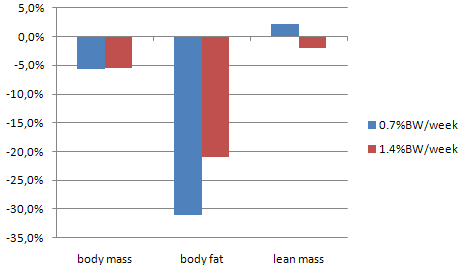
    Figure 1: Changes in body composition for different amounts of weight loss per week;
    FR 1.4% body weight loss/wk, SR 0.7% body weight loss/wk (data adapted from Garthe. 2011)

    Over the course of 8 weeks, the athletes maintained their usual 4x a week resistance-training sessions, the subjects in the fast weight loss group had an overall lower work-load of 5.3 ± 0.9 (FR) vs. 8.5 ± 2.2 (SL) hours per week. Due to the restricted energy intake (-19% ± 2% in the SL and 30% ± 4% in the FR group), both groups exhibited similar body weight (BW) and fat loss:
    BW and fat mass decreased in both SR and FR by 5.6% ± 0.8% and 5.5% ± 0.7% (0.7% ± 0.8% vs. 1.0% ± 0.4%/wk) and 31% ± 3% and 21 ± 4%, respectively.
    The "slow dieters" (SR) on the other hand managed - even in this phase of caloric reduction - to actually gain muscle mass:
    [in the slow dieters] LBM increased in SR by 2.1% ± 0.4% (p < .001), whereas it was unchanged in FR (-0.2% ± 0.7%), with significant differences between groups (p < .01).
    The observation of muscle mass increases on a relatively high volume (compared to fast dieters) training and a restricted, yet not energy depriving diet regimen is of utmost importance for athletes and physical culturists, as well, since they demonstrate that losing fat while building muscle, which is commonly touted as a metabolic impossibility aside from steroid users or absolute beginners, is very well possible even in trained and supposedly drug-free athletes.

    Bottom line: Take it slowly and go by what you see in the mirror (body composition) and lift and in the gym (performance). And if you do not have access to a DEXA unit, such as the one the scientists used in this study to measure body fat percentages, a simple measuring tape is an effective tool to judge weight loss / muscle mass as well - your belly shrinks and your shoulders get broader? What else could you ask for?