.

.
marylin monroe
Showing posts with label CSA. Show all posts

Training for Size & Strength - Does the Rest Matter? Study Finds 7-9% Greater Increase in Muscle Size With Decreasing Rest Periods.

Image 1: If you want to build Arnold-esque arms you better not sit around too long in-between your sets.
"Short rest periods to burn fat, medium rest periods to build muscle and long rest periods to build strength" - it's actually pretty likely that one of your trainers, gym buddies or fatherly mentors told you something along those lines in the past. In view of the results of a soon to be published international study by Brazilian researchers from the State University of Campinas and the Federal University of Rio de Janeiro and their American colleagues from the Eastern Illinois University, the University of Memphis and the Colorado College (Souza-Junior. 2011), this is probably the next item on list of widely accepted bodybuilding myths that have a spark of truth to them... at least for recreational strength trainees who use some creatine monohydrate to promote their strength and mass gains.
Learn more about muscle builder & fat shredder training at the SuppVersity

Optimizing Rest for Size and Strength Gains

When Rodents Squat, We Can Learn A Lot!

Farmer's Walk or Squat? Is Strong- men T. For You?

Full ROM ➯ Full Gains - Form Counts!

Battle the Rope to Get Ripped & Strong

Up Your Squat by 25% With Sodium Bicarbonate
For their study, the results of which are going to be published in the next issue of the Journal of the International Society of Sports Nutrition, Tacito P. Souza-Junior and his colleagues recruited 22 "recreationally trained" men with a minimum of one year resistance training experience at a frequency of 4 sessions a week, who were randomly assigned to one out of two exercise protocols, which differed only in the time the subjects were allowed to rest in-between sets (cf. figure 1).
Figure 1: Identical training protocol for all subjects participating in the study (compiled based on information from Souza-Junior. 2011)
The only difference between the groups was that half of the subjects trained with a constant rest time of 2 minutes between sets over the whole 8 weeks (CI group), while the remaining subjects had to decrease their rest times from week to week (DI group) according to the scheme illustrated in figure 2. The training sessions were supervised and the subjects were " verbally encouraged to perform all sets to voluntary exhaustion". Considering the overall workload and the training frequency, this were probably pretty hard weeks for the 22 trainees.
Figure 2: The rest times decreased according to a standardized protocol by 15 sec each week.
In addition all subjects, who btw. did not follow a standardized diet, consumed the proven creatine + maltodextrin mix (7 day loading phase with 20g/day creatine + 20g maltodextrin followed by a maintenance dose of 5g creatine + 5g maltodextrin taken immediately post workout) that has been used in numerous studies before.

Figure 3: 1RM performance (in kg) for bench press and barbell squat before and after the 8-week training period in subjects with constant and decreasing rest periods (data adapted from Souza-Junior. 2011).
Now, if the initially stated "wisdom" held true, then the 11 subjects with constant rest periods should either have gained more muscle (if you consider 2 minutes a "medium" rest period) or built more strength (if you would say that 2 minutes belong to the realm of "long" rest periods) - yet figures 3 and 4 seem to indicate that neither of that was the case.
Figure 4: Muscle CSA (in cm²) of arm and tigh muscles before and after the 8-week training period (data adapted from Souza-Junior. 2011).
If we have do yet a closer look at the effect sizes, there is yet a notable advantage of the DI protocol in terms of the measured increases in muscle CSA with +14% and +19% in arm and tigh CSA in the constant rest interval group (CI) and +21% and +28% in the decreasing rest interval (DI) group.
SuppVersity Classic: Full ROM = More Growth, More Strength, More Structural Changes & More Sustainable Gains & Fat Loss - Insights from Realistic 8 Weeks Leg Training + 4 Weeks Detraining | more
There is a spark of truth to every myth To give you an idea of how significant - and I am talking about "posing significance" not statistical significance here - this is, I have calculated the respective increases in arm- and tigh-circumference, which would differ by 0.4cm and 0.7cm, respectively. Not really outstanding, but nevertheless an important finding of which the researchers say that it lends support to the notion that
decreasing [rest] interval[s] seems to be more efficient than constant interval to produces [sic!] hypertrophic responses.
It has yet to be stated that the 11 subjects in the decreasing rest interval group paid dearly for this increase in muscular hypertrophy, as their "exercise performance" as measured by the total workload per session decreased profoundly from week 1 to week 8: -35% total volume for barbell squats and -30% for bench presses.

The subjects who used constant rest periods, on the other hand, increased their total volume by +20% for squats and by +30% for bench presses. That being said, all powerlifters out there better stick to their constantly (long) rest periods if they do not want to compromise their game.

Detraining and Training Periodization: 6 Months On "Six Weeks On + Three Weeks Off" Macrocycle Yields Identical Gains Strength and Size Gains as Continuous Training

"Is everyone at home taking some time off to recover + prime future muscle growth?"
Human beings are creatures of habit. This is particularly true, when it comes to those things and procedures we either like or enjoy or have found to be highly conducive to our goals, in the past. Just like some people simply won't drop their beloved Twinkies and Ding Dongs, although they know that these sugar bombs are bad for them, and others tend to stick to whatever dietary regimen has allowed them to lose 20lbs of body weight in the past, despite the fact that this "trick" has long ceased working for them, many "recreationally active" individuals (aka gymrats) are totally reluctant to any form of carefully planned deviation of their training regimen.

Six weeks on, three weeks off - for better or for worse!?

If anything, switching gears from a more hypertrophy to a more strength training oriented program, or vice versa, is probably the one modification most trainees could come to terms with. The notion to take one, let alone three weeks off after the completion of a 6 weeks mesocycle, on the other hand, scares the hack out of 99% of the ambitious strength trainees. Unjustly, as a study that's been published less than one week ago in the online edition of the European Journal of Physiology goes to show you (Ogasawara. 2012).

Systematically periodized trainig routines (yet often with only one detraining phase per season) are among the various reasons professional athletes are at a lower risk of developing the athletes' triad than overambitious gymrats.
As surprising as it may sound to the "I will lose my precious muscle" faction, the results of the study Riki Ogasawara and his colleagues from the University of Tokio conducted do actually just confirm what we knew all along:
"[A]fter short-term (>1 month) cessation of training (detraining), muscle adaptation responses may return to their initial levels, and the effects of retraining after short-term cessation on muscle growth are comparable with those observed during the early phase of training." (Ogasawara. 2012)
If we further acknowledge that the loss of protein from the muscle during the detraining phase is much slower than the rapid gain, during the early weeks of (re-)training, it should be obvious that any retraining phase will lead to overall increments in skeletal muscle cross sectional area that will easily overcompensate the small amount of size your muscles will have lost during the comparatively short phase without physical exercise.

Based on the actual results of previous research by Narici et al, Bemben et al. Hakkinen et al. and Hulmi et al., Ogosaware et al. propose the following example to illustrate this effect:
*Why is it problematic that the study participants were untrained? With the initial growth response to weight training being much more pronounced in previously untrained individuals, it is very likely that the same is going to be the case for the similarly pronounced response to "retraining" after a three-week detraining phase. This does not generally speak against the usefulness and maybe even the need for well-planned periodization in advanced trainees, but it renders the concept of a complete three weeks lay-off (=classic detraining) at least questionable. Read my comments towards the end of this post for possibly better-suited alternatives.
"[...] assuming that the decrease in thigh muscle CSA during 3 weeks of detraining is 2.1 % (estimated at 0.10 % per day and 21 days), and the increase in muscle CSA during 6 weeks of retraining is 5.9 % (estimated at 0.14 % per day and 42 days), the increase in muscle CSA during a 3-week detraining/6-week retraining period (estimated at 0.06 % per day during 9 weeks) would be 3.8 %. The estimated value of 0.06 % per day is similar to values obtained in previous studies, where the average increase in thigh muscle CSA was reportedly around 0.05 % per day." (Ogasawara. 2012)
Well, I see this alone can't convince you, right? What about the detailed results of Ogasawara very own study, then? Allegedly, it was done in untrained individuals*, 14 young men (age 25 ± 3 years, standing height 1.72 ± 0.06 m, body mass 65 ± 10 kg), but the results the training regimen the researchers characterize as follows,
"Both groups performed high-intensity, free-weight bench press exercise training 3 days per week. [...] Training intensity was set at 75 % of one repetition (rep) maximum (1-RM), and training volume was set at 3 sets of 10 reps (with 2–3 min rest between sets). To ensure an adequate training load, all training sessions were overseen by a supervisor. Training load was renewed every 3 weeks, and, if subjects could perform 12 reps or more at the 3rd set during training sessions, the training load was increased by about 5 % for the next training session." (Ogasawara. 2012)
speak for themselves and were virtually identical in both groups - regardless of whether the subjects trained for 24-weeks continuously (CTR), or performed their regimen in the form of two cycles of 3-week detraining/6-week retraining periods after an initial 6-week mesocycle.
Figure 1: Relative changes 1-RM and maximal voluntary contraction (MVC) + time-course of these changes (left); time-course of relative changes in cross sectional area in triceps bracchii (top, right) and pectoralis major (bottom, right; based on Ogasawara. 2012)
Aside from the already mentioned training status of the study participants there are yet two other things I am missing in this study:
Figure 2: Just in case you've forgotten about that - different muscles react in different ways to modulations in training volume. So why would they react identically to off-times? Moreover if legs benefit most from a higher training volume, wouldn't it be likely that they suffer most from longer periods of detraining?
  1. Detailed data on the pre / post body composition. The identical increase in body weight (+2%) is not of interest to me (and probably to only very few of you) and the simple assumption that identical body weight gain + identical CSA gains of triceps brachii (TB) and pectoralis major (PM) would translate into identical changes in total body fatness / muscularity is about is unwarranted (see link in figure 2).
  2. A realistic full-body workout routine: The low volume chest only workout regimen is not just unrepresentative of a real workout protocol, it does also raise the question if other body parts as the legs, for example, would not respond very differently to a three week lay-off phase (see figure 2 + respective reference to a previous post on training volume).
As far as the pectoralis and triceps specific gains in muscle size and strengths in strength training newbies are concerned, the results of the study at hand do however add  o the initially mentioned practicability of a simplistic, but effective "6 weeks on, 3 weeks off" approach to periodization, which - and this is a novel finding compared to Ogasawara's study from last year (Ogasawara. 2011) - does still work even in the third mesocycle (take another look at figure 1 the "catch up growth" does not diminish!).

Conclusion + "What about advanced athletes?"

Despite the fact that the last mentioned sustainability of this approach over a pretty long time period (24 weeks, i.e. 3x complete macrocycles) would indicate that a similar approach will work for trained (maybe even elite) athletes as well, I am pretty convinced that a period of three weeks of complete idleness is not the optimal periodization strategy for advanced trainees, because:
Possible alternatives for advanced athletes: Rather than taking a complete 3-week time out from all athletic endeavors, you can to stick to ...
  • a maximal complete off-time of 1-week (as in not doing anything), 
  • a 2-3 weeks of active off time (as in going on vacation w/ regular non-exhaustive physical activity), or
  • the incorporation of a tapering regimen as described in Part VI of the Step By Step Guide to Your Own Workout
Alternatively you can combine / mix one or two of these (you won't go on vacation every 6 weeks, will you?)
  • The discrepancy between the accrual of skeletal muscle protein and the loss of the latter in response to total laziness gets lower, if not totally reversed, the bigger you get. Consequently the added bonus of "faster gains" upon recommencing the training will diminish, or even disappear completely.
  • Many more or less "professional" trainees follow dietary regimen that are not sustainable, when they are not training. During a complete time-off of three weeks without any alternative "outlet", the chances to gain fat are thus much higher for them, than for the average beginner, who - if anything - guzzles a protein shake after each of his three weekly training sessions.
  • Competitive amateur athletes who are training 5x a week or more actually run the risk of both, physical and psychological withdrawl symptoms, when they simply stop training altogether (another argument in favor taper, if you asked me; see infobox on the right).
Regardless of which of the alternatives in the blue infobox next to the three arguments that make a complete 3-week lay off at least questionable for advanced / professional trainees you pick, if you decide against the "No, that's bullocks, I train day-in-day-out till I drop" approach, there is one thing you should keep in mind:
If you are not the one in a million expection from the rule,
you cannot simply "play this by ear"!
Periodization requires planning and planning is done in advance and not in a "well, I feel like I could go for another week" or "damn, I am tired today, let's take three weeks off and see how it goes then" fashion. Alright?

References:
  • Bemben DA, Fetters NL, Bemben MG, Nabavi N, Koh ET. Musculoskeletal responses to high- and low-intensity resistance training in early postmenopausal women. Med Sci Sports Exerc. 2000: 32:1949–1957
  • Hakkinen K, Newton RU, Gordon SE, McCormick M, Volek JS, Nindl BC, Gotshalk LA, Campbell WW, Evans WJ, Hakkinen A, Humphries BJ, Kraemer WJ. Changes in muscle morphology, electromyographic activity, and force production characteristics during progressive strength training in young and older men. J Gerontol A Biol Sci Med Sci. 1998; 53:B415–B423
  • Hakkinen K, Alen M, Kallinen M, Newton RU, Kraemer WJ. Neuromuscular adaptation during prolonged strength training, detraining and re-strength-training in middle-aged and elderly
    people. Eur J Appl Physiol. 2000; 83:51–62.
  • Hakkinen K, Alen M, Kraemer WJ, Gorostiaga E, Izquierdo M, Rusko H, Mikkola J, Hakkinen A, Valkeinen H, Kaarakainen E, Romu S, Erola V, Ahtiainen J, Paavolainen L. Neuromuscular adaptations during concurrent strength and endurance training versus strength training. Eur J Appl Physiol. 2003; 89:42–52
  • Hulmi JJ, Kovanen V, Selanne H, Kraemer WJ, Hakkinen K, Mero AA. Acute and long-term effects of resistance exercise with or without protein ingestion on muscle hypertrophy and gene expression. Amino Acids. 2009; 37:297–308.
  • Narici MV, Hoppeler H, Kayser B, Landoni L, Claassen H, Gavardi C, Conti M, Cerretelli P. Human quadriceps crosssectional area, torque and neural activation during 6 months strength training. Acta Physiol Scand. 1996; 157:175–186
  • Ogasawara R, Yasuda T, Sakamaki M, Ozaki H, Abe T. Effects of periodic and continued resistance training on muscle CSA and strength in previously untrained men. Clin Physiol Funct Imaging. 2011 Sep;31(5):399-404.
  • Ogasawara R, Yasuda T, Ishii N, Abe T. Comparison of muscle hypertrophy following 6-month of continuous and periodic strength training. Eur J Appl Physiol. Oct 06, 2012. 

"Inner Chest", "Upper Abs", "Biceps Peak" & Co!? Study Finds Proximal and Distal Part of the Triceps Grow Independently and According to Training Stimulus.

Image 1: Training for the peak, could it be possible, after all? (image from provitamin.in)
You probably have read my repeated notes on the issue of training individual muscles fibers in complete isolation in the 7-part SuppVersity EMG-Series. I guess in view of the results of a very recent study from the Faculty of Sports Sciences at the Waseda University in Japan (Wakahara. 2011), it might be that I will have to revise my statement. It could in fact be that you can train a specific part of a muscle fiber - if not individually, then at least predominantly.

Despite the fact that our movements are always orchestrated by the interplay of a whole host of muscle-groups and -fibers, Wakahara et al.'s results suggest that it may even be possible to target specific parts of individual fibers by selecting the correct exercises. In other words, instead of doing incline bench presses for the upper chest, you could, as many trainers recommend it for years do them with a narrower grip to target the "inner chest", i.e. the inner part of the same muscle fiber that constitutes the "outer chest" (note that this is fundamentally different from training "upper pecs" and "lower pecs", which are in fact separate muscle strands).

The muscle group for which Taku Wakahara and his colleagues were able to show this remarkable effect, was yet not the chest, but the triceps brachii. For their study, the scientists recruited 2x12 healthy young men (25.2 +/- 3.0 years, 172.8 +/- 5.0 cm, 65.3 +/- 7.8 kg; there were 7 dropouts of 19 men who started the 12-week resistance training), who had not participated in a regular resistance training program for the upper extremities for at least 6 months, for a short (single session) and long term (12 weeks) analysis of the effects of DB lying triceps extension on muscular activation and hypertrophy in the triceps brachii.

In the first experiment the scientists had one group of subjects perform 5 sets of 8 repetitions with a 2s concentric and a 2s eccentric phase at 80% of their previously established 1RM-max.

Before and immediately after the resistance exercise, T2-weighted MR images of the upper arm were obtained with an MR scanner [...] The time from completion of the exercise to initiation of the scanning was 72 +/- 21 s. In each MR image, the outline of the triceps brachii muscle was traced to determine the CSA using a software package (Image J, National Institute of Health, USA).
In view of the short timespan between the last set of the exercise and the MR scans, we may safely assume, that the CSA (cross-sectional area) increases the scientists measured in this first session were mainly a result of the increased blood-flow to the triceps aka "the pump". For me, this is particularly interesting, because if those areas of the muscles with the "greatest pump", i.e. the greatest increase in CSA immediately after training, would be identical with those areas of the muscle which exhibit the greatest hypertrophy in the course of the 12-week follow-up experiment, this would be evidence for the significance of increased blood flow and "the pump" in view of consecutive muscle growth (it would not, however tell us whether the relation between "the pump" and muscular hypertrophy is corollary or causative!).
Figure 1: Increases in cross-sectional area of the triceps brachii immediately after a single session of DB lying triceps extensions and a 12-week resistance training protocoll (data calculated based on Wakahara. 2011)
As the data I plotted in figure 1 goes to show, there is a correlation (R²=0.67) between the CSA increases after the single session and the hypertrophy response to the 3x a week (12 weeks) training regimen. The correlation is too weak to confirm Arnold Schwarzenegger's advice that "going for the pump" would be the (implying "one and only) way to grow. This, however, does not diminish the importance of Wakahara et al.'s finding that
the region-specific muscle hypertrophy after chronic resistance training is attributable to the regional difference in muscle activation during the exercise
In other words, the bros at the gym were probably right, there are inner chest, outer chest, biceps peak, upper quads etc. and you can probably train them individually.

In view of the costs of the necessary equipment, it is however not very likely that you will see a "SuppVersity Magneto-Resonance Series" with the "very best exercises for individual parts of each and every muscle fiber as determined by increases in CSA after a single training session" somewhere in the near future. But guess what, in the end you would not even need that if you rely on your own good judgement: If you exercise with heavy weights and proper form, the pump, the burn and the soreness after the workout will tell you if it was the inner chest, or the outer chest that took over the lion's share of your last workout.

True or False: Older Men Have a Much Harder Time Building Strength, Building Muscle Borders the Impossible!

Are you training for nothing, if you are "too old" (whatever that may be)? Find out in today's SuppVersity Article!
"The older we get, the weaker we are." That's something most normal men accept as a given truth - according to the latest science, it does yet appear as if it was more of a self-fulfilling prophecy.

Researchers from the Department of Biology of Physical Activity and Neuromuscular research Center at the University of Jyväskylä in Finland have recently conducted a study to verify the common sense assumption that older men are having a much harder time to to maintain / increase their muscle strength than young ones.

To find out, whether this would also be true for those, who are willing to succumb to a high volume, medium load “hypertrophic” resistance training, the Häkkinen et al. recruited young (28 ± 5 yr, 179 ± 6 cm, 77 ± 12 kg, 21 ± 8 percent fat) and older (65 ± 4 yr, 177 ± 6 cm, 80 ± 10 kg, 23 ± 6 percent fat) men via an advertisement in a local newspaper.
Especially for older guys the anti-catabolic effects of HMB could be of interest!

HMB + Over- reaching = WIN

HMB, ATP, Gylcogen

HMB Pre- or Post-Workout

Does HMB Block Fat Loss?

Don't Waste Money on Aminos

HMB Blocks Muscle Damage
The experimental groups consisted of 23 young and 26 older men (training groups) and the non training control groups consisted of 10 young and 11 older men. The goal was to achieve maximum strength, muscle mass and muscle activation of the lower limbs in both groups.

Table 1:  Resistance training program of the young and older experimental groups (performed with resistance machines)
To this ends, both groups performed 10 weeks of whole-body resistance training twice per week with the emphasis on lower limb exercises. The training program consisted of high volume, medium intensity exercise with short inter-set rest intervals, as it is typically performed by bodybuilders (i.e. 2-5 sets of 8-14 repetitions, 1-2 min rest).

Lower limb exercises, i.e. leg press, knee extension and knee flexion, were performed before upper body exercises. At least 48 h rest was required between training sessions. Maximum dynamic and isometric neuromuscular performance, as well as lean leg and muscle mass were examined before and after the training period. The changes in body composition were assessed 3-4 d and neuromuscular measurements were performed 7 d after the last training session.

Before participating in the study at hand, the "subjects were physically active but unaccustomed to resistance training for the previous 6 months." Training and testing took place throughout the day (9am-7pm), but young and older subjects were pair-matched to avoid any time-of-day effects on neuromuscular performance measurements. All subjects were given nutritional advice in an attempt to maximize muscle hypertrophy, however, no direct nutritional intervention was performed in the present study.
It's a pity that the diet wasn't controlled for. In view of our main interest, i.e. the question "Are old guys at a disadvantage", on the other hand, it's actually quite interesting, because we usually assume that older guys would have to ingest extreme amounts of protein to keep up with their younger competitors. In the study at hand, they were only told to consume ~20 g of protein within 1 hour of training and in total ~1.5–1.8 g of protein per kg body mass per day, to optimize the muscle hypertrophy response. If you add the "30g of quality (=high EAA) protein with every meal rule that's pretty much the "SuppVersity Suggested" protein intake ;-)
The resistance training program consisted of . Briefly, leg exercises (bilateral leg press, knee extension, and knee flexion) were performad before upper body and torso exercises; bench press, pulldown, shoulder press, seated row, triceps pushdown, biceps curl, abdominal crunches and back raises.
"The subjects performed medium intensity, high volume training consisting of 2–3 sets and 12–14 reps (60–70% 1RM) per exercise (weeks 1–4), then 2–3 sets and 10–12 reps (70–80% 1RM) per exercise (weeks 5–7), and 3–4 sets per exercise and 8–10 reps (75–85% 1RM) per exercise (weeks 8–10). One min rest was given between sets during weeks 1–4, and then 2 min rest was given between sets during the remaining weeks 5–10. One set was performed to failure during each training session." (Häkinnen. 2014)
As you've probably recognized by now this is a more or less classic linear periodization; a very conservative periodization technique with a lot of back up that it works (learn more about periodization).
Figure 1: Pre- and post values for 1RM and isometric leg strength (Häkkinen. 2014)
If you look at the results, you'll see that this protocol led to significant increases in one repetition maximum (1RM) leg press performance in both training groups (young: 13 ± 7 %, P < 0.001; older: 14 ± 9 %, P < 0.001).

Interestingly, said performance improvements were accompanied by increased muscle activation, assessed by voluntary activation level (29 ± 51%, P < 0.05) and electromyography amplitude (35 ± 51 %, P < 0.01) in older men only. Unfortunately, only the young men showed significantly increased lower limb lean mass (2.4 ± 2.5 %, P < 0.01), which were furthermore significantly related to the strength increments (r = 0.524, P = 0.01, n = 23).
Figure 2: The rel. changes in total lean leg mass and vastus lateralis cross sectional area leave no doubt, you can gain muscle at the age of 65+ (Häkkinen. 2014)
Bottom line - true or false? The notion that you can't get stronger if you're past the 60-year mark is flawed. The common understanding that you'll have a significantly harder time to actually increase your total muscle mass and not "just" your strength, on the other hand, appears to be accurate. The signficant local increase in vastus lateralis CSA (Figure 2) does yet indicate that it's not impossible to grow even at the age of 65+ years (keep in mind, though, the subjects were previously more or less untrained!).

Nevertheless, in general, the study appears to suggest that young men are more likely to literally "grow stronger", while older men tend to draw on improvement in the mind-muscle connection, when it comes to lifting higher weights.
References:
  • Häkinnen, et al. "Similar increases in strength after short-term resistance training due to different neuromuscular adaptations in young and older men." Journal of Strength and Conditioning Research (2014). Publish Ahead of Print.

Chicken Legs No More! Building Big Wheels By Walking on the Treadmill: Blood Flow-Restriction Does the Trick!

Image 1:  One thing is certain, the squat, the
"King of all Exercises" will never become obsolete.
(image by verkinetic @Wikipedia)
You have chicken legs, but are too lazy to squat? Well, I guess in this case you will be interested in the results of a recent study by Sakamaki et al. (Sakamaki. 2011) who found that blood flow-restriction is all it takes to induce legs and trunk muscle hypertrophy by just walking the treadmill.

For their study, which was published in the latest issue of the Journal of Sports Science and Medicine the Mikako Sakamaki from the University of Tokyo and his colleagues from the University of Oklahama had 17 "healthy young" men [21.2 (±1.9) years, 1.74 (±0.07) m, and 65.8 (±9.6) kg] participate in 3 weeks of supervised walk training. Following a warm-up, the subjects performedwalking (50 m/minute for five 2-minute bouts, with a 1-minute rest between bouts) on a motor-driven treadmill. The walking speed and duration remained constant throughout the training period.
Figure 1: Relative changes in muscle volume over a 3 weeks training period in blood flow-restricted and control group; note: Only the changes in thigh and lower leg musculature were statistically significant 
(data adapted from Sakamaki. 2011)
Now, 9 randomly selected subjects wore a elastic cuffs that were inflated with a pressure of 160 -230 mmHg during the training sessions (BFR-group). Before and after the 3 week training period muscle cross-sectional areas (CSA) were assessed by magnetic resonance imaging (MRI) and revealed that
[...] MRI-measured upper (3.8%, P < 0.05) and lower leg (3.2%, P < 0.05) muscle volume increased significantly [in the BFR group only!] 
Size and volume of the "gluteus maximus (-0.6%) and iliopsoas (1.8%), [as well] as the muscle CSA of the lumber L4-L5 (-1.0) did not change", however. A result that could be expected, considering the position of the cuffs which restricted blood flow to the lower extremities, while muscles from the gluteus upwards were still well perfused.

Bottom line: For trunk size wheels you probably won't get around doing squats or heavy leg presses to build appropriate strength; but imagine what may happen if you do these in a high volume "Kaatsu style", i.e. with cuffs to restrict blood flow... Jay Cutler, beware!

11% Increase in Type I Fiber Cross Sectional Area During 12 Weeks of KHCO3 Supplementation: Are Alkali Supplements Fiber-Type Specific Anabolics W/ Add. Metabolic Benefits?

Muscle toning with bicarbonate? Without weight gain? For some women probably a dream come true ;-)
I guess, you will be hard-pressed to find another website with a similar amount of information the effects of alakali (mostly sodium bicarbonate) supplementation on exercise performance and metabolism as the SuppVersity. Irrespective of the previous posts on "baking soda" or the recent elaborations on the importance of a well-controlled acid base ratio (learn more), I am quite sure that the results of a recently published study from the Tufts Medical Center and the Bone Metabolism Laboratory, Jean Mayer USDA Human Nutrition Research Center on Aging at Tufts University will come as a surprise even for the most regular visitors among you - to be honest, I was and am still surprised myself ;-)

So what's the surprise?

In their 12-week rodent study that was devised to elucidate whether the addition of a neutralizing amount of potassium bicarbonate (KHCO3) to purified diet designed to match the standard acid forming Western way of eating would ameliorate the urinary nitrogen loss and affect the muscle fiber size and number, as well as the levels of circulating and muscle-specific IGF-1 in thirty-six vitamin D sufficient or deficient, 20-month-old, Fischer rats, Lisa Ceglia and her colleagues did not only observe (relative changes in brackets are expressed for vitamin D sufficient / insufficient animals)...
  • higher urinary pH (33% / 34%, after only 6 weeks),
  • lower urinary nitrogen losses (-28% / -42%) and
  • increased circulating 25OHD levels (3% and 15%);
they also observed significant increases in the cross-sectional area of the soleus muscles of the animals that did not depend on the vitamin D status of the animals.
Figure 1: Vitamin D levels, 24h urinary Nitrogen / Creatine ratio, cross sectional area of soleus (type I fibers; CSA1) and extensor digitorum longus (EDL; type II fibers, CSA2) after 12 weeks in rodents on KHCO3 supplemented diets with / without adequate vitamin D, data expressed relative to unsupplemented control (Ceglia. 2013)
As the data in figure 1 goes to show you, this effect was fiber-type specific and was not observed in the extensor digitorum longus (EDL), which is - contrary to the soleus - type II (fast twitch, glycolytic; learn more) fiber dominant. What is surprising though is the fact that the researchers did not observe corresponding increases in muscle weights (p > 0.05).

Unfortunately, the scientists don't address the "growth vs. weight" discrepancy in the discussion of the results, so that we are left to come up with our own hypotheses to explain why this may have been the case. We know that it cannot be the mere result of decreased food intakes or total body weight - both were virtually identical in all groups (just a note: the muscle weight per total body weight did not differ either). Moreover, the scientists explicitly state that "the lower UNi/Cr could be considered an indicator of reduced muscle proteolysis" - so that common sense would dictate an increase in muscle size and mass as it was in fact observed in previous human studies from the same laboratory:
"In a 6-week study in 19 healthy adults (average age 62 years), KHCO3 supplementation attenuated a protein-induced rise in UNi/Cr excretion by over 50 % compared to placebo (Ceglia. 2009). A larger study in 162 adults (average age 62 years) given a lower bicarbonate supplement dose or no bicarbonate, also demonstrated a 6 % decline in UNi/Cr excretion (Dawson-Hughes. 2009)." (Ceglia. 2013)
In fact, the provision of the bicarbonate supplement in the latter of the two studies did also increase the lower extremity power of the healthy older women who participated in the study by 13%; an observation that speaks in favor of the practical relevance of bicarbonate supplements - at least in the context of a normal / low vegetable and correspondingly low dietary alkali intake and that irrespective of the presence / absence of increases in skeletal muscle mass.

So what's the general mechanism here?

What about the muscle fiber specificity? The scientists speculate that the difference may simply be mediated by the "size difference of type II fiber subtypes (IIa, IIb, IIx) in rat EDL muscle and an inadequate [study] duration to detect a significant fiber size effect." This alone would, warrant a "larger and longer-term" at the end of which it may be possible to "fully characterize effects of this dietary
intervention on muscle morphology." (Ceglia. 2013)
If we simply discard the (as of now inexplicable) absence of increases in muscle weight and focus on the increases in muscle cross-sectional area it would in fact appear as if the alkali-induced improvements in nitrogen retention are the primary cause for the "muscle building" effects, the New Yorker researchers observed.

The latter appears all the more likely, in view of the fact that neither the provision of vitamin D nor the addition of bicarbonate (or a combination of both) resulted in significant reductions in the catabolic signaling molecules E3 ubiquitin ligases, MURF1 and MAFbx. Still, if we don't assume that the rodents expended much more energy and simply burned off the extra protein it must have gone somewhere, so that the most likely explanation for the inconsistencies would actually be the time-point at which the signaling molecules were measured. After all, a pre- vs. post comparison doesn't tell us what happened during the 12-week supplementation period. Neither do we know whether the acid-base balance does not target a completely different set of anabolic molecules than exercise or protein nutrition so that the scientists may simply have missed measuring the "correct" markers of anabolism / catabolism to be able to fully explain their observations.


Bottom line: There is still much to be learned about the effects and detailed mechanisms of alkali supplementation. So much, in fact, that the addition of large boluses of potassium bicarbonate to a whole foods diet that includes large amounts of net alkalizing vegetables and fruits (funny how difficult it was to write that this way around and not "fruits and vegetables" ;-) as a means to increase your gains appears to be unwarranted or at least unnecessary at the moment.

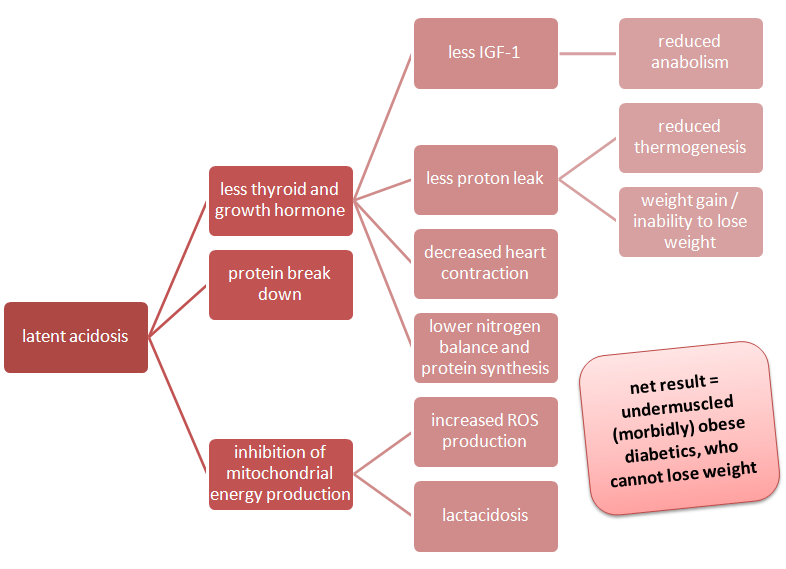
Latent acidoses can set you up to become obese (learn more)
For someone following a typical Western and or high meat + fat / high grain or otherwise acid forming diet without adequate "vegetable buffer" a medium dose alkali supplement providing ~67.5 mmol of bicarbonate (~647mg of KHCO3 or 800mg NaHCO3/baking soda, which was the dose that has been used in the previously mentioned human study by Dawson-Hughes et al.) ingested twice a day, could yield all sorts of metabolic benefits, of which you have learned in previous posts on sodium bicarbonate and the acid base balance here at the SuppVersity that they go way beyond increases in muscle strength and cross-sectional area and reach into the realms of metabolic disease and even cancer.

Suggested reads:
  • Calcium, Magnesium, Potassium & Co in Food, Water & Supps - Getting Enough is Easy, Knowing How Much Is Not! (read more)
  • SuppVersity Science Round-Up on Sodium, Potassium, Alkalinity & Co (listen now)
  • Science Round-Up Seconds: The Macro-Mineral Alphabet & the Potential Health Hazards of Diet-Induced Latent Acidosis (read more)
  • Previous SuppVersity posts on sodium bicarbonate (browse all)

References:
  • Bailey JL, Zheng B, Hu Z, Price SR, Mitch WE. Chronic kidney disease causes defects in signaling through the insulin receptor substrate/phosphatidylinositol 3-kinase/Akt pathway: implications for muscle atrophy. J Am Soc Nephrol. 2006 May;17(5):1388-94. Epub 2006 Apr 12.
  • Ceglia L, Harris SS, Abrams SA, Rasmussen HM, Dallal GE, Dawson-Hughes B. Potassium bicarbonate attenuates the urinary nitrogen excretion that accompanies an increase in dietary protein and may promote calcium absorption. J Clin Endocrinol Metab. 2009 Feb;94(2):645-53. 
  • Ceglia L, Rivas DA, Pojednic RM, Price LL, Harris SS, Smith D, Fielding RA, Dawson-Hughes B. Effects of alkali supplementation and vitamin D insufficiency on rat skeletal muscle. Endocrine. 2013 May 11. 
  • Dawson-Hughes B, Castaneda-Sceppa C, Harris SS, Palermo NJ, Cloutier G, Ceglia L, Dallal GE. Impact of supplementation with bicarbonate on lower-extremity muscle performance in older men and women. Osteoporos Int. 2010 Jul;21(7):1171-9.

Muscle Building Takes Time. Less in Newbies, Though: 9.6% More Muscle in 8 Weeks

"Patience is a virtue!" Many bodybuilders and fitness enthusiasts have to learn this the hard way - even on drugs, muscles won't grow (hypertrophy) within days and visible gains in lean muscle mass will take years or month. Although the results of a recent study (DeFreitas. 2011) done by scientists from the University of Oklahoma won't help to overcome the delay between training induced muscle stimulus and physiological hypertrophy response, the observations of DeFraitas et al. are nevertheless interesting.

By the means of weekly testing the scientists wanted to determine the "precise time course of skeletal muscle hypertrophy" in response to 8 weeks on a specifically designed high intensity resistance training program in 25 healthy, sedentary men. The measured outcomes were whole muscle cross-sectional area (CSA) of the dominant thigh (via computer tomography) and isometric maximum voluntary contractions (MVC). 
After only two training sessions (W1) [=week 1], the mean thigh muscle CSA increased by 5.0 cm² (3.46%; p < 0.05) from the pre-testing (P1) and continued to increase with each testing session. It is possible that muscular edema may have inXuenced the early CSA results. To adjust for this possibility, with edema assumedly at its highest at W1, the next significant increase from W1 was at W3. W4 was the Wrst signiWcant increase of MVC over P1. Therefore, signifcant skeletal muscle hypertrophy likely occurred around weeks 3–4.
While edema, unquestionably, are one possible reason for the sudden increase in "muscle mass" being a 'sedentary newbie' to strength training may well be another factor contributing to the immediacy of the muscle gains (do not expect to see similar results as an experienced athlete!). The scientists reliance on sedentary subjects compromises the significance of the whole study (in view of what athletes and gymrats may expect), thus the measured overall gains, impressive +13.9 cm² (9.60%) CSA, appear hardly transferable to a "reasonably" trained group of subjects, as well.
Figure 1: Development of muscle size (measured as CSA of thigh muscle) and force (measured as MCV) in 25 formerly sedentary subjects on an 8 week high intensity strength training program (DeFreitas. 2011)

Comment: Its really a pitty that out of monetary and organizational reasons all these studies are done on newbies, whom you could send work on a construction site for 8 weeks and see immense gains in strength and muscles, when they do not get hit by a block of concrete. So, do not feel discouraged if - in the course of the whole last year, you did not gain +13.9 cm² in your tigh muscle. You are probably just to athletic already ;-)

Training, Detraining, Retraining: Build Bigger and Stronger Muscles by Taking 3 Weeks Off!?

Image 1: This dog obviously knows how beneficial it is to take 3 weeks off and detrain. If we go by his physique, he did probably not realize that without (pre-)training and retraining the distinct line between detraining and laziness becomes as blurred - as blurred, by the way, as many it is for training junkies like me ;-)
I plead guilty! Guilty of not taking enough time off - against better judgment. In that, it is not the idea that I would "lose muscle" that urges me to the gym, it is not that I would be afraid to get fat and I could probably even stifle my desire to lift heavy objects, if it was not for the little man in my ear who keeps telling me: "Well, you won't get fat and you won't lose muscle, but think about it: You are fit, young and strong! Why waste your time idling around? Go for it hit the weights and let the veins pop" ... and alas, his words are too convincing to put my gymbag back into the locker and write one of the 237 blogposts I am constantly thinking about and never finding the time to compile. Thanks to Steven Arcera, who, by the way, is somewhat of the productive, digital counterpart of the little man in my ear, as he is constantly pricking new ideas into my brain by posting questions, links to studies and hypothesis on my Facebook wall, I do now have a scientifically validated counterargument that could (theoretically ;-) shut the small nag up... for 3 full weeks!

6 Weeks on, 3 weeks off, 6 weeks on OR 15 weeks on - what is more "productive"?

Aside from the longer, more in-depth articles here at the SuppVersity, the studies, we are dealing with on a daily basis are usually not older than max. 4 weeks. In view of the fact that even "Prof. Dr.", i.e. me, is only human, it sometimes happens that I a) either miss the publication of an interesting paper or b) file it under "candidates" and then forget about it... the latter happened with a study, Steven referenced in a brief discussion we had on facebook about "priming muscles for new growth". Since the results do however fit in pretty nicely with the concept of "skeletal muscle hypertrophy" I have been trying to establish in the course of the latest installments of the Intermittent Thoughts (yes, there will be a follow up on testosterone tomorrow ;-), I decided that it was about time to finally acknowledge the results of a May 2011 paper by Riki Ogasawara et al. (Ogasawara. 2011).

In their 15-week randomized trial, Ogasawara and his colleagues put 15 young (24.7y), previously untrained male subjects onto identical training regimen. In three supervised training sessions per week the subjects performed 3 sets of 10 reps at 70% of their predetermined 1-RM max. The latter was re-assessed every three weeks and the weight was adjusted appropriately. After 6 weeks of training 8 randomly selected subjects "had" to take 3 weeks off (retraining group), while the rest of the subjects kept their regular 3x per week training schedule (continuous group). At the beginning of week 9, the now "detrained" subjects resumed their training regimen, until after week 15, a final testing session was scheduled to provide the data we need to answer a question, of which I know that it already preys on your minds:  "Did the three weeks away from the gym compromise the progress in the retraining group?" 
Figure 1: Development of triceps brachii and pectoralis major CSA of the continuously training and the detraining/retraining group in the course of the 15-week study period (data adapted from Ogasawara. 2011)
If you take a cursory glance at the data in figure 1, the answer to this question must be "YES!" (I think I just heard the little man in my ear rejoice ;-) - there is no debating: the triceps cross-sectional area (CSA) of the continuous trainers grew 2.4% more, the pectoralis major even 5.7% more, but with the given standard deviations of >7% and >10%, the little man in my ear will be having a hard time to convince me that I would miss out on muscle gains, when I took three weeks of - and that, even if I were a bloody beginner.

If we now assume that with my reluctance to take even a complete week off, my size gains would already have reached the "quasi-plateau" that is situated to the right of the logarithmic graph which describes the CSA development of the continuous training group, one could even make an argument that I and any other advanced trainee, whose gains have been slowing down over the last couple of weeks, would see an even more profound "growth boost" after 3 weeks of detraining, than the previously untrained subjects in the Ogasawara study. In fact, the increase in the amount of muscle mass I  would be able to accrue per week, might not only compensate (within the statistical margin ;-), but rather surpass the gains I thought I constantly fear I could "miss" during my off time.
Figure 2: Development of bench press 1RM strength and triceps brachii maximum voluntary contractive force of the continuously training and the detraining/retraining group in the course of the 15-week study period (data adapted from Ogasawara. 2011)
Moreover, the fact that the strength gains, in general, and the maximum voluntary contractile force the subjects were able to apply to a Biodex dynamometer with their elbow extensors, in particular, exhibit similar or even smaller differences (cf. figure 2), provide additional arguments by the means of  which I could probably convince myself that detraining is not for retiring athletes only.
Figure 3: Development of bench press 1RM strength (left) and triceps brachii maximum voluntary contractive force to triceps brachii CSA ratio (data adapted from Ogasawara. 2011)
And if that is still not enough to lay aside the dumb- and barbells for at least 2 weeks (you see I am negotiating again ;-), I could make a point that I do not only want to look strong, but also want to be strong; and as the right graph in figure 3 shows quite clearly, the three-weeks detraining period lead to 2.3% larger, yet again statistically non-significant increase in the pound per pound force production of the triceps muscle of the study participants in the retraining group.

Detraining is neither for pussies nor for retiring athletes, only

I guess, the foregoing subheading, summarizes the main take-away message of the study quite nicely. In view of the non-existent loss in muscle mass and strength in the course of the detraining period and the subsequent "growth spurt" (relative steep linear vs. leveled logarithmic increases in weeks 9-15), it should be obvious that the incorporation of strategic detraining periods into your training schedule is more than a welcome opportunity for laziness (something that totally turns me off, btw.). It is rather a phase where the reconstruction processes you have learned about in the Hypertrophy 101 and the subsequent installments of the Intermittent Thoughts will carve the way for future gains. Whether this will suffice to soothe the little man in your ear, I don't know... maybe you can negotiate a 2-weeks detraining period for the start ;-)

Want Bigger Guns? Train Legs Before Arms!

It is quite obvious that an elevation of testosterone and growth hormone facilitates muscle gains by jacking up protein synthesis and ameliorating protein breakdown. Now, intense leg training is famous for increasing both, testosterone as well as growth hormone levels of trainees. It is thus quite logical that Ronnestad et al. found (Ronnestad. 2011) that your arms grow faster, if you train them right after your legs.

The study design the scientists used is quite awkward, but clever. They had 9 (unfortunately) untrained subjects perform 4 workouts per week. On two of the occasions the subjects trained legs + one arm (L + A) on the other two occasions they only trained the other arm. Thus, Ronnestad et al. made sure that "both conditions have the same nutritional and genetic environment".
Figure 1: Plasma testosterone and growth hormone  measured before the strength training session (T-0), immediately after the leg exercises in the L ? A session (T-1), immediately after the arm exercises for both the L + A and A session (T-2), and 30 min after the arm exercises in both L + A and A session (T-3). (Ronnestad. 2011)
As can be seen in figure 1, only leg + arm, but not arm training alone produced measurable elevations of testosterone and growth hormone. Yet, although the cross sectional surface area (CSA, measured by MRA) of the biceps increased in both conditions, the major finding of the study was that...
only L + A increased the elbow flexors’ CSA at the two middle sections where the CSA of elbow flexors was largest.
In other words, the peak of your biceps, this hallmark, every bodybuilder is looking for, comes from training your legs (prior to your biceps).